You're marinating chicken for dinner and reach for the tamari. The bottle tips-empty. Tamari brings gluten-free umami and a smoother saltiness than standard soy sauce, and the recipe depends on that depth.
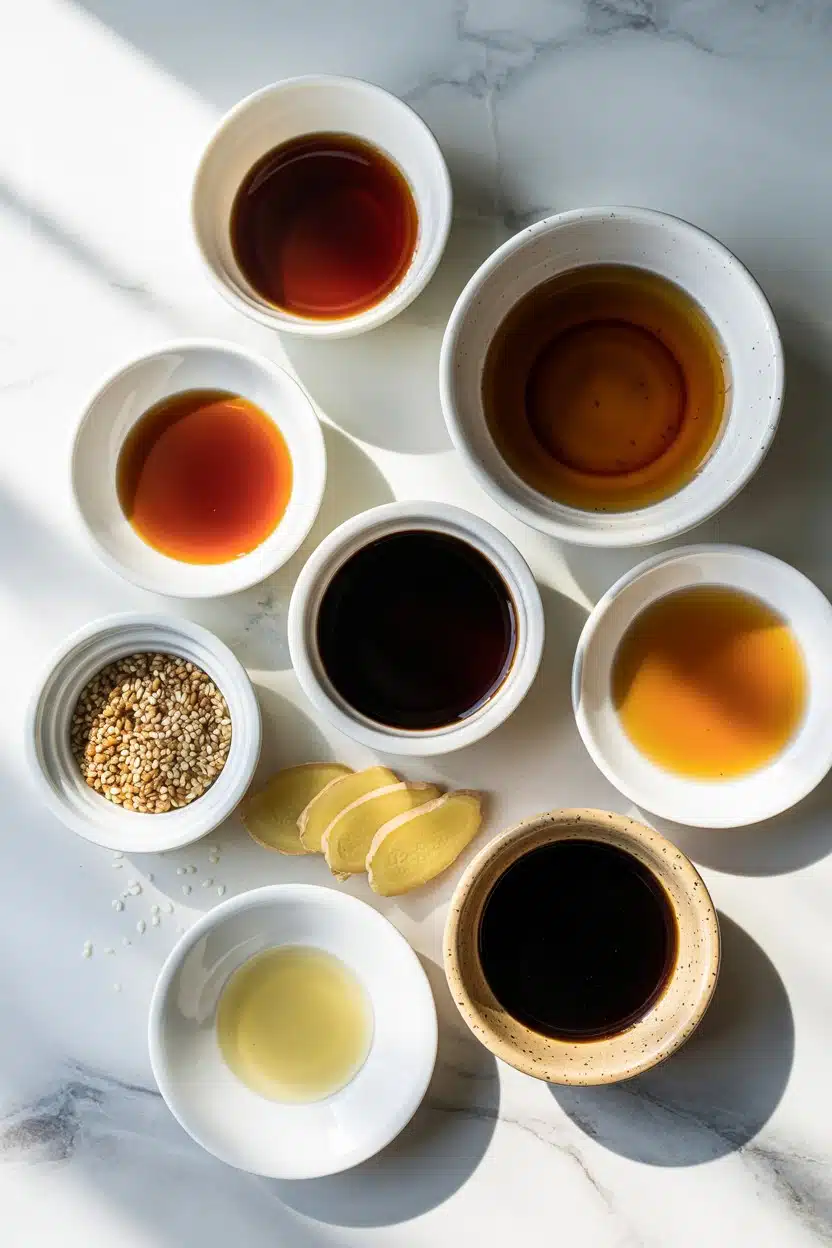
Without it, dishes can taste flat or one-dimensional. The right swap restores that savory backbone without changing the whole flavor profile.
A few pantry staples can cover the gap.
We reach for regular soy sauce or liquid aminos first when tamari runs out. For stir-fries and marinades, both deliver similar umami without much adjustment-watch the salt level since some brands run heavier. In gluten-free dishes, coconut aminos works but tastes sweeter and milder.
| # | Substitute | Best For | Ratio | Key Note |
|---|---|---|---|---|
| 1 | Soy Sauce | 🍳 Cooking | 1:1 | Contains gluten, saltier |
| 2 | Coconut Aminos | 🌱 Gluten-Free | 1:1 | Sweeter, less salty |
| 3 | Liquid Aminos | 🥗 Raw | 1:1 | Lighter fermented flavor |
| 4 | Miso Solution | 🍳 Soups | 1 tablespoon miso + 1 tablespoon water | Richer, thicker texture |
| 5 | Soy-Free Mix | 🥗 Finishing | 1 tablespoon vinegar + 1 tablespoon molasses + 2 tablespoon water | Tangy, less umami |
1. Regular Soy Sauce 🥢
Regular soy sauce steps in when you need that salty, umami punch and gluten isn't a concern. It's slightly saltier and less smooth than tamari, but the core flavor is nearly identical.
Remember it later
Planning to try this recipe soon? Save it for a quick find later!
Use 1 tablespoon soy sauce per 1 tablespoon tamari. Add it at the same point in the recipe.
- ✅ Nearly identical umami depth
- ⚠️ Contains wheat-not gluten-free
Most recipes won't notice the swap. If you're cooking for someone with celiac disease, this one's off the table-but for everyone else, it's the fastest fix. If soy sauce itself runs short, we've covered Soy Sauce substitutes for cooking in detail.
2. Coconut Aminos 🥥
Coconut aminos delivers gluten-free, soy-free umami with a noticeably sweeter and milder profile. It won't match tamari's depth, but it works when dietary restrictions matter more than exact flavor.
Use 1 tablespoon coconut aminos per 1 tablespoon tamari. You may need to add a pinch of salt to balance the sweetness.
The lighter saltiness means stir-fries and marinades can taste less savory without adjustment. In dressings and dipping sauces, the sweetness shows up more clearly.
Add it early in cooking so the flavors meld. For raw dishes, taste as you go-you might need less than you expect. If you're curious about other ways to use it, check out Coconut Aminos alternatives to try for more context.
3. Liquid Aminos 💧
Liquid aminos (like Bragg's) brings soy-based umami without fermentation's deeper notes. The flavor runs lighter and less complex than tamari, but it's gluten-free and works in most recipes.
Use 1 tablespoon liquid aminos per 1 tablespoon tamari. It's a direct swap.
- 🥗 In raw dishes: Shines in dressings and cold sauces
- 🍳 In cooking: Works but lacks the richness of fermented sauces
- ⚠️ Color: Won't darken dishes as much as tamari
The amino acid profile differs slightly, so the savory punch isn't quite as strong. For high-heat stir-fries, you might notice the lighter flavor. If you need more ideas around this swap, we've ranked common Liquid Aminos swaps ranked by use case.
4. Miso + Water 🍲
Miso paste thinned with water rebuilds tamari's umami with a thicker, fermented richness. It's not liquid like tamari, but it delivers deep savory flavor when you mix it smooth.
Use 1 tablespoon miso paste + 1 tablespoon water per 1 tablespoon tamari. Whisk it until smooth before adding.
- ✅ Deep fermented umami
- ✅ Works in soups and stews
- ⚠️ Thicker texture won't dissolve as cleanly
The paste adds body, so it won't work in clear broths or light dressings where you need transparency. In marinades and braised dishes, it's solid. White miso tastes milder and sweeter; red or brown miso runs saltier and more intense. For other ways to swap miso, we've tested easy Miso Paste swaps that work across recipes.
5. Soy-Free Mix (Vinegar + Molasses) 🧪
Homemade soy-free substitute combines vinegar's tang with molasses's sweetness to mimic tamari's balance. It's not as savory, but it works when you're avoiding soy entirely.
Use 1 tablespoon vinegar + 1 tablespoon molasses + 2 tablespoons water per 1 tablespoon tamari. Mix before adding.
- ✅ Soy-free and gluten-free
- ✅ Works in finishing sauces and salads
- ⚠️ Less umami-tastes more acidic and sweet
- ⚠️ Won't hold up in long-cooked dishes
The umami depth isn't there, so this works best as a last resort or in dishes where other ingredients carry the savory load. Apple cider vinegar or rice vinegar both work. If you need more traditional soy-based options, we've covered tested Soy Sauce replacements that include both gluten-free and standard picks.
Match Your Pantry to Tamari
Got regular soy sauce? Use it 1:1 unless gluten matters-it's the closest match.
Need gluten-free? Coconut aminos or liquid aminos both work, but coconut runs sweeter.
Avoiding soy entirely? The vinegar-molasses mix or miso solution cover the gap with less umami.
Frequently Asked Questions
Yes, as long as gluten isn't a concern. Soy sauce is slightly saltier and less smooth, but it works 1:1 in stir-fries, marinades, and dressings. If you're cooking for someone with celiac disease, skip it and use coconut aminos or liquid aminos instead.
Tamari is traditionally gluten-free and made with little to no wheat, while soy sauce includes wheat in the fermentation. Tamari tastes smoother and less sharp. Both deliver salty umami, but tamari's flavor is more mellow.
No, it's sweeter and milder with less umami punch. Coconut aminos works as a gluten-free and soy-free swap, but you'll need to adjust for the lighter saltiness. Add a pinch of salt or use slightly more to match tamari's depth.
Not easily-real tamari requires fermentation over months with specific bacteria and mold cultures. The homemade soy-free mix of vinegar, molasses, and water mimics the salty-sweet balance but won't replicate the fermented umami. For true tamari flavor, store-bought is the only practical option.
No, but they're close. Liquid aminos is made from soy protein and is gluten-free like tamari, but it lacks the fermentation depth. It tastes lighter and less complex. Use it 1:1 in most recipes, but expect a milder flavor in dishes where tamari's richness stands out.
5 Best Substitutes for Tamari
Ingredients
Method
- Choose the substitute based on your dietary needs and recipe type.
- Prepare the substitute: blend miso paste with water or mix vinegar, molasses, and water as needed.
- Use substitutes at a 1:1 ratio to tamari, adjusting salt or sweetness to taste.
- Add substitutes early in cooking to blend flavors or adjust seasoning during raw applications.
- Check final taste and consistency before serving to ensure the flavor balance matches your preference.
Notes
- Regular soy sauce is the closest match but contains gluten.
- Coconut aminos and liquid aminos provide gluten-free options with differing flavor profiles.
- Miso solution and soy-free mix work best in specific dishes like soups or finishing sauces and require mixing before use.