You're halfway through making a braise when you spot the empty Cabernet bottle. The recipe needs its acidity and depth to balance the richness.
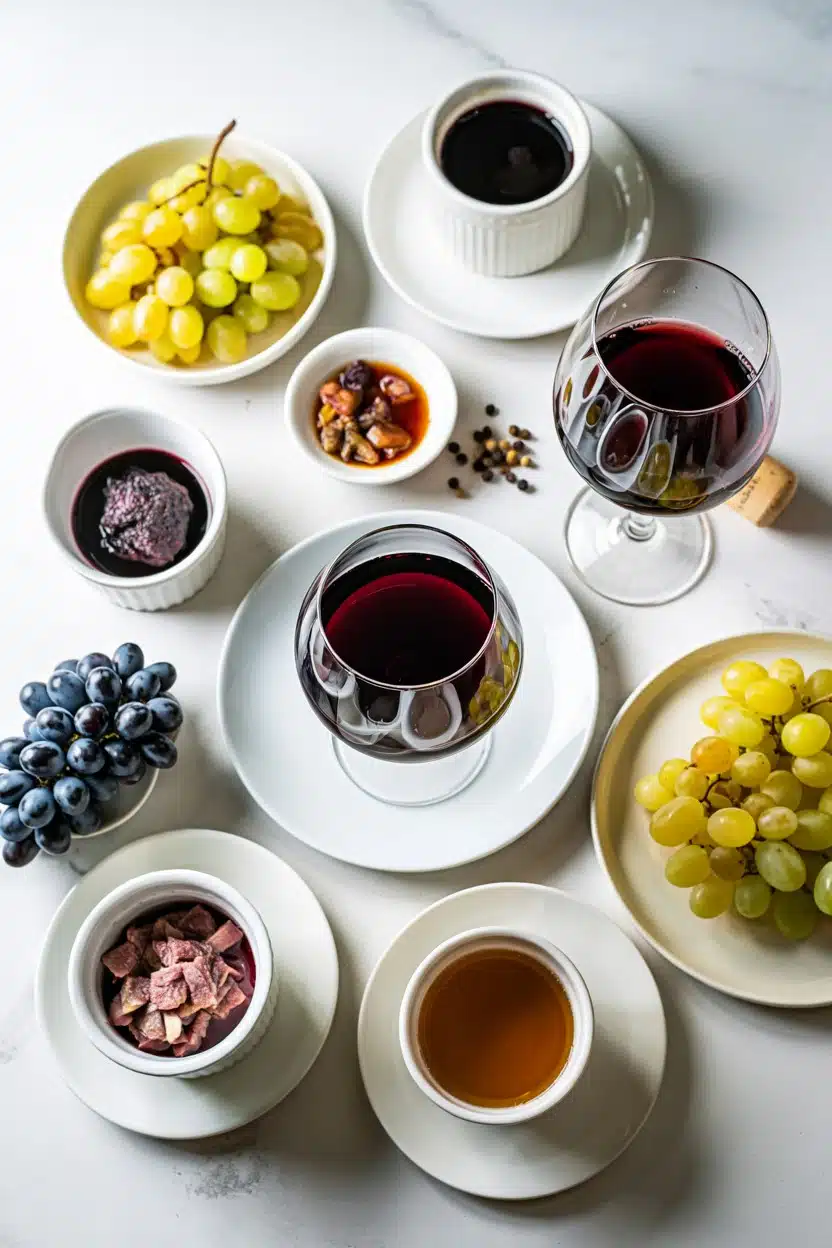
The best swap depends on what Cabernet does in your dish-match the function first, then adjust for flavor. Some options nail the tannin structure; others lean on acidity alone.
**Merlot** stays closest with similar acidity and body. **Beef broth plus red wine vinegar** brings savory depth and tang without wine. Skip juice-based swaps in long braises-they lack complexity and turn too sweet.
5 Cabernet Sauvignon Swaps That Keep Flavor Balanced
The following options work best in different recipe situations. Pick based on cooking method and how much tannin bite you need.
Remember it later
Planning to try this recipe soon? Save it for a quick find later!
| # | Substitute | Best For | Ratio | Key Note |
|---|---|---|---|---|
| 1 | Merlot | ✨ Both | 1:1 | Softer tannins, fruitier finish |
| 2 | Broth plus Vinegar | 🍳 Cooking | ¾ cup broth + ¼ cup vinegar | Savory but less fruity |
| 3 | Pomegranate Mix | 🍳 Cooking | 1 cup juice + 1 tablespoon vinegar | Fruity and tart, sweeter base |
| 4 | Diluted Cranberry | 🍳 Cooking | 1:1 concentrate to water | Sharp acidity, minimal body |
| 5 | Lemon Water | 🍳 Cooking | 1 cup water + 1 tablespoon lemon + 1 teaspoon sugar | Bright acid only, no depth |
1 - Merlot
Merlot shares Cabernet's structure-rich body, moderate acidity, and enough tannins to stand up to fat. It softens the edges with plum and berry notes instead of Cabernet's cassis punch.
Use it straight in any recipe calling for Cabernet. The fruitiness shifts slightly sweeter, but the balance holds in sauces, braises, and reductions.
Red Sauces
Works for: Bolognese, red wine reductions, tomato-based braises
Skip if: You want Cabernet's firm tannin grip on fatty cuts
Slow Cooking
Works for: Pot roasts, beef stews, wine-braised short ribs
Skip if: The recipe leans on strong astringency for balance
Here's what to know:
- Same acidity level-no need to adjust other ingredients
- Slightly softer finish-add a pinch of black pepper if you miss the bite
2 - Broth plus Vinegar
Beef broth brings umami and body while red wine vinegar mimics wine's sharp acidity. Together they create a savory backbone that works in slow-cooked dishes without alcohol.
Mix ¾ cup broth with ¼ cup vinegar per cup of Cabernet. The result leans more savory than fruity, so it shines in hearty braises and stews where richness matters more than wine complexity.
Out of red wine vinegar too? Vinegar swaps for braises covers sharper options.
Skip if: The recipe relies on wine's fruity notes or you're making a glaze where sweetness balances the sauce.
3 - Pomegranate Mix
Pomegranate juice adds tartness and a fruity edge similar to wine's brightness. A tablespoon of balsamic vinegar sharpens the acidity and adds a hint of depth that plain juice lacks.
Use 1 cup pomegranate juice plus 1 tablespoon balsamic per cup of Cabernet. The mix works in glazes and pan sauces where you want tang and a glossy finish without tannin bitterness.
Here's what to expect:
- Sweeter base-taste as you cook and add a pinch of salt to balance
- Less astringency-skip this in recipes where tannins cut through fat
- Fruity finish-works best in quick-cooked sauces, not long braises
Missing pomegranate juice as well? Tart juice swaps lists alternatives with similar brightness.
4 - Diluted Cranberry
Cranberry concentrate delivers sharp acidity with a berry punch that approximates wine's tartness. Dilute it 1:1 with water to tone down the intensity and avoid overpowering the dish.
The swap adds brightness but lacks Cabernet's body and complexity. It fits quick marinades and sauces where acidity matters more than depth.
Quick specs:
- Mix equal parts concentrate and water-straight concentrate turns too sharp
- Add a splash during the last few minutes of cooking to preserve brightness
- Taste before adding salt-some concentrates are pre-sweetened
- Stir in a teaspoon of soy sauce if you miss savory depth
| Use | Ratio | Notes |
|---|---|---|
| Pan sauces | 1:1 concentrate to water | Add near the end to keep acidity bright |
| Marinades | 1:1 concentrate to water | Balance with a pinch of sugar if too tart |
| Braises | Skip | Sweetness builds during long cooking |
Skip if: You're braising or slow-cooking-the acidity fades and sugar intensifies over time.
5 - Lemon Water
Water with lemon juice and a pinch of sugar brings acidity to brighten sauces without adding alcohol. It skips the complexity and tannins but works when you need a quick deglazing liquid.
Use 1 cup water, 1 tablespoon lemon juice, and 1 teaspoon sugar per cup of Cabernet. The mix lifts flavors in finishing sauces but won't hold up in recipes requiring wine's body.
The essentials:
- Add lemon juice off heat to preserve brightness
- Sugar rounds out the sharpness-skip it if the dish is already sweet
No lemon juice either? Citrus acid swaps has backups that brighten dishes.
Skip if: The recipe relies on wine to add richness or you're cooking low and slow where depth matters.
Before You Swap Cabernet Sauvignon
Test with a small batch if you're unsure. Most swaps need minor tweaks-a pinch of salt here, a splash of vinegar there.
Match the swap to cooking time: wine alternatives with body (like Merlot or broth) for long cooking, acidic mixes (like lemon water) for quick finishes.
- Closest match - Merlot for similar acidity and richness
- Easiest grab - Broth plus vinegar for savory depth
- Dietary option - Pomegranate mix for alcohol-free tang
Frequently Asked Questions
Merlot, Pinot Noir, and Syrah work best because they have similar acidity and body. Avoid sweet dessert wines or very light reds-they shift the flavor balance too far.
Beef broth plus red wine vinegar gives the closest match for savory dishes. Pomegranate juice with balsamic vinegar works in sauces and glazes where fruitiness fits.
Cabernet rarely appears in baking, but if it does, use Merlot 1:1. For cooking, most swaps work at equal volume except broth mixes-use ¾ cup broth and ¼ cup vinegar per cup of wine.
Grape juice adds sweetness but lacks acidity and tannins. If you use it, add a tablespoon of vinegar per cup to balance the flavor-but it still won't match wine's complexity.
Juice-based swaps concentrate sugars during reduction. Add vinegar or lemon juice at the end to brighten the sauce, or use a broth-based substitute instead for long-cooked dishes.
5 Best Substitutes for Cabernet Sauvignon
Ingredients
Method
- Select substitute based on recipe: Merlot for sauces and slow cooking with tannin, broth plus vinegar for savory cooking, fruit juices for quick sauces.
- If using Merlot, substitute directly 1:1 for Cabernet without adjustment; add black pepper for more bite if desired.
- For broth plus vinegar, mix ¾ cup beef broth with ¼ cup red wine vinegar per cup of wine being replaced.
- Combine 1 cup pomegranate juice with 1 tablespoon balsamic vinegar for a fruity, tart substitute; adjust salt to balance sweetness.
- Dilute cranberry concentrate 1:1 with water; add near end of cooking to maintain brightness and add soy sauce if savory depth is needed.
- Mix 1 cup water with 1 tablespoon lemon juice and 1 teaspoon sugar; add lemon juice off heat and use for quick deglazing, not braising.
- Taste and adjust the substitution if needed by adding a pinch of salt, sugar, or black pepper according to dish requirements.