
Most people assume sucanat is just a fancy name for brown sugar, but the two are made by entirely different processes.
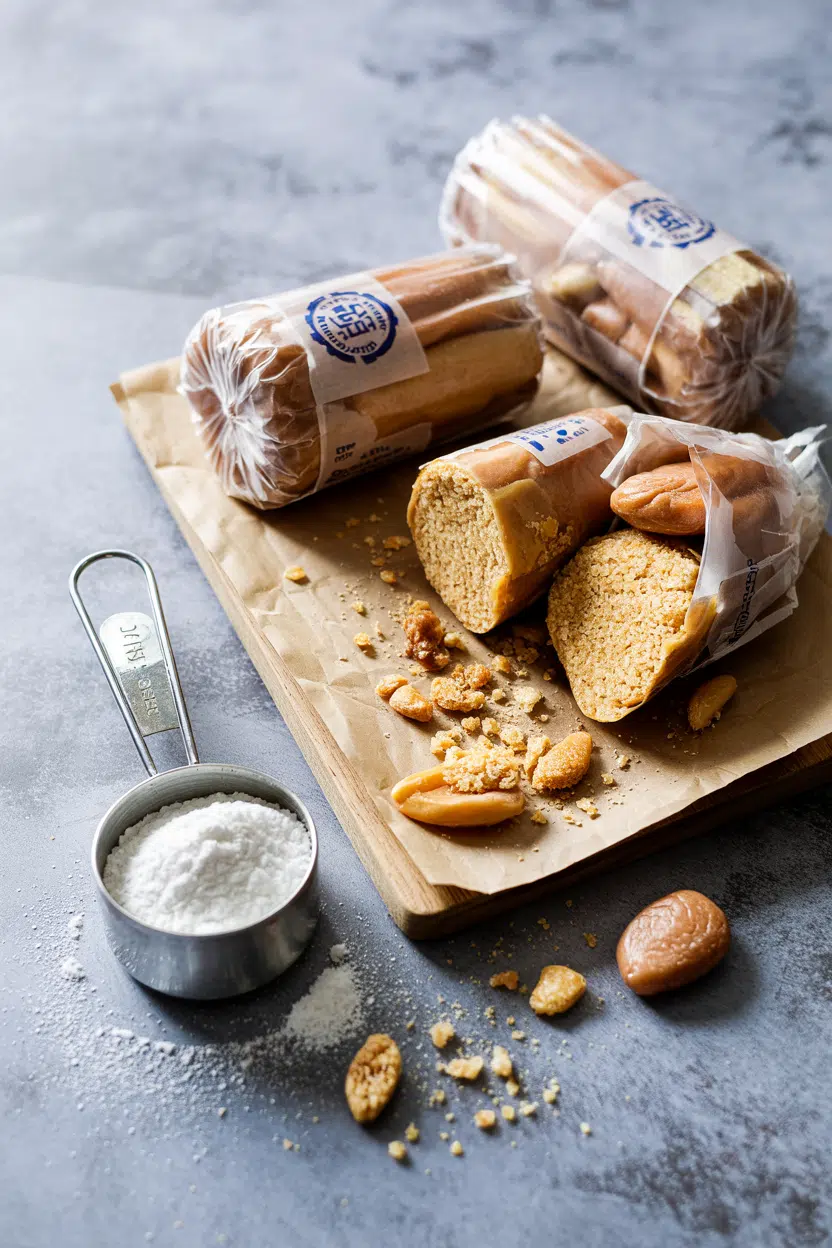
Brown sugar is refined white sugar with molasses added back; sucanat is cane juice that was never refined in the first place, which means the molasses was never removed.
That distinction drives everything - flavor, texture, and how it behaves in the kitchen.
Sucanat is unrefined evaporated cane juice that retains its natural molasses. It has coarse amber granules, a deep molasses-caramel flavor, and works wherever brown sugar is called for but you want more depth. Shelf life reaches about a year when stored dry.
What Is Sucanat?
Sucanat stands for SUgar CAne NATural - the name is an acronym, not a brand category. It originated as a product of Latin American cane-growing tradition and was formalized as a commercial product in the 1970s.
Remember it later
Planning to try this recipe soon? Save it for a quick find later!
The process is straightforward: fresh cane juice is extracted, heated to evaporate moisture, and then dried and granulated. No centrifuge separates the molasses, so the final granules contain every mineral and flavor compound the cane juice started with.
Visually, sucanat looks like coarse, moist amber-brown sand. It clumps easily and the granules feel slightly sticky compared to white sugar.
- 🍃 Also called - evaporated cane juice, whole cane sugar, or raw cane sugar with molasses
- Related but different from panela - panela is pressed into blocks and is common across Latin America and the Caribbean; sucanat comes granulated
- Not demerara - demerara is partially refined with large dry crystals; if you want a comparison, the article on [comparing demerara vs turbinado sugar options](https://forkliftkitchen.com/demerara-vs-turbinado-sugar/) breaks down where those two sit relative to each other
- Closest relative - muscovado, which also retains molasses, though muscovado is typically finer and more intensely moist
What Does Sucanat Taste Like?
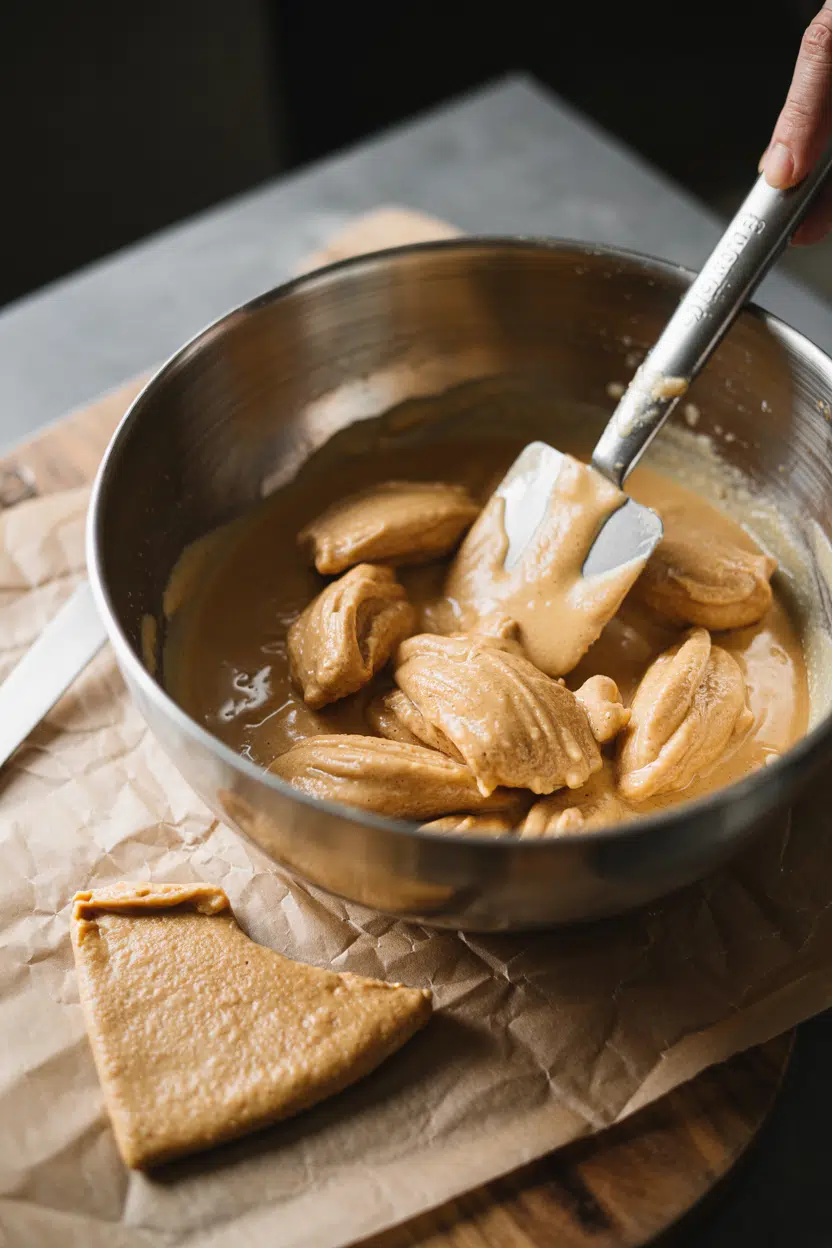
Sucanat tastes like concentrated brown sugar with a prominent molasses thread running through it. The first note is dark caramel, followed quickly by a mild toffee bitterness that keeps it from reading as pure sweetness.
There's also a faint grassy, green-cane quality - subtle, but noticeable in uncooked applications like stirring into coffee or oatmeal. Heat softens that raw edge and amplifies the caramel.
Compared to muscovado, sucanat is milder and less intensely damp. Against straight jaggery - where jaggery swaps that work shows just how bold jaggery can get - sucanat reads considerably more restrained.
How to Use Sucanat
Sucanat earns its place in recipes where brown sugar's molasses note is the point, not just a byproduct.
Gingerbread, dark spice cakes, and molasses-glazed roasted ham are natural fits - the existing molasses character in the recipe aligns with what sucanat brings.
In cookie doughs, it boosts chew and adds color, since residual molasses increases hygroscopicity. Barbecue glazes and sticky stovetop sauces also benefit because the molasses helps the glaze set and tack to meat or roasted root vegetables.
| Method | Best For | Tip |
|---|---|---|
| 🥄 Stirred In | Hot cereals, atoles, black coffee | Stir vigorously - coarse granules dissolve slower than white sugar |
| 🍞 Baked | Gingerbread, spice cakes, molasses cookies | Sift or pulse in a blender if the recipe calls for fine-grain sugar |
| 🍖 Glazed/Caramelized | Ham glazes, BBQ sauces, root vegetable roasting | Residual molasses lowers the caramelization point - watch heat |
| 🍬 Confections | Nut brittles, toffee, dark caramel sauces | Expect a darker color and more complex bitter note than white-sugar versions |
Sucanat pairs well with ginger, cinnamon, dark rum, butter, coffee, and citrus zest. Avoid it in delicate floral teas or light sponge cakes where its presence will overpower the intended flavor.
In terms of swaps, replacements for brown sugar covers the full range of options if you're mid-recipe and short on sucanat. For a closer flavor match, swapping out demerara sugar also addresses some of the same molasses-forward territory.
How to Buy and Store Sucanat
Look for bags with visibly moist, evenly colored amber crystals and minimal hard black specks. A few dark flecks are normal; a bag that's clumped into one solid mass often signals moisture contamination during storage or shipping.
Check the label for the phrases "evaporated cane juice" or "whole cane sugar" rather than simply "raw sugar," which is a looser term that can describe partially refined products.
Sealed retail packaging is preferable to bulk bins, which expose the sugar to air and humidity.
For storage, an airtight container in a cool, dry pantry keeps sucanat in good shape for up to a year.
Pressing out excess air before sealing slows clumping.
General guidance on keeping sugar fresh applies here - moisture is the main enemy.
If you spot off-smells, unusual discoloration, or signs of pests, the article on sucanat spoilage signs walks through what to look for.
Start Here if You're New to Sucanat
If you already bake with brown sugar, swap sucanat in at a 1:1 ratio in gingerbread, spice cookies, or a dark glaze and taste the difference side by side.
That single test will tell you immediately whether the stronger molasses note is something you want in your regular rotation.
If the flavor is too assertive for a specific recipe, alternatives to sucanat maps out where muscovado, panela, and turbinado each land by intensity. Pick the depth you need and work from there.
Frequently Asked Questions
Sucanat is made from fresh sugarcane juice that is heated to evaporate moisture and then granulated. Unlike white or brown sugar, it skips centrifugation entirely, so the natural molasses stays bound in the granule rather than being separated out.
Sucanat reads deeper and less uniform than commercial brown sugar. Brown sugar's molasses coating is thinner and more even; sucanat's molasses is integral to the crystal, so the flavor is more pronounced and slightly bitter at the finish.
Yes, by weight or volume the swap is direct. Expect a darker result and a stronger molasses flavor. In recipes where brown sugar plays a subtle background role, the difference will be noticeable.
Slowly. The coarse granules dissolve much faster in hot liquids than cold ones. For iced drinks, dissolve sucanat in a small amount of hot water first to make a simple syrup, then stir that into the cold drink.
Marginally, at best. Sucanat retains trace minerals - iron, calcium, potassium - from the molasses, but the amounts are too small to be nutritionally significant. It remains predominantly sucrose and is not suitable for low-sugar or diabetic diets.



