
Squirrel meat has a smell that tells you exactly what the animal spent its life eating - woodland, bark, foraged nuts, open air.
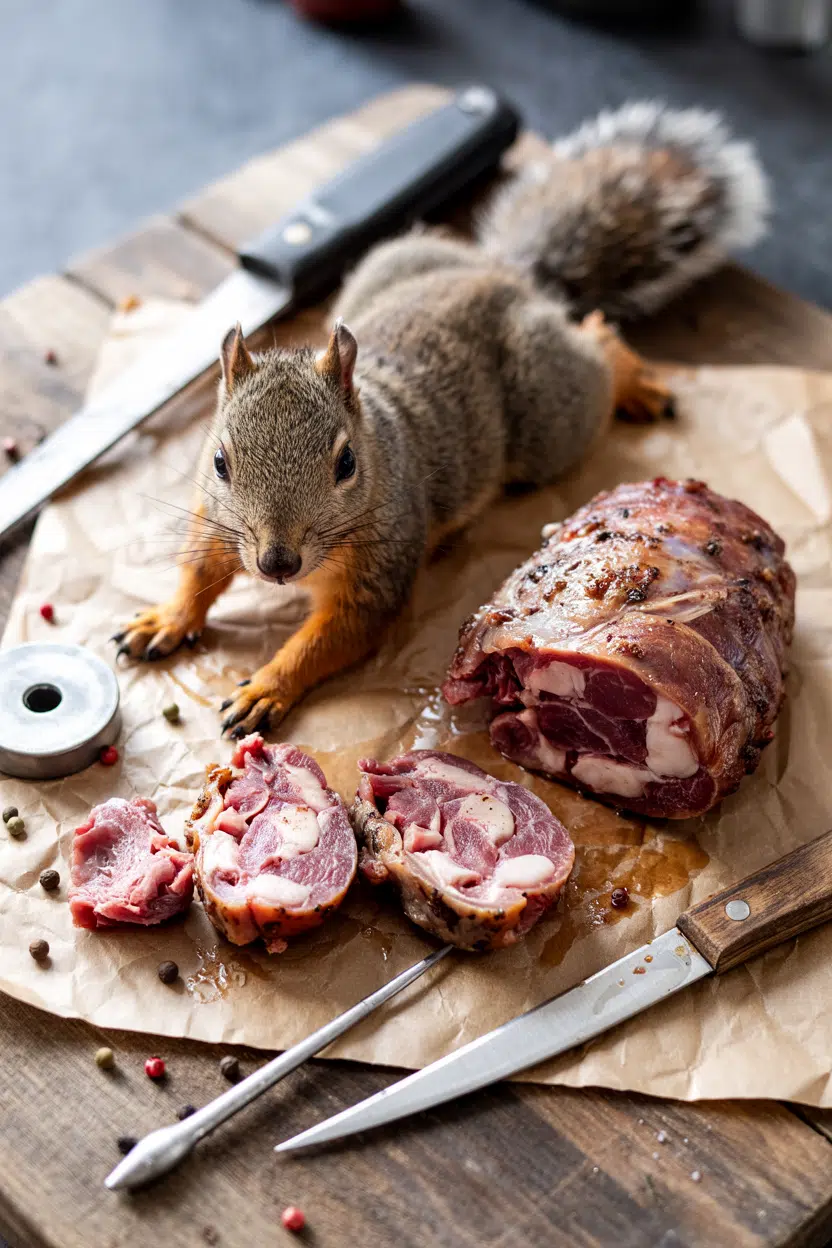
That earthy, almost woody aroma is the first signal you're working with small-game, and it sets expectations correctly before the meat ever hits a pan.
Much like the role chicken plays as a reference point for lean white protein, squirrel invites comparison but quickly moves past it into territory that's richer, gamier, and more structurally demanding.
The cooks who handle it best treat it like rabbit - something in the neighborhood of dishes alongside rabbit can orient a whole meal built around small game.
Squirrel meat is lean small-game with a mildly gamey, nutty flavor and firm texture that rewards low-and-slow cooking. Best in braises, stews, and Southern pan-fry preparations, it stores up to 3 days refrigerated or 12 months frozen.
What Is Squirrel?
Squirrel meat comes from wild tree squirrels harvested across temperate North America and, historically, rural parts of the British Isles. The gray squirrel (Sciurus carolinensis) is the most common source in the U.S., though the larger fox squirrel yields noticeably more meat per animal.
Remember it later
Planning to try this recipe soon? Save it for a quick find later!
The carcass breaks down into distinct sections: hind quarters, front quarters, and the backstrap - a slender muscle running along the spine that cooks differently from the leg meat.
Dark and light muscle sections exist in the same animal, much like poultry.
In Appalachian and Southern U.S. cooking, squirrel has fed families for generations and sits comfortably within a broader tradition of small-game preparation. French rustic game cuisine also has precedents for cooking it, though it appears there less frequently today.
- 🐿️ Gray squirrel - Most hunted North American species; moderate size, widely available in season
- 🐿️ Fox squirrel - Larger body, more meat per animal, slightly richer flavor
- 🌿 Field-dressed squirrel - Cleaned shortly after harvest; the only form worth buying or using
- 🧊 Frozen whole or quartered - Common from specialty suppliers; check vacuum seal integrity before purchase
What Does Squirrel Taste Like?
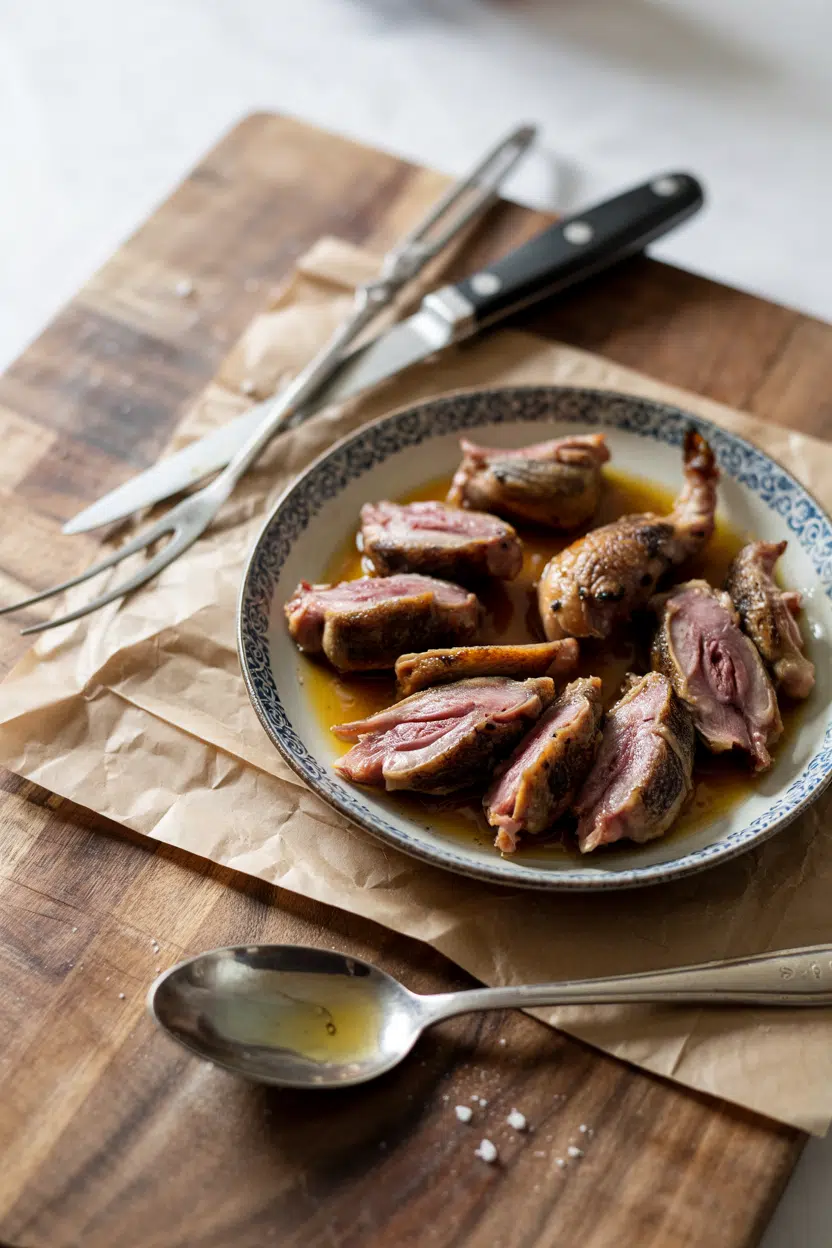
Squirrel lands somewhere between dark chicken meat and rabbit, with a game note that neither of those animals carries.
The flavor is lean but not bland - a nutty undercurrent comes through clearly, especially in animals that fed on acorns and hickory nuts.
Heat amplifies the game note if you cook fast and dry. Slow, moist methods - braising especially - mellow that quality into something more savory and accessible.
Older animals skew slightly sweeter in the muscle fiber, which sounds counterintuitive but shows up consistently. Young squirrels cooked over high heat retain more of the clean, mild character that makes the rabbit comparison most accurate.
How to Use Squirrel
Appalachian cooking built its squirrel tradition around two methods: stewed in peppery gravy with root vegetables, and pan-fried in seasoned flour. Both approaches are still the most reliable entry points for cooks unfamiliar with small game.
Braising is the method with the widest margin for error. The meat breaks down into tender, shreddable pieces that work well in a meat pie filling, cornbread stuffing, or poured over a bowl of grits.
Bacon or pork fat is nearly always involved - the extra fat compensates for squirrel's leanness and keeps the braise from drying out.
For cooks who want a longer-preservation option, squirrel confit - cooked slowly in rendered fat until silky - stores well and brings the dish into the territory of French rustic game cooking, not far removed from thinking about dishes alongside duck confit where richness and acid need balancing.
| Method | Best For | Tip |
|---|---|---|
| 🍳 Pan-Fry | Southern fried squirrel, quick weeknight prep | Use seasoned flour, fry in lard or pork fat for best crust |
| 🍲 Braise | Meat pie filling, shredded ragù, bean soup | Low heat, 2+ hours; add apple or tart fruit to balance game note |
| 🥘 Stew | Peppery gravy over grits, root vegetable stew | Brown pieces first for deeper fond before adding stock |
| 🫙 Confit | Long storage, rich flavor development | Cook in seasoned rendered fat at low temp; press and chill before serving |
| 🔪 Poach + Shred | Bean soups, chowders, cornbread stuffing | Poach gently in seasoned stock; shred while warm for easiest texture |
Pairings that work consistently: thyme, bay leaf, black pepper, garlic, onion, and robust red wine or a dark beer as the braising liquid. Avoid overly sweet glazes - they push against the game note rather than rounding it.
How to Buy and Store Squirrel
Buy from a hunter or specialist supplier you trust, and insist on animals that were field-dressed soon after harvest. Look for firm, evenly colored meat - pinkish-gray is normal.
A sour or ammonia smell means the carcass sat too long; walk away.
Once home, keep raw squirrel at 32-38°F in an airtight container and cook within 2-3 days.
For longer storage, vacuum-seal portions and freeze immediately - well-packaged squirrel holds quality for 6-12 months.
Freezer burn sets in quickly with poor packaging, which is why vacuum sealing matters more here than with fattier meats.
Signs of freezer damage and off-odors on thawed game mirror what you'd find reviewing venison spoilage signs - the same principles apply across lean wild meats.
Where to Start With Squirrel
New to small game? Start with a braise. It's the method that forgives the most - tougher cuts, older animals, a slightly stronger game note all get managed by low heat and a good braising liquid.
- Braise first - If you're uncertain about gamey flavor, a long braise with bacon, onion, thyme, and red wine is the most forgiving entry point
- Pan-fry for crunch - Season well, use pork fat, and treat it like Southern fried chicken once you're comfortable with the meat
- Backstraps for experienced cooks - Quick-sear or skewer over high heat, but only with young animals; older backstraps turn tough fast
- Confit for long storage - Commit an afternoon, yield a week of rich, ready-to-use meat
Squirrel rewards patience. Rushed cooking reveals every structural limitation; slow cooking reveals everything that makes it worth eating.
Frequently Asked Questions
Yes, when properly handled and cooked to an internal temperature of 165°F. The primary risks are lead contamination from bullet fragments in the carcass and zoonotic pathogens if field dressing is done carelessly - both are avoidable with correct technique.
Closer to dark chicken meat than white, but with a distinct nutty and mildly gamey note that chicken doesn't have. The texture is firmer and benefits from longer cooking than most chicken cuts require.
Field dress immediately after harvest by removing the entrails and hide, then rinse the carcass in cold water. Quarter into hind legs, front legs, and backstrap before cooking or chilling.
Mildly, yes - less so than venison or wild boar. Animals that fed on nuts tend to have a cleaner flavor. Poor field dressing or delayed chilling amplifies the gamey quality significantly.
No. Raw squirrel carries risk of Salmonella, tularemia, and other pathogens common in wild rodents. Always cook to a minimum internal temperature of 165°F throughout.



