
Sour mix hits the tongue with a jolt of lemon-lime brightness, followed immediately by a clean syrupy sweetness that rounds out the sharp edge.

That balance - acid forward, sweet in reserve - is exactly what makes it useful in high-volume cocktail service, and occasionally frustrating in situations where fresh juice would do a better job.
Just as knowing the right replacements for grenadine helps you build a more flexible bar, understanding sour mix on its own terms helps you use it well and avoid the moments when it falls short.
Sour mix is a pre-made blend of citrus juice and simple syrup, designed to add consistent acidity and sweetness to cocktails. It tastes like sweetened lemon-limeade - bright but less complex than fresh juice. Best for high-volume bar use.
What Is Sour Mix?
Sour mix is a cocktail mixer combining citrus juice - typically lemon, lime, or both - with simple syrup in a ratio designed to balance acidity and sweetness in one ready-to-pour liquid.
Remember it later
Planning to try this recipe soon? Save it for a quick find later!
American bars developed it during the mid-20th century as a speed tool: one ingredient instead of two, pre-measured, consistent across every shift.
It goes by several names depending on context. Sweet-and-sour mix, bar mix, sours mix, and lemon-lime mix all refer to the same basic product, though formulas vary between brands.
Commercial versions split into two categories worth knowing:
- 🏪 Shelf-stable commercial mixes - typically made with citric acid, artificial flavoring, or concentrate rather than real juice; long shelf life but flatter flavor
- 🍋 Refrigerated fresh-style mixes - made with actual lemon and lime juice; shorter shelf life but noticeably brighter citrus character
- 🏠 House-made bar mix - equal parts fresh citrus juice and simple syrup; the standard in cocktail-forward programs and easy to replicate at home
Some commercial bottles replace cane sugar with high-fructose corn syrup - if that matters to you, check the ingredient list before buying, or consider corn syrup swaps that work when making your own version from scratch.
What Does Sour Mix Taste Like?
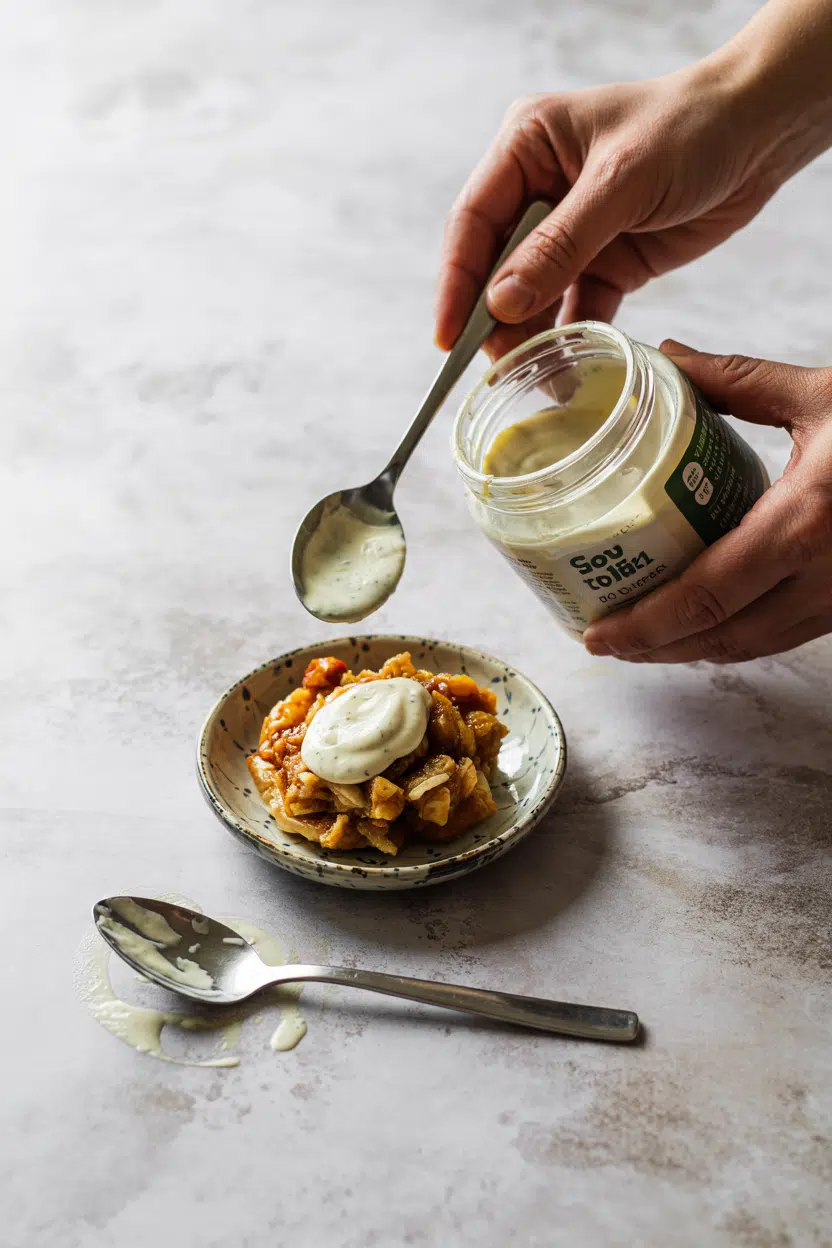
Think sweetened lemon-limeade - that's the closest everyday reference point. The citrus acidity hits first, fading quickly into a syrupy sweetness that never fully disappears, leaving a faint pucker at the back of the palate.
Fresh-squeezed lemon and lime juice mixed with simple syrup will read more complex, with subtle bitterness from the pith and volatile aromatics that fade fast once the fruit is cut. Sour mix trades that complexity for consistency. The flavor curve is flatter, more predictable, and noticeably sweeter than straight fresh juice would produce at the same acidity level.
Commercial bottles relying on citric acid rather than real juice taste sharper and more one-dimensional.
The lemon-lime character reads artificial at higher concentrations - which is why dilution into a shaken cocktail matters more with those products than with fresh-style versions.
How to Use Sour Mix
Sour mix is a shaker-ready acid-sweet base, meaning it steps in wherever a recipe needs both citrus and sugar without measuring each separately. The whiskey sour is the canonical example: spirit, sour mix, shake, done.
| Method | Best For | Tip |
|---|---|---|
| 🥂 Shake | Whiskey sour, daiquiri, amaretto sour | Shake hard with ice to dilute and aerate - improves texture significantly |
| 🌀 Blend | Frozen margaritas, frozen daiquiris, party slushies | Add sour mix after the ice to control consistency |
| 🥄 Stir | Mocktails, punch bowls, highball-style drinks | Stir gently to preserve carbonation when mixing with soda |
| 🔥 Reduce | Citrus glazes for shrimp, chicken, or fish | Reduce over medium-low heat only - high heat kills the citrus brightness |
In cocktail work, sour mix pairs cleanly with whiskey, tequila, and rum - spirits with enough body to hold their own against the acidity.
Triple sec or another orange liqueur is the standard third component in a margarita build; for options when that bottle runs out, triple sec in cooking covers the flavor role it plays and what substitutes behave similarly.
Fresh mint, berry purées, and club soda all extend sour mix into longer, lower-alcohol formats.
Beyond cocktails, a gentle reduction turns sour mix into a usable citrus glaze. It works over grilled shrimp or pan-seared chicken when you want tang without the effort of reducing fresh juice.
Don't push the heat - the citrus brightness drops off quickly.
Sour mix doesn't perform well alongside delicate floral liqueurs, which it tends to overwhelm. Skip it when a recipe calls for oil-based acids for emulsification purposes.
How to Buy and Store Sour Mix
Start in the refrigerated mixer section for the freshest product. Refrigerated fresh-style mixes carry a bottling date - look for the most recent one, and check the bottle for cloudiness or visible sediment, which signals degradation.
For shelf-stable commercial bottles, scan the ingredient list for real juice versus citric acid, and note whether cane sugar or high-fructose corn syrup is the sweetener. The difference shows up clearly in flavor once mixed into a drink.
Storage is straightforward:
- Unopened shelf-stable - cool pantry, good for several months to a year
- Fresh-style refrigerated, unopened - follow the best-by date; typically a few weeks
- After opening - refrigerate immediately; fresh-style mixes hold 2-4 weeks, commercial preservative-heavy bottles several months
A full breakdown of keeping sour mix fresh covers spoilage signs and when to discard. Similarly, if you're questioning an older batch of margarita pre-mix, margaritas spoilage signs gives specific indicators to check.
Where to Start With Sour Mix
If you're new to it, buy one refrigerated fresh-style bottle and shake it into a whiskey sour at the standard 2:1:1 ratio (spirit, sour mix, nothing else).
That single drink tells you more about the product's balance than any label claim.
From there, the replacements for sour mix guide helps when the bottle runs out mid-recipe, and making classic whiskey sour cocktail at home walks the full build with fresh and bottled options.
If the commercial versions disappoint, make your own - it takes five minutes and the difference is immediate.
Frequently Asked Questions
Yes, they're the same product under different names. "Sweet and sour mix" is more common in retail packaging; "sour mix" or "bar mix" is what most bartenders call it. The formula - citrus juice plus simple syrup - doesn't change.
Yes. Combine tequila, triple sec, and sour mix in a 2:1:1 ratio, shake with ice, and strain. It won't match a fresh-lime margarita in complexity, however it's significantly faster for large batches.
Fresh-style refrigerated mixes hold 2-4 weeks after opening. Commercial bottles with preservatives can last several months refrigerated. Flat citrus smell and dull flavor are the clearest signs it's declined.
Juice equal parts lemon and lime, then combine with an equal volume of simple syrup (1:1 sugar to water, dissolved). A standard batch: 1 cup citrus juice to 1 cup syrup. Refrigerate and use within one week.
No. Sour mix is non-alcoholic - it's citrus juice and sugar, nothing more. That makes it usable in mocktails and nonalcoholic punch without modification.



