
You spot it at the butcher counter somewhere between the ribeye and the rump - a thick, deep-red steak with a thin band of fat along one edge and almost no marbling running through the muscle.
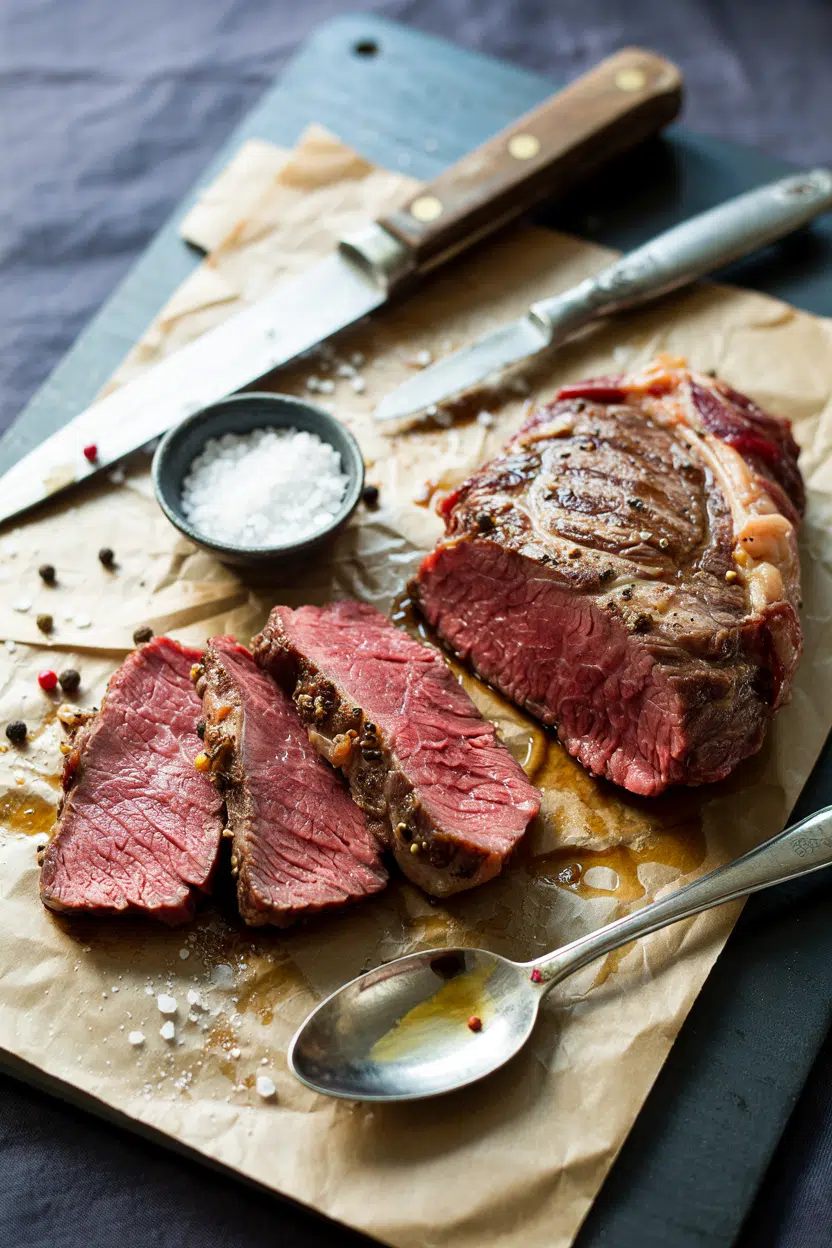
That's sirloin steak, and it's one of the most straightforward beef purchases you'll make, provided you know which end of the loin you're buying from.
If you already know the taste of flank steak, sirloin lands in familiar territory - lean, beefy, and built for high heat.
Sirloin steak is a lean, moderately tender beef cut from the rear back of the cow. Top sirloin is the go-to for pan-searing and grilling; bottom sirloin suits stir-fries and kebabs. Beefy, savory flavor with a clean sear. Best cooked to medium-rare over high heat.
What Is Sirloin Steak?
Sirloin steak comes from the rear back portion of the cow, sitting just ahead of the rump and behind the short loin. It's divided into two subprimal cuts - top sirloin and bottom sirloin - that behave quite differently at the butcher and in the pan.
Remember it later
Planning to try this recipe soon? Save it for a quick find later!
Top sirloin is the leaner, more tender of the two. It has fine-grain muscle tissue, minimal connective tissue, and a narrow fat cap that crisps up well under heat.
Bottom sirloin is broader and works harder in the animal, making it chewier and better suited to thin slicing or cubing.
The sirloin tip - sometimes grouped here - is technically part of the round but sold alongside sirloin cuts at many counters.
You may also see this cut labeled simply as "sirloin steak" in American and British supermarkets, where standardization varies.
Compared with cuts like NY strip or ribeye, sirloin has less intramuscular fat - which means the flavor profile leans clean and savory rather than rich and fatty.
For a closer look at how sirloin stacks up against another lean cut, comparing tri tip steak vs sirloin options covers the key differences in structure and cooking behavior.
What Does Sirloin Steak Taste Like?
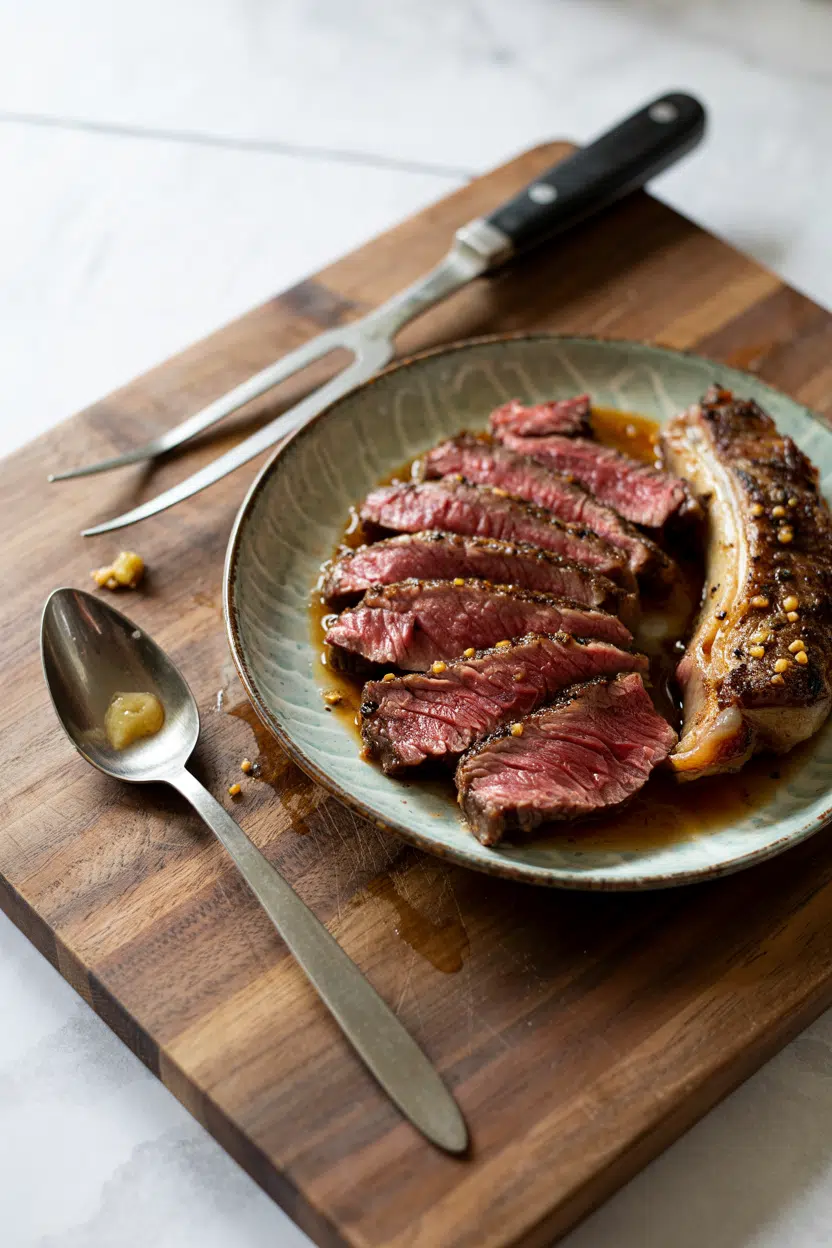
Sirloin delivers a direct, beefy flavor - straightforward umami without the buttery richness that ribeye brings. The lean muscle reads as clean and savory, with a mild background sweetness that comes through most clearly when the steak is cooked to medium-rare.
Searing activates a light, nutty note across the crust that contrasts well with the interior's softer beef flavor. That crust matters: without it, sirloin can taste flat.
Texture changes sharply with doneness. Cook past medium and the lean muscle tightens fast, leaving the steak noticeably chewy - more so than a fattier cut that has marbling to compensate.
Slicing against the grain at serving fixes most remaining chew.
How to Use Sirloin Steak
Top sirloin handles most jobs you'd ask of a steak. It holds up to a hard sear, grills cleanly over direct heat, and slices well for plated meals or cold applications like steak salads. Bottom sirloin, being chewier, does better when cut thin for stir-fries or fajitas, or cubed for kebabs where smaller pieces benefit from marinade penetration.
For side dish ideas, sides for sirloin steak runs through pairings that balance the cut's lean profile, from roasted potatoes to bright slaw.
For a different angle, the same logic that works for sides for skirt steak applies here - bold, acidic accompaniments offset the savory beef cleanly.
| Method | Best For | Tip |
|---|---|---|
| 🔥 Pan-Sear + Oven | Thick top sirloin steaks, steak plates | Sear 2-3 min per side, finish at 400°F to internal temp of 130-135°F |
| 🌡️ Direct Grill | Whole sirloin steaks, asado-style | Season with coarse salt only; grill over high heat, rest 5 minutes |
| 🥢 Thin-Slice Stir-Fry | Bottom sirloin, fajitas, Asian stir-fries | Freeze 20 min before slicing for cleaner, thinner cuts |
| 🧄 Marinate + Broil | Carne asada variants, leaner skirt-style prep | Acid-based marinades (citrus or wine) for 2-4 hours max; longer softens texture |
| 🍢 Cube for Kebabs | Leaner beef kebabs, stews | Cut into 1.5-inch cubes; don't overcrowd the skewer |
Chimichurri is the pairing that earns its place here more than any sauce. Its acidity and herb sharpness cut through the savory fat on the crust and brighten the lean interior. Garlic herb compound butter works differently - it melts into the sear and adds richness the cut lacks on its own.
American barbecues and British pub steak dinners both treat sirloin as a weeknight workhorse. In Mexican cooking, carne asada sometimes uses top sirloin when skirt or flank isn't available, marinated in citrus and grilled fast over wood or charcoal.
How to Buy and Store Sirloin Steak
Look for even thickness -
ideally at least one inch - so the steak cooks at a consistent rate. Top sirloin should show fine-grain muscle with small specks of marbling distributed across the surface; avoid cuts with large white sinew bands or any grayish discoloration, which signals age or poor handling.
Buy vacuum-sealed or butcher-cut within 2-3 days of the sell-by date.
At home, keep it refrigerated at 32-36°F and use within 3-5 days.
For longer storage, wrap tightly in plastic and then foil before freezing - the full guide on keeping sirloin steak fresh breaks down fridge and freezer timelines in detail.
Cooked sirloin holds 3-4 days in the fridge and reheats well sliced cold into salads or sandwiches.
Start Here With Sirloin
Top sirloin, pan-seared to medium-rare, is the clearest entry point. Season with coarse salt and cracked pepper, get the pan very hot, and slice against the grain before serving. That single method shows you what this cut does well.
Once you're confident there, thin-sliced bottom sirloin for fajitas or stir-fries opens up fast, weeknight territory. Understanding the role meat plays in broader cooking decisions can also help you decide when sirloin is the right pick versus a fattier or more tender alternative.
If the cut isn't available, replacements for sirloin steak lists the closest options by cooking method.
Frequently Asked Questions
Top sirloin is moderately tender when cooked to medium-rare and sliced against the grain. It toughens noticeably past medium because the lean muscle has little marbling to compensate. Bottom sirloin is chewier by nature and suits thin-sliced or cubed preparations.
Ribeye has more marbling, a richer flavor, and a softer texture. Top sirloin is leaner, cheaper, and has a cleaner beefy taste - better if you want less fat or are stretching the steak across a dish like a salad or stir-fry.
For a 1-inch top sirloin in a hot cast iron pan, sear 2-3 minutes per side then pull at an internal temp of 130-135°F. Rest 5 minutes before slicing - carryover heat brings it to 135°F.
Yes, but it works best when marinated first and grilled fast over high heat, then sliced thin. Grilling it as a thick whole steak without prep tends to produce a chewy result that top sirloin handles more forgivingly.
Top sirloin is relatively lean with high-quality protein, heme iron, zinc, and B12. It has less saturated fat than ribeye or NY strip, making it a reasonable choice for high-protein diets where total fat intake matters.



