When you need a hands-off weeknight meal that tastes like takeout but cooks faster, shrimp pad thai delivers. One skillet, 25 minutes total, and a sweet-sour-salty sauce that soaks into tender rice noodles while the shrimp stays juicy.
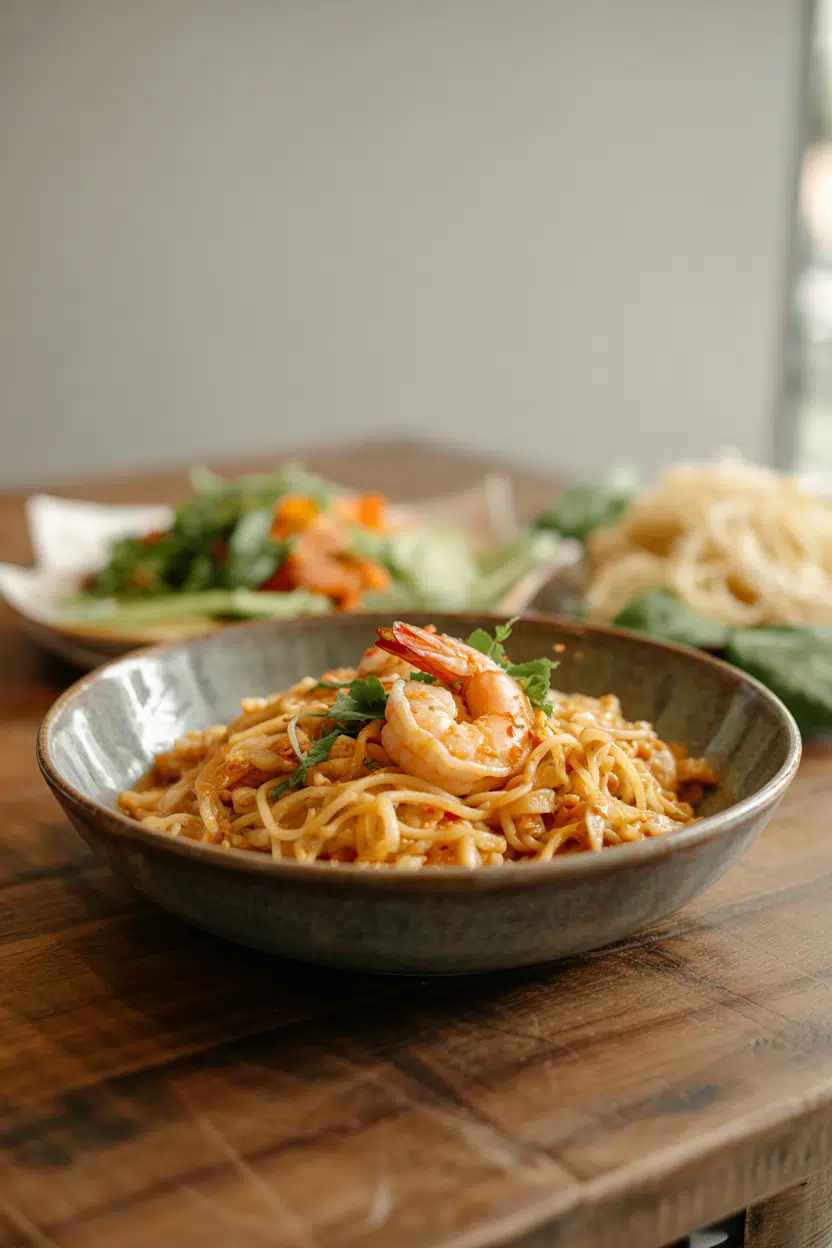
High heat and constant stirring keep everything from sticking. The noodles soften in warm water before they hit the pan, so they just need a quick toss to absorb the tamarind sauce.
This works for meal prep or casual entertaining when you want something that looks impressive but doesn't require restaurant-level knife skills.
Shrimp pad thai combines tender rice noodles, juicy shrimp, and a balanced tamarind sauce in one skillet. Soaking the noodles until pliable-not soft-prevents mushy texture. The key is adding shrimp last so it stays tender, not rubbery.
Why This Recipe Works
The sauce goes on gradually while you stir constantly, so it coats every noodle strand without pooling at the bottom. For a version that comes together quickly, a similar dinner recipe uses coconut milk instead of tamarind for creamier results.
Remember it later
Planning to try this recipe soon? Save it for a quick find later!
Prep Time
15 min
Cook Time
10 min
Total Time
25 min
Servings
4 servings
Difficulty
Medium
Category
Main Dish
Quick Tip
Soak noodles until pliable but firm before cooking
Best For
Weeknight | Meal prep | Casual entertaining
What makes this work:
- Soaking rice noodles 25 minutes in warm water softens them just enough to stay firm during stir-frying
- Medium-high heat with constant stirring prevents sticking and creates light char on the noodles
- Adding shrimp last and cooking 2-3 minutes keeps it opaque and tender, not rubbery
- Balancing tamarind, fish sauce, and brown sugar creates the signature sweet-sour-salty flavor
- Scrambling eggs separately before tossing gives you silky ribbons instead of scrambled bits
What You'll Need
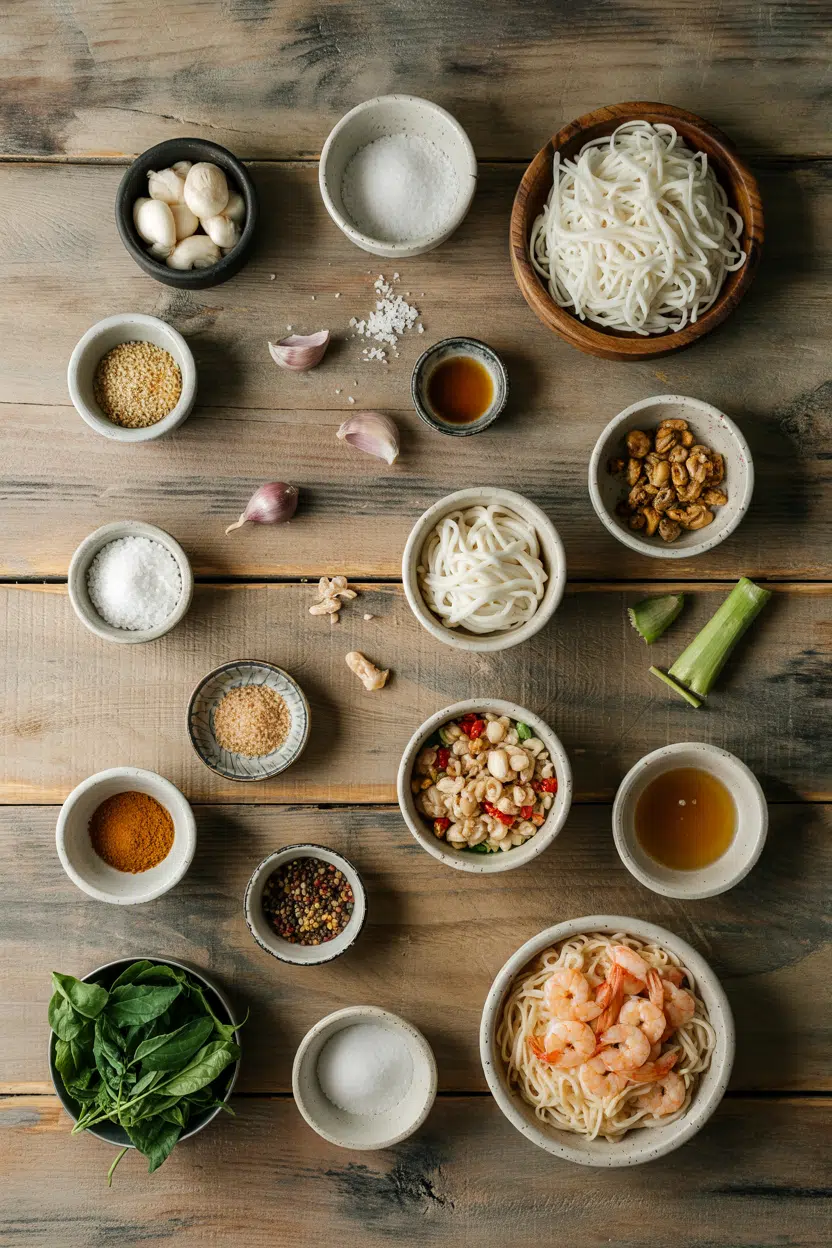
Most ingredients sit in your pantry or fridge already. The shrimp cooks quickly, so you want everything measured before you start heating the pan.
- 1 lb shrimp, peeled and deveined
- 2 eggs
- 8 oz rice noodles
- 3 tablespoon tamarind paste
- 3 tablespoon fish sauce
- 2 tablespoon brown sugar
- 1 cup bean sprouts
- 3 green onions, sliced
- ⅓ cup peanuts, crushed
- 1 lime, cut into wedges
Ingredient Details
- Rice noodles
Soak in warm water 20-30 min until flexible-underdone is better than mushy - Tamarind paste
Provides the signature sour backbone-no substitute tastes quite the same - Fish sauce
Adds umami depth and saltiness-use tamari for gluten-free - Shrimp
Medium-sized works best-cooks evenly in 2-3 minutes without drying out - Brown sugar
Balances the sour and salty-white sugar works but lacks molasses depth - Bean sprouts
Add at the very end to keep them crisp and fresh - Peanuts
Crush roughly-whole ones don't stick to the noodles
Ingredient Swaps
The noodles and tamarind define this dish, but the protein and garnishes flex based on what's in your kitchen. We keep a batch ready for nights like this - simple homemade rolls work as a crunchy side when you need something extra.
Four swaps that work:
- Fish sauce to tamari or soy sauce: Less authentic umami but similar saltiness-use for gluten-free
- Tamarind paste to lime juice plus brown sugar: Less complex sour flavor but faster if you're missing tamarind
- Shrimp to chicken or tofu: Chicken needs 5-6 minutes, tofu takes the same time but less rich
- Peanuts to cashews or omit entirely: Different nut flavor or skip if allergies are a concern
Rice Noodles
Works for: Traditional texture, gluten-free, quick-cooking
Skip if: You want low-carb-use shirataki noodles but expect different chew
Tamarind Paste
Works for: Authentic sour flavor, complex depth
Skip if: You're missing it-combine lime juice with extra brown sugar
Shrimp
Works for: Fast cook time, tender texture, mild flavor
Skip if: Budget's tight-use chicken thighs for richer taste
Instructions
The whole dish cooks in 10 minutes once the noodles are soaked. For a version that comes together quickly, tender thai side dish skips the shrimp and relies on tofu or just vegetables for lighter weeknights.
- Soak the noodles: Place rice noodles in a large bowl and cover with warm water. Let sit 25 minutes until flexible but still firm-they should bend without breaking but not feel mushy.
- Scramble the eggs: Heat 1 tablespoon oil in a wok or large skillet over medium heat. Add beaten eggs and scramble 1-2 minutes until just set. Remove to a plate and set aside.
- Cook the shrimp: Add another 1 tablespoon oil to the same pan over medium-high heat. Add shrimp in a single layer and cook 2-3 minutes, flipping once, until opaque and pink. Remove to the egg plate.
- Stir-fry the noodles: Drain the soaked noodles and add to the hot pan with tamarind paste, fish sauce, and brown sugar. Toss constantly for 2 minutes until the sauce coats the noodles and they soften slightly.
- Finish and serve: Return shrimp and eggs to the pan along with bean sprouts and green onions. Toss 30 seconds to combine. Serve immediately topped with crushed peanuts and lime wedges.
What to Serve With It
A good salad can make or break the plate. Rich mains need something to cut through, and salad does exactly that. For a version that comes together quickly, easy salad side adds cool cucumber crunch that balances the warm noodles.
| Side Dish | Prep | Why It Works | How to Serve |
|---|---|---|---|
| Steamed Broccoli | Easy | Adds fresh vegetable crunch and mild flavor | Steam 4-5 min, serve alongside with lime |
| Cucumber Salad | Easy | Provides cooling acidity to balance warm noodles | Slice thin, dress with rice vinegar |
| Jasmine Rice | Easy | Optional extra carbs for heartier meal | Cook rice separately, serve on the side |
| Thai Spring Rolls | Medium | Complementary appetizer with texture contrast | Serve cold with peanut dipping sauce |
| Papaya Salad | Medium | Adds spicy-sour balance for hosting meals | Shred green papaya, dress with lime-chili |
Three ways to serve it:
- Weeknight: Steamed broccoli on the side and fresh lime wedges for squeezing
- Meal Prep: Portion into containers with cucumber salad packed separately to stay crisp
- Entertaining: Start with Thai spring rolls, finish with mango sticky rice for a full spread
Planning your meal around shrimp means thinking about what complements the sweet-sour-salty profile. More ideas at fresh seafood dinner ideas for when you want a complete plate.
Store and Reheat
Pad thai keeps 3-4 days in the fridge but the texture softens each time you reheat. The noodles absorb liquid as they sit, so they won't taste as firm as fresh. We keep a batch ready for nights like this - creamy sauce side dish works as a dipping option when you reheat leftovers and want extra flavor.
| Method | Time | Best For |
|---|---|---|
| 🍳 Stovetop | 3-5 min | Retains texture best-use medium-low heat with splash of water |
| 🔥 Oven | 10 min at 325°F | Even warming for larger portions but may soften noodles |
| 📦 Microwave | 1-2 min | Quick reheating but risks soggy noodles-use 50% power |
For best results when storing:
- Cool completely before sealing in shallow airtight containers-prevents condensation that makes noodles mushy
- Store garnishes separately like peanuts, bean sprouts, and lime wedges-they stay crisp and fresh
- Add a splash of water when reheating on the stovetop-prevents noodles from drying out or sticking
- Freeze for up to 1 month in portion-sized containers-shrimp texture changes slightly but still tastes solid
- Skip reheating shrimp if possible-cook fresh shrimp and toss with reheated noodles for better texture
Frequently Asked Questions
Cook shrimp 2-3 minutes per side over medium-high heat until opaque and pink. Noodles stir-fry for 2 minutes total once you add the sauce.
Yes, it keeps 3-4 days in the fridge in an airtight container. Store garnishes separately and reheat on the stovetop with a splash of water for best texture.
Steamed broccoli, cucumber salad, or Thai spring rolls work best. The cooling crunch balances the warm, tangy noodles.
Shrimp turns opaque and pink throughout, curling into a loose C-shape. Overcooking makes it rubbery, so pull it off heat as soon as it loses translucency.
Yes, chicken needs 5-6 minutes to cook through, and tofu takes the same time as shrimp. Both work, though tofu has less umami depth than shrimp.
Shrimp Pad Thai
Ingredients
Equipment
Method
- Soak the rice noodles in a large bowl covered with warm water for 25 minutes until they are flexible but still firm to the touch.8 oz rice noodles
- Heat 1 tablespoon oil in a wok or large skillet over medium heat. Add the beaten eggs and scramble them gently for 1-2 minutes until just set. Remove eggs to a plate and set aside.2 eggs
- Add another 1 tablespoon oil to the same pan and heat over medium-high. Add shrimp in a single layer and cook for 2-3 minutes, flipping once, until shrimp are opaque and pink. Remove shrimp to the plate with eggs.1 lb shrimp
- Drain the soaked noodles and add them to the hot pan with tamarind paste, fish sauce, and brown sugar. Toss constantly for about 2 minutes until noodles soften slightly and absorb the sauce.8 oz rice noodles, 3 tbsp tamarind paste, 3 tbsp fish sauce, 2 tbsp brown sugar
- Return the cooked shrimp and scrambled eggs to the pan along with bean sprouts and green onions. Toss everything together for 30 seconds to combine and heat through. Serve immediately topped with crushed peanuts and lime wedges.1 lb shrimp, 2 eggs, 1 cup bean sprouts, 3 green onions, 0.33 cup peanuts, 1 lime
Notes
- Soak rice noodles in warm water until pliable but not mushy to maintain texture.
- Cook shrimp last and briefly to keep it tender and prevent rubberiness.
- Toast peanuts separately for extra crunch and to avoid burning during stir-fry.