
Blistered shishito peppers hit the table at a Japanese izakaya and disappear within minutes - whole pods, charred and salted, eaten stem to tip.

That rapid service from skillet to plate isn't laziness; it's the entire point of this small, thin-skinned pepper that needs almost nothing to shine.
If you've been reaching for alternatives to poblano pepper or hunting down a mild heat option for weeknight cooking, shishito is worth a serious look, and seasoning with jalapeno pepper will feel overcomplicated by comparison.
The shishito pepper is a small Japanese variety with mild smoky sweetness and a thin skin that blisters fast. About one in ten pods packs unexpected heat. Best used whole in a screaming-hot pan with sea salt - done in under five minutes.
What Is shishito pepper?
Shishito pepper is a thin-walled capsicum annuum variety originating in Japan, where it has been cultivated for centuries as a snacking and drinking-food staple.
Remember it later
Planning to try this recipe soon? Save it for a quick find later!
The name comes from the Japanese word shishi (lion) - a nod to the pepper's slightly crinkled, lion-head tip.
Each pod runs 2-4 inches long with a tapered, wrinkled shape and a stem that doubles as a natural handle.
Most pods stay firmly mild, but roughly one in ten carries a sharp jalapeño-level bite - a randomness that makes eating them a minor game.
Shishito sits in the same mild pepper family as the Spanish padron pepper in cooking, and the two are often confused. The key difference: padrón tends to run hotter and has a slightly thicker wall.
- 🌶️ Species - Capsicum annuum, same family as bell and poblano peppers
- 📍 Origin - Japan, now widely grown in the U.S. for restaurant and home markets
- 📏 Size - 2-4 inches, wrinkled and tapered with a thin, blisterable skin
- 🎲 Heat factor - Most pods are mild (100-1,000 Scoville); roughly 10% spike unexpectedly
What Does shishito pepper Taste Like?
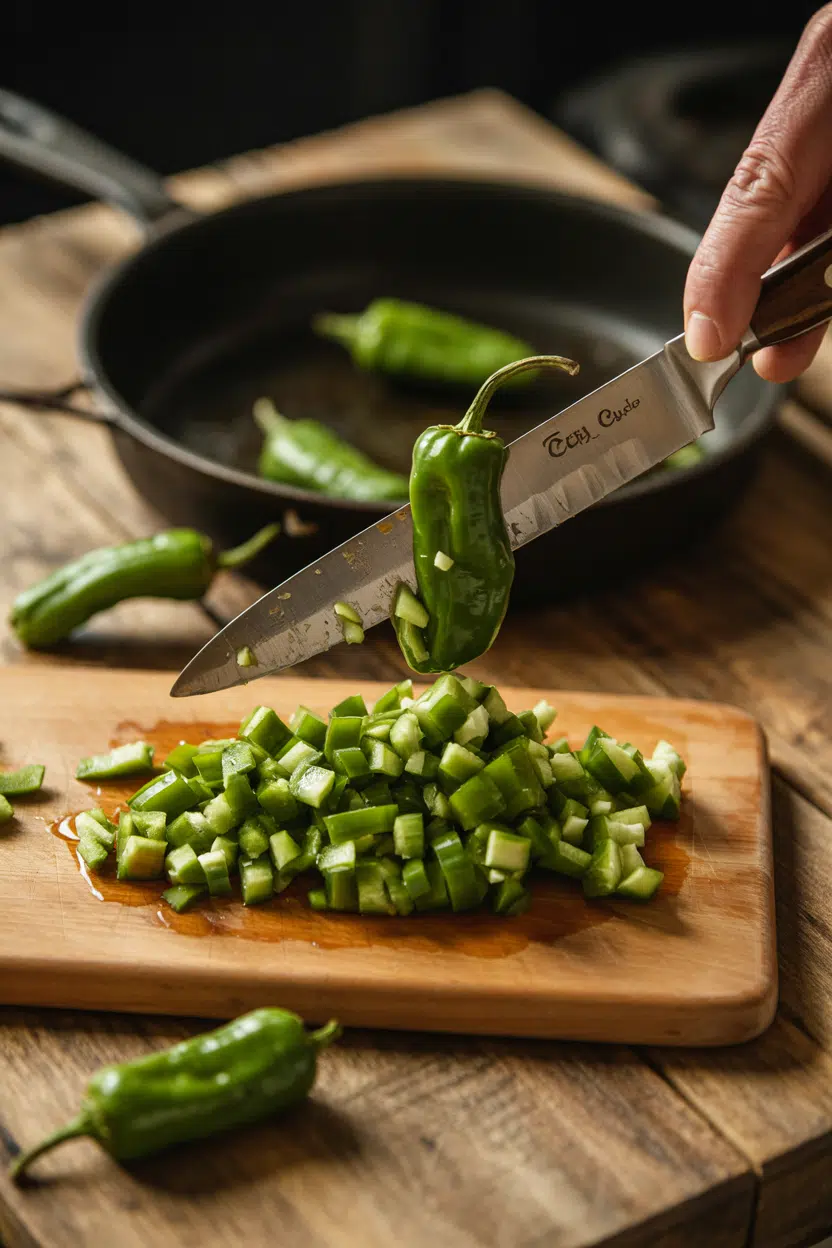
Raw shishito has a bright grassy sweetness - mild, clean, and slightly vegetal, not unlike a young green bell pepper but with more character. The thin skin adds a faint bitterness at the edges.
Heat changes everything. Once blistered, the pepper softens and turns smoky-sweet, with caramelized char notes that mellow the grassiness considerably.
Think mild poblano crossed with a charred green bell, occasionally interrupted by one hot pod that tastes closer to a fresh jalapeño.
How to Use shishito pepper
Pan-blistering is the standard move. Get a cast-iron skillet or heavy pan screaming hot, add a small amount of oil, and drop in whole dry pods - no cutting needed. They blister and char in three to four minutes. A note on your equipment choice: comparing comal vs cast iron skillet options is worthwhile here, since both surfaces handle high-heat blistering well.
Finish with sea salt or smoked salt and eat immediately. That's it.
That's the recipe most chefs go back to.
Beyond the skillet, shishito works across several preparations worth knowing:
| Method | Best For | Tip |
|---|---|---|
| 🥗 Raw | Salads, bento slicing, mild pepper note in grain bowls | Slice thin - thick cuts are chewy and bitter raw |
| 🍳 Pan-Blistered | Izakaya-style snack, appetizer, side dish | Dry pods completely - water causes splattering |
| 🔥 Grilled Whole | Skewer appetizer, summer cookouts | Leave stem on as a handle; char over direct heat 2-3 min |
| 🥒 Quick Pickled | Bento boxes, condiment, grain bowl topping | Rice vinegar, pinch of sugar, 30 min minimum |
| 🥘 Sautéed | Stir-fries, omelets, frittatas | Add near the end - long heat destroys the thin skin |
Shishito belongs to Japanese and modern American kitchens equally.
It pairs naturally with soy sauce, sesame oil, and yuzu - the classic Japanese trio - but also handles gochujang well for a Korean-fusion contrast.
If sesame oil isn't available, replacements for sesame oil can keep a similar nutty undertone in the dish.
Avoid long braises or heavy dairy sauces - both bury the pepper's bright green character.
How to Buy and Store shishito pepper
At the market, reach for pods that are glossy, bright green, and firm with no give under your fingers. A slightly reddish pod just means it has ripened further - still fine, slightly sweeter.
Skip anything with shriveled stems, dark blemishes, or skin that feels papery.
Store unwashed pods in a perforated plastic bag or open produce container in the crisper drawer. For a full breakdown of timelines and conditions, keeping shishito pepper fresh covers the specifics in detail.
- 🗓️ Raw, refrigerated - 5-10 days in the crisper drawer
- 🍳 Cooked/blistered - 3-4 days in an airtight container
- 🚫 Freezing - Not recommended for whole pods; texture collapses completely after thawing
Start With the Blister
If you've never cooked shishito before, skip the complicated preparations and start with a hot cast iron and sea salt. That one technique shows you exactly what this pepper does.
Understanding the role poblano pepper plays in mild-pepper cooking helps frame where shishito fits - it's less earthy, faster to cook, and lower commitment for a weeknight side.
Once you've nailed the blister, the soy-sesame finish and quick-pickle variations follow naturally.
Frequently Asked Questions
Most are not. About nine out of ten pods rate between 100-1,000 Scoville units - milder than a banana pepper. Roughly one in ten delivers a jalapeño-level bite with no visual warning.
Raw shishito tastes grassy, mildly sweet, and slightly bitter at the skin - similar to a young green bell pepper with more edge. The flavor mellows and turns smoky once heat is applied.
Both are small blistering peppers with a similar roulette-heat pattern, but padrón originates in Spain and has a thicker wall and earthier flavor. Shishito is thinner-skinned, sweeter, and blisters faster.
Not successfully for whole pods. The thin skin turns mushy after freezing and thawing, making blistering impossible. Freeze only if you plan to blend or purée them later.
Look for dark char spots on at least two sides and a visibly softened, slightly collapsed skin. The whole process takes three to five minutes in a properly preheated pan over high heat.



