
You spot a small tub of schmaltz at a Jewish deli counter, nestled between jars of pickled herring and rye bread - pale, waxy, and almost unassuming.
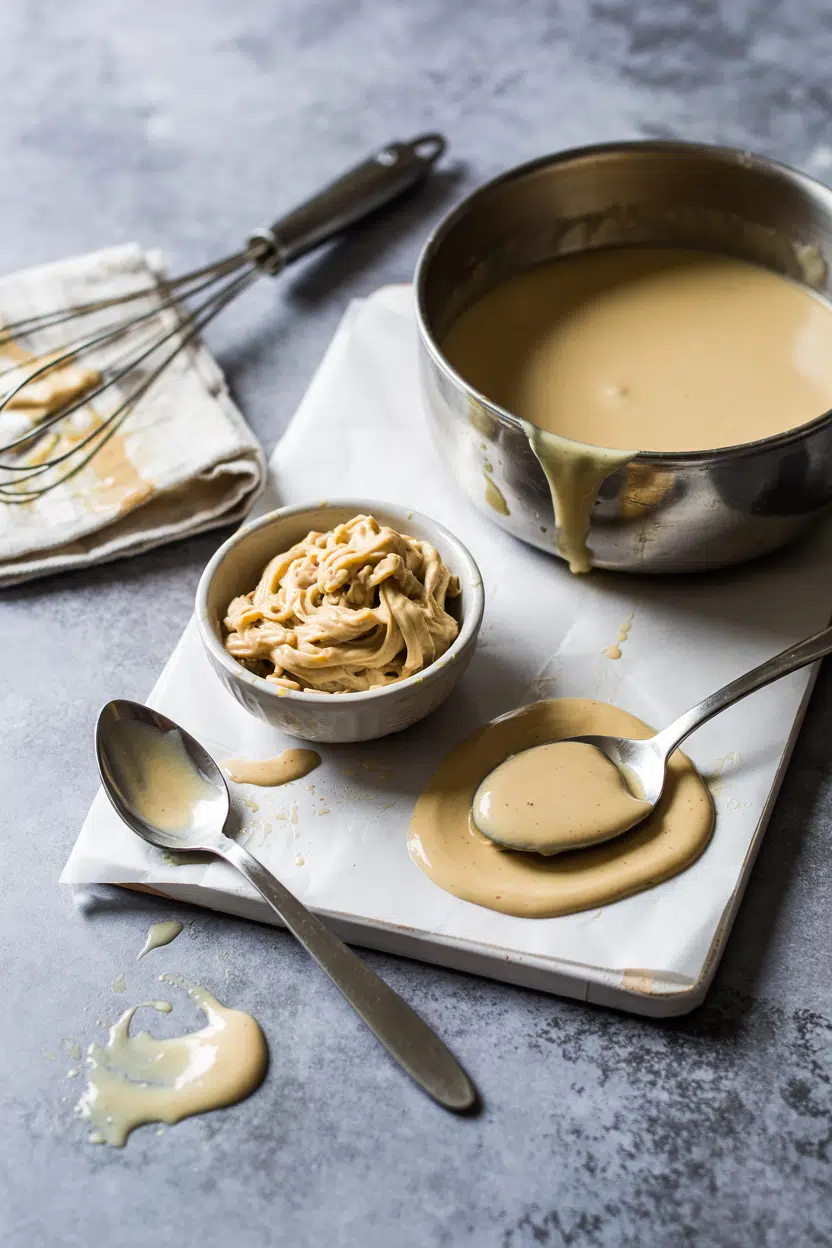
It's the kind of fat that once did the job of swapping out butter or swapping out beef tallow in Ashkenazi kitchens across Eastern Europe, and it's worth understanding why cooks are still reaching for it today.
Schmaltz is rendered chicken or goose fat with a moderate, savory flavor and a silky texture when melted. It's a foundational fat in Ashkenazi cooking, best used for sautéing, frying, and enriching soups. Refrigerated shelf life is 3-4 weeks; frozen, up to a year.
What Is Schmaltz?
Schmaltz is rendered poultry fat, produced by slowly melting down the fatty skin of chicken or, less commonly, goose over low heat until the fat separates and clarifies.
Remember it later
Planning to try this recipe soon? Save it for a quick find later!
The term comes from Yiddish, rooted in the German word Schmalz, meaning melted fat or lard.
It's been a staple of Ashkenazi Jewish cooking since at least the medieval period in Eastern Europe, where butter couldn't be used in meat-based kosher meals and lard was off the table entirely.
Chicken schmaltz is the most widely available variety today. Goose schmaltz carries a slightly richer, gamier character, though it's harder to source outside specialty markets.
A notable byproduct of rendering is gribenes - the crispy, golden chicken skin crackling left behind after the fat is strained. Think of it as the poultry world's answer to pork crackling.
- 🐔 Chicken schmaltz - the standard, mild and widely available
- 🪿 Goose schmaltz - richer and slightly gamier, used in traditional Eastern European recipes
- ✨ Gribenes - crispy rendered skin crackling, a valued byproduct of the process
Because it's pure rendered fat, schmaltz shares a category with goose fat and duck fat, though its flavor profile is distinctly more approachable.
For context on latkes's shelf life and how schmaltz plays into that dish's texture, the two are closely linked.
What Does Schmaltz Taste Like?
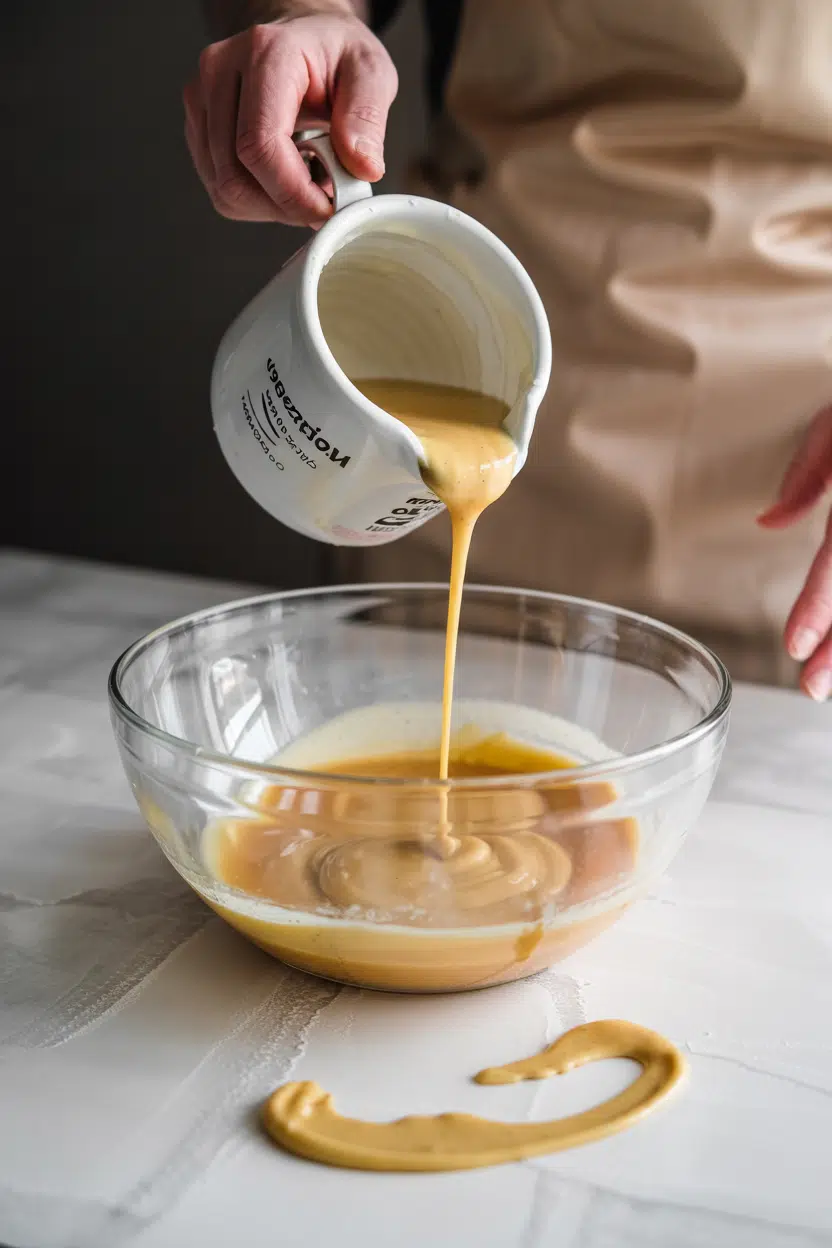
Schmaltz has a moderate, rounded savoriness - not sharp or aggressive, but deeply savory in a way that reads as background warmth rather than front-of-palate punch.
The closest comparison is light bacon fat or unsalted clarified butter, but with a clearer roasted-chicken note underneath.
At room temperature, schmaltz is pale and waxy - solid but soft enough to spread.
Once melted, it turns completely clear and silky, coating pans evenly.
Heat intensifies its toasty aroma noticeably.
Used raw or at low heat, it contributes a gentle, savory richness; at higher temperatures, it develops a fuller roasted quality that does a lot of work in a dish like chopped liver.
How to Use Schmaltz
Schmaltz performs best as a cooking fat and a quiet flavor base, not as a loud seasoning. Its moderate intensity means it enriches without overpowering, which is why it works across a wider range of dishes than people expect.
In Ashkenazi cooking, the entry point is almost always sautéed onions.
Cooking onions low and slow in schmaltz is the foundation of chopped liver and a dozen other preparations.
The fat pulls sweetness from the onion while adding its own savory depth.
From there, it moves naturally into soups - stirring a spoonful into matzo ball broth or chicken stock off the heat adds body and a glossy finish without muddying the flavor.
| Method | Best For | Tip |
|---|---|---|
| 🍳 Sautéing | Onions, vegetables, chopped liver base | Use medium-low heat to avoid burning the fat |
| 🔥 Pan-frying | Latkes, potatoes, pan-fried dumplings | Schmaltz's smoke point handles frying well; watch for steam |
| 🥣 Finishing | Soups, stocks, cooked grains | Stir in off-heat to preserve aroma and avoid breakdown |
| 🍞 Spreading | Rye bread, matzo, as a butter alternative | Use softened at room temperature, seasoned with salt |
| 🍗 Basting | Roasted poultry, root vegetables before roasting | Brush on before the oven for sheen and a golden crust |
Schmaltz pairs naturally with onions, scallions, potatoes, cabbage, and root vegetables - ingredients that share its Eastern European roots. Fresh herbs like parsley and dill cut through the fat cleanly.
Egg-based dishes, particularly those in the matzo and dumpling family, benefit from schmaltz mixed directly into the binding mixture.
Avoid using schmaltz with delicate floral seafood - its poultry character competes rather than complements.
Strongly spiced Southeast Asian curries are similarly a mismatch.
If you need a neutral swap, the guide on alternatives to schmaltz covers the main options across cooking contexts.
Duck fat is a close substitute in non-kosher kitchens, though understanding swapping out duck fat helps clarify where the two diverge.
How to Buy and Store Schmaltz
Good schmaltz should look pale and opaque when cold - nearly white to light gold. A faint roasted poultry aroma is correct; anything sour, sharp, or metallic signals oxidation or spoilage.
Buy from reputable delis or specialty stores, or render it at home from fatty chicken skin trimmings saved over several weeks.
Storage is straightforward, but fat absorbs odors easily, so an airtight container is non-negotiable. The full breakdown on storing schmaltz correctly covers fridge versus freezer timelines in detail.
- 🧊 Refrigerator - keeps 3-4 weeks in a sealed container away from strong-smelling foods
- 🧊 Freezer - portion into ice-cube trays first; frozen schmaltz holds 6-12 months when well-wrapped
- 🚫 Counter storage - not recommended; rendered fat spoils faster at room temperature
Start Here If You're New to Schmaltz
If you've never cooked with schmaltz before, sautéed onions are the lowest-stakes entry point. Melt a tablespoon in a pan over medium-low heat, add sliced onions, and cook slowly - the result makes the case better than any description can.
From there, frying potatoes is the natural second step. Schmaltz gives latkes and roasted potatoes a crust and depth that neutral oils don't match.
Once you're comfortable with those two uses, the rest of its applications follow naturally.
Frequently Asked Questions
No. Lard is rendered pork fat; schmaltz is rendered chicken or goose fat. Both are clarified animal fats used similarly as cooking fats, however their flavors are distinct - schmaltz has a roasted-chicken note while lard is more neutral and slightly pork-forward.
Cut chicken skin and fat into small pieces, then cook over low heat with a splash of water until the fat renders out and the skin crisps into gribenes. Strain through a fine sieve, cool, and refrigerate - the whole process takes 30-45 minutes.
Duck fat or goose fat are the closest matches in flavor and fat composition. For kosher-neutral swaps, refined coconut oil or a neutral vegetable oil with a few drops of sesame oil can approximate the richness, though not the poultry note.
Chicken schmaltz can be kosher, provided the source chicken was slaughtered and processed according to kosher law and the fat was rendered under kosher supervision. Always check for a kosher certification on packaged schmaltz if that matters for your kitchen.
Yes. Refrigerated schmaltz lasts 3-4 weeks; beyond that, it can turn rancid. A sour or metallic smell is the clearest sign it's gone off - discard it rather than cooking with it.



