
Steamed clams arrive at the table in a shallow pool of broth - ginger, scallion, and something else that makes the liquid taste cleaner and more complete than you'd expect. That something is sake, the Japanese fermented rice beverage that quietly does more work in a kitchen than most cooks realize.

Whether you're reaching for a bottle to drink alongside dinner or splashing it into a deglazing pan, understanding what sake is and how it behaves changes how you cook with it.
Sake is a Japanese fermented rice beverage with umami-driven sweetness, a clean mineral finish, and moderate alcohol. It deglazes, marinates, steams, and simmers. Opened bottles last 1-4 weeks refrigerated; aroma-forward styles fade fastest.
What Is Sake?
Sake - also called nihonshu in Japan, or sometimes seishu - is a fermented beverage produced from polished rice, clean water, koji mold, and yeast.
Remember it later
Planning to try this recipe soon? Save it for a quick find later!
It originated in Japan and has been brewed there for over a thousand years, making it one of the oldest and most refined fermented beverages in the world.
The production method sets sake apart from both wine and beer. Koji mold converts rice starches into sugars simultaneously as yeast ferments those sugars into alcohol - a process called multiple parallel fermentation, which is unique to sake.
The result is a clear to pale amber liquid with 12-16% ABV for most table styles.
Label classifications tell you a lot before you taste. Here's how the major styles break down:
- Junmai - Pure rice sake with no added distilled alcohol; fuller body, more savory umami character.
- Ginjo - Made with rice polished to at least 60%; lighter, fruitier, more aromatic than junmai.
- Daiginjo - Highly polished rice (50% or less remaining); the most delicate and floral style.
- Honjozo - A small addition of distilled alcohol; lighter texture, clean and dry finish.
The seimaibuai number on the label indicates the rice-polishing ratio - lower percentages mean more of the outer grain is milled away, producing cleaner, more aromatic sake.
What Does Sake Taste Like?
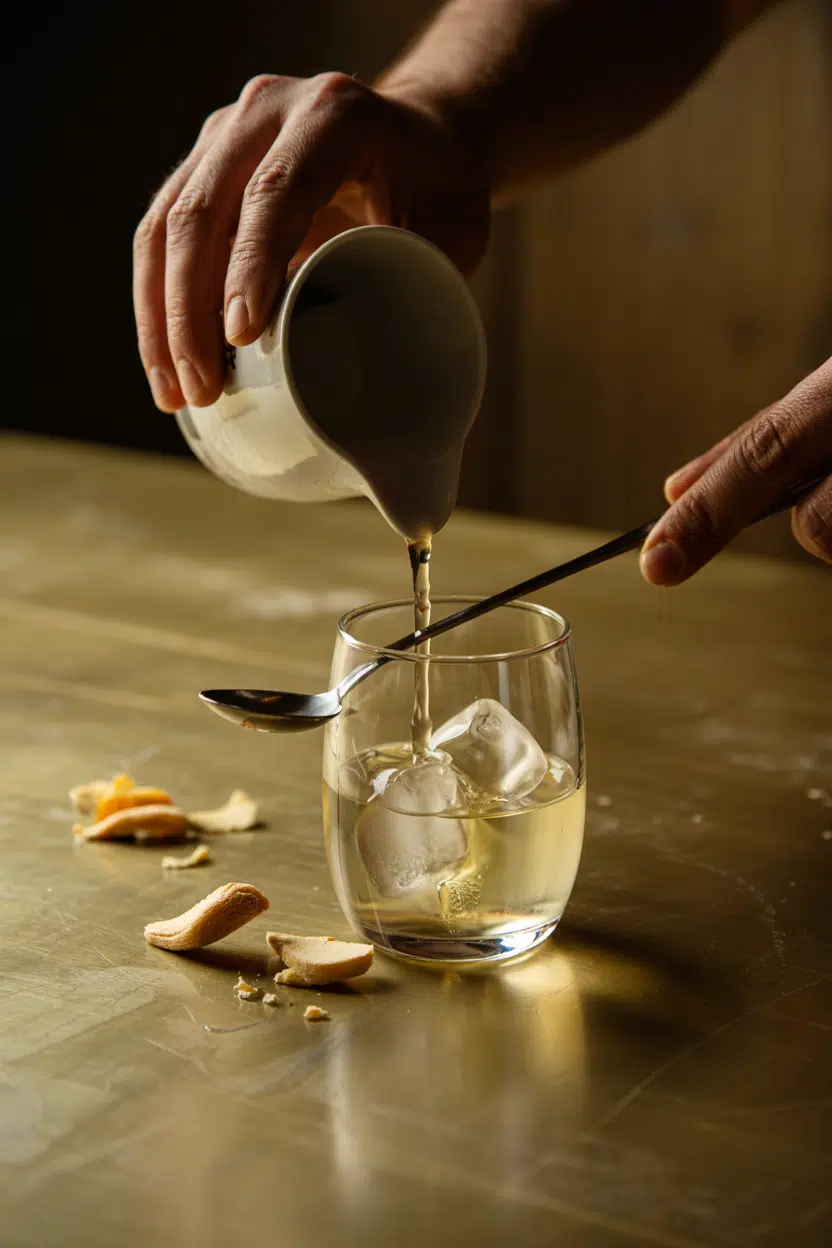
Sake reads closest to a dry white wine, but the comparison only goes so far. The sweetness comes from rice, not fruit, and it carries more amino acid-driven umami than nearly any wine will.
That savory undercurrent is what makes sake genuinely useful in cooking - it doesn't just add liquid, it adds depth.
Ginjo and daiginjo styles open with noticeable fruit - pear, apple, melon - and a clean floral note. Junmai styles are earthier, drier, and more savory.
Heat drives off the fruity esters quickly, so the difference between styles matters less once sake hits a hot pan. What survives is the umami backbone and subtle sweetness, which is exactly what you want in a braise or sauce.
How to Use Sake
Sake earns its place in a Western kitchen through a handful of high-impact techniques. Deglazing is the fastest entry point - add a splash to a hot pan after searing chicken thighs or shrimp and watch the browned fond lift into a bright, slightly sweet sauce base.
The alcohol carries aromatics across fat in a way that water simply won't.
| Method | Best For | Tip |
|---|---|---|
| 🥢 Marinade | Fish, chicken, pork before grilling or searing | Keep soaks short - 15-30 min for fish, up to 2 hours for chicken |
| 🔥 Deglazing | Pan sauces for seafood, poultry, mushrooms | Add off direct heat first, then return to flame to reduce |
| ♨️ Steaming | Clams, mussels, whole fish, dumplings | Combine with ginger and scallion; the steam carries aroma into the protein |
| 🍲 Simmering | Nimono braises, ramen broth, stew bases | Add early so alcohol cooks off before soy sauce and sugar go in |
| 🌾 Batter | Tempura, light fry batters | A small amount tenderizes and adds subtle flavor without heaviness |
Beyond Japanese cooking, sake works wherever a recipe calls for dry white wine in a savory context. It substitutes well in risotto-style rice dishes and pairs cleanly with European flavor profiles - mushrooms, soft herbs, cream.
If you're out of sake entirely, a dry vermouth or dry sherry covers most cooking applications; see our guide to sake alternatives for more options.
Pairing logic follows umami: sake amplifies ingredients that share its savory register. Soy sauce and mirin in a braise, kombu in a broth, salmon or mackerel on a grill - these all reinforce sake's natural character. Avoid pairing it with aggressively bitter greens or long-aged blue cheeses, where its subtle sweetness gets buried.
How to Buy and Store Sake
At the bottle shop, start with the label. Junmai gives you the most forgiving all-purpose cooking and drinking style. For something more aromatic to serve chilled, look for ginjo.
The seimaibuai number - the rice-polishing ratio - confirms what the label says: 60% or below means a cleaner, lighter drink.
Check alcohol by volume on the label - most table sake runs 12-16% ABV. Store unopened bottles upright in a cool, dark place away from direct light.
Once opened, move it to the refrigerator. Aroma-forward ginjo and daiginjo styles are particularly sensitive; drink or cook with them within one to two weeks.
Fuller junmai styles hold for up to four weeks refrigerated. For a full breakdown of how long different styles keep, see our notes on sake storage guide.
Where to Start With Sake
New to cooking with sake? Open with a junmai from a mid-price range - around $15-25 - and use it to steam clams or deglaze a chicken pan sauce.
That application shows you exactly what sake contributes without requiring any special equipment or technique.
If you drink sake alongside food, start chilled ginjo with seafood or poached fruit. Once you've tasted the difference between a fruity ginjo and a savory junmai, buying decisions get much easier.
Sake rewards attention, but it doesn't demand it - even a modest bottle makes a measurable difference in the pan.
Frequently Asked Questions
Neither category fits perfectly. Sake is brewed from grain like beer, but its alcohol content and clear appearance are closer to wine. Most regulatory bodies classify it with wine for taxation and labeling purposes.
Subtly, yes - there's a mild steamed-rice quality in the background, especially in junmai styles. The dominant notes are more often fruity esters and umami-driven sweetness than straightforward rice flavor.
Sake typically runs 12-16% ABV, which overlaps with most table wines. Some undiluted genshu styles reach 18-20%, noticeably stronger than standard wine.
Yes - and it produces better results than cooking sake (ryorishu) in most cases. Drinking sake has no added salt, giving you full control over seasoning in the finished dish.
Junmai means "pure rice" in Japanese. It indicates that the sake was made with only rice, water, koji, and yeast - no added distilled alcohol. Junmai styles tend to be fuller-bodied and more savory than other classifications.



