
Red snapper fills a role in the kitchen that few other fish can match: firm enough to grill whole, mild enough to absorb almost any seasoning, and fresh-tasting enough to stand alone with little more than olive oil and salt.

Cooks who want something more assertive than tilapia but lighter than salmon often land here, and the fish earns that trust - whether replacements for sea bass or alternatives to halibut come up in conversation, red snapper is usually the answer hiding in plain sight.
Red snapper is a firm, mildly sweet saltwater fish with clean oceanic flavor and low fishiness. It suits grilling, pan-searing, baking, and light curing. Fresh fillets last 1-2 days in the fridge; frozen up to 6 months.
What Is Red Snapper?
Red snapper (Lutjanus campechanus) is a saltwater white fish native to the western Atlantic and Gulf of Mexico, where it lives in reef and rocky-bottom habitats down to several hundred feet.
Remember it later
Planning to try this recipe soon? Save it for a quick find later!
Its name comes from its distinctive pink-to-red skin, bright reddish eyes, and sharp canine teeth - features that make it one of the most recognizable fish at the market counter.
A few details worth knowing before you buy:
- Scientific name - Lutjanus campechanus; true red snapper is often mislabeled in markets, where other snapper species get sold under the same name.
- Flesh - white to pinkish-white before cooking, turning opaque white once heat is applied.
- Size - adults typically run 1-8 lbs in markets; larger fish yield thicker fillets with more even texture.
- Relatives - Indo-Pacific snappers (vermilion, yellowtail) share the family but differ slightly in flavor and fat content.
- Also called - sea snapper or simply snapper; "redfish" is misleading and refers to a separate species (red drum).
For a broader look at fish's flavor and uses across species, it helps to understand where snapper sits on the spectrum - closer to mild and clean than to rich and oily.
What Does Red Snapper Taste Like?
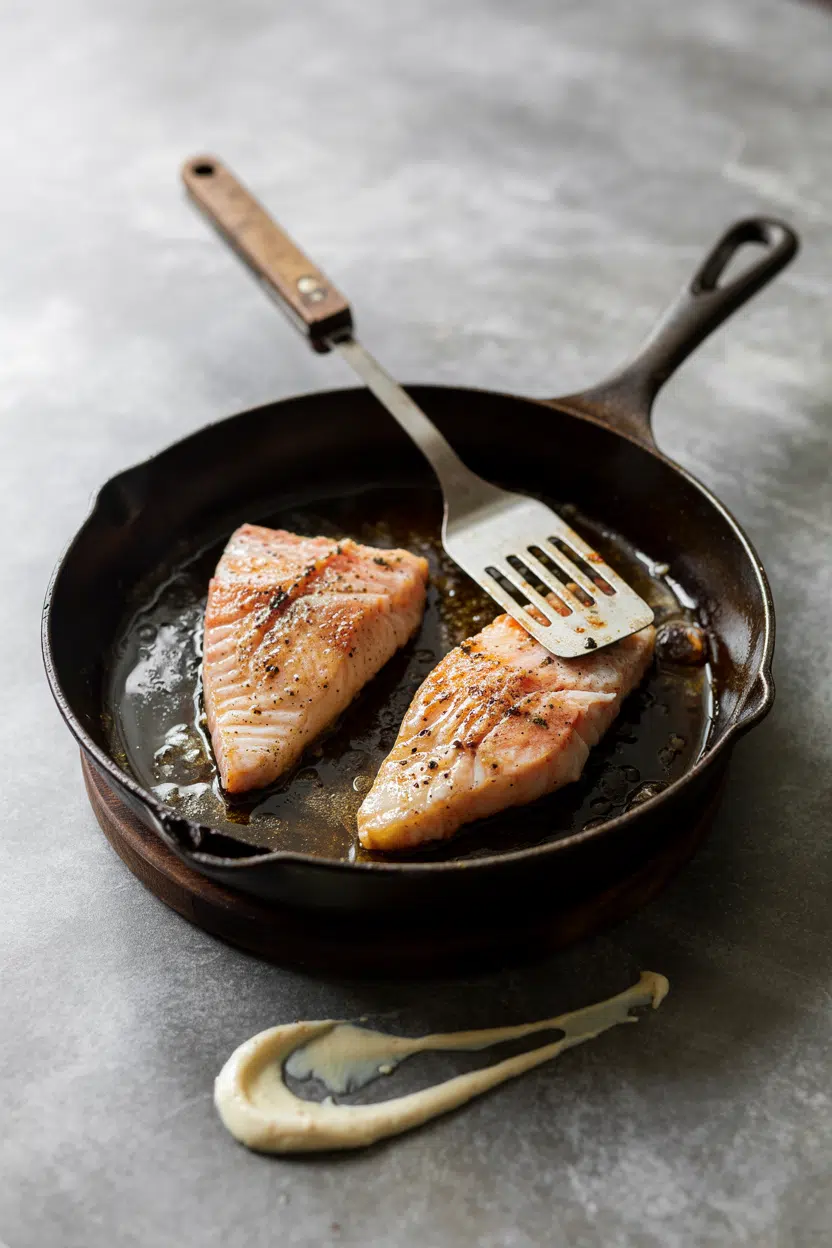
Red snapper has a mild, slightly sweet flavor with a clean oceanic quality that doesn't veer into the aggressively fishy territory that puts some people off white fish.
There's a subtle nuttiness - noticeable especially in pan-seared fillets where the skin browns and crisps - that sets it apart from blander options like tilapia (those looking to step up from tilapia will find swapping out tilapia a useful reference point).
Heat affects the flavor noticeably. Raw snapper in ceviche reads briny and delicate, while grilled or roasted snapper develops a slightly richer, more savory edge as the proteins caramelize.
Compared to sea bass, snapper is slightly milder and sweeter. Against halibut, it's less neutral - that faint brininess and nuttiness make it more characterful without being bold.
How to Use Red Snapper
Red snapper's firm texture and mild sweetness make it one of the more adaptable white fish in the kitchen.
It holds together on a grill grate, stays moist in the oven, and cures cleanly for ceviche - a range that few similarly mild fish match.
| Method | Best For | Tip |
|---|---|---|
| 🥗 Ceviche | Light appetizers, raw preparations | Use firm fillets; short cure of 10-15 minutes keeps texture intact |
| 🔥 Grilling | Whole fish, skin-on fillets | Oil skin well and grill over high heat to prevent sticking |
| 🍳 Pan-searing | Fillets with crispy skin | Pat skin dry, press fillet flat for first 30 seconds |
| 🫙 Baking | Snapper al forno, en papillote | Tomatoes, olives, and capers complement without overpowering |
| 🥣 Soups/Stews | Bouillabaisse-style dishes | Add in the final 5-7 minutes - flesh dissolves with prolonged heat |
Gulf Coast and Caribbean cooks often roast or fry snapper whole, leaning on scotch bonnet, allspice, and lime to season the flesh through slashed cuts. Mediterranean preparations tend toward baking fillets with tomatoes, capers, and olive oil - snapper al forno is a reliable weeknight dish that takes under 30 minutes.
For pairings, bright acidic elements like lemon or lime balance the fish's natural sweetness, while light herb sauces - gremolata, chimichurri - add freshness without masking flavor.
A full guide to what pairs with red snapper covers side dishes and sauces in more depth. Avoid heavy braises or cream-dominant sauces - they compete with, rather than complement, the delicate flesh.
How to Buy and Store Red Snapper
Fresh red snapper at its best has bright, vivid red-pink skin, clear and bulging eyes, and flesh that springs back immediately when pressed. Fillets should look glossy and moist with no brown edges or dried-out surface.
A strong ammonia smell or dull, faded coloring means pass - genuinely fresh snapper smells clean and barely oceanic.
Storage is straightforward, however it requires attention to temperature:
- 🧊 Refrigerator - Store on ice or at 32-38°F (0-3°C); use fillets and whole fish within 1-2 days.
- ❄️ Freezer - Wrap tightly in plastic then foil or vacuum-seal; quality holds for 3-6 months.
- 🐟 After cooking - Cooked snapper keeps 3-4 days refrigerated in an airtight container.
A detailed breakdown of keeping red snapper fresh covers ice-packing methods and freeze-thaw guidance. For handling other species alongside it, storing fish correctly applies the same principles across the board.
Where to Start with Red Snapper
If you're new to the fish, a pan-seared skin-on fillet with brown butter and lemon is the fastest way to understand what makes it worth buying - the skin crisps, the flesh stays moist, and the flavor doesn't need help.
From there, a whole roasted snapper with herbs and olive oil shows the fish at its most impressive.
If red snapper isn't available or is outside the budget, red snapper swaps that work lays out the closest options by texture and flavor.
The fish rewards simple treatment and penalizes overcooking - keep that in mind, and it rarely disappoints.
Frequently Asked Questions
Yes - it's widely regarded as one of the cleaner-tasting white fish available. Mild sweetness and firm texture make it approachable for people who don't typically enjoy seafood. Its low fat content also makes it easy to digest.
It has moderate mercury levels - higher than salmon or tilapia, but lower than swordfish or king mackerel. The FDA advises pregnant people and young children to limit servings to 1 per week.
Yes. Fillets contain pin bones running along the centerline, which a fishmonger can remove or you can pull with tweezers before cooking. Whole fish have a full bone structure, but the flesh lifts cleanly off once cooked.
Look for clear, bulging eyes, firm flesh that springs back when pressed, and a clean oceanic smell - not ammonia or strong fishiness. Dull skin color and sunken eyes are reliable signs of age.
Yes, and it's worth eating when properly cooked. Pan-searing or grilling skin-side down renders the fat and crisps the surface into a thin, slightly savory layer. Scale the skin thoroughly before cooking if buying whole.



