Red food coloring gives cakes, frostings, and beverages their signature bright hue. Natural alternatives can match that color while keeping your ingredient list clean.
Most swaps work best when you understand whether your dish is baked, chilled, or served raw. Heat affects natural pigments differently than synthetic dyes, so the right choice depends on your cooking method.
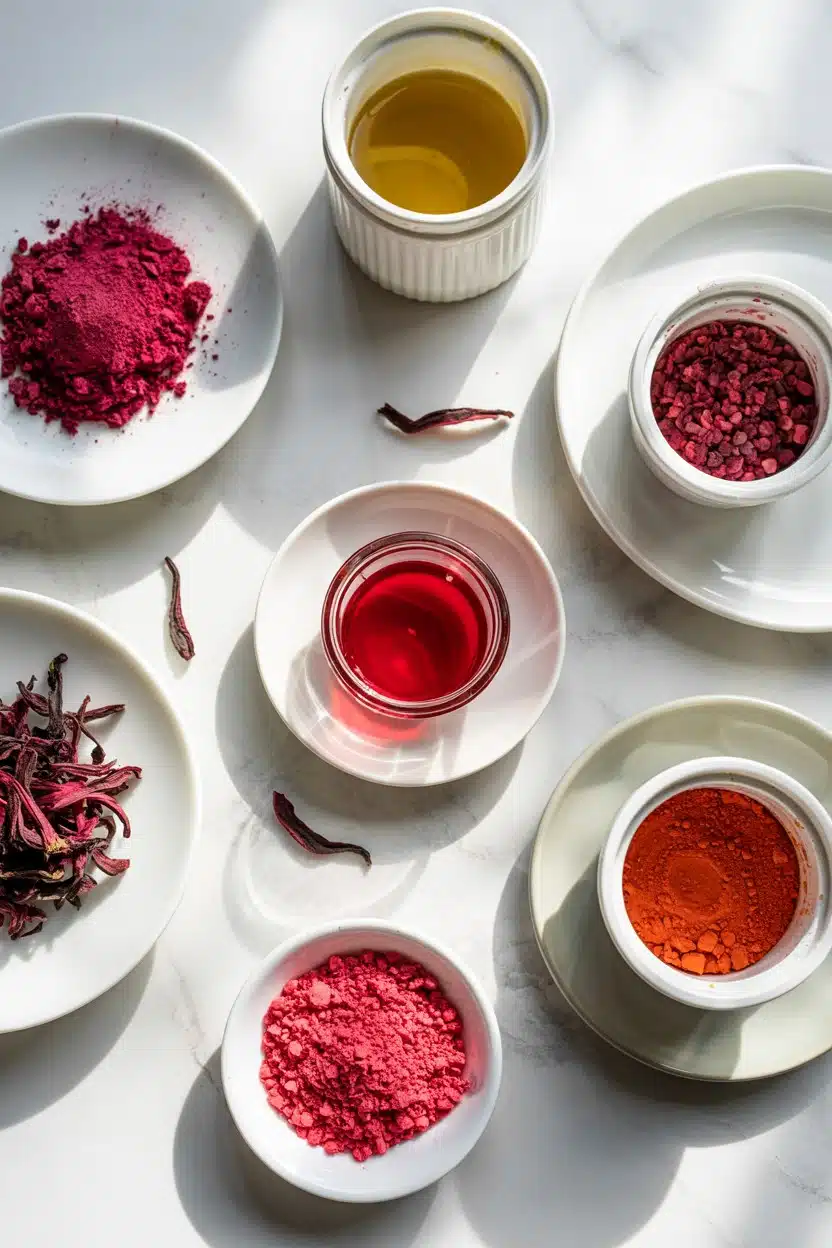
We tested five natural sources that bring red color to your recipes. Some add mild flavor, others stay completely neutral, and a few require adjustments to your ratio or technique.
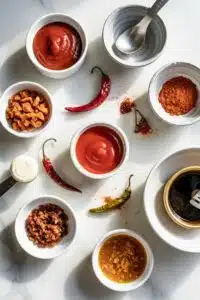
Beet juice concentrate delivers the brightest red without strong flavor. Pomegranate juice works for cold dishes but fades with heat. Raspberry powder adds color and texture to dry mixes, while tomato paste and paprika suit savory cooking only.
| # | Substitute | Best For | Ratio | Key Note |
|---|---|---|---|---|
| 1 | Beet Juice Concentrate | 🥧 Baking | 1 tablespoon : 1 tsp | Slight earthy note |
| 2 | Pomegranate Juice Reduction | 🥗 Raw | 1 tablespoon : 1 tsp | Fades with heat |
| 3 | Red Raspberry Powder | ✨ Both | 1:1 by volume | Adds grainy texture |
| 4 | Tomato Paste | 🍳 Cooking | 1 tablespoon : 1 tsp | Strong tomato flavor |
| 5 | Paprika or Red Chili Powder | 🍳 Cooking | Start ¼ tsp | Spicy or smoky |
These substitutes are ranked by how well they mimic Red Food Coloring.
1. Beet Juice Concentrate
Beet juice concentrate is the closest natural match for red food coloring in most recipes. It stays vibrant through baking and brings minimal flavor when used in small amounts.
Remember it later
Planning to try this recipe soon? Save it for a quick find later!
The pigment holds up to heat better than other natural sources. You get a deep red without the artificial ingredients.
Use 1 tablespoon beet juice concentrate per 1 teaspoon red food coloring.
Key advantages:
- Heat-stable color that survives baking
- Neutral flavor in small amounts
- Works in both sweet and savory dishes
- Easy to measure and mix
The mild earthy sweetness disappears in chocolate cakes, red velvet batters, and cream cheese frosting. Color may darken slightly as it bakes, so test a small batch first if you need a precise shade.
Results vary by dish. A tested Beet replacements list helps when you need that earthy sweetness in other recipes too.
Pomegranate Juice Reduction (Cold Dishes)
Pomegranate juice reduction works when your recipe stays cold. Reduce fresh pomegranate juice on the stovetop until it thickens and darkens, then cool it before adding to your dish.
The color fades with heat, so save this swap for beverages, smoothies, and no-bake desserts. It brings a mild tangy note that complements fruity flavors without overwhelming them.
Use 1 tablespoon concentrated pomegranate juice per 1 teaspoon red food coloring. Mix it into Greek yogurt parfaits, chia puddings, or cocktails where bright color matters and heat isn't part of the process.
The swap depends on what Pomegranate does in your recipe. Match the function first with easy Pomegranate swaps that work across different dishes.
Pomegranate Juice Reduction
Works for: Cold desserts, beverages, smoothie bowls, and uncooked frostings
Skip if: You're baking, simmering sauces, or need color that won't fade
Red Raspberry Powder - Dry Mix Option
Red raspberry powder delivers natural red pigment in a dry form that blends into icings, smoothie mixes, and protein powders. It adds sweet berry flavor that enhances fruity recipes without turning them liquid.
The color is more muted than synthetic dyes. Expect a soft pink-to-red shade rather than a bright cherry hue.
Use a 1:1 ratio by volume for red food coloring. Sift the powder before adding it to prevent clumps in your batter or frosting.
When it works:
- Dry mixes that need color without liquid
- Smoothies and shakes where berry flavor fits
- Buttercream or cream cheese frosting
The grainy texture shows in thin glazes or liquid recipes. Stick to thicker mixtures where the powder can disperse evenly.
For Savory Dishes: Tomato Paste
Tomato paste brings deep red color to savory dishes where its umami-rich flavor enhances the final result. It works in pasta sauces, stews, chilis, and braised meats.
Use 1 tablespoon tomato paste per 1 teaspoon red food coloring. The thick texture also adds body to thin sauces, so you might need less liquid elsewhere in your recipe.
Why it fits savory cooking:
- Umami depth complements garlic, onions, and herbs
- Slightly acidic flavor balances rich meats
Skip it in baked goods or anything sweet. Each substitute behaves differently and Tomato Paste substitutes ranked by function helps you match the role it plays.
Paprika or Red Chili Powder
Paprika and red chili powder add red color with spice or smokiness. They suit savory dishes where heat and depth are welcome, like rubs, marinades, and roasted vegetables.
Start with ¼ teaspoon paprika per 1 teaspoon red food coloring and adjust. Color intensity varies by brand and type-smoked paprika gives deeper red than sweet paprika, while chili powder adds heat.
The flavor is too strong for desserts or neutral dishes. Use this swap only when the spicy or smoky profile fits your recipe, and keep extra on hand since quick Paprika replacements to try can vary widely in heat level.
Picking the Right One
Match your substitute to your cooking method first. Heat changes natural pigments, so a swap that works raw might fade when baked.
1. Check your dish type - Baking needs heat-stable color like beet juice. Cold desserts can use pomegranate or raspberry powder without losing vibrancy.
2. Consider flavor impact - Tomato paste and paprika only fit savory dishes. Beet juice stays neutral enough for both sweet and savory applications.
3. Test with half amount - Natural pigments vary in strength by brand. Start with half the recommended amount, then add more until you reach your desired shade.
When in doubt, beet juice concentrate gives the most predictable results across the widest range of recipes.
Before You Swap Red Food Coloring
Start with the closest match. Adjust seasoning and cooking time as needed.
Natural pigments behave differently than synthetic dyes. Beet juice concentrate handles heat well and stays neutral in flavor, making it your first choice for most baking projects.
Pomegranate juice works only in cold applications-it fades fast when heated. Raspberry powder adds both color and texture, so it fits dry mixes and thick frostings better than thin glazes.
Tomato paste and paprika belong in savory dishes exclusively. Their strong flavors make them poor choices for cakes or cookies but ideal for sauces, stews, and rubs where umami or spice enhances the dish.
Test a small batch first. Natural colors can surprise you with how they react to acidity, heat, or fat content in your recipe.
Frequently Asked Questions
Fresh strawberry juice gives a pale pink color that fades quickly with heat. It works in cold desserts or beverages but won't produce a bright red in baked goods. Beet juice concentrate or pomegranate reduction delivers stronger, more stable color.
Beet juice concentrate adds a very mild earthy sweetness in small amounts. Most people can't detect it in chocolate cakes or heavily spiced batters. If your recipe has delicate flavors like vanilla or lemon, start with half the recommended amount and taste the batter before adding more.
Simmer 1 cup pomegranate juice in a small saucepan over medium heat until it reduces to about 2-3 tablespoons. This takes 15-20 minutes. The juice should coat the back of a spoon when ready. Let it cool completely before using it in cold dishes.
No. Tomato paste brings a savory, acidic flavor that clashes with sweet batters. Red velvet cake needs beet juice concentrate, which stays neutral in flavor and holds up to the cocoa and buttermilk in the recipe.
Acidity and high heat can shift natural pigments. Beet juice turns more brownish-red in very acidic batters or when overbaked. Add a pinch of baking soda to stabilize the color, and reduce your oven temperature by 25°F to protect the pigment.
Store raspberry powder in an airtight container in a cool, dark place. It doesn't require refrigeration but will keep its color and flavor longer if you refrigerate or freeze it. Use it within six months for the brightest color.
5 Best Substitutes for Red Food Coloring
Ingredients
Method
- Choose your substitute based on cooking method and desired flavor profile.
- Prepare substitutes as needed: reduce pomegranate juice, sift raspberry powder, or measure paste and powders.
- Apply the recommended substitution ratios and adjust quantities starting at half to control intensity.
- Incorporate the substitute into your dish and check the color and flavor consistency.
- Adjust seasoning or color depth as needed after tasting and observing coloration.
Notes
- Beet juice concentrate is best for baking and holds color well under heat.
- Pomegranate juice reduction works only in cold dishes and fades with heat.
- Tomato paste and paprika offer bold color but fit savory dishes exclusively due to their strong flavors.