
Pita bread does something no other flatbread quite manages: it creates its own container.
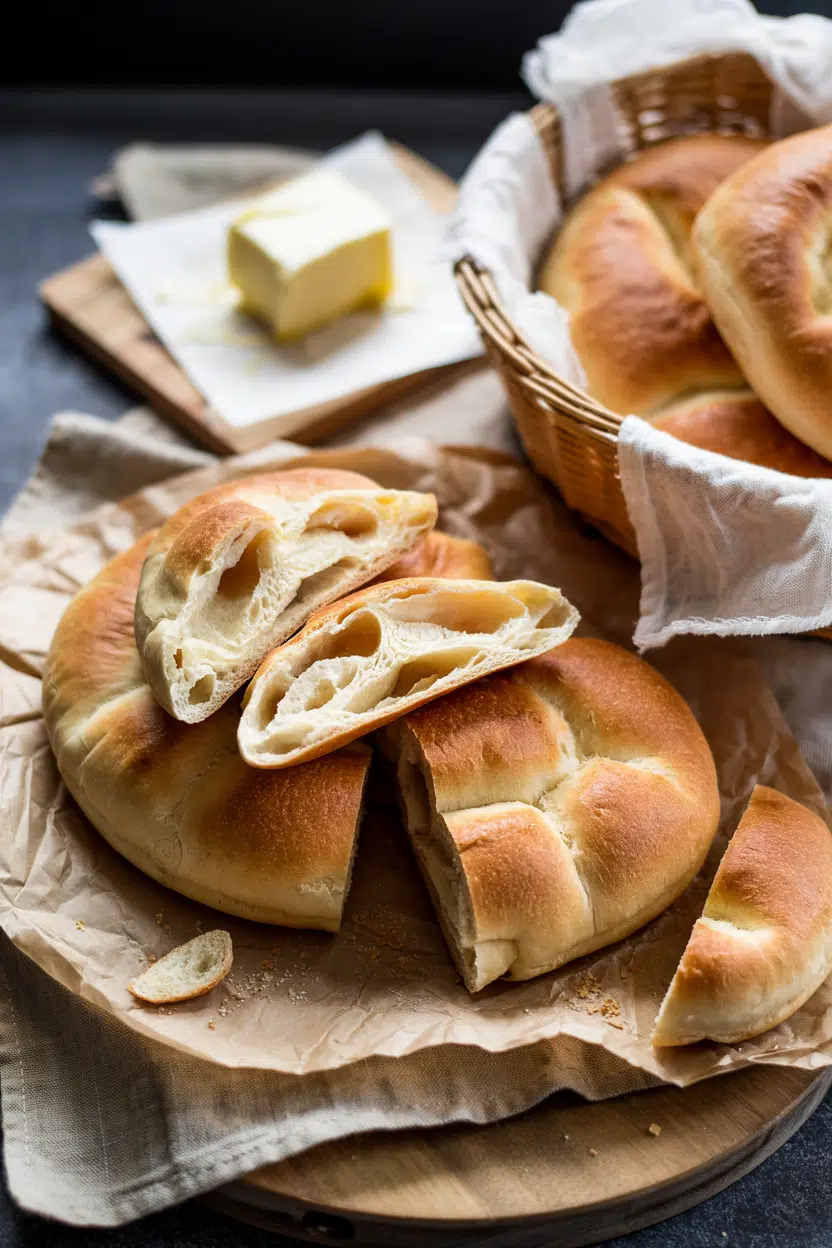
That hollow pocket - formed by a rapid burst of steam inside a very hot oven - makes it the structural backbone of dishes like falafel wraps, gyros, and shawarma.
If you've landed here after browsing sides for pita chips or hunting for a filling to pair with a crispy baked falafel patties recipe, you're already thinking about pita the right way - as a functional, food-delivery tool.
Pita is a round, leavened flatbread from the Levant with a mild wheaty flavor and a signature hollow pocket. It's pliable fresh, crisps well when toasted, and works as a wrap, scoop, or chip base across dozens of dishes.
What Is Pita Bread?
Pita is a round, leavened flatbread originating in the Levant and broader Eastern Mediterranean - a region that includes Lebanon, Israel, Jordan, Syria, and Greece.
Remember it later
Planning to try this recipe soon? Save it for a quick find later!
It's made from wheat flour, water, yeast, salt, and a small amount of oil, then baked at very high heat for a short time.
You'll also hear it called pocket bread, Arabic pita, or khubz in Arabic-speaking countries.
What sets pita apart from other flatbreads is the pocket. Steam trapped inside the dough during baking forces the layers apart, forming a hollow interior.
Not all pita puffs reliably - older dough or low oven heat can produce a flat round instead.
There are two main styles worth knowing:
- ⬜ White pita - Made with refined flour; softer, more neutral in flavor, the most common commercial form.
- 🟤 Whole-wheat pita - Denser crumb, slightly nutty flavor, higher fiber, and a lower glycemic impact than the white version.
- 🫓 Thicker Greek-style pita - Softer, less pocket-focused, used for wrapping souvlaki rather than stuffing.
If a recipe calls for pocket bread but you're out, swapping out pita bread covers which flatbreads hold up in its place.
What Does Pita Bread Taste Like?
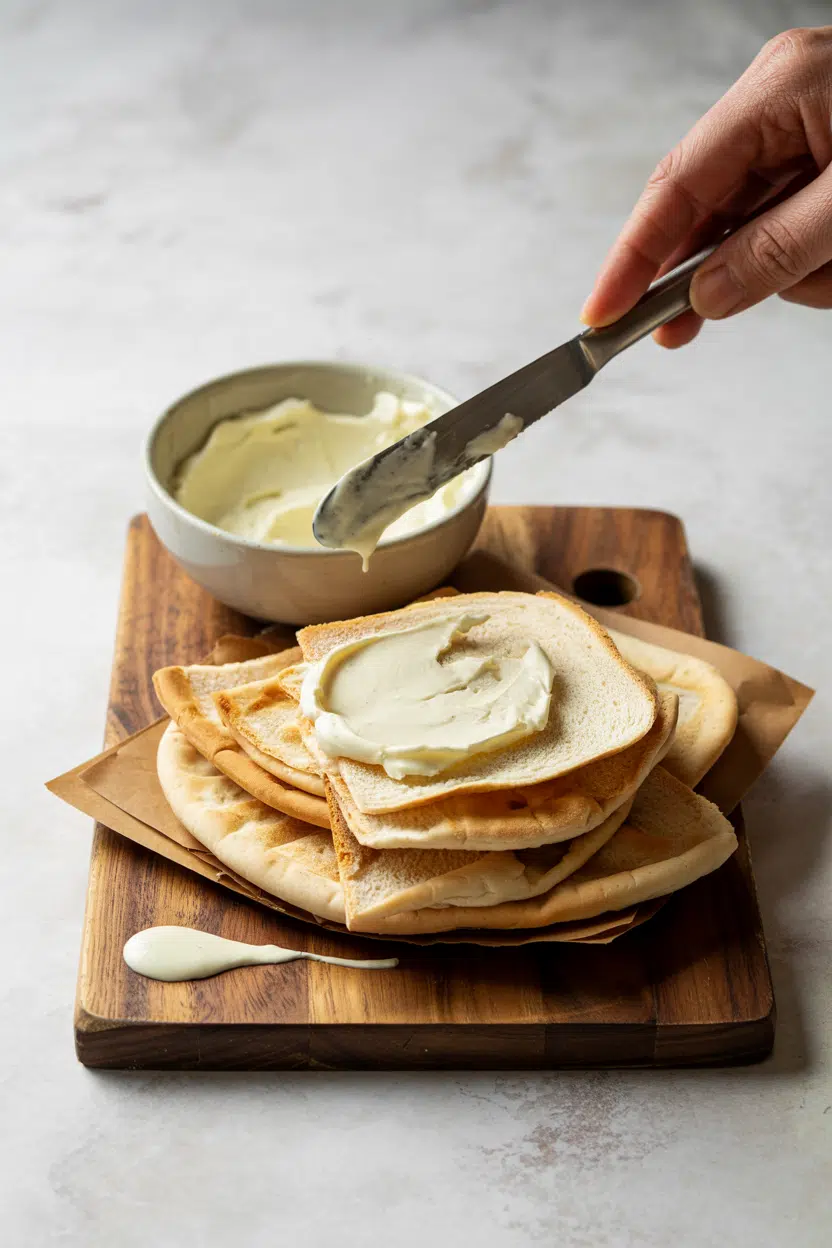
Pita is mild - and intentionally so. Its flavor sits somewhere between a plain soft baguette interior and a naan without the dairy richness or char. The wheaty base is gentle, yeasty warmth comes through on the nose more than the palate, and a longer proof adds a faint tang.
That mildness is a feature, not a flaw. Pita's neutral profile lets bold fillings - spiced lamb, pickled turnips, herbed falafel - lead without interference.
Heat changes the texture more than the flavor: toasted pita goes from soft and chewy to snappily crunchy, while a quick warm on a dry pan keeps it pliable and brings the yeasty aroma forward.
How to Use Pita Bread
Pita earns its place across Levantine, Greek, Turkish, and broader Mediterranean cooking - and it handles multiple jobs well. The pocket format drives most of those jobs, but the bread also works flat.
Understanding what pairs with pita bread opens up the full range of options beyond the obvious pocket sandwich.
| Method | Best For | Tip |
|---|---|---|
| 🫓 Fresh/Stuffed | Gyros, falafel pockets, shawarma wraps | Warm briefly before stuffing so it folds without tearing |
| 🔥 Grilled | Charred flatbread alongside grilled meats | Grill directly on hot grates for 30-60 seconds per side |
| 🥗 Torn/Scooped | Hummus, baba ganoush, labneh, olive oil dips | Tear into uneven wedges - rough edges scoop better |
| 🍕 As a pizza base | Personal flatbread pizzas, za'atar snacks | Brush with olive oil before topping for a crisper base |
| 🔪 Pita chips | Dipping, snacking, party platters | Slice into wedges, toss in oil, bake at 200°C/400°F until golden |
Za'atar and olive oil brushed onto a whole pita and baked is one of the simplest preparations - five minutes and it becomes a snack worth making. On the heavier side, laying toasted pita under grilled lamb lets it soak up the dripping meat juices. If you're planning a build-your-own wrap night, cooking shawarma perfectly explains how to time and rest the meat before it goes into the bread.
One combination to avoid: very watery soups. Pita soaks through within minutes, losing both structure and appeal.
Similarly, heavily sweet spreads overpower its mildness without adding anything useful.
How to Buy and Store Pita Bread
At the store, look for pitas with an evenly puffed shape, pale golden color, and light blistering on the surface.
Skip any bag where the pitas feel hard at the edges or show a starchy white powder coating - both signal over-proofed or stale product.
At a bakery counter, press lightly: fresh pita yields and springs back; a stale one crumbles.
Storage by situation:
- 🏠 Unopened commercial pita - Keep in the sealed bag at room temperature, up to 5-7 days.
- 🧊 Opened or bakery pita - Move to a resealable bag and refrigerate; use within a week.
- ❄️ Frozen pita - Holds well for 2-3 months; freeze flat to prevent tearing.
For guidance on timing your meals, cooking pita bread perfectly covers how freshness affects pocketability and texture.
If you're serving pita alongside hummus, check storing hummus correctly - the dip often outlasts the bread in the fridge, and knowing both timelines helps reduce waste.
Start With the Pocket
If you're new to cooking with pita, start with the pocket.
Stuff it with whatever's on hand - leftover roast chicken, a spoon of hummus, pickled cucumber - and it works.
From there, try tearing wedges for dipping, then graduate to baking chips when a batch starts going stale.
Whole-wheat pita is worth trying once you're comfortable: the added fiber and slightly earthier flavor hold up especially well against bold, spiced fillings.
Frequently Asked Questions
Pita is made from wheat flour, water, yeast, salt, and a small amount of oil. Enriched commercial flour adds B vitamins and iron. Whole-wheat versions swap in some or all whole-grain flour for extra fiber.
High oven heat - typically above 230°C/450°F - rapidly converts moisture inside the dough to steam. That steam inflates the bread and separates the layers, creating the hollow pocket. Lower heat or overworked dough often produces a flat round instead.
Wrap it in a damp paper towel and microwave for 15-20 seconds, or place it directly on a dry skillet over medium heat for 30 seconds per side. Both methods restore softness without pulling moisture out of the bread.
Yes - pita freezes well for up to 2-3 months. Stack with parchment between rounds so they don't fuse together. Thaw at room temperature or reheat directly from frozen in a warm oven for about 5 minutes.
White pita is a moderate-carbohydrate food with some protein and B vitamins. Whole-wheat pita adds fiber and has a lower glycemic impact, making it a better choice for blood sugar management. Both contain gluten and aren't suitable for celiac disease.



