
Pisco does something in a glass that no other spirit quite replicates: it carries the raw, perfumed character of fresh grape must into a clear, high-proof liquid without the softening effect of oak.
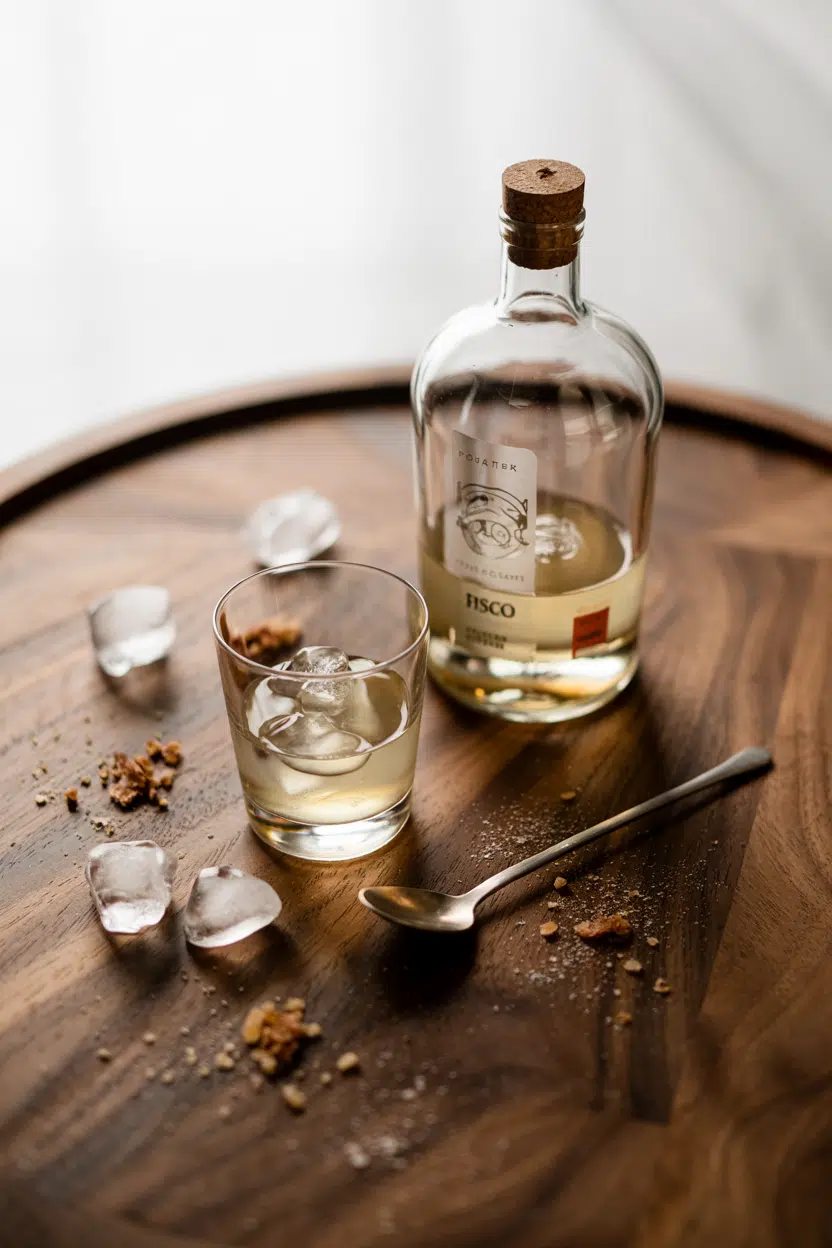
That directness is the whole point. No barrel aging, no color, no disguise - what you taste is almost entirely the grape and the distiller's hand, which makes choosing and using pisco far more specific than reaching for a generic brandy.
Pisco is a clear, unaged grape brandy from Peru and Chile, distilled once from fermented grape must. It delivers bright floral and fresh-grape aromas, a clean dry finish, and a slightly oily mouthfeel - built for cocktails but capable in the kitchen too.
What Is pisco?
Pisco is a grape brandy distilled once from fermented grape must, produced in designated regions of Peru and Chile. Both countries claim it as their national spirit, and the two versions differ in meaningful ways - more on that below.
Remember it later
Planning to try this recipe soon? Save it for a quick find later!
Peruvian pisco must be made from one of eight approved grape varieties, distilled to proof without adding water, and rested in neutral containers so no wood flavor enters the spirit. Chilean pisco allows water dilution after distillation and permits some light barrel contact, which can introduce faint color and softer aromatics.
Style labels on the bottle tell you a lot:
- Pisco Puro - single-varietal, made from one grape type; shows the most direct varietal character
- Pisco Acholado - a blend of two or more grape varieties, often more complex and layered
- Aromáticas - made from Muscat-family grapes like Italia or Torontel, the most intensely floral style
- Quebranta - a non-aromatic variety, producing a rounder, earthier, more neutral base
The grape you're drinking matters as much as the country of origin, which is why reading the label before buying is worth the extra thirty seconds.
What Does pisco Taste Like?
The closest reference point is a high-quality grappa or marc - except pisco is generally cleaner, less rustic, and without the slight bitterness that comes from pomace distillation. It doesn't taste like aged brandy at all.
Aromatic varietals like Italia and Torontel hit the nose first with jasmine and fresh citrus peel, then land dry and almost grape-juicy on the palate. Quebranta-based pisco reads earthier: rounded, slightly herbal, with less perfume and more body. A peppery or faintly herbal finish is common across styles, especially in Peruvian pisco, where distillation proof is higher.
Heat in cooking tightens the floral top notes quickly, leaving the grape ester base. That's useful - it means pisco adds a clean aromatic lift to a sauce without going flabby or bitter.
How to Use pisco
Pisco's strongest application is the Pisco Sour - shaken with fresh lime juice, simple syrup, egg white, and a dash of Angostura bitters. The egg white creates a dense foam that carries the floral aroma directly to the nose before the first sip.
For a longer, lower-effort drink, a Chilcano builds pisco over ice with ginger ale, lime, and bitters - the ginger amplifies the peppery finish naturally.
In the kitchen, pisco is underused. A small pour into a ceviche marinade adds a boozy, aromatic lift without the sweetness of wine.
It deglazes a hot pan after searing seafood cleanly, leaving a grape-bright base for a quick sauce. Flambéing fruit - peaches, apricots, figs - with pisco keeps the flame brief and the aroma intact once the alcohol burns off.
| Method | Best For | Tip |
|---|---|---|
| 🍹 Shaken | Pisco Sour, citrus cocktails | Use fresh lime only - bottled juice kills the floral top notes |
| 🥂 Built/stirred | Chilcano, cold syrups | Add bitters last to preserve aroma layering |
| 🔥 Deglazed | Seafood pan sauces, ceviche bases | Use a Quebranta-style for body; aromatic styles burn off too fast |
| 🍑 Flambéed | Stone fruit desserts, crepes | Warm the pisco slightly before flambéing for a cleaner ignition |
Pisco pairs naturally with fresh lime and lemon, stone fruits like peach and apricot, seafood, ginger, and a restrained pinch of cinnamon or cloves in compotes.
Avoid pairing it with strong aged cheeses or heavily oaked wines - those flavors overwhelm its delicate grape character completely.
How to Buy and Store pisco
Start with the label. Origin and grape variety are the two most useful pieces of information - country of production shapes the legal production rules, and the grape varietal tells you whether you're getting a floral, aromatic spirit or a drier, earthier one.
A bottle that states only "pisco" without listing a varietal or style is worth skipping for a first purchase.
Clarity is a reliable quality indicator. Most pisco is fully clear; a faint gold tint signals short resting in neutral containers, which is acceptable under Peruvian regulations, not barrel aging.
If the bottle shows deep amber, it's likely a Chilean pisco with some wood contact.
For storage, keep bottles upright in a cool, dark spot away from direct sunlight and heat sources. The pisco storage guide is solid - 12 to 24 months before the aromatic top notes start to dull.
An unopened bottle stored correctly lasts indefinitely.
Start Here With Pisco
New to pisco? Buy a bottle of Acholado or Italia-based pisco and make a Pisco Sour first.
That single recipe shows you the spirit's floral intensity, how it handles acid, and whether you want to explore more aromatic styles or move toward the earthier Quebranta. From there, a pan sauce with seafood is the most accessible kitchen application.
Anyone already comfortable with brandy as a cooking spirit will find the swap intuitive - just expect more perfume and less wood.
Frequently Asked Questions
Yes - pisco is a grape brandy distilled from fermented grape must. The key difference from most brandies is that it's unaged in wood, so it retains raw grape aroma rather than developing the vanilla and caramel notes of barrel-aged spirits.
Peruvian pisco must be distilled to proof without water addition and rested only in neutral containers. Chilean pisco allows post-distillation dilution and light wood contact, which produces a softer, sometimes faintly golden spirit with less raw varietal intensity.
Peruvian pisco uses eight approved varieties, most commonly Quebranta, Italia, Torontel, and Albilla. Quebranta is non-aromatic and produces a rounder spirit; Italia and Torontel are Muscat-family grapes that deliver intense floral and citrus character.
Yes, though it's best used where its grape aroma can register - deglazing seafood pans, flambéing stone fruit, or adding a small amount to ceviche marinades. High heat burns off the floral notes quickly, so add it late and use a smaller quantity than you would wine.
Most pisco falls between 38% and 48% ABV. Peruvian regulations require a minimum of 38% and no water dilution after distillation, so bottles often land toward the higher end of that range compared with Chilean expressions.



