You spot it on nearly every pizza menu, but pepperoni has a specific profile worth understanding before you start layering it.
Dry-cured and smoked, it's built from pork and beef seasoned with paprika, chili, and garlic - a combination that delivers heat, smoke, and a mild tang that no other deli meat quite replicates.
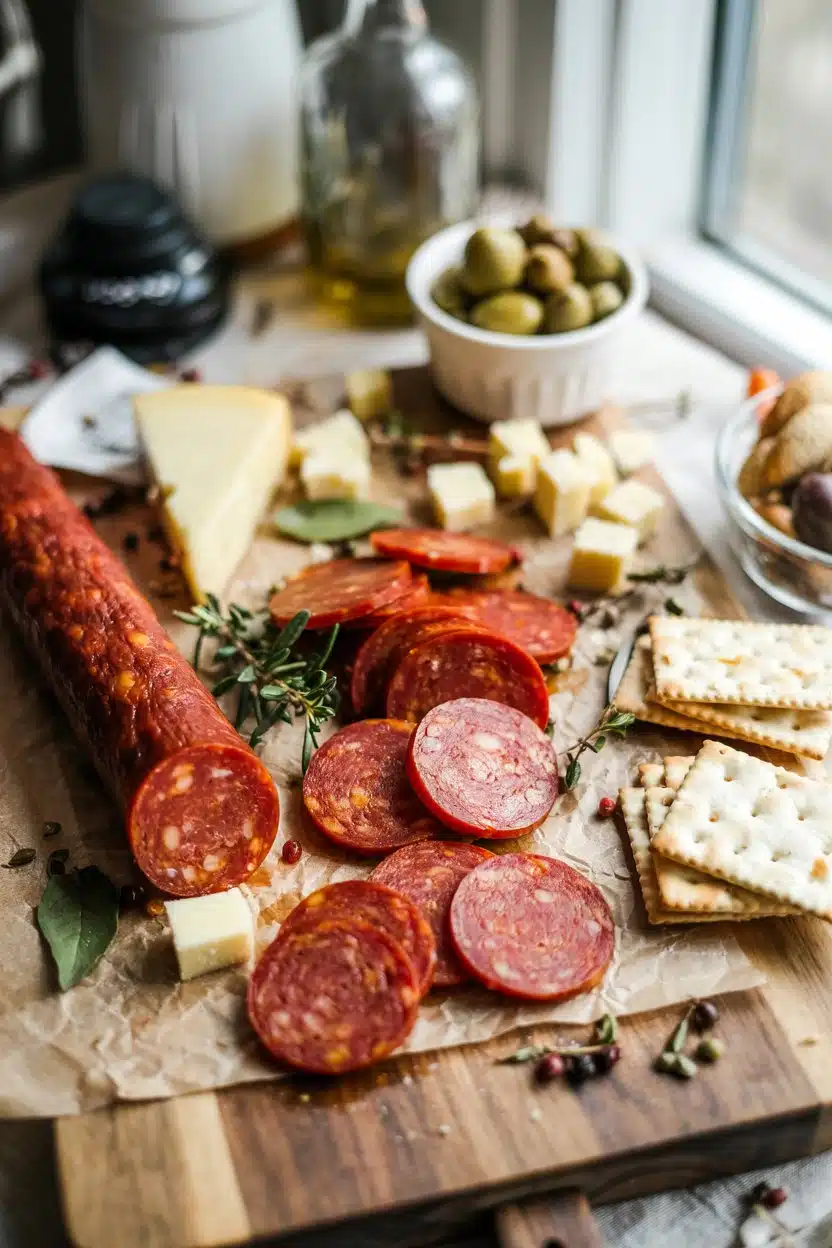
It's not simply a pizza topping; it's a role meat plays in transforming a dish through fat, salt, and spice.
Understanding what it actually is - and how it behaves under heat - changes how you use it.
Pepperoni is a dry-cured, smoked American salami made from pork and beef, seasoned with paprika and chili. It's smoky, spicy-savory, and slightly tangy, used most often as a pizza topping but equally at home in sandwiches, pasta, and charcuterie boards.
What Is Pepperoni?
Pepperoni is an Italian-American invention - not Italian. It emerged in the United States in the early 20th century, developed by Italian immigrant butchers adapting salami traditions to American tastes and available spices.
Remember it later
Planning to try this recipe soon? Save it for a quick find later!
The name likely derives from the Italian word *peperone* (meaning bell pepper or chili), though the sausage itself has no direct Italian equivalent.
It's classified as a dry-cured salami: ground pork and beef are mixed with paprika, red pepper flakes, garlic powder, and curing salts, then stuffed into casings and smoked before air-drying.
This process is what gives pepperoni its firm bite and concentrated flavor.
The heat from swapping out red pepper flakes in homemade versions changes its character noticeably - the flakes are central, not optional.
It's sold as whole sticks (unsliced) or pre-sliced rounds, with turkey pepperoni available as a leaner alternative.
Flavor
Texture
Aroma
Strong
What Does Pepperoni Taste Like?
Think of pepperoni as a spicier, smokier salami - or a cured chorizo without the vinegar sharpness. The paprika dominates upfront, bringing warmth rather than outright fire.
Red pepper flakes add a slow-building heat that lingers, while the curing process contributes a subtle tang that keeps the flavor from reading as purely greasy.
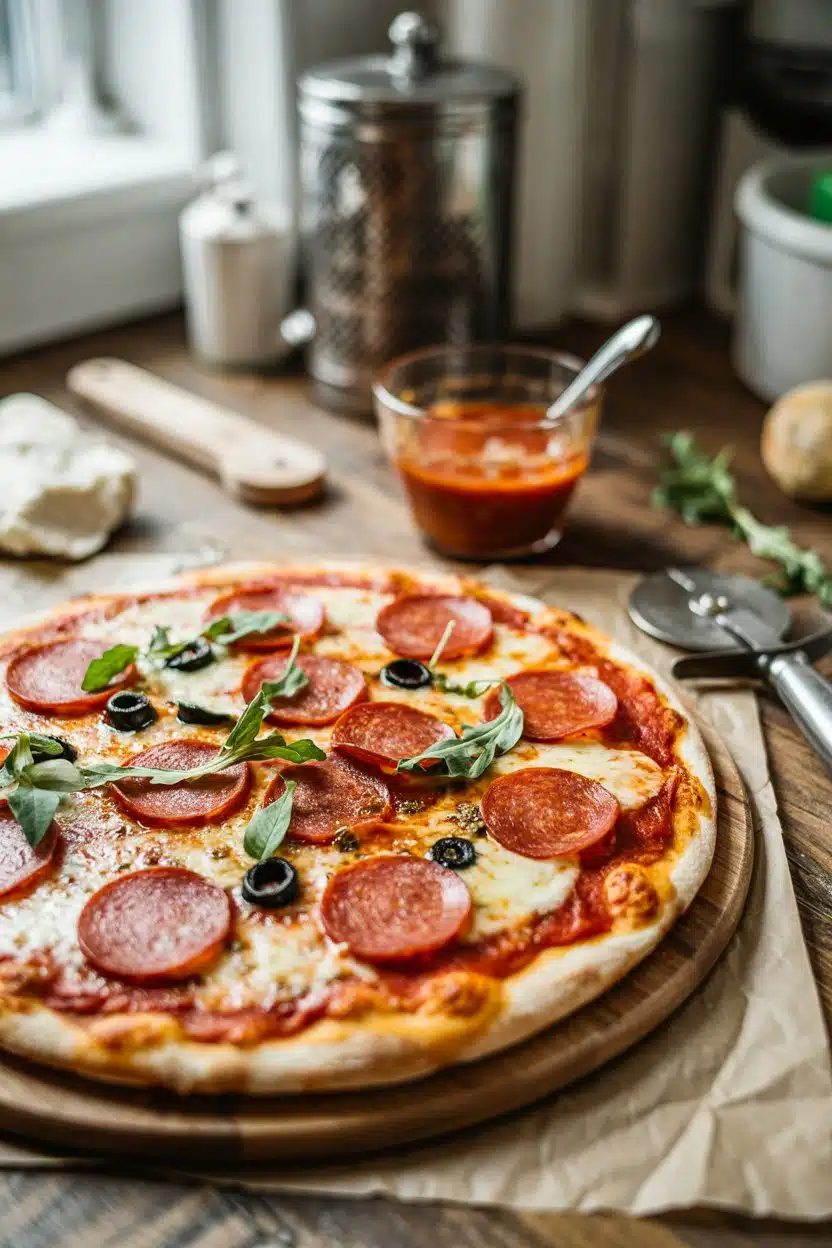
Raw, the tang is more pronounced. Baked on pizza, the fat renders into the sauce beneath while the edges brown and curl into what many call pepperoni cups - concentrated pockets of crisp, salty spice. That edge crisping intensifies both the smokiness and the heat, making baked pepperoni noticeably bolder than the same slice eaten cold.
It reads richer than most deli meats. A little goes a long way, which is why thin slicing is standard - thick cuts can tip a dish into salt overload.
How to Use Pepperoni
Pepperoni's fat content drives how it performs in cooking.
On pizza, the fat renders and pools into the sauce, flavoring the entire pie, not just the slice it sits on.
In pasta, chopped pepperoni stirred into arrabbiata adds rendered fat and spice without needing extra oil.
Pan-frying a handful of rounds until the edges crisp takes about two minutes and produces a snackable, crackly result.
| Method | Best For | Tip |
|---|---|---|
| 🥗 Raw/Sliced | Charcuterie boards, deli sandwiches, cold wraps | Pair with provolone or aged cheddar to balance saltiness |
| 🍕 Baked | Pizza, stromboli, calzones | Use thin slices so edges curl and crisp before cheese burns |
| 🍳 Pan-Fried | Breakfast skillets, omelets, pasta add-in | No added oil needed - the sausage renders its own fat quickly |
| 🔥 Grilled/Skewered | Appetizer pepperoni pops, party skewers | Alternate with mozzarella or roasted red pepper on the skewer |
🍔 American Casual
🍝 Fusion Comfort Food
Avoid pairing pepperoni with delicate white fish - the smoke and salt will overpower it entirely. Very bitter greens can also clash with the rendered fat, turning the dish unpleasant rather than bold.
If you need pepperoni swaps that work for dietary reasons or availability, a few options replicate its heat and fat profile closely.
tomato sauce
black olives
roasted red peppers
aged cheddar
crusty bread
How to Buy and Store Pepperoni
At the deli counter or grocery shelf, look for deep red coloring with visible white fat flecks - that marbling signals a balanced fat-to-spice ratio. Whole sticks should feel firm and dry on the outside.
Pre-sliced packs shouldn't have liquid pooling inside; moisture in the package suggests poor sealing or age.
Unopened vacuum-sealed packs last 2-3 months refrigerated.
Once opened, use slices within 5-7 days.
A whole stick keeps 3-4 weeks in the fridge.
Frozen pepperoni holds up to 2 months without significant texture loss - freeze in portions so you're not defrosting the whole stick each time.
For a full breakdown of keeping pepperoni fresh, shelf life varies by form and packaging.
When Pepperoni Makes Sense
Start here if you want bold, ready-to-use flavor with no prep beyond slicing. Pepperoni suits you if heat, smoke, and salt are the notes you're after - and if you're cooking for people who expect those flavors clearly.
It doesn't suit delicate dishes or anyone avoiding pork, high sodium, or nitrates.
Go with turkey pepperoni if you want lower fat. Go with salami swaps that work if you want something milder.
Stick with standard pepperoni if the dish depends on that edge-crunch and paprika heat.
Frequently Asked Questions
Pepperoni has mild to moderate heat - enough to notice, not enough to be considered hot by most standards. The spice comes from red pepper flakes and paprika, both of which build slowly rather than delivering immediate fire. If you're heat-sensitive, baking concentrates that warmth noticeably.
Most commercially made pepperoni is a blend of pork and beef. Pork typically makes up the larger portion, contributing fat and texture, while beef adds a firmer bite and deeper flavor. Turkey-only versions exist and must say so on the label - check the ingredients list if pork is a concern.
Cupping happens because the casing shrinks faster than the meat inside as it heats, forcing the slice to curl at the edges. The fat then pools in that cup and fries the underside, creating the crisp, slightly charred edges. Thinner slices and natural casings (rather than collagen) produce more dramatic cupping.
Pepperoni is a type of salami, but not interchangeable with most Italian salami varieties. Standard salami is milder and uses different spice blends - often fennel, wine, and black pepper rather than paprika and chili. Pepperoni is spicier, smokier, and more aggressively seasoned than its Italian salami cousins.
Yes - pepperoni is fully cured and safe to eat straight from the package. Cooking changes its texture and intensifies its flavor, but it's equally valid on a cold sandwich or charcuterie board without any heat applied. The main difference you'll notice is that the fat stays soft rather than rendering crisp.