
Crack open a jar of mayonnaise and the first impression is understated: pale, glossy, almost odorless. Spread it on bread and that changes fast - a cool, rich creaminess coats the palate with a quiet tang that somehow sharpens everything around it.
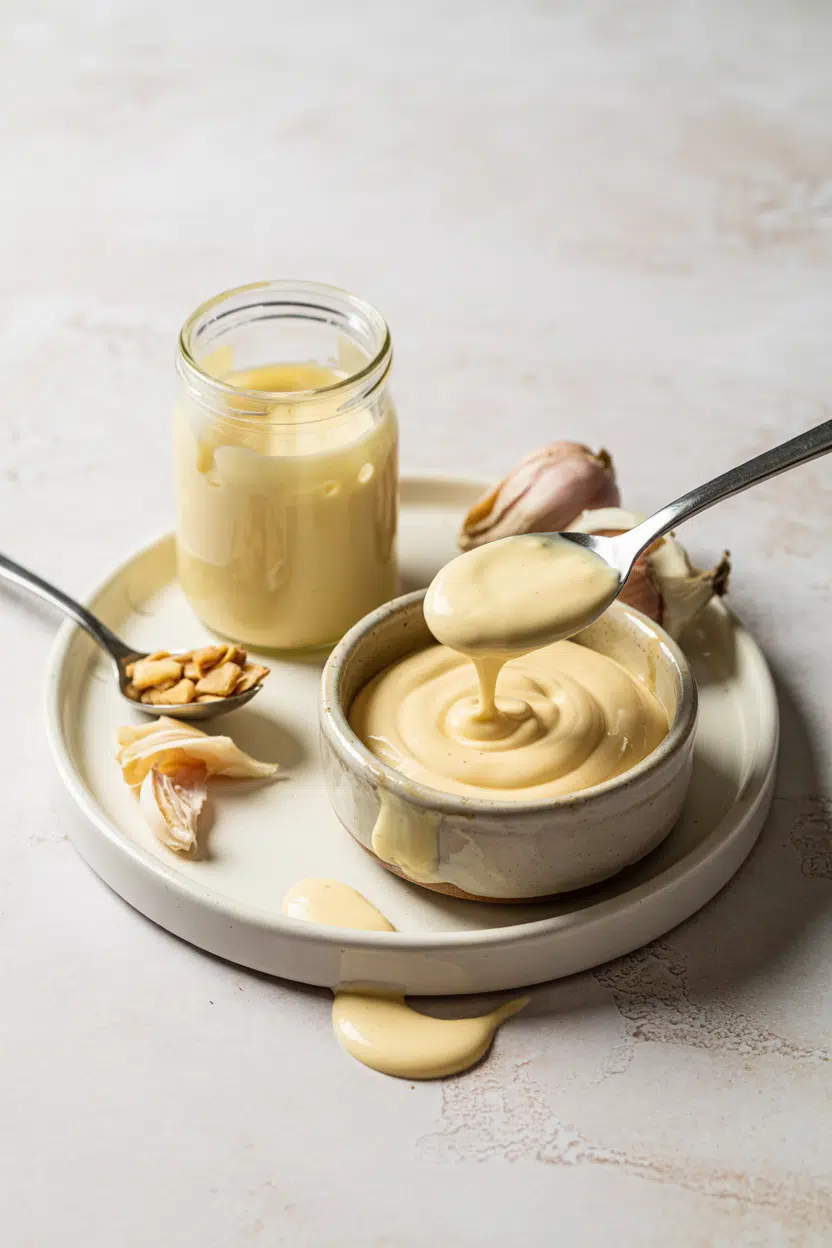
It's the condiment behind tartar sauce, the binding agent in tuna salad, and the secret to a restaurant-quality crust on pan-seared chicken. Mayonnaise is more functional than people give it credit for, and understanding what it is and how it behaves makes you a better cook.
Mayonnaise is a thick, oil-and-egg emulsion with a rich, tangy flavor. Used cold as a spread, binder, and sauce base, it adds creaminess without overpowering other ingredients. Commercial jars keep 1-2 months refrigerated once opened; homemade lasts just a few days.
What Is Mayonnaise?
Mayonnaise is an emulsified condiment built from three core ingredients: egg yolk, a neutral vegetable oil, and an acid - either vinegar or lemon juice.
Remember it later
Planning to try this recipe soon? Save it for a quick find later!
The egg yolk acts as the emulsifier, holding oil and water-based ingredients in a stable, creamy suspension that doesn't separate under normal conditions.
Its origins trace to 18th-century Western Europe, with both French and Spanish culinary traditions claiming a role in its development. The name likely derives from mayonnaise in French, though the Spanish word mayonesa reflects a parallel history.
Commercial production standardized the recipe, but meaningful variety still exists today:
- Classic American mayo - neutral, slightly sweet, made with whole eggs or yolks and distilled vinegar
- Kewpie (Japanese-style) - uses only egg yolks (not whites), rice vinegar, and MSG for a richer, umami-forward profile
- Aioli - traditionally a Provençal garlic-and-oil emulsion, now widely used as a synonym for flavored mayo; the two are not identical
- Olive oil mayo - greener hue, fruitier aroma, softer flavor than standard versions
- Vegan mayo - replaces egg yolk with aquafaba or other plant-based emulsifiers
What Does Mayonnaise Taste Like?
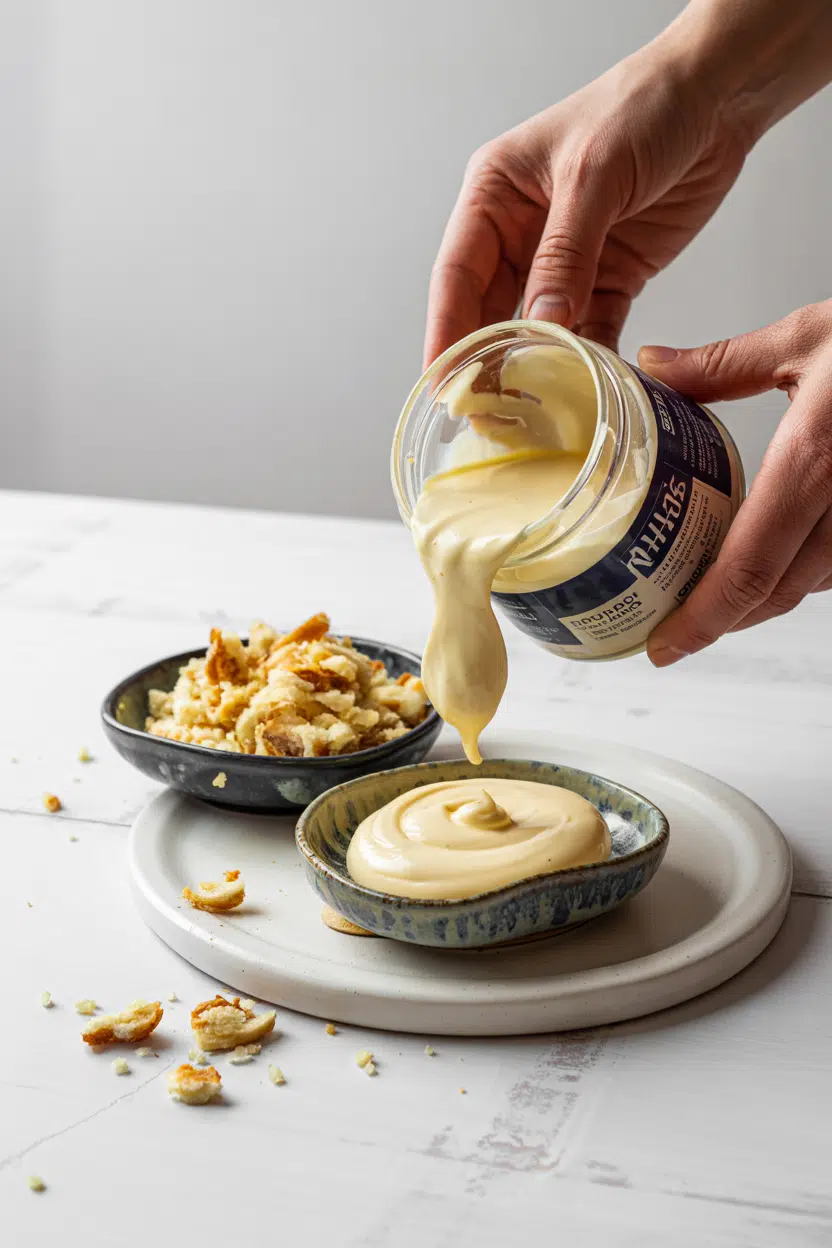
Mayonnaise tastes rich and oil-forward, with a mild tang from vinegar or lemon that keeps the fat from feeling heavy. There's a subtle egg note - not sharp or sulfurous, just quiet and round - that distinguishes it from a plain cream dressing.
Think of it as somewhere between sour cream and a light vinaigrette: creamier than the latter, less sharp than the former.
Flavor shifts noticeably by brand. Kewpie reads sweeter and more savory simultaneously, thanks to the extra yolk and rice vinegar.
Standard American mayo is blander by comparison - useful when you don't want the condiment to compete.
How to Use Mayonnaise
Mayonnaise is almost always used cold or at room temperature as a functional base. Its emulsion structure means it coats without watering out - a key reason it holds tuna salad and potato salad together for hours without turning soupy.
French cooking uses it as a foundation for cold sauces - rémoulade and its relatives are built on a mayo base with capers, herbs, and mustard. American applications lean toward spreads and binders.
Japanese cuisine deploys Kewpie on okonomiyaki, sushi rolls, and as a dipping sauce for fried foods.
| Method | Best For | Tip |
|---|---|---|
| 🥗 Cold Spread | Sandwiches, burgers, wraps | Spread to the edges - it acts as a moisture barrier against the bread |
| 🥣 Binder | Tuna, chicken, egg, pasta salads | Add in stages; too much early makes it wet as ingredients release liquid |
| 🧴 Sauce Base | Tartar sauce, rémoulade, ranch, aioli | Whisk in acid and aromatics cold; never heat the base directly |
| 🍳 Pan-Sear Coat | Chicken breasts, fish fillets | Brush on thinly; the emulsion browns faster than butter and sticks better |
| 🥄 Dressing Emulsifier | Creamy vinaigrettes, coleslaw dressing | Stir in mustard and vinegar - the mayo stabilizes the whole mixture |
Mustard is mayo's closest partner. Lemon, dill, tarragon, garlic, and pickles or capers all pull out its tangy side.
Cold seafood - shrimp, crab, smoked salmon - pairs particularly well because mayo's fat softens the brininess without masking it. For pairings for aioli (mayo's garlicky cousin), roasted potatoes and grilled vegetables are the most reliable pairing.
How to Buy and Store Mayonnaise
Read labels before buying. "Real mayonnaise" or "egg yolk" on the label signals a traditional formula - these taste noticeably richer than reduced-fat or "sandwich spread" versions. For deeper flavor, reach for Kewpie; for a fruitier profile, try an olive oil variety.
Avoid any jar with visible separation or an off-yellow color through the seal.
Shelf life varies significantly by type. Full details are covered in our mayonnaise storage life guide, but the working numbers are:
- Unopened commercial jar - months to a year, per the label date
- Opened, refrigerated - 1 to 2 months
- Homemade mayo - 3 to 5 days refrigerated; uses raw or lightly cooked yolks, so food-safety risk is higher
If you need a swap due to dietary restrictions or running out mid-recipe, mayonnaise swaps range from Greek yogurt to silken tofu depending on the application.
Start With the Basics
If you're new to cooking with mayonnaise, use it cold first. Spread it, fold it into a salad, or whisk it into a dressing - those three applications cover 90% of everyday use.
Once you're comfortable with how it behaves, try the pan-sear technique on a chicken breast: brush a thin coat on, then cook as normal. The browning is noticeably better.
From there, building toward crab cakes with rémoulade or homemade tartar sauce is a short step.
Frequently Asked Questions
The core ingredients are egg yolk, a neutral oil, and an acid - either vinegar or lemon juice. The yolk acts as the emulsifier, holding oil and water together in a stable suspension. Commercial versions often add stabilizers like xanthan gum and use pasteurized eggs.
No, though the terms are used interchangeably in casual contexts. Traditional aioli is a Provençal emulsion of garlic and olive oil - no egg yolk required. What most restaurants serve as "aioli" is flavored mayo.
Only faintly. The egg note is quiet and rounds out the flavor rather than dominating. Homemade mayo made with fresh yolks tends to read eggier than commercial versions, which are blander overall.
Opened commercial mayo keeps 1-2 months refrigerated when stored properly. Homemade mayo should be used within 3-5 days due to raw egg yolks and no added preservatives.
Yes - it's a well-known swap. Mayo's higher smoke point and emulsified fat spread more evenly than butter, producing a uniformly golden crust. Use the same thin layer you would with softened butter.



