
Bite into a classic ice cream sundae and you already know what's perched on top before you look - that glossy, candy-red sphere sitting in a pool of syrup.
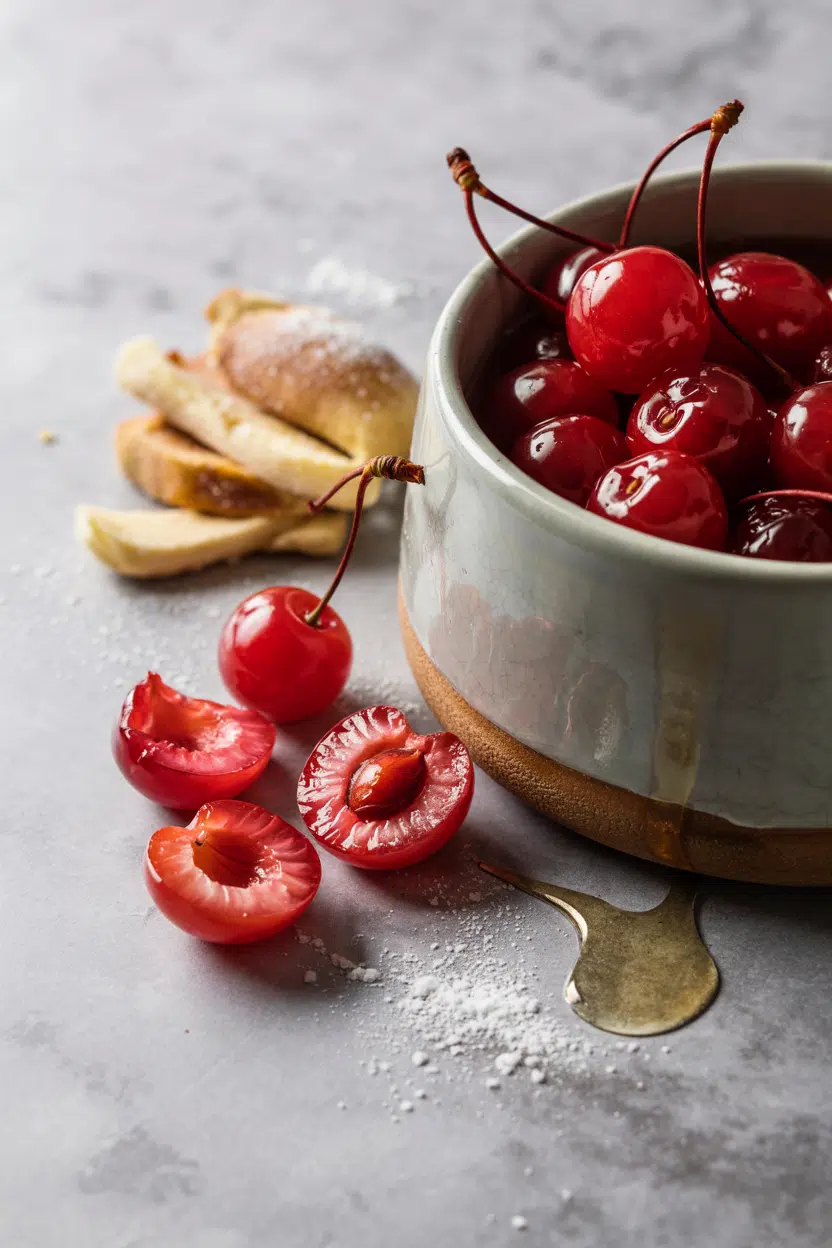
The maraschino cherry is one of those ingredients so embedded in American food culture that most people never stop to think about what it actually is, where it came from, or why the commercial version tastes nothing like a fresh cherry.
The maraschino cherry is a pitted, preserved cherry steeped in sweetened syrup or liqueur. Commercial versions are dyed bright red and intensely sugary; liqueur-cured styles like Luxardo offer a richer, more complex flavor. Used as a garnish in cocktails, desserts, and baked goods.
What Is a Maraschino Cherry?
The maraschino cherry traces its roots to Dalmatia, a coastal region of what is now Croatia, where a small, tart wild cherry called the marasca cherry grew abundantly.
Remember it later
Planning to try this recipe soon? Save it for a quick find later!
Producers there preserved the fruit in marasca liqueur - a bitter almond-scented spirit distilled from the cherry's pulp and pits - creating a sophisticated preserved fruit popular with European fine dining.
That original product looks almost nothing like what fills most American jars today.
Commercial maraschino cherries became widespread in the early 20th century, when U.S.
Prohibition-era regulations pushed producers away from alcohol-based curing.
The modern version uses a process of bleaching fresh cherries in sulfur dioxide or calcium chloride brine, then re-dyeing them with Red 40 and soaking them in heavily sweetened syrup.
Two distinct styles now exist side by side:
- 🍒 Commercial/American-style - Bright red, dyed, sugar-syrup cured; the grocery staple used for garnish
- 🫙 Luxardo-style / marasca-cured - Dark, almost burgundy, preserved in actual marasca liqueur; richer and more complex
- 🌸 Homemade cocktail cherries - Pitted fresh cherries steeped in bourbon or brandy with spices; increasingly popular among home bartenders
What Does a Maraschino Cherry Taste Like?
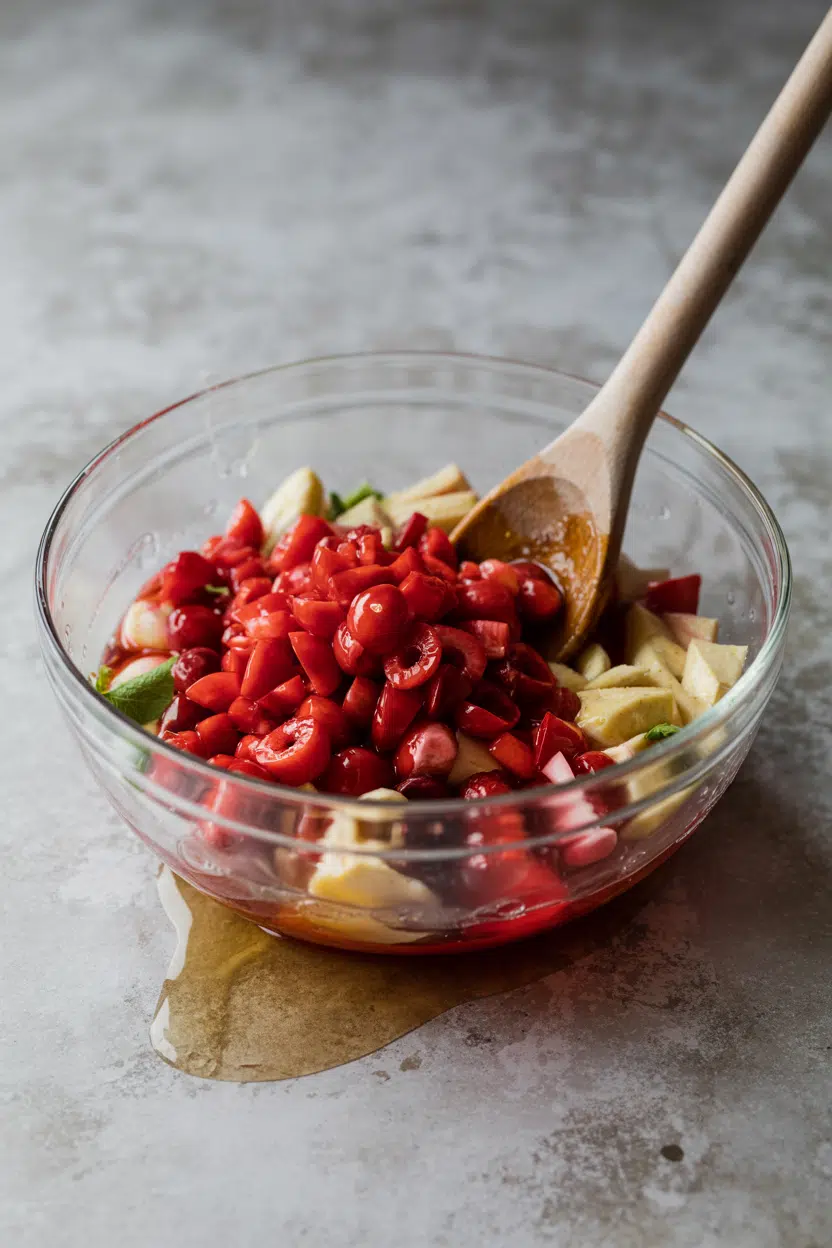
Commercial maraschino cherries taste primarily of sugar and artificial cherry candy - bright, uniform sweetness with almost no resemblance to fresh fruit.
The flavor is closer to a glacé cherry or a sweet cherry preserve than to any raw cherry variety.
Liqueur-cured types are a different story entirely. The marasca cherry's natural bitterness comes through in Luxardo-style versions, layered with a distinct almond note derived from the pits during distillation.
Texture is soft and syrup-soaked with just enough chew to hold up as a garnish.
Heat doesn't improve the commercial version much - it simply intensifies the sugar - however, warming a Luxardo cherry briefly in brandy or a pan glaze coaxes out its more complex, bitter-fruit character.
How to Use Maraschino Cherries
Most people reach for maraschino cherries straight from the jar. That's where commercial varieties work best - as a visual garnish that adds a pop of color and sweetness without asking you to think too hard about it.
For cocktails, the gap between styles matters most.
A Manhattan or Old Fashioned deserves a Luxardo-style cherry - its bitter almond depth holds its own against rye whiskey and vermouth.
The Shirley Temple, on the other hand, calls for that bright red commercial cherry; it's part of the aesthetic.
If you're swapping out maraschino cherry in a recipe, the style you're replacing determines which substitute makes sense.
| Method | Best For | Tip |
|---|---|---|
| 🫙 Straight from jar | Cocktail garnish, sundae topping, mocktail decoration | Pat dry before placing - excess syrup can bleed into whipped cream |
| 🔥 Heated in glaze | Dessert sauces, cheesecake topping, baked Alaska finish | Use Luxardo-style; commercial cherries turn cloying when reduced |
| 🎂 Baked in | Fruitcake, upside-down cake, cupcake decoration, ambrosia | Halve and blot dry first to prevent sinking or excess moisture |
| 🍸 Poached in liqueur | Upgrading commercial cherries for cocktails or chocolate desserts | Simmer briefly in marasca liqueur or brandy with a strip of orange peel |
In baking, maraschino cherries pair naturally with brown sugar, warm spices, vanilla, and cream cheese. They work well folded into frostings, pressed into the tops of cupcakes, or layered into a classic pineapple upside-down cake.
Avoid using them anywhere a delicate or herb-forward flavor profile needs space - their candy sweetness will dominate.
How to Buy and Store Maraschino Cherries
Standard grocery jars work fine for garnish - just check the ingredient list if you're avoiding Red 40, sulfites, or artificial sweeteners. For cocktails or baking where flavor matters, look for jars labeled "marasca" or products from brands like Luxardo; they're darker, less sweet, and cost noticeably more.
Storage is simple:
- 🏪 Unopened jars - Keep in a cool, dark pantry; commercially sealed jars last 1-3 years
- ❄️ After opening - Refrigerate in their syrup in a sealed container; use within 2-3 months
- 🥄 Keep cherries submerged - Syrup acts as the preservative; cherries exposed to air deteriorate faster
For a more detailed breakdown, the guide on how long maraschino cherry keeps covers signs of spoilage and whether freezing is worth attempting.
Where to Start With Maraschino Cherries
Buy a jar of commercial maraschino cherries for drinks and dessert toppings - they do that job reliably and cheaply.
Grab a jar of Luxardo-style the moment you're building a serious cocktail or a baked good where cherry flavor should actually show up.
Anyone making classic manhattan cocktail at home will notice the difference a proper marasca cherry makes immediately. Start there if you want a benchmark for what a good cocktail cherry actually tastes like.
Frequently Asked Questions
Yes, they start as real cherries. Commercial versions are typically made from Royal Anne or other light cherries that are bleached in brine, stripped of their natural color, and then re-dyed and re-sweetened. Luxardo-style versions use actual marasca cherries preserved in liqueur.
The red color is artificial. Cherries are first bleached to remove their natural pigment, then dyed with Red 40 or other food coloring. The original marasca-cured varieties were never dyed - they're naturally dark burgundy.
Standard commercial jars contain no alcohol - they're preserved in sugar syrup. Luxardo-style and other liqueur-cured varieties do contain alcohol from the marasca spirit used in curing. Check the label if this matters.
Refrigerated in their syrup, opened maraschino cherries keep for 2-3 months. Keep the cherries submerged - the syrup is what preserves them. Discard if they smell off or the syrup turns cloudy.
Yes, and they're a classic addition to fruitcakes, upside-down cakes, and cupcakes. Blot them dry before folding into batter to avoid excess moisture, and halve them if the recipe calls for even distribution.



