
Mahlab does one thing in a baked good that no other spice can replicate: it turns a plain enriched dough into something that smells faintly of cherry blossoms and tastes of warm almond with a sharp, fruity edge.
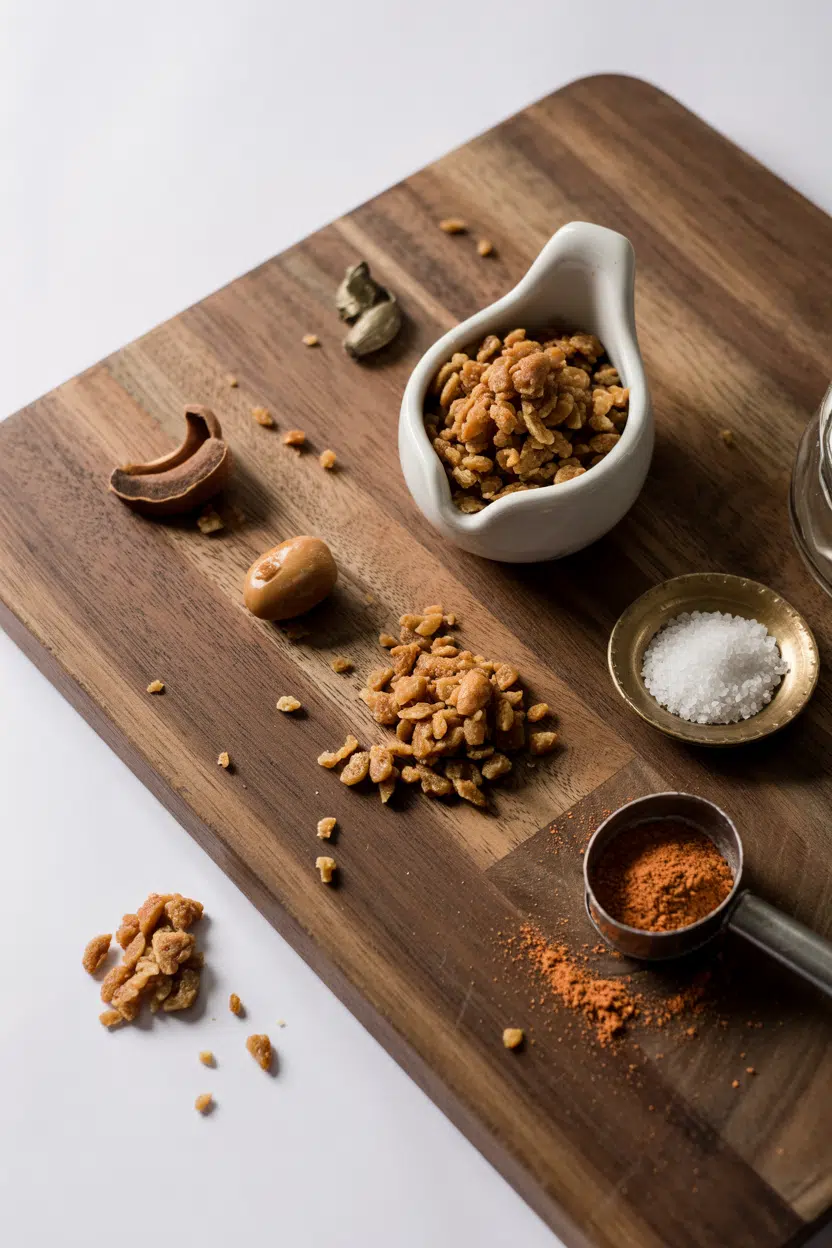
Bakers across Greece, Lebanon, Turkey, and Iran have relied on it for centuries - a quarter teaspoon folded into tsoureki dough or ma'amoul filling is enough to notice.
Much like almond flour spoilage signs become obvious once you know what fresh smells like, understanding what fresh mahlab should offer makes a real difference at the spice counter.
Mahlab is a ground cherry-pit spice with bitter almond, marzipan, and tangy cherry notes. Used in small amounts in sweet breads and pastries, it's common in Greek, Levantine, and Persian baking. Whole kernels keep up to two years; ground powder fades within six to twelve months.
What Is mahlab?
Mahlab - also spelled mahlep, mahlepi, or mahaleb - is the dried, ground kernel found inside the pit of the St. Lucie cherry (Prunus mahaleb), a small wild cherry native to the eastern Mediterranean.
Remember it later
Planning to try this recipe soon? Save it for a quick find later!
It is classified as a spice, not a nut, though its oily, cream-colored kernel behaves similarly to almond in its aromatic compounds.
The spice originates in the Levant and Anatolia and spread through Persian, Armenian, and Greek cooking traditions over centuries. Today it appears regularly in Greek, Lebanese, Syrian, Turkish, and Iranian recipes.
Whole kernels look like small, pale ellipses, roughly the size of a peppercorn. Ground mahlab is a fine, slightly off-white powder with a faint oiliness.
You may also find it sold coarsely crushed, which has a slightly gritty texture and more aggressive aroma.
Two forms reach market:
- Whole kernels - longest shelf life, best aroma when freshly ground just before use
- Pre-ground powder - convenient but loses potency faster; check packaging dates carefully
What Does mahlab Taste Like?
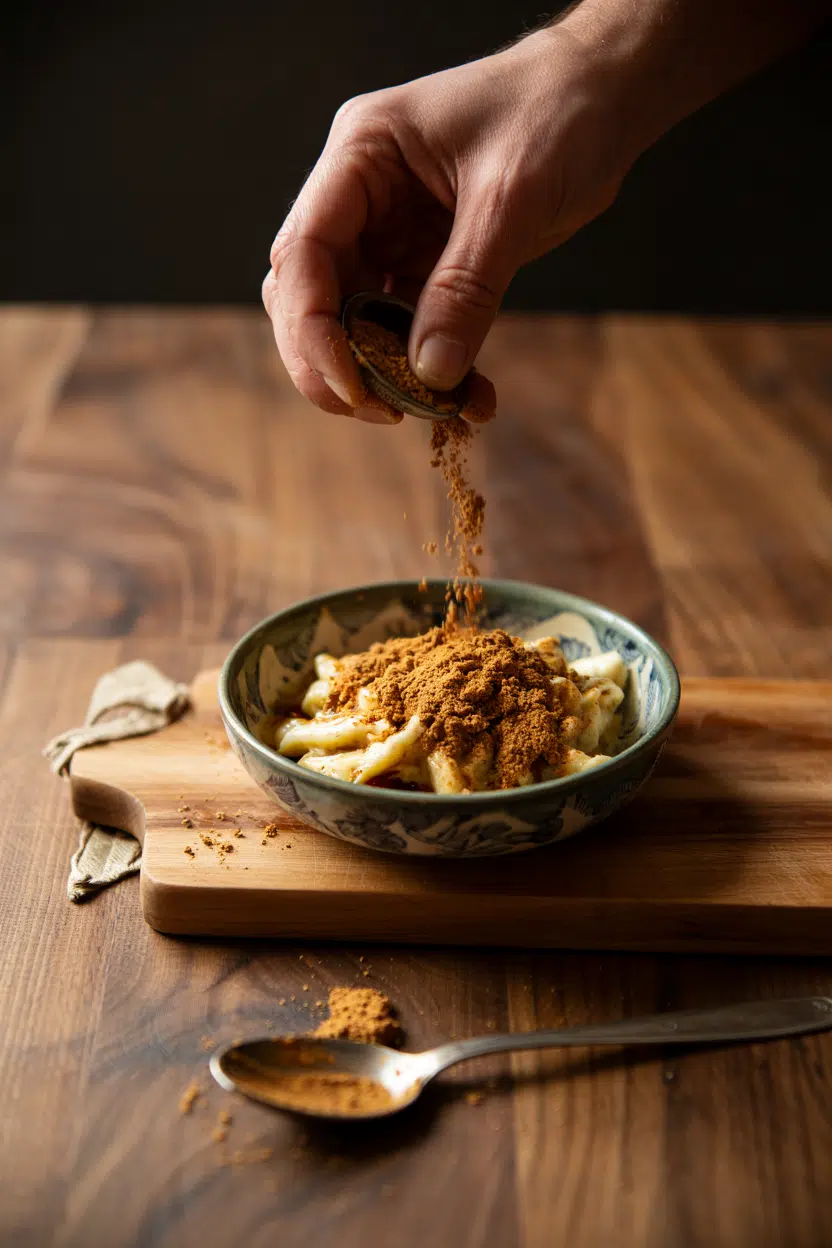
Mahlab tastes closest to a hybrid of bitter almond extract and concentrated cherry-pit - think marzipan sharpened with a sour, almost citric edge. The bitterness is real but not harsh at culinary doses; it resolves into a warm, floral finish.
Heat softens the bitterness and amplifies the floral, almond-like side. Raw in cookie dough, the tangy cherry note is more forward.
Because the intensity is strong, a little goes a long way - most recipes call for no more than half a teaspoon per batch.
If you need to work without it, look into swapping out mahlab before deciding on an alternative, since no single ingredient fully replicates the cherry-pit sharpness alongside the almond warmth.
How to Use mahlab
Mahlab belongs almost entirely to sweet baking, though a few savory applications exist. Greek Easter bread (tsoureki) is its most recognizable home - the spice goes directly into the dough during kneading, usually paired with mastic, orange zest, and cardamom.
Lebanese ma'amoul shortbread cookies use it in the dough, sometimes alongside rose water and semolina.
Standard amounts run from ¼ to ½ teaspoon per batch of dough. For stronger presence, toast whole kernels in a dry pan for 30 seconds before grinding - this rounds out the bitterness and deepens the cherry note.
| Method | Best For | Tip |
|---|---|---|
| 🔥 Toasted then ground | Enriched breads, yeast doughs | Grind fine immediately after toasting; don't let it sit |
| 🥄 Ground into dough | Shortbread, cookie dough, pastry | Blend with flour or sugar first for even distribution |
| ♨️ Steeped in syrup | Semolina cakes, drizzled pastries | Steep briefly, then strain; extended steeping turns bitter |
| 🫙 Mixed into fillings | Nut-and-butter pastry fillings | No heat needed; fat carries the aroma well |
Mahlab pairs with orange and lemon zest, sesame and tahini, honey, cardamom, cinnamon, and dried sour cherries. It also works in savory flatbreads pounded with sesame seeds.
Avoid it alongside heavy cumin-forward spice blends - the flavors fight each other - and skip it entirely with delicate seafood.
For bakers who love this flavor register, almond extract swaps that work can also point you toward related flavor compounds worth experimenting with.
How to Buy and Store mahlab
Buy whole kernels over pre-ground powder whenever possible. Fresh kernels smell nutty and cherry-forward; musty or dusty-smelling jars signal age.
Middle Eastern specialty markets carry it reliably, as do reputable online spice retailers.
Store whole kernels or ground mahlab in an airtight container away from heat and light. Move it to the refrigerator if you buy in bulk or live somewhere humid.
Whole kernels stay potent for 12-24 months; ground powder is best within 6-12 months. Knowing the mahlab spoilage signs helps you catch a stale batch before it flattens an entire bake.
Start Here if You're New to Mahlab
Buy whole kernels first.
Toast a small amount, grind them fresh, and stir just ¼ teaspoon into a simple shortbread or butter cookie dough.
That single test batch is enough to understand the flavor and decide how far you want to push it.
If the marzipan-cherry combination resonates, recipes like tsoureki and ma'amoul are the logical next step.
Those who enjoy this flavor profile may also find alternatives to marzipan worth exploring for related baking projects.
Frequently Asked Questions
It tastes like bitter almond extract blended with a sharp, tangy cherry-pit note - similar to marzipan but with a sour edge. Heat softens the bitterness and brings the floral, almond side forward.
Most recipes use ¼ to ½ teaspoon per batch. Start at the lower end - the flavor is strong and builds further once the bread bakes.
Middle Eastern specialty grocery stores stock it most reliably, usually in the spice aisle or bulk section. Reputable online spice retailers are the next best source, especially for whole kernels.
Yes, at culinary amounts. The trace cyanogenic glycosides in Prunus kernels are not a concern at the small doses used in baking. Avoid large concentrated amounts and keep kernel preparations away from infants.
Both share benzaldehyde, the compound responsible for the almond-like aroma. Mahlab adds a distinct tangy cherry-pit note that bitter almond lacks, making it more complex and slightly sour in baked goods.



