
Mahi mahi off the grill smells like clean ocean air - low-fishy, faintly briny, with a warmth that makes you reach for it before it hits the plate. Cut into a well-seared fillet and the large, ivory flakes pull apart in thick ribbons, moist at the center and lightly caramelized at the crust.

It's a fish that behaves: holds shape under high heat, accepts bold marinades without losing its own character, and cooks fast enough that weeknight dinners stay in range. If you've enjoyed the firm texture of swordfish or halibut, mahi mahi lands in familiar territory - and then edges a little sweeter.
Mahi mahi is a firm, mild ocean fish with large ivory flakes, a clean sweet-briny flavor, and low fishiness. It grills and sears beautifully, works in tacos or ceviche, and freezes well for up to six months.
What Is Mahi Mahi?
Mahi mahi (Coryphaena hippurus) is a pelagic, open-ocean fish found in tropical and subtropical waters worldwide - Pacific, Atlantic, and Indian Ocean alike. The Hawaiian name means "very strong," a nod to its speed and fight on the line.
Remember it later
Planning to try this recipe soon? Save it for a quick find later!
It goes by several names. Dolphinfish is the most common alternate name in English, though it has no relation to dolphins - a confusion that led many restaurants to adopt "mahi mahi" to avoid exactly that misunderstanding.
In Spanish-speaking regions it's called dorado, which shouldn't be confused with dorade, the European sea bream.
The fish grows fast, lives short, and is harvested young - typically in the 5-30 pound range. Its skin is vivid gold and green when fresh from the water, fading quickly after catch.
At the market, you'll find it sold as skinless fillets or bone-in steaks.
- 🌊 Wild-caught only - mahi mahi is not commercially farmed
- Peak seasons: Spring through summer in most fisheries
- Related species: Pompano dolphinfish (*C. equiselis*), smaller and less common
What Does Mahi Mahi Taste Like?
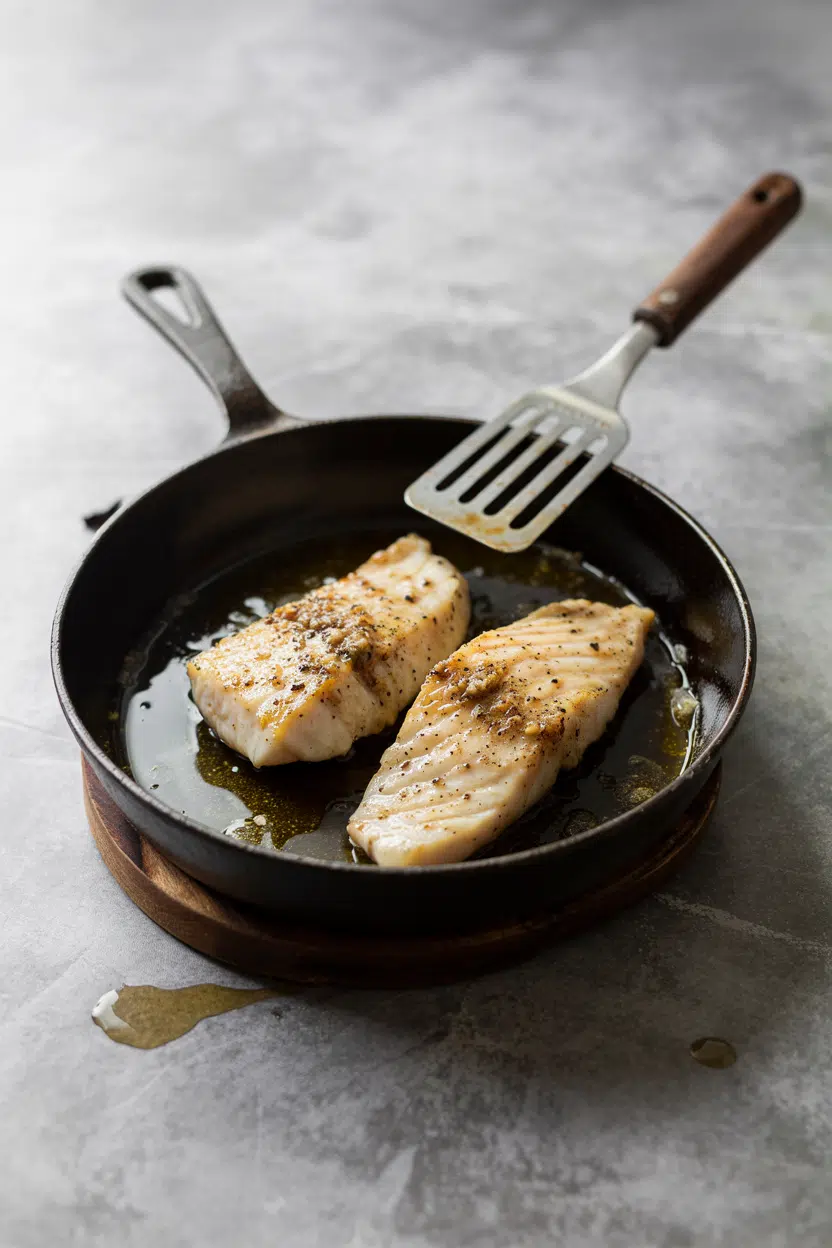
Mahi mahi has a mild, clean sweetness - closer to halibut than to the richer, meatier flavor of tuna.
There's a light briny note that reads as oceanic without being sharp, and a subtle nuttiness surfaces especially when the fish is grilled or pan-seared over high heat.
Texture matters as much as taste here. The flakes are wide and substantial - more like a steak than a flaky white fish - which means texture shifts dramatically with doneness.
Cooked to 137°F internal, it stays moist and cohesive. Push past that and the flakes separate, dry out, and lose the sweetness that defines it.
How to Use Mahi Mahi
Grilling is where mahi mahi earns its reputation. The firm flesh doesn't fall through grates, and the high-heat contact builds a crust that locks in the natural sweetness. A citrus-chili rub or a simple brush of olive oil and garlic is all it needs.
Pan-searing works just as well indoors - skin-on or skinless. Finish with herb butter and a squeeze of lime and you have a restaurant-quality result in under ten minutes. For something more assertive, blackening with cayenne, paprika, and dried thyme pushes the flavor into Caribbean territory and makes an excellent sandwich fillet.
Mahi mahi is also one of the better fish for ceviche - the firm flesh holds its structure during a quick acid cure without turning mushy. Beyond raw preparations, baking en papillote with sliced fennel and citrus rounds out the method list.
| Method | Best For | Tip |
|---|---|---|
| 🥗 Ceviche | Bright starters, appetizers | Cure no longer than 20-30 min to preserve texture |
| 🔥 Grilling | Steaks, kebabs, fish tacos | Oil grates well; cook 3-4 min per side over high heat |
| 🍳 Pan-Searing | Weeknight fillets, sandwiches | Press fillet gently at first contact to prevent curling |
| 🌶️ Blackening | Bold sandwiches, po'boys | Use a cast iron skillet - it handles the high spice heat |
| 🫙 Baking | En papillote with vegetables | 350°F for 12-15 min depending on fillet thickness |
| 🍋 Broiling | Miso-glazed fillets | Position rack 4-6 inches from broiler element |
Mahi mahi spans cuisines well. Caribbean cooks lean into scotch bonnet and allspice; Pacific Rim preparations favor miso glaze, sesame, and ginger; Latin American kitchens built fish tacos on its back - corn tortillas, slaw, and lime crema remain the most iconic vehicle.
Pairings that work: mango, avocado, lime, cilantro, and chilies on the bright side; miso, butter, and olive oil for richness. Avoid heavy cream sauces - they bury what makes mahi mahi worth choosing.
For side dish ideas, pairings for mahi mahi covers the full range.
How to Buy and Store Mahi Mahi
Fresh mahi mahi fillets should look moist and translucent, not chalky or opaque. The flesh color runs ivory to pale pink; brown edges or a sour smell are signs of age.
Whole fish should have clear eyes and skin that still holds its iridescent sheen.
At home, keep fillets on ice in the coldest part of your fridge and cook within 1-2 days. For longer storage, wrap portions tightly - vacuum-sealed if possible - and freeze immediately.
Frozen mahi mahi holds well for 3-6 months before quality drops. For a full breakdown of timelines and signs of spoilage, see the mahi mahi freshness guide guide.
Where to Start With Mahi Mahi
New to this fish? Grill or sear it first. High heat with a simple seasoning shows you exactly what mahi mahi does on its own - that clean sweetness, the caramelized crust, the substantial flake. Once you have that baseline, the rest follows naturally.
If grilling isn't an option, a cast iron pan with oil and butter gets you 90% of the way there. The gap between broiling vs grilling is worth understanding if you want to replicate that crust indoors consistently.
For anyone who wants a different fish with similar structure, the mahi mahi replacements list is a useful starting point.
Frequently Asked Questions
Yes, they're the same species - *Coryphaena hippurus*. The name "mahi mahi" became standard in restaurants and markets because "dolphin fish" caused confusion with dolphins, which are mammals and entirely unrelated.
A one-inch fillet takes about 3-4 minutes per side over high heat when grilling or searing. Internal temperature should reach 137°F - pull it just before that, since carry-over cooking does the rest.
Mahi mahi is milder and sweeter, with larger flakes and less fat. Tuna has a meatier, more pronounced flavor - especially bluefin - and a denser, almost steak-like texture that mahi mahi doesn't share.
Yes, with sushi-grade fish from a trusted source. Ceviche uses an acid cure rather than heat, and mahi mahi works well in it - the firm flesh holds up without turning mushy during the short cure time.
It's lean, high in protein, and provides vitamin B12, selenium, and moderate omega-3s. Mercury levels are generally lower than in larger pelagic fish like swordfish, though large specimens can carry more - check local advisories if eating frequently.



