
Madeira wine hits the glass with an intensity that stops you mid-pour - a wave of toasted caramel, dried citrus peel, and something almost nutty underneath.

Unlike most wines, it's been deliberately cooked and oxidized during production, which gives it a flavor profile unlike anything else in a wine rack.
If you've encountered port spoilage signs and worried about opened bottles going to waste, Madeira largely sidesteps that problem - its unique aging process makes it one of the most stable wines you can keep in a kitchen.
Madeira is a fortified Portuguese wine from Madeira island, known for high acidity, caramel-toasty flavor, and exceptional shelf life after opening. It ranges from bone-dry (Sercial) to very sweet (Malmsey) and works as both a cooking wine and a sipping wine.
What Is Madeira Wine?
Madeira is a fortified wine produced exclusively on the Portuguese island of Madeira, located in the Atlantic Ocean off the northwest coast of Africa.
Remember it later
Planning to try this recipe soon? Save it for a quick find later!
Fortification means grape spirit is added during or after fermentation, raising alcohol content and halting fermentation at the desired sweetness level.
What sets Madeira apart from other fortified wines is its deliberate heat and oxygen exposure during aging - a process called estufagem (using heated tanks) or canteiro (aging in barrels in warm lofts).
This intentional "cooking" creates the wine's signature oxidized, caramelized character that no other wine replicates.
Four noble grape varieties define the main styles:
- 🍇 Sercial - the driest style, high acid, lean and citrusy
- 🍇 Verdelho - medium-dry, slightly smoky with honeyed edges
- 🍇 Bual (Boal) - medium-rich, fuller body, more dried fruit
- 🍇 Malmsey (Malvasia) - the sweetest style, thick and raisin-rich
Blended "cooking Madeira" is also widely sold and labeled simply as Vinho da Madeira.
What Does Madeira Wine Taste Like?
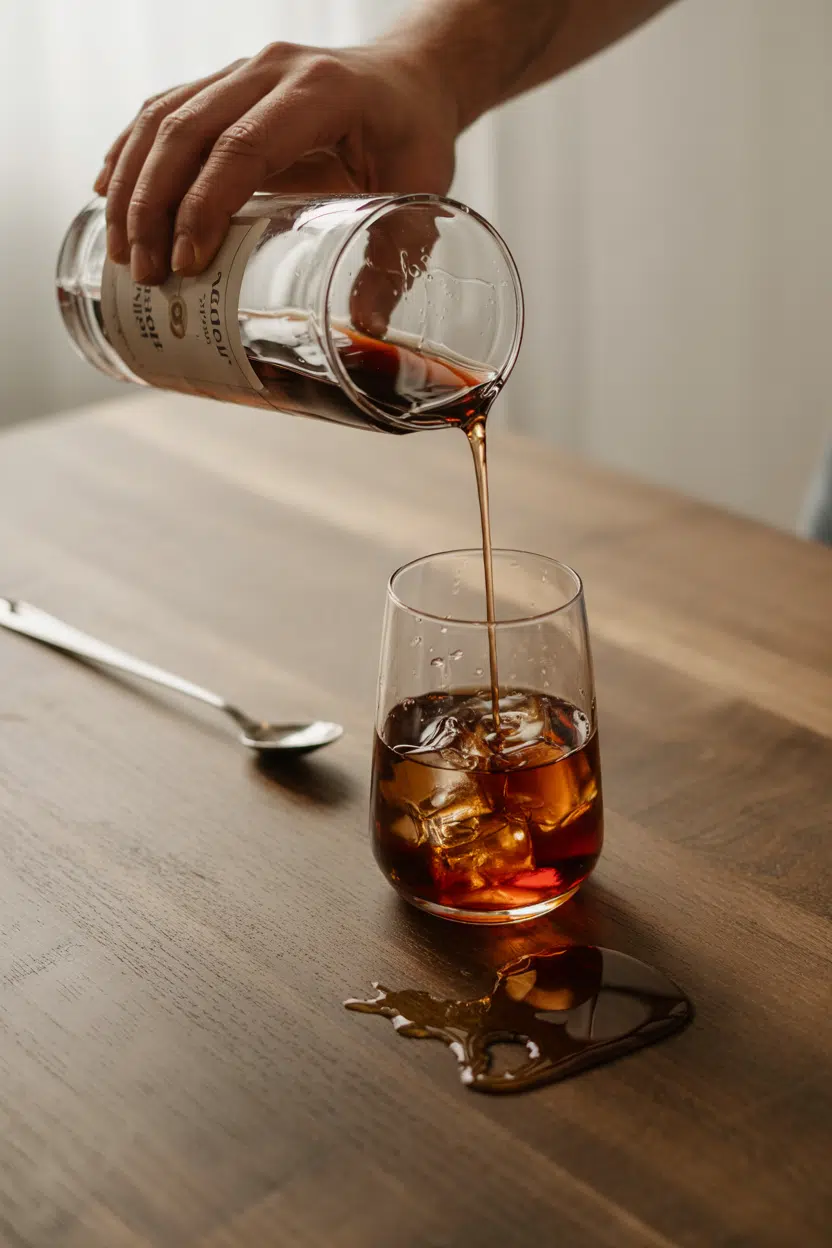
High acidity is the first thing you notice - it's sharper and more persistent than sherry or tawny port, cutting through the sweetness in even the richest Malmsey styles. Behind that comes a wave of caramelized sugar, baked orange peel, and walnut.
The canteiro aging method - slowly maturing barrels in warm rooftop lofts - concentrates dried fig and almond notes you won't find in heated-tank versions.
Texture shifts significantly across styles: Sercial is almost medium-bodied and brisk, while Malmsey coats the palate with a syrupy, lingering finish.
How to Use Madeira Wine
Deglazing is where Madeira earns its place on a professional stove. Pour it into a hot pan after searing beef or pork, and it lifts the fond instantly - the acidity and residual sugar reduce into a glossy, deeply savory Madeira sauce in minutes.
For braises and stews, stir a generous splash into beef daube or game dishes late in the cooking process rather than at the start, which preserves the wine's aromatic complexity.
Mushrooms and caramelized onions absorb Madeira beautifully when added to the pan after softening.
| Method | Best For | Tip |
|---|---|---|
| 🥩 Deglazing | Roast beef, pork, game pan sauces | Use medium-dry Verdelho for balanced acidity and body |
| 🍲 Braising | Beef daube, venison, root vegetables | Add near the end to keep aromatic depth |
| 🫙 Reducing | Glazes for mushrooms, roasted veg | Simmer low and slow - it scorches quickly at high heat |
| 🍰 Baking & Desserts | Poached pears, fruit cakes, cream sauces | Malmsey adds caramel and dried-fruit depth with no extra sugar needed |
| 🥂 Sipping | Aperitif (Sercial) or dessert wine (Malmsey) | Serve slightly chilled for dry styles, room temp for sweet |
Avoid pairing Madeira with delicate fish or fresh green salads - its intensity overwhelms subtle flavors. Dry Sercial is the exception, used sparingly with leaner seafood preparations.
For dishes where Madeira isn't available, knowing your alternatives to madeira wine prevents a recipe from stalling entirely.
How to Buy and Store Madeira Wine
Read the label for style, not just price. Sercial means dry and brisk; Malmsey means sweet and rich. For everyday cooking, a younger blended bottle or one labeled "Reserve" (aged a minimum of five years) is entirely sufficient. For sipping, look for a named single-grape variety, check cork condition, and verify the fill level is close to the neck.
Storage is straightforward.
Unopened bottles keep upright in a cool, dark place for years - vintage bottles can hold for decades.
After opening, cork the bottle and refrigerate it; the guidance on storing madeira wine correctly confirms that most opened bottles remain in good condition for six months to over a year.
This is far longer than most wines and stems directly from the high acidity and alcohol developed during heat aging.
Where to Start With Madeira
Madeira rewards specific choices. Don't buy a random bottle - pick the style that matches your first use case.
- First cooking bottle - Go Verdelho or a blended Reserve; it handles sauces and braises without pushing too sweet or too sharp.
- First sip - Try a Bual; it shows off Madeira's dried-fruit and caramel character without the full intensity of Malmsey.
- Cheese board pairing - Malmsey alongside aged hard cheese or blue cheese is the format where this wine makes the strongest case for itself.
If sherry is already in your kitchen, understand that the two overlap - but Madeira's higher acidity and cooked caramel note make it distinctly bolder in cooked applications, and the difference becomes clear when you explore replacements for sherry in a recipe.
Frequently Asked Questions
Both exist. Sercial is the driest style, Verdelho is medium-dry, Bual is medium-rich, and Malmsey is the sweetest. Even sweet Malmsey retains noticeable acidity, which keeps it from tasting cloying.
Yes, and it performs well in hot pans. Its high acidity and caramel notes hold up through deglazing and reduction without turning bitter, which makes it better suited to cooked sauces than many other fortified wines.
Most opened Madeira keeps well for six months to a year or more when corked and refrigerated. Its heat-aged oxidative structure means exposure to air after opening causes far less deterioration than in standard table wines.
Both are fortified and oxidatively aged, however Madeira has distinctly higher acidity and a "cooked" caramel note from estufagem heating that sherry lacks. Sherry tends to be nuttier and less tangy in equivalent sweetness levels.
For cooking, a blended bottle is fine and usually cheaper. For sipping, named varieties like Bual or Sercial signal both sweetness level and higher-quality production with longer canteiro aging than basic blends.



