
Mace does something in a dish that allspice alternatives and blunt-edged spices can't quite replicate - it sharpens a sauce without dominating it, adds warmth without the heaviness of whole nutmeg, and brings a faintly floral, resinous lift to everything from béchamel to braised pork.
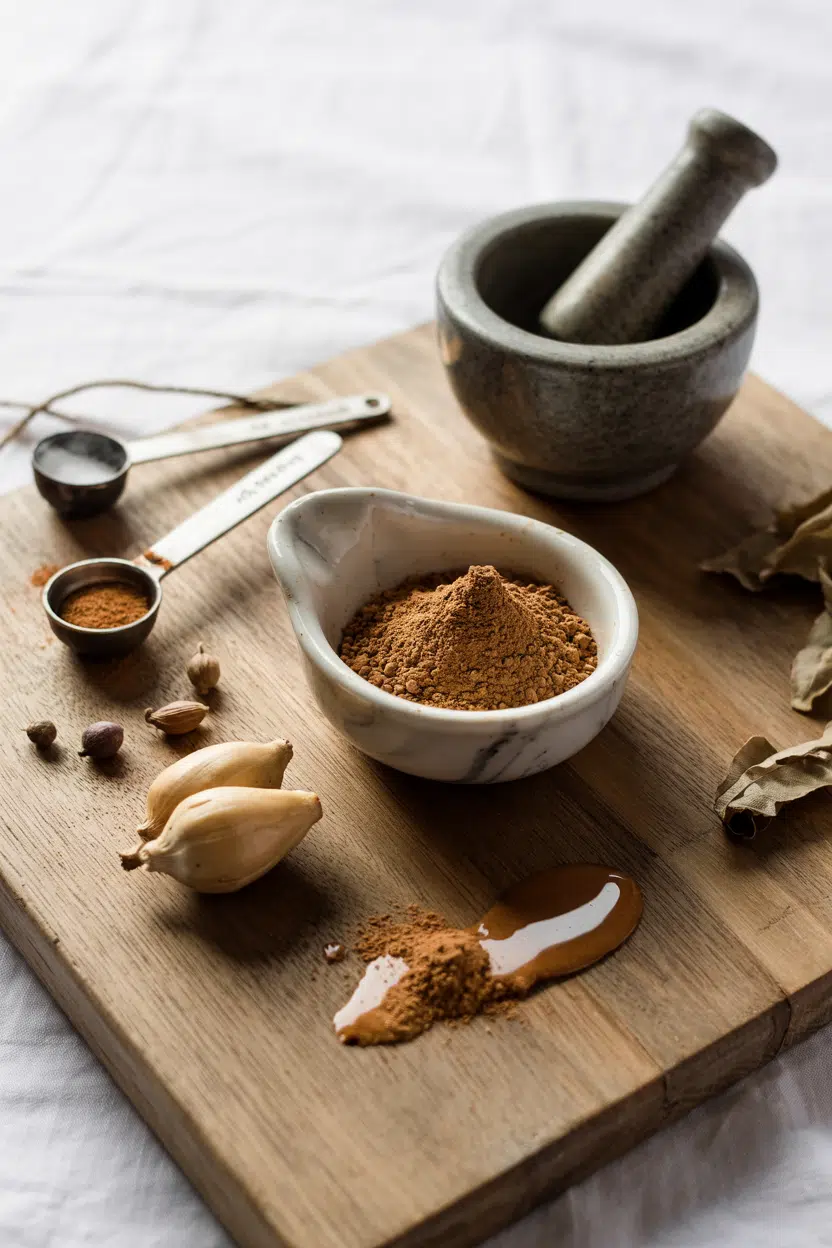
It's the spice most cooks overlook and then wonder what's been missing.
Mace is the lacy aril surrounding the nutmeg seed, dried into brittle blades or ground into orange-brown powder. It tastes like nutmeg - sharper, more aromatic, slightly floral. Use it in cream sauces, baked goods, spice blends, and mulled drinks. Whole blades last 2-3 years; ground mace fades within a year.
What Is Mace?
Mace is the aril - a thin, lacy membrane - that wraps around the nutmeg seed of Myristica fragrans, a tropical tree native to the Maluku Islands of Indonesia.
Remember it later
Planning to try this recipe soon? Save it for a quick find later!
Fresh off the tree, it's vivid red-orange; once dried, it becomes brittle, amber-colored ribbons known as mace blades.
Both mace and nutmeg come from the same fruit, making Myristica fragrans one of the rare plants that yields two distinct commercial spices.
Mace has been traded globally since the spice routes of the 15th century, when Dutch and Portuguese merchants competed fiercely for control of the Maluku Islands.
You'll find it sold two ways:
- Whole mace blades - the intact dried aril, used for steeping in liquids or toasting in fat
- Ground mace - milled blades, ready to fold into dry mixes or finish a sauce
It's also called mace spice or simply blades in older European recipes. Some spice suppliers label it the aril of nutmeg, though that phrasing is rare in grocery contexts.
What Does Mace Taste Like?

Mace tastes like a sharper, brighter version of nutmeg - warm and slightly sweet, with a peppery edge and a resinous, camphor-like finish that nutmeg doesn't carry as cleanly. Freshly ground mace adds a noticeable citrus flicker that fades once the spice ages.
Heat softens the camphor edge and pushes the floral notes forward, which is why mace works so well in cooked cream sauces. Used raw - stirred into a cold custard or dusted over eggnog - the peppery quality is more pronounced.
It shares some piney, resinous notes with allspice and clove, though mace reads brighter and less sweet than either.
How to Use Mace
Mace earns its place in both savory and sweet cooking, and the form you use - whole blades vs. ground - changes the approach significantly.
In savory cooking, bloom a blade or two in hot butter or oil before building a béchamel or cream-based pasta sauce. The fat pulls out the essential oils fast, giving the sauce a warm depth without visible specks of spice.
Indonesian and Malay cooks do the same when starting a curry base, where mace pairs well with lemongrass, galangal, and coconut milk.
Ground mace works best when folded into dry mixes: cake batters, sausage rubs, spice blends for meat. A pinch in a pork sausage mix is a classic European technique that lifts the overall seasoning without any single note standing out.
It also belongs in holiday baking - cakes, custards, and eggnog benefit from it the same way Swedish cardamom buns use cardamom: as a background warmth, not a headline flavor.
For drinks, whole mace blades steep beautifully in mulled wine, cider, and chai without turning bitter. Drop one or two into the simmering liquid and pull them before serving.
| Method | Best For | Tip |
|---|---|---|
| 🧈 Bloomed in Fat | Cream sauces, curry bases, sautéed dishes | Use whole blades; remove before serving |
| 🎂 Ground into Dry Mix | Cakes, custards, sausage rubs, spice blends | Add at the end; measure carefully - it's potent |
| 🫖 Steeped in Liquid | Mulled wine, poaching liquids, syrups, stocks | Whole blades only; steep 10-20 minutes, then strain |
| ✨ Finished Dish | Eggnog, béchamel, custard, warm beverages | Freshly ground gives the brightest citrus note |
Mace doesn't suit delicate green herbs or light white fish - it will simply overpower them. Keep it away from dishes where fresh basil or dill carries the flavor.
How to Buy and Store Mace
Whole mace blades are the smarter purchase for most cooks. Look for deep red-orange pieces that feel slightly waxy rather than completely desiccated. Pale, powdery flakes with no scent have already lost most of their value.
For ground mace, the color should be a rich orange-brown - not beige. Lift the lid and smell it: resinous and piney means it's still viable; musty or flat means skip it.
Store whole blades in an airtight container away from heat and light. Ground mace needs the same conditions but has a shorter window.
Check our mace storage guide guide for specifics on when to replace your stock.
- Whole blades - up to 2-3 years in an airtight jar
- Ground mace - 6-12 months before aroma fades significantly
- Both lose potency, not safety - they won't spoil, they'll just become inert
Start With the Blades
If you're new to mace, buy whole blades first. Drop one into your next batch of mulled wine or simmer it in a cream sauce - no grinding, no measuring, easy to remove.
Once you understand the flavor, reach for mace replacements only when you're completely out; nothing matches it exactly. Ground mace comes next, once you know how much warmth your cooking can carry.
Frequently Asked Questions
Mace is sharper and more aromatic than nutmeg, with a peppery edge and a camphor-like finish. Nutmeg is earthier and sweeter. Both come from the same plant, but mace carries a brighter, more floral character.
Yes, in most recipes. Use about three-quarters of the amount called for, since nutmeg is slightly stronger in sweetness but less aromatic. The dish will taste similar but lose mace's floral, citrusy edge.
Normal culinary amounts - a pinch in a sauce or baked good - are generally considered low risk. However, mace contains myristicin, which can be harmful in large doses, so medicinal use or concentrated supplementation is not recommended during pregnancy.
Keep them in an airtight glass jar, away from heat, light, and moisture. A cool, dark pantry is sufficient - no need for the refrigerator. Stored correctly, blades hold aroma for 2-3 years.
Yes - it's one of mace's best applications. Whole blades steep into hot wine or cider without turning bitter the way ground spices can. Pull them after 15-20 minutes; check what to serve with mulled wine for pairing ideas once your batch is ready.



