
You spot it at the store - a small bag of pale powder labeled "maca root" - and wonder what it actually does in a recipe.
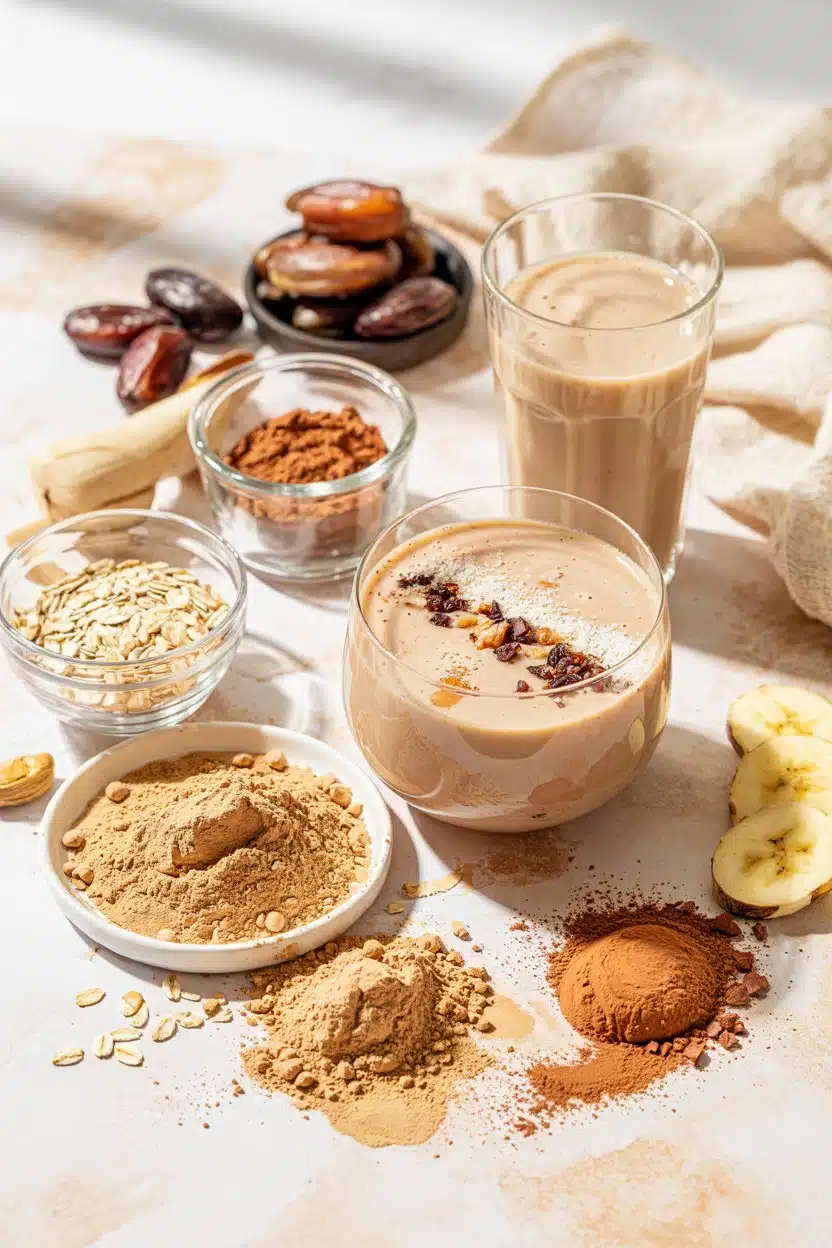
It's not a spice, not a protein powder, not quite a flour. Maca powder is ground dried root from the Peruvian Andes, and it earns its place in a recipe through a quiet, malty depth that few other pantry ingredients can replicate.
Maca powder is a fine, beige root vegetable powder with an earthy, malty flavor and faint caramel notes. It's used in smoothies, lattes, baked goods, and energy snacks as both a functional ingredient and a secondary flavoring. Shelf life runs 6-24 months depending on whether the bag has been opened.
What Is maca powder?
Maca powder comes from *Lepidium meyenii*, a root vegetable native to the high-altitude grasslands of the central Andes in Peru, where it has been cultivated for over 2,000 years.
Remember it later
Planning to try this recipe soon? Save it for a quick find later!
The roots are dried and ground into a fine powder sold under names like maca root powder, Peruvian maca, or simply maca root.
Color varies by variety - yellow maca is the most common, while red maca and black maca are less abundant and each carry subtly different compound profiles.
Processing method matters here. Raw maca retains more active enzymes but has a sharper, more bitter edge. Gelatinized maca is cooked under pressure before milling, which reduces starches and makes it easier to digest while mellowing the raw bitterness.
Most commercial bags are gelatinized unless labeled otherwise.
Flavor
Texture
Aroma
Moderate
What Does maca powder Taste Like?
The closest comparison is malted barley - that same toasted, grain-forward sweetness you get in a malted milkshake, but earthier and less sugary. Some people also catch a faint butterscotch or light caramel note underneath, especially in gelatinized powder.
Raw maca pushes the bitterness forward and the sweetness back.
Heat has a real effect on the flavor.
Blended cold into a smoothie with banana and cacao, the malty notes integrate smoothly and the bitterness almost disappears.
Baked at high heat for a long time, that bitterness can intensify and become the dominant note - which is why it works better as a background player in muffins and cookies than as a standalone flavoring.
The texture on the tongue is fine but slightly chalky when dry-stirred into something without enough liquid. Whisk it into warm milk properly and it dissolves without grit.
How to Use maca powder
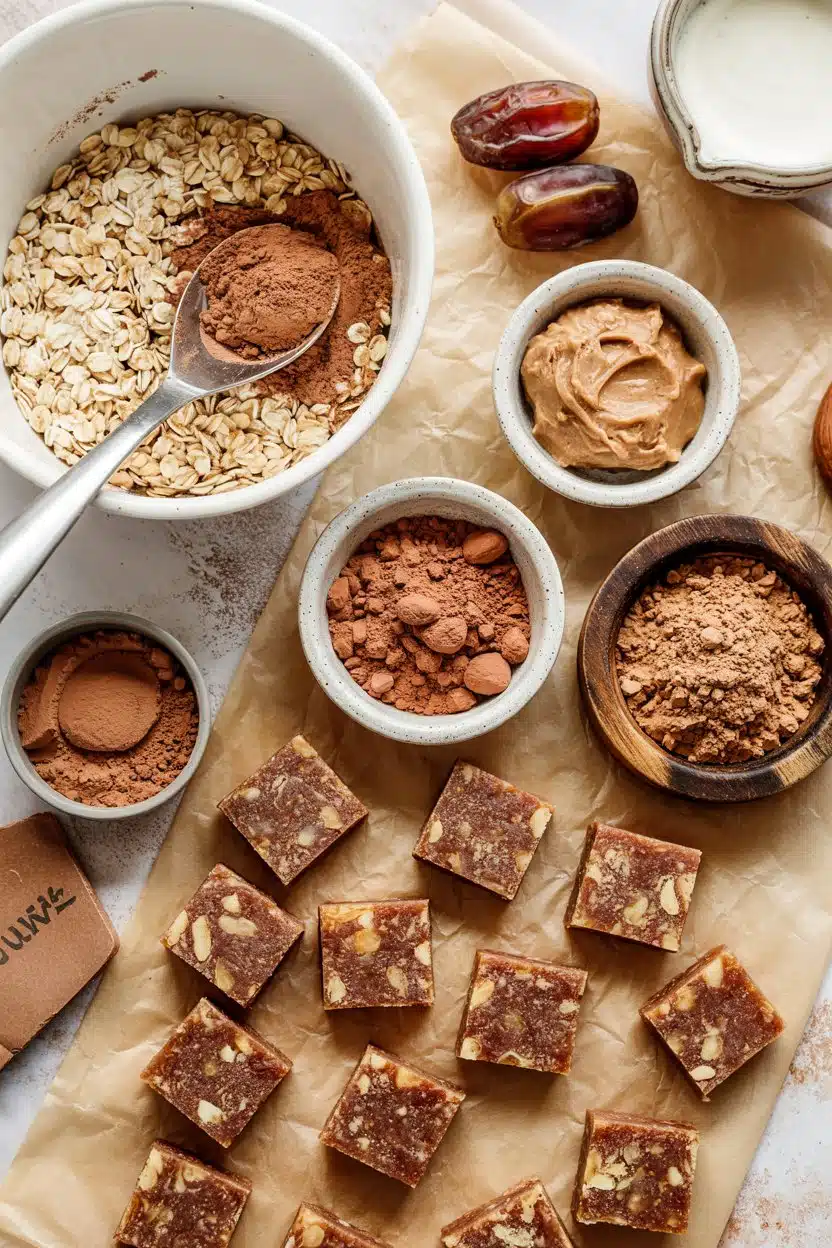
Start with one teaspoon per serving and adjust from there. The malty character plays well in recipes that already have sweetness or richness to balance it - banana smoothies, chocolate-based drinks, oatmeal.
If a recipe isn't working, check out maca powder swaps that work for options that come close to the same depth.
| Method | Best For | Tip |
|---|---|---|
| 🥗 Cold Blend | Smoothies, smoothie bowls, protein shakes | Add with banana or cacao to round out bitterness |
| ☕ Warm Liquid | Maca latte, oatmeal, porridge | Whisk into hot milk off direct heat to avoid scorching |
| 🧁 Baked | Muffins, cookies, pancake batter | Use moderate temperatures; keep as secondary flavoring |
| ⚡ No Heat | Energy balls, granola, protein bars | Mix with oats, honey, and cacao for a malt-bar effect |
| ✨ Finishing | Dusted over ice cream or chocolate desserts | Use sparingly - a half-teaspoon is enough for contrast |
🌿 Wellness / Health-Food
banana
oats
honey or maple syrup
vanilla
creamy plant milks
cinnamon
How to Buy and Store maca powder
Look for finely milled powder with an even color - pale yellow for standard yellow maca, deeper tones for red or black varieties. Avoid bags with large dark clumps or any musty smell when opened.
Packaging should be sealed and opaque, and the label should note the origin (Peru) and whether the powder is raw or gelatinized.
Store in a cool, dark place away from heat sources. Unopened bags last 12-24 months; once opened, plan to use the powder within 6-12 months.
For a full breakdown of what to look for when the powder is past its prime, see maca powder spoilage signs.
Start Here if You're New to Maca
Try it in a smoothie first.
Blend one teaspoon with banana, cacao powder, oat milk, and a drizzle of honey - that combination shows the malty note without any bitterness getting in the way.
Once you know what you're working with, it's straightforward to add it to baked goods or a morning latte.
One teaspoon per day is a reasonable starting point before scaling up.
Frequently Asked Questions
For most healthy adults, daily use at typical food amounts (1-3 teaspoons) is considered safe. However, maca is a brassica-family plant and contains glucosinolates, so people with thyroid conditions should get clearance from a clinician before making it a daily habit. Long-term high-dose use hasn't been studied thoroughly in clinical trials.
One teaspoon (about 3-5 grams) per serving is the standard starting amount for smoothies and lattes. Baked goods can handle up to one tablespoon per batch without the flavor becoming dominant. Start low - the earthy bitterness compounds if you overshoot.
No. Maca powder is naturally caffeine-free, which is why it's often used as a base for morning drinks by people avoiding coffee or tea. Any energy-related effects attributed to maca come from its macamide and glucosinolate content, not from stimulants.
Raw maca is dried and milled without heat, preserving more active enzymes but delivering a sharper, more bitter flavor that some people find harder to digest. Gelatinized maca is pressure-cooked before milling, which breaks down starches, reduces bitterness, and makes it gentler on the stomach. For most recipes, gelatinized powder produces a cleaner, more predictable result.
It doesn't dissolve the way sugar does - it disperses. In a blender or with thorough whisking in warm liquid, the fine particles distribute evenly and the texture becomes undetectable. Stirred into cold water alone without agitation, it will settle and leave a slightly chalky residue at the bottom.



