
Most people treat liquid smoke like a shortcut and reach for too much of it.
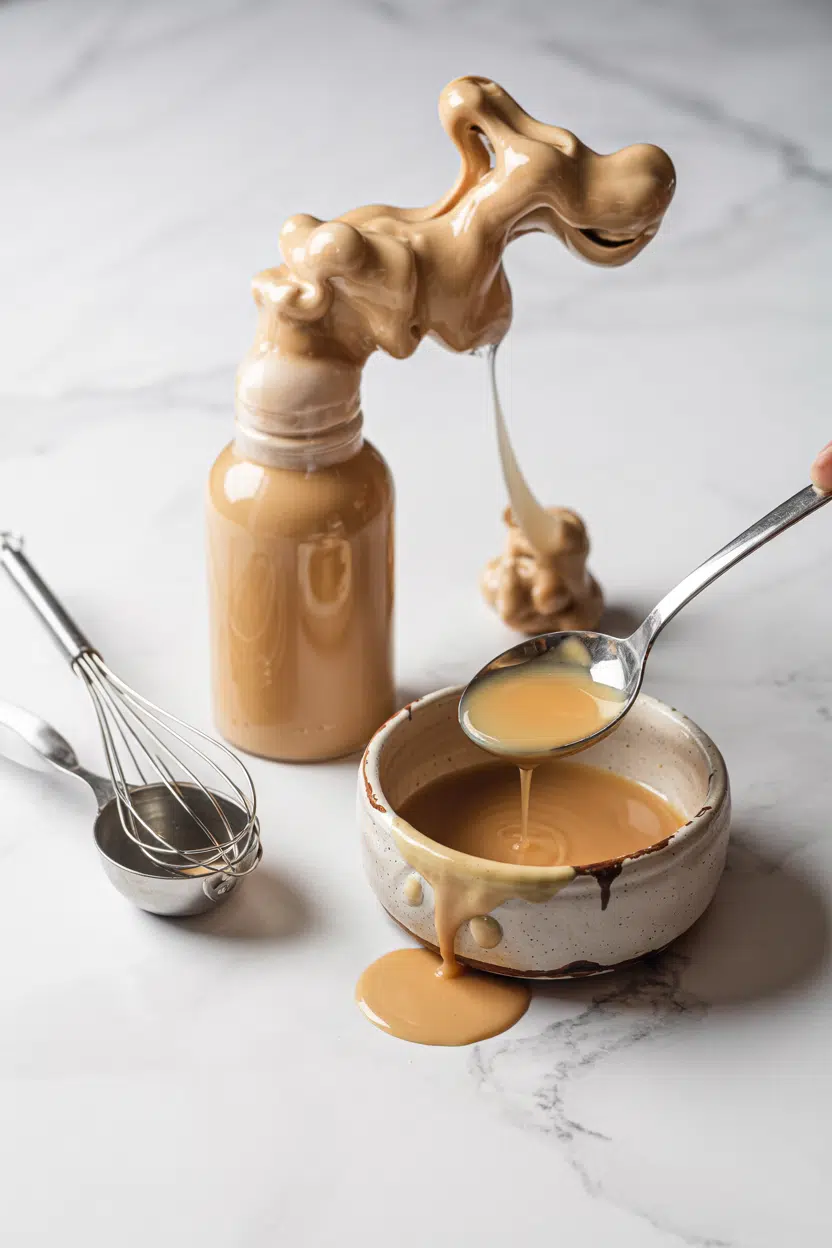
One drop too many and a BBQ sauce turns acrid; the smoke stops tasting like a wood fire and starts tasting like an ashtray.
Understanding this concentrate - and exactly how restrained to be with it - is what separates a convincing smoked dish from an unpleasant one.
Unlike smoked salt and its flavor, which spreads smoke evenly through seasoning, or smoked paprika swaps that work built around dried chile heat, liquid smoke delivers pure condensed wood vapor with nothing else underneath it.
Liquid smoke is a wood smoke condensate used in tiny amounts to replicate pit-smoke flavor indoors. It's intensely smoky, slightly bitter, and faintly sweet. Use it in sauces, marinades, and braises - a few drops at a time.
What Is Liquid Smoke?
Liquid smoke is a flavoring concentrate produced by burning hardwood, then channeling the smoke through cold water to condense it into a dark, syrupy liquid.
Remember it later
Planning to try this recipe soon? Save it for a quick find later!
That process captures the volatile aromatic compounds - primarily phenols, carbonyls, and acids - responsible for the flavor we associate with slow-smoked meat.
It has been commercialized in North America since the late 1800s and is widely available under names like smoke concentrate, wood smoke extract, or liquid-smoke seasoning. The wood type determines the character of the final product.
- 🪵 Hickory - the most common variety; bold, bacon-like smoke with a dry finish
- 🌵 Mesquite - sharper, earthier, and more intense than hickory
- 🍎 Apple wood - lighter, slightly sweet, better for poultry and pork
Undiluted, the liquid is thin but feels almost syrupy and stains everything it contacts. Diluted in a sauce or marinade, it disperses invisibly while the aroma does the work.
What Does Liquid Smoke Taste Like?

Liquid smoke tastes like concentrated cold-smoke - specifically the outer bark and char of smoked wood, not the fatty drippings or meat juices from an actual pit.
The flavor hits in layers: sharp smoke upfront, a bitter-char middle note, then a faint sweetness from natural wood sugars that lingers at the back of the palate.
The phenolic backnote is the detail most people notice when something is over-smoked.
That earthy, almost medicinal edge amplifies sharply with heat - which is why adding liquid smoke after cooking, or early in a long braise where it mellows, matters more than most recipes acknowledge.
How to Use Liquid Smoke
Start with 1-2 drops, not teaspoons. That single rule prevents most overcooking mistakes.
Liquid smoke belongs in dishes that benefit from low, slow smoke flavor without the equipment.
American BBQ-style cooking is the home territory here.
Stir a drop or two into homemade BBQ sauce alongside tomato, brown sugar, and mustard.
For baked beans, a small measure stirred into the pot during cooking adds the smoked-meat backbone that a vegetarian version lacks - and if you're thinking about what to serve alongside, what pairs with baked beans covers the full spread.
Vegan and vegetarian applications are where liquid smoke earns its keep most clearly. Brush a diluted solution onto keeping tofu fresh isn't the concern here - it's about getting liquid smoke to adhere before pan-searing, which a quick dry-press and thin coat handles well. Mixed into a vegetarian chili with soy sauce, smoked paprika, and onion, it creates a convincing smoked-meat illusion without any animal product.
| Method | Best For | Tip |
|---|---|---|
| 🥫 Stirred in | BBQ sauce, baked beans, chili | Add off heat so phenols don't amplify |
| 🧴 Marinade | Pork shoulder, tofu, seitan | 1 teaspoon per cup of marinade is plenty |
| 🍳 Braise/slow-cook | Pulled meats, beans, collards | Add early - long cook time mellows bitterness |
| 🖌️ Finishing brush | Steaks, tofu slabs, roasted veg | Dilute 1:4 with water or oil before brushing |
| 🥄 Condiment blend | Smoked mayo, aioli, dressings | One drop per 4 tablespoons of base |
Liquid smoke pairs naturally with tomato-based sauces, molasses, mustard, soy sauce, and garlic. Avoid using it with delicate raw seafood or light green salads where it will simply overpower everything else present.
How to Buy and Store Liquid Smoke
Read the ingredient label before buying. A clean product lists water and natural smoke flavor - nothing else.
Avoid bottles with vague "flavorings" or added caramel color, which can mask lower-quality smoke extract. Prefer glass bottles over plastic; they hold aroma longer and don't absorb the concentrated phenols into the container walls.
Store unopened bottles upright in a cool, dark pantry; they keep well for 2-3 years.
After opening, cap tightly and refrigerate if the label recommends it, or keep in a dark pantry away from heat sources.
For a full breakdown of timeline and signs of degradation, keeping liquid smoke fresh covers the details.
Opened bottles hold their quality for 6-12 months before the aroma starts to flatten.
Start Here if You're New to Liquid Smoke
If you've never used it before, hickory is the right entry point. It's forgiving, widely available, and matches the flavor profile most people already associate with BBQ.
Your first use should be a simple one: stir a single drop into a store-bought BBQ sauce and taste the difference.
That comparison teaches you what the concentrate actually contributes before you add it to anything you've built from scratch.
If you find you'd rather skip it entirely, liquid smoke stand-ins covers the closest alternatives - and bbq sauce swaps that work helps if you need to rethink the whole base.
Frequently Asked Questions
Hardwood is burned and the smoke is passed through cold water, condensing the volatile compounds into a concentrated liquid. Most commercial versions filter out heavier particles, leaving primarily water, phenols, carbonyls, and organic acids.
Real liquid smoke is natural - it's actual wood smoke condensed into water. Products listing "natural smoke flavor" on the label use this process; those listing vague "flavorings" may use synthetic approximations instead.
Start with 1-2 drops per cup of sauce or marinade, then taste before adding more. Most recipes that call for a teaspoon actually need far less - the concentrate is significantly stronger than its volume suggests.
Commercial liquid smoke is filtered to remove most polycyclic aromatic hydrocarbons (PAHs), which are the compounds of concern in direct smoke. The FDA considers filtered liquid smoke safe at normal culinary quantities.
Yes, but dilute it first - straight concentrate brushed on cold food is almost always too strong. A 1:4 ratio with water or a neutral oil works well as a no-cook finishing application on cured meats or firm vegetables.



