
Drizzle linseed oil over a bowl of roasted beets and watch it settle into the crevices - nutty, faintly green, with a sharpness that olive oil never delivers.
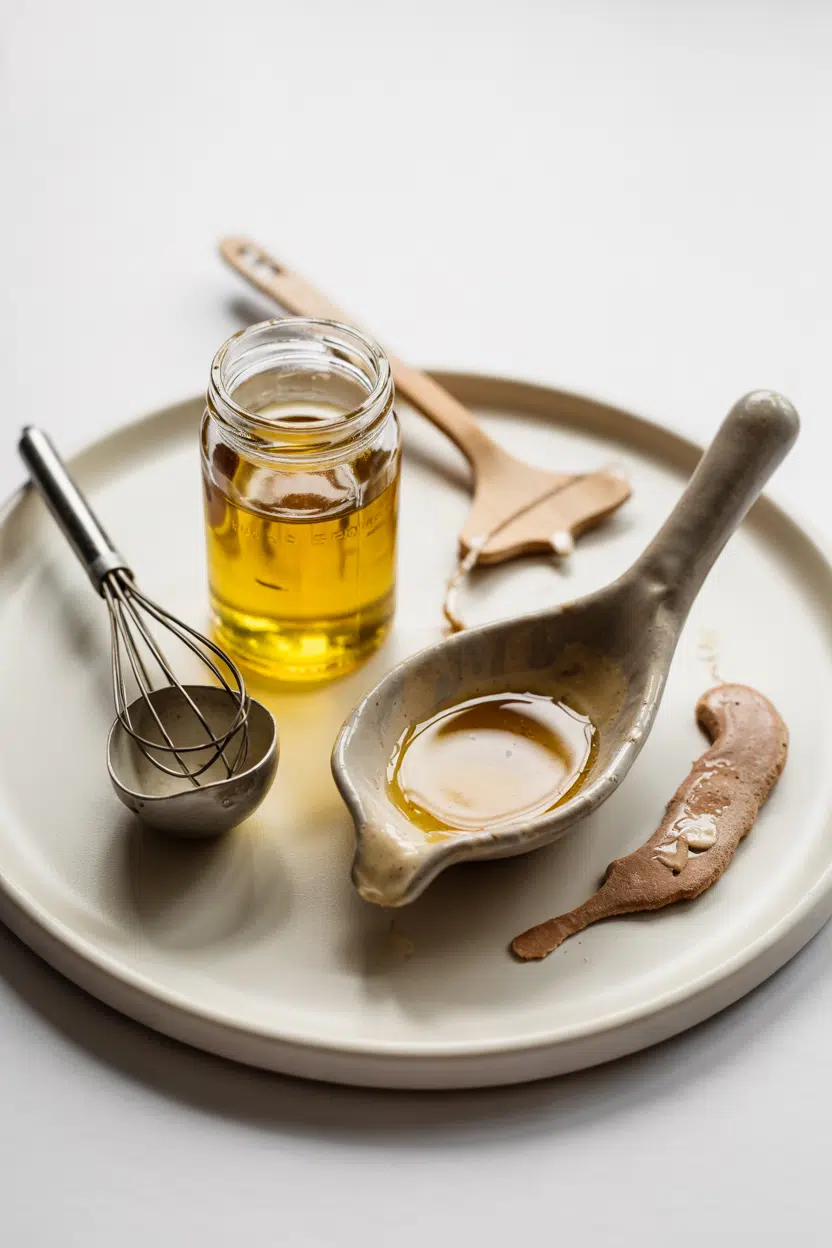
This is a finishing oil, not a cooking medium, and knowing that distinction is what separates a ruined pan from a genuinely good dressing.
It shares some common ground with walnut oil stand-ins and swapping out hemp oil when exploring cold-pressed seed oils, but linseed oil has its own character worth understanding on its own terms.
Linseed oil (also sold as flaxseed oil) is a cold-pressed seed oil with a nutty, grassy flavor and a bitter finish. Use it raw as a finishing oil - over vegetables, in dressings, or stirred into purees. It degrades at heat, so keep it refrigerated and use it within six to eight weeks of opening.
What Is linseed oil?
Linseed oil is cold-pressed from the seeds of flax (Linum usitatissimum), a plant cultivated across temperate Eurasia for thousands of years.
Remember it later
Planning to try this recipe soon? Save it for a quick find later!
The food-grade version - often labeled flaxseed oil on retail shelves - is pressed without heat to preserve its polyunsaturated fat profile and distinct flavor compounds.
The two names refer to the same oil. "Linseed" is the traditional industrial term used for paints and wood treatments, while "flaxseed oil" signals the edible, food-grade product. Always confirm you're buying the edible version.
Most bottles are golden-amber in color and sold in dark glass to slow light-induced oxidation. A few varieties differ slightly in flavor intensity depending on the flax variety and pressing conditions, however the core profile remains consistent.
- 🌱 Origin - Temperate Eurasia; now cultivated globally in Canada, Russia, and Kazakhstan
- 🏷️ Also called - Flaxseed oil, flax oil, edible linseed oil
- 🧴 Category - Cold-pressed seed oil, high in polyunsaturated fats
- ⚠️ Key distinction - Industrial linseed oil is NOT edible; always buy food-grade
What Does linseed oil Taste Like?

Linseed oil leads with a nutty, slightly grassy flavor - not the mild, buttery roundness you get from olive oil, but something greener and more assertive.
The mid-palate is slick and coating, and then a bitter, slightly astringent finish arrives that lingers longer than most oils.
It tastes closest to raw walnut oil but with a sharper herbal edge, or to fresh hemp oil but without the earthy depth. Freshness matters enormously here.
An oil past its prime develops a fishy or paint-like off-note - a sign of oxidation, not a normal characteristic of the oil.
How to Use linseed oil
Linseed oil belongs in cold and room-temperature applications only. Its low smoke point and high polyunsaturated fat content mean it degrades fast under heat, losing both flavor and nutritional value.
Add it after cooking, not during.
In Northern and Eastern European kitchens - Baltic and Scandinavian especially - it appears as a finishing drizzle over boiled potatoes, rye bread, and beet salads.
Those pairings work because the oil's grassy bitterness cuts through starchy, earthy vegetables without overwhelming them.
If you need a swap for a different finishing oil, ideas for swapping out olive oil apply to similar low-heat contexts.
| Method | Best For | Tip |
|---|---|---|
| 🥗 Raw Drizzle | Roasted beets, boiled potatoes, rye bread | Add just before serving; heat kills the flavor |
| 🥣 Stirred In | Mashed potatoes, purees, yogurt bowls | Swirl in off-heat for sheen and omega-3 boost |
| 🫙 Dressings | Vinaigrettes, gremolata-style cold sauces | Pair with lemon or apple cider vinegar to balance bitterness |
| 🥤 Blended | Smoothies, cold marinades for smoked fish | Use sparingly - flavor is assertive in liquid preparations |
Linseed oil pairs naturally with dill, lemon, and smoked fish - a combination that appears across Scandinavian-inspired cooking. For anyone exploring alternatives, a look at linseed oil stand-ins covers oils that can approximate the same nutty-grassy profile in dressings.
How to Buy and Store linseed oil
At the store, look for bottles labeled "cold-pressed" and "food-grade" - both terms should appear on the label. A good bottle is golden-amber, clear, and housed in dark glass.
Avoid anything cloudy, very dark brown, or with a smell you can detect through the sealed cap.
Once opened, refrigerate immediately and keep the cap tight. Oxidation is the main enemy, and **storing linseed oil correctly](https://forkliftkitchen.com/linseed-oil-shelf-life/) makes a significant difference to both flavor and omega-3 retention over time.
- Unopened - Store in a cool, dark place; good for roughly 6-12 months
- Opened - Refrigerate and use within 6-8 weeks for best flavor
- Discard if - You detect any fishy, painty, or sour off-smell
Start With a Small Bottle
Linseed oil is a commitment only if you buy more than you'll use.
Start with the smallest available bottle, keep it cold, and reach for it over roasted root vegetables or stirred into a vinaigrette with lemon and dill.
Understanding walnut oil in cooking helps frame how linseed oil fits - both are delicate, cold-use oils, however linseed is sharper and more nutritionally focused.
Use it cold, use it fresh, and use it within weeks of opening.
Frequently Asked Questions
Yes, they're the same oil from the same plant. "Linseed" is the traditional industrial term; "flaxseed oil" signals the food-grade, edible product. Always confirm the label says food-grade or edible before using it in cooking.
Not with direct heat. Its low smoke point and high polyunsaturated fat content cause it to break down quickly when heated, producing off-flavors. Use it only as a finishing oil, added after cooking is done.
About 6-8 weeks when refrigerated and tightly sealed. Unopened bottles kept in a cool, dark place last 6-12 months. Discard earlier if you detect any fishy or paint-like smell.
Fresh linseed oil doesn't taste fishy - that smell indicates oxidation and rancidity. A good, fresh bottle tastes nutty and grassy with a bitter edge. The fishy note is a sign to discard it.
Smell it. Rancid linseed oil develops a distinct fishy, painty, or sour odor that's easy to identify. Taste confirmation isn't needed - if the smell is off, the oil is past use.



