
You spot it at the back of the freezer at a dinner party - a frosty yellow bottle with an Italian label, short and squat.
Limoncello is one of those bottles people own but rarely know what to do with beyond pouring a cold shot after dinner.
That's a waste. Limoncello works across cocktails, desserts, and marinades once you understand what makes it different from other citrus liqueurs.
Limoncello is a sweet, intensely lemony Italian liqueur made from lemon zest steeped in neutral spirit. It delivers concentrated citrus oil flavor - not juice - with a silky mouthfeel and clean alcoholic warmth. Serve chilled, stir into cocktails, or drizzle over gelato.
What Is Limoncello?
Limoncello is a citrus-based liqueur from Southern Italy, produced by steeping lemon zest in a neutral spirit - traditionally grain alcohol or grappa - then blending with simple syrup.
Remember it later
Planning to try this recipe soon? Save it for a quick find later!
The result is a bottled infusion of lemon oil, not lemon juice, which is what sets it apart from other citrus spirits.
The liqueur's identity is tied to the Amalfi Coast and Sorrento, where sfusato amalfitano and Sorrento lemons are prized for their thick, fragrant rinds. Those rinds are the product, not the fruit inside.
Understanding that one fact explains the flavor entirely.
You'll also find it labeled as lemoncello or limoncello di Capri, depending on the region and producer. Cream-based versions - limoncello crema - blend the liqueur with dairy for a richer, dessert-style drink, though that's a separate category with a shorter shelf life.
Unlike creme de cassis alternatives or similar sweet liqueurs, limoncello has a distinctly oily, aromatic quality that comes directly from citrus essential oils in the peel.
What Does Limoncello Taste Like?
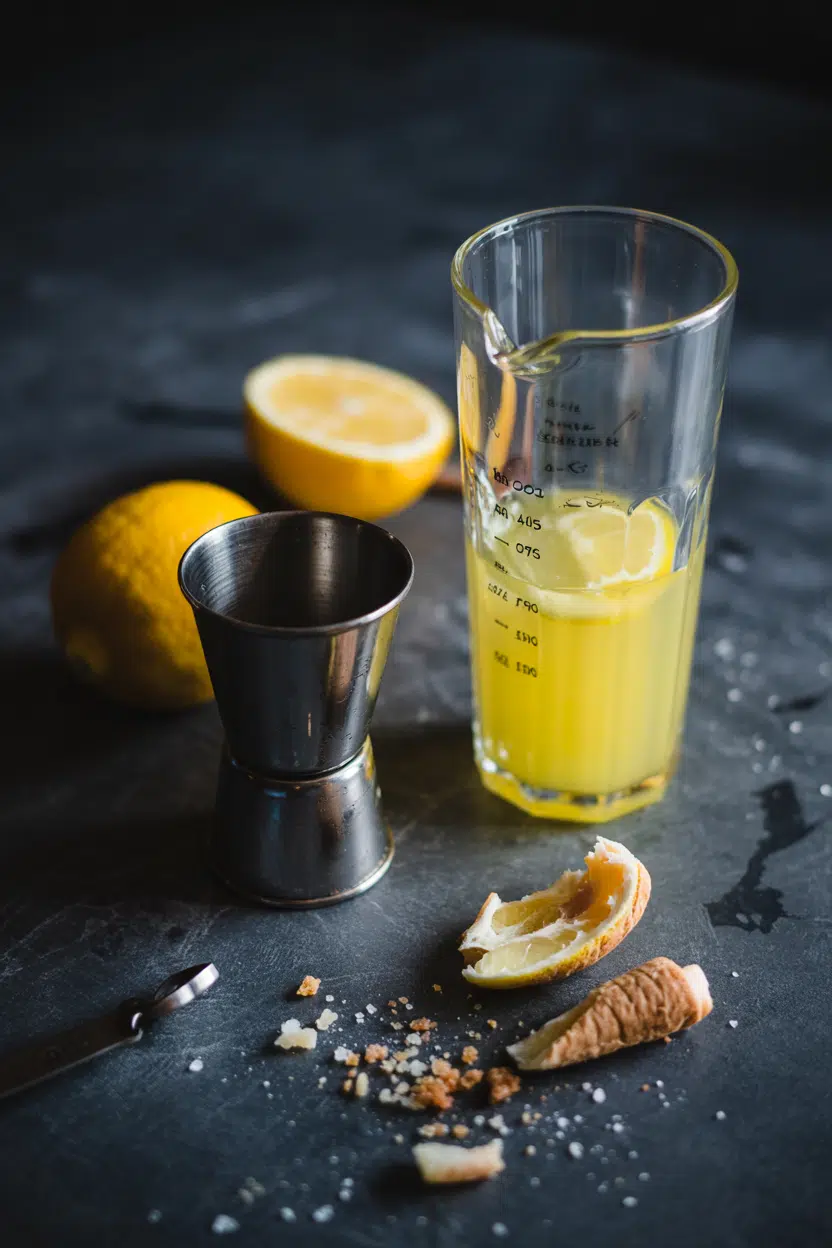
Limoncello doesn't taste like lemonade. Lemonade is juice-forward, tart, and watery; limoncello is concentrated lemon oil folded into sweet syrup with a clean alcoholic warmth underneath.
The texture is notably slick and oily on the tongue - that's the citrus essential oil at work, not a manufacturing additive. It gives limoncello a mouthfeel closer to a liqueur than a spirit, lingering slightly after each sip.
Serve it ice-cold and the sweetness recedes, letting the bitter peel notes sharpen. At room temperature, the sugar becomes more dominant and the alcoholic warmth is more noticeable.
Chilled is the correct way to drink it.
How to Use Limoncello
Limoncello earns its place at the table in more ways than a post-dinner shot. Southern Italian cooking and Mediterranean-inspired menus use it as both a flavoring and a finishing liquid.
| Method | Best For | Tip |
|---|---|---|
| 🥂 Chilled Pour | Digestif, after-dinner shot | Keep the bottle in the freezer; serve in a frosted glass |
| 🍸 Cocktails | Spritzes, martinis, daiquiri variants | Stir cold - don't shake hard or the citrus oils turn cloudy and flat |
| 🍰 Baking | Cake soak, sponge syrup, tart filling | Reduce on low heat only; high heat destroys the lemon oil aroma |
| 🍨 Drizzle | Vanilla gelato, panna cotta, sorbet | Add at the last second - heat kills the fresh citrus character |
| 🍓 Maceration | Berries, stone fruit compotes | Toss fruit with a tablespoon and let sit 20 minutes before serving |
Pairing-wise, limoncello works naturally with vanilla, mascarpone, and prosecco. It also bridges sweet and savory - a tablespoon in a citrus vinaigrette with olive oil, or stirred into a marinade for grilled shrimp, adds aroma without sourness.
Think of it as a seasoning that happens to have alcohol.
Avoid cooking it hard. Long reductions or high heat strip out the essential oils that define limoncello's character, leaving behind flat sweetness.
A brief low-heat reduction for a cake soak is fine; anything beyond that, reach for lemon juice or a limoncello substitute instead.
What to serve with limoncello beyond the glass matters more than most people realize - the right pairing doubles its impact on the table.
How to Buy and Store Limoncello
Label reading matters here. Look for bottles that list real lemon zest or natural lemon oil in the ingredients, and an ABV between 25-35%. Pale to bright yellow color is a good sign; avoid bottles with heavy artificial coloring or labels listing only "artificial flavor."
Storage is straightforward once opened:
- Freezer is best - the cold preserves the citrus aromatics and keeps the liqueur viscous and pourable
- Unopened bottles - store upright in a cool, dark place and they'll last years without degradation
- Opened and chilled - expect peak quality for 6-12 months; after that, the aroma fades even if the alcohol remains stable
The limoncello storage life depends more on aroma preservation than safety - it won't go bad, but it will go dull if left at room temperature after opening.
Where to Start With Limoncello
New to the bottle? Pour it cold over vanilla gelato first - no prep, no recipe, and you'll immediately understand what the liqueur does and why people love it.
From there, try it in a simple spritz with prosecco and soda water before moving into dessert baking or cocktail work. The vodka base in many homemade recipes is interchangeable, but commercially bottled limoncello is more consistent for learning with.
Start tasting, adjust from there.
Frequently Asked Questions
No. Lemonade is tart and juice-forward; limoncello tastes of concentrated lemon zest oil with added sweetness and alcoholic warmth. The flavor is richer, more aromatic, and notably less acidic than lemonade.
Most commercial bottles sit between 25-35% ABV. That's weaker than vodka or grappa but stronger than wine - it's a moderately strong liqueur, not a sipping spirit.
Yes, with limits. Low-heat applications like cake soaks, cold drizzles, and marinades work well. High heat destroys the citrus essential oils, leaving only flat sweetness behind.
Limoncello crema adds dairy cream to the base liqueur, producing a thicker, richer dessert-style drink with lower ABV. It has a much shorter shelf life and must be refrigerated at all times.
Peel only. The zest is steeped in neutral spirit to extract the citrus essential oils; the juice is never used. This is why limoncello tastes aromatic and oily rather than tart or acidic.



