
Sharp, clean, and unmistakably cherry - the first nose of kirsch stops you before the glass even reaches your lips.
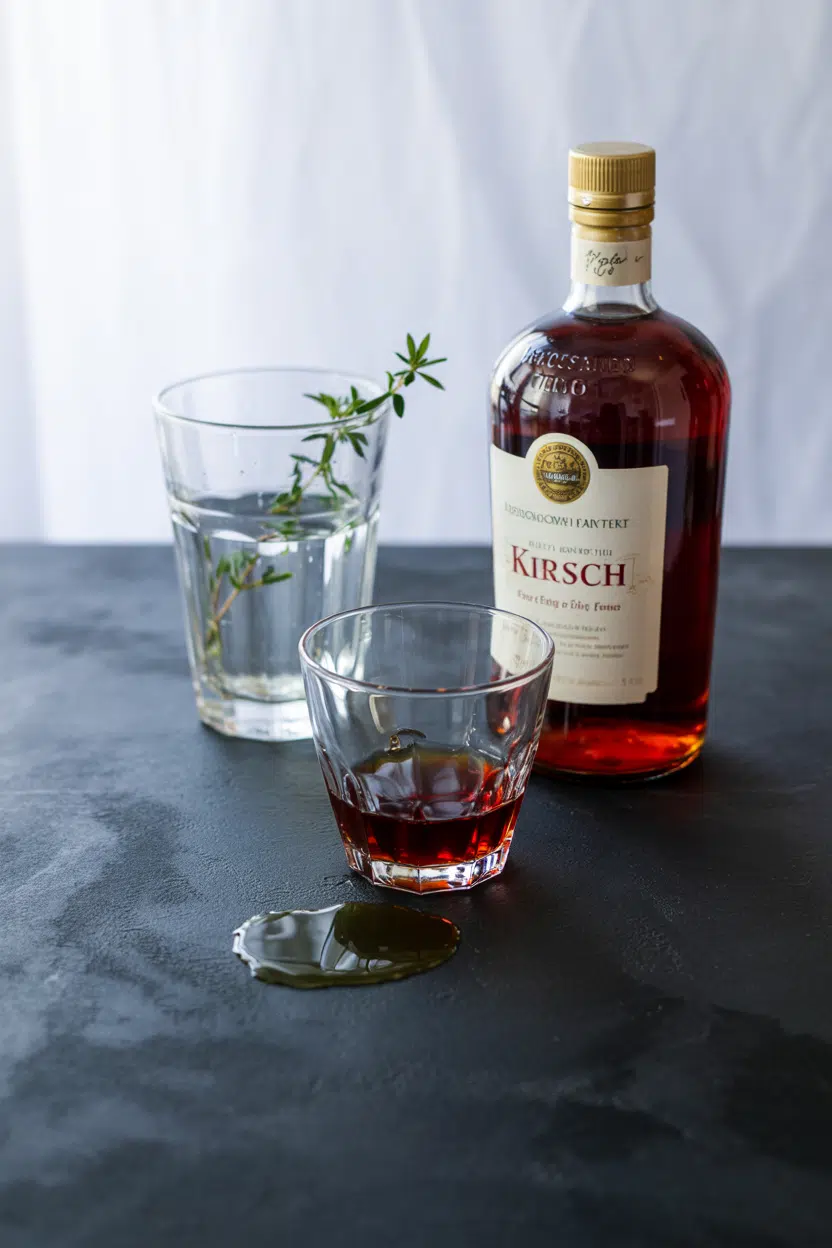
That dry stone-fruit rush, threaded with something almost almond-like, is nothing like the sweet cherry liqueurs you've poured over ice cream.
Kirsch is a serious eau-de-vie, and understanding what it brings to a dish or a drink will change how you use it entirely.
If you've worked with alternatives to apricot or experimented with flambéed desserts like a flambéed crêpes suzette with orange recipe, kirsch operates in that same concentrated-spirit territory - but with a flavor entirely its own.
Kirsch is a clear, unsweetened cherry eau-de-vie from Central Europe with dry stone-fruit flavor, a bitter-almond edge, and strong alcohol presence. Use it in small amounts for baking, flambéing, sauces, and cocktails where sweetness would be wrong.
What Is kirsch?
Kirsch - full name kirschwasser, meaning "cherry water" in German - is a clear, unsweetened fruit brandy distilled from fermented Morello or black cherries, pits included.
Remember it later
Planning to try this recipe soon? Save it for a quick find later!
It originates from the Alsace region of France and the Black Forest (Schwarzwald) of Germany, where cherry orchards and distilling tradition overlap.
Unlike Cognac or Armagnac, kirsch is an eau-de-vie: it's not aged in oak, so it stays completely colorless and retains the raw character of the fruit.
The pits matter here. Fermenting whole cherries - flesh and stone together - releases benzaldehyde, a compound responsible for the bitter-almond note that distinguishes kirsch from every other cherry spirit.
This is not a sweet liqueur; it's closer to brandy in structure, though brandy's flavor and uses cover a much wider stylistic range than this focused, fruit-forward spirit.
Protected-origin kirsch from Alsace or the Black Forest carries stricter production standards. Outside Europe, bottles labeled simply "cherry brandy" may be sweetened imitations - read the label carefully.
- 🍒 Kirschwasser - the full German name, used on quality European bottles
- ⚠️ Cherry liqueur - a sweetened product; not a substitute for kirsch
- 🌍 Alsatian kirsch - French-style, often lighter; Black Forest style is slightly more robust
What Does kirsch Taste Like?
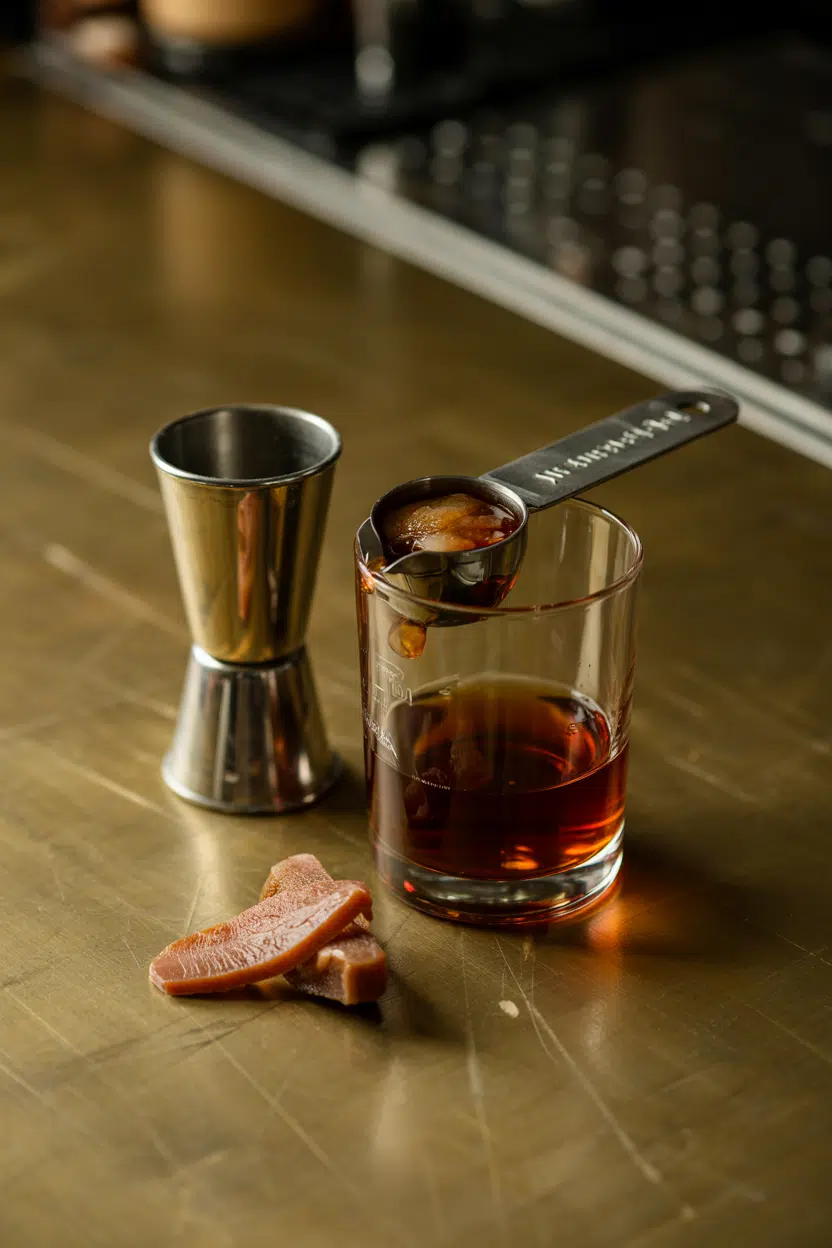
Kirsch tastes dry, sharp, and intensely cherry - but not like fresh fruit. The dominant note is sour cherry stone-fruit, concentrated through distillation, followed almost immediately by a bitter-almond undercurrent from benzaldehyde.
There's a faint herbal, floral lift mid-palate that keeps the profile from being one-dimensional.
The mouthfeel is clean and thin, with a warming alcohol presence typical of a spirit bottled around 40-45% ABV. It reads nothing like sweet cherry liqueur on the tongue - no syrupy body, no sugar coating the finish.
Think closer to a dry grappa or a marc, but with cherry at the center rather than grape.
Heat drives off some of the sharper alcohol notes, leaving the fruit and almond more pronounced. In a baked cake layer or a warm sauce, kirsch registers as aromatic depth rather than raw spirit.
How to Use kirsch
Kirsch earns its place in both the kitchen and the bar, though always in small quantities. A splash is usually enough - two to three tablespoons at most in most recipes.
In the pastry kitchen, kirsch is inseparable from Schwarzwälder Kirschtorte - the Black Forest cake tradition calls for soaking each sponge layer until the spirit and sour cherry syrup are indistinguishable.
Working through a black forest cake recipe shows exactly how much kirsch to use without overwhelming the cream layers.
Beyond that, stir a tablespoon into chocolate ganache for depth, or fold it cold into an ice cream base before churning.
Savory cooking is underrated territory for kirsch. Use it to deglaze a pan after searing duck breast or pork tenderloin - the alcohol lifts the fond while the cherry note builds a sauce with no extra effort.
A cherry compote for game meats benefits from a small finish of kirsch just before serving.
| Method | Best For | Tip |
|---|---|---|
| 🎂 Soaking | Black Forest cake layers, dried cherries | Add gradually - layers absorb unevenly |
| 🔥 Flambé | Cherry jubilee, dessert cherries | Warm the kirsch slightly before igniting |
| 🍳 Deglazing | Duck, pork, game pan sauces | Add off heat, then return to reduce |
| 🥃 Cold stirred | Custards, batters, cocktails, ganache | Add last - heat destroys top notes |
Kirsch pairs naturally with dark chocolate, marzipan, vanilla cream, and sour cherries. German and Alsatian cuisine claim it most strongly, but its role in classic cocktail culture - the Kirsch Sour, European bitters builds - is well established.
If you can't find it, a guide to replacements for kirsch covers the closest dry and sweet-spirit options.
How to Buy and Store kirsch
Buy kirsch from a reputable European producer and look for the word Kirschwasser on the label.
The liquid should be completely colorless - any tint suggests additives or blending.
Protected-origin bottles from Alsace or the Black Forest indicate stricter distillation standards.
Avoid anything labeled "cherry liqueur" or "cherry brandy" without further qualification; those are sweetened products and will ruin a recipe calling for true kirsch.
Store kirsch upright in a cool, dark location with the cap sealed tightly.
Volatile aroma compounds evaporate slowly once opened, dulling the almond-cherry edge over time.
A full guide to storing kirsch correctly covers the signs of fading quality and whether a very old bottle is still usable.
Unopened bottles last indefinitely; opened ones are best used within three to five years for peak aroma.
Where to Start with kirsch
Skip the cocktail glass first. The fastest way to understand kirsch is to soak a slice of chocolate cake in it - the spirit's dry cherry and bitter-almond character against fat and sugar makes the balance immediately clear.
If the spirit itself is too sharp to drink neat, use it in a cherry compote or ganache before committing to cocktails or flambé. That small-quantity kitchen use is where most cooks first recognize what kirsch actually does.
Frequently Asked Questions
Dry. True kirschwasser contains no added sugar and tastes nothing like cherry liqueur. The fruit character comes entirely from distilling fermented Morello cherries, not from sweetening.
Kirsch is dry, sharp, and bitter-almond forward; cherry liqueur is sweet and syrupy. They share cherry as a base note, but the alcohol structure and sugar level make them behave completely differently in recipes.
Yes, in most contexts - both are unsweetened spirits at similar ABV. Kirsch adds a distinct cherry note, so it works best when the recipe already involves cherry, chocolate, or almond flavors. Check [alternatives to brandy](https://forkliftkitchen.com/brandy-substitutes/) if you need a neutral swap instead.
Not literally - it's distilled, so no solids carry through. However, fermenting whole cherries with their pits releases benzaldehyde, which survives distillation and creates the signature bitter-almond note in the finished spirit.
Two to three tablespoons is standard for most cake or sauce recipes. Kirsch is potent - more than that can overpower the dish rather than complement it.



