
You've just sliced into a kangaroo loin at a Sydney restaurant, and the cut is a shade of red so deep it's almost burgundy.
Most people outside Australia have never encountered it, but kangaroo has long held a place in the role meat plays across indigenous and modern Australian cooking.
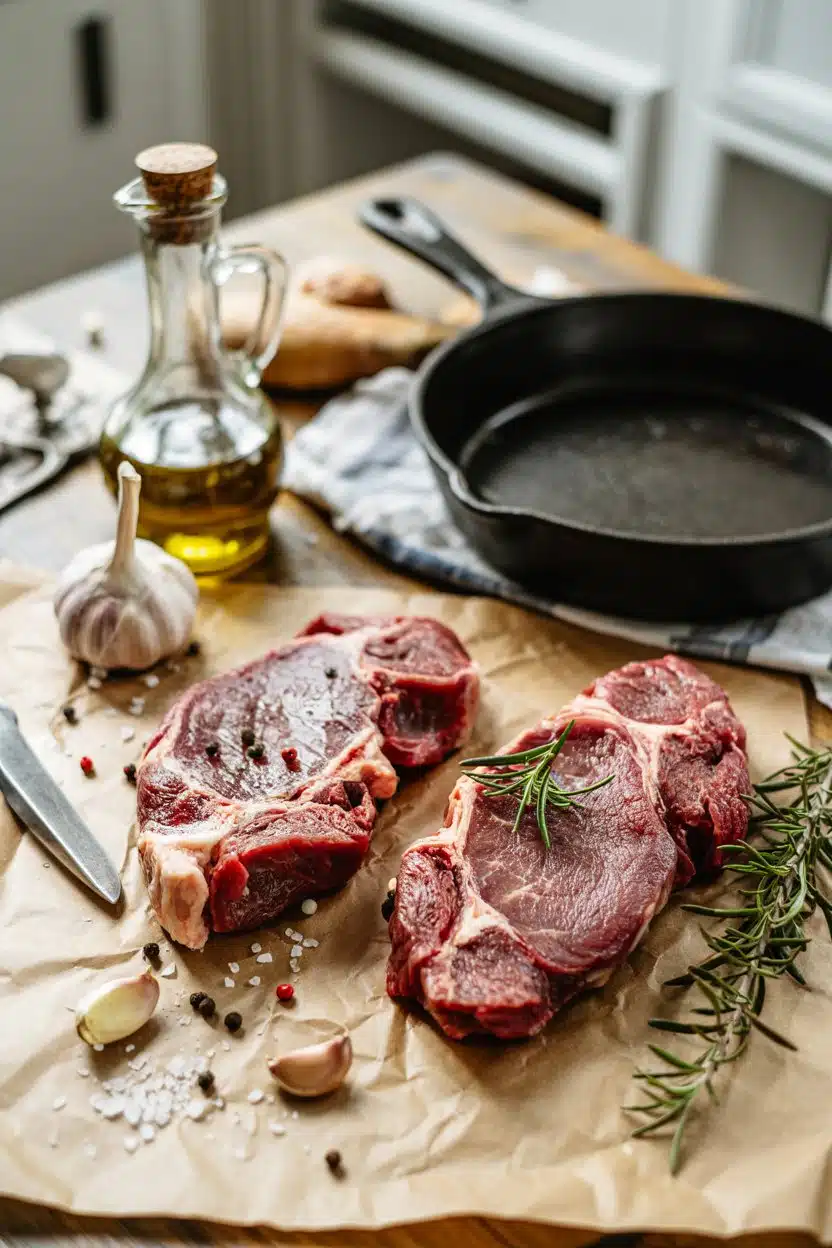
Understanding what this meat is, how it tastes, and how to cook it correctly will save you from the most common mistake - overcooking it into something dry and tough.
Kangaroo is an extremely lean red game meat from Australia with a mineral-forward, earthy flavor similar to venison. Best cooked rare to medium-rare over high heat, it suits grilling, searing, and slow braising for tougher cuts.
What Is Kangaroo?
Kangaroo meat comes from several wild-harvested marsupial species across Australia, primarily the red kangaroo and eastern grey kangaroo. It's classified as a lean red game meat, sold under names like "roo," kangaroo steak, or kangaroo loin.
Remember it later
Planning to try this recipe soon? Save it for a quick find later!
Wallaby, a smaller related species, is sometimes sold alongside it with a nearly identical culinary profile.
What sets it apart visually is its exceptionally high myoglobin content - the protein that gives red muscle its color. The cuts run deep cherry to mahogany red, with a fine grain and almost no visible marbling.
Fat is so minimal it barely registers.
Flavor
Texture
Aroma
Moderate
What Does Kangaroo Taste Like?
Kangaroo sits between very lean beef and venison on the flavor spectrum. It carries a clean iron tang - more pronounced than beef, slightly less funky than older venison - with an earthy, mildly gamey backbone.
Very fresh cuts have a faint sweetness underneath, but that note fades quickly.
Fat carries flavor, and kangaroo has almost none. That means the mineral character is upfront and unmasked from the first bite. Cook it past medium-rare and the gamey edge sharpens while the texture tightens into something closer to jerky.
The comparison to what makes beef distinct is useful: beef's richness comes largely from intramuscular fat, which kangaroo simply doesn't have. The difference you're tasting is structural, not just a matter of species.
How to Cook and Use Kangaroo
High heat and speed suit most kangaroo cuts.
Loin and rump need only a few minutes per side in a screaming-hot pan, then a full rest of at least five minutes before slicing.
Thin-sliced kangaroo works well in quick stir-fries where the brief cooking time actually protects the meat's texture.
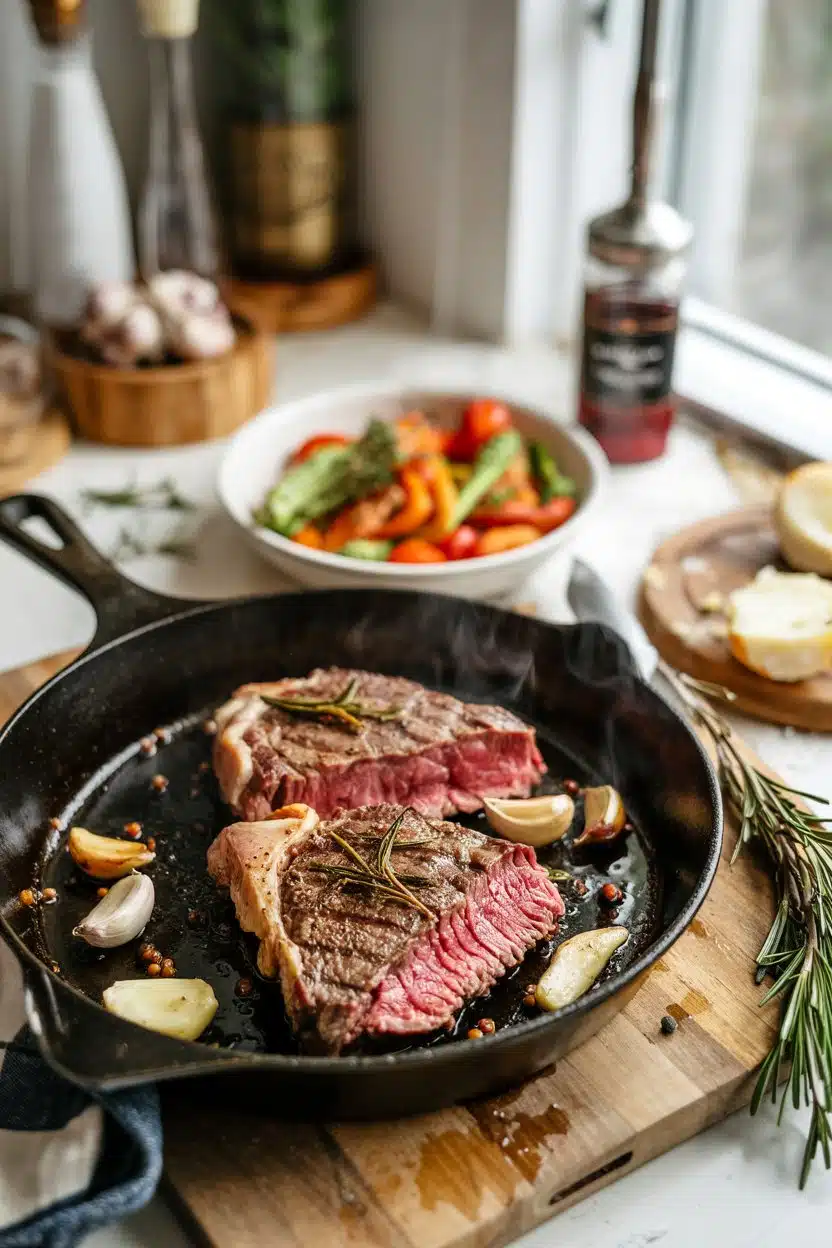
Tougher cuts - neck and shank - are the exception. These need long, slow braising with liquid to break down connective tissue and become genuinely tender.
| Method | Best For | Tip |
|---|---|---|
| 🔥 High-Heat Sear | Loin, rump steak | 2-3 min per side; rest before slicing |
| 🍢 Grilling | Skewers, kebabs | Use bold marinades with acid to balance mineral notes |
| 🥘 Slow Braise | Neck, shank | Long and low with stock; don't rush it |
| 🥩 Raw/Tartare | Carpaccio, tartare | Reputable supplier and verified fresh only |
| 🍔 Ground | Burgers, meatballs | Add fat (lardons, olive oil) to prevent dryness |
🔥 Grill-Forward
🥢 Asian-Australian Fusion
Acidic ingredients are essential partners - pomegranate molasses, lemon juice, and red wine vinegar cut through the mineral intensity. Fatty accompaniments like butter sauces or bacon lardons compensate for the meat's own leanness.
Rosemary
Pomegranate molasses
Olive oil
Juniper berry
Native pepperberry
Roasted beetroot
Mushrooms
How to Buy and Store Kangaroo
Look for cuts with a deep cherry-to-mahogany color, a fine grain, and no sour smell. Vacuum-sealed packaging from a reputable Australian or specialty importer is the standard for fresh quality outside Australia.
For steaks, loin or rump are the right call; for slow cooking, look for neck or shank explicitly labeled for braising.
Store fresh cuts at 32-36°F (0-2°C) in the coldest part of the fridge and use within 2-3 days.
Vacuum-packed cuts can stretch to 7 days.
The spoilage pattern is similar to vacuum sealed salmon spoilage signs - an off-sour smell and dull discoloration are the clearest indicators.
Freeze in single portions if you can't use it within the fresh window; properly packaged cuts hold well for 6-12 months.
Start Here With Kangaroo
First time cooking kangaroo? Go with a loin steak, a hot cast-iron pan, and keep it to rare or medium-rare.
That single constraint - don't overcook it - determines whether you enjoy the meat or write it off entirely. Once you've nailed the sear, the braised neck cuts and ground applications are natural next steps.
Frequently Asked Questions
Kangaroo shares the iron-forward character of lean beef but is noticeably more mineral and slightly more gamey. The key difference is fat: beef's intramuscular fat rounds out its flavor in a way kangaroo's near-zero fat content doesn't replicate. Think lean venison as the closer comparison.
Yes - rare to medium-rare is the recommended doneness for kangaroo loin and steak cuts. Because the meat has almost no fat, cooking past medium-rare dries it out rapidly and sharpens the gamey edge. Tartare and carpaccio are also consumed raw, though only from verified fresh, reputable sources.
Kangaroo is very high in protein and extremely low in total and saturated fat, making it one of the leanest red meats available. It also provides heme iron and zinc in meaningful amounts. Its low-fat profile suits high-protein and paleo diets, though that same leanness means it needs careful cooking to stay tender.
Acid-based marinades using lemon juice, red wine, or pomegranate molasses help break down surface muscle fibers before cooking. For tougher cuts like neck or shank, slow braising in liquid is the most effective method. Sous-vide at a controlled low temperature followed by a quick sear also produces consistently tender results for loins.
Specialty butchers, game meat importers, and online meat retailers are the main sources in the US, UK, and Europe. Some larger grocery chains in the UK and Europe carry it vacuum-packed in the frozen or chilled meat section. In the US, it typically requires ordering from an online specialty supplier that imports Australian-certified product.



