
Hyssop hits the nose before it reaches the tongue - a rush of camphor and pine that sits somewhere between a herb garden and a medicine cabinet.
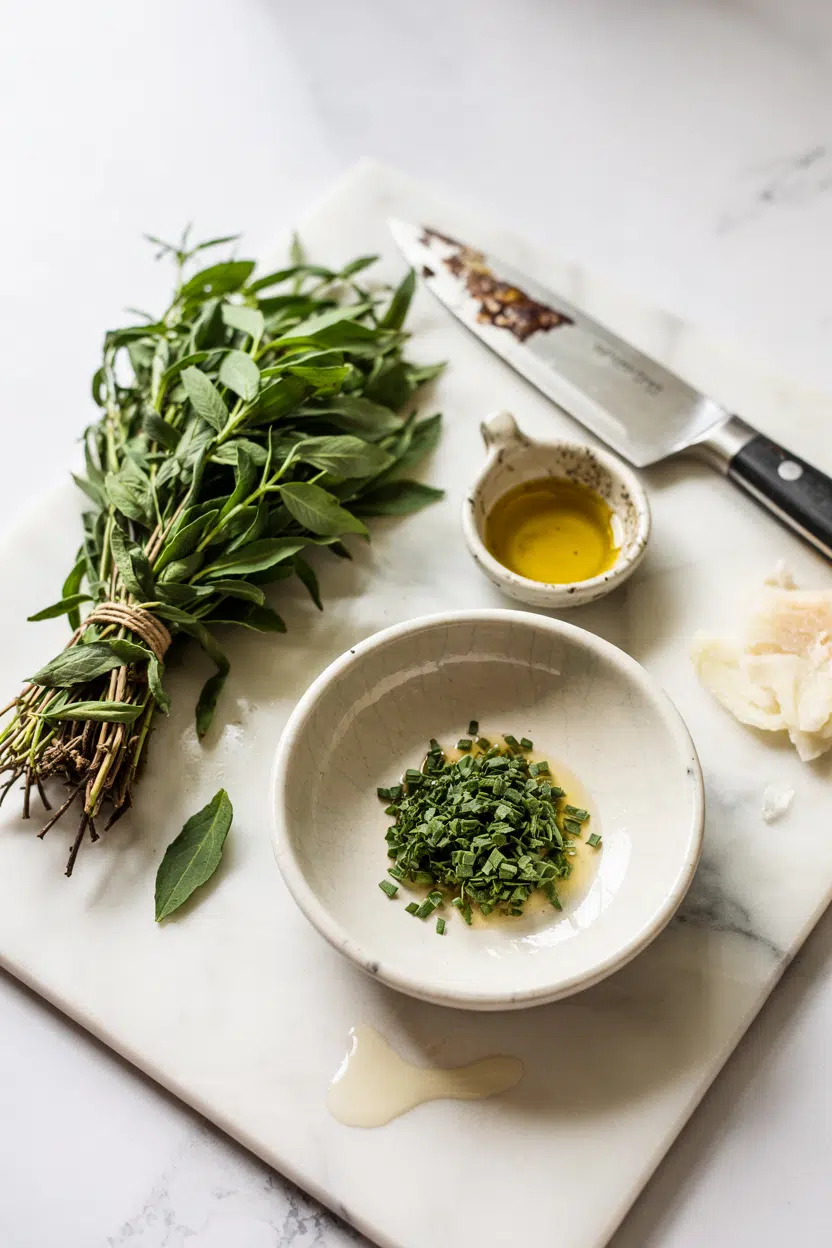
That edge is exactly what makes it interesting: used correctly, it cuts through fat, lifts a braise, and adds a resinous depth that neither thyme nor mint quite matches.
Cooks who reach for replacements for tarragon or other anise-adjacent herbs often stumble onto hyssop and don't know what to do with it.
This profile covers everything you need.
Hyssop is a resinous, strongly aromatic herb from the mint family with a flavor profile that blends menthol, camphor, and a faint licorice note. Use it sparingly - in teas, syrups, slow-cooked meats, and finishing garnishes - and store fresh stems no longer than 10 days.
What Is hyssop?
Hyssopus officinalis is a woody-stemmed perennial herb native to the Mediterranean and Western Asia. It belongs to the Lamiaceae family - the same family as mint, rosemary, and thyme - and grows in dense, shrubby clumps with narrow gray-green leaves and tall spikes of small blue, pink, or white flowers.
Remember it later
Planning to try this recipe soon? Save it for a quick find later!
Both the leaves and flowers are edible and used in cooking. The plant goes by several names: garden hyssop, hyssop herb, and hisop in some regional spellings.
Unlike its mint-family relatives, hyssop contains volatile oils - primarily pinocamphone and isopinocamphone - that give it a distinctly resinous, camphoraceous character. That chemistry separates it from softer herbs immediately.
- 🌱 Species: Hyssopus officinalis - the standard culinary variety
- 🌸 Edible parts - both narrow leaves and flower spikes go into food and drink
- 🌍 Culinary range - Mediterranean cooking, Middle Eastern herb blends, Eastern European herbal traditions, and liqueur production (Chartreuse uses it)
- 📜 Historical use - recorded as a strewing herb and medicinal plant for centuries before entering the modern spice rack
What Does hyssop Taste Like?
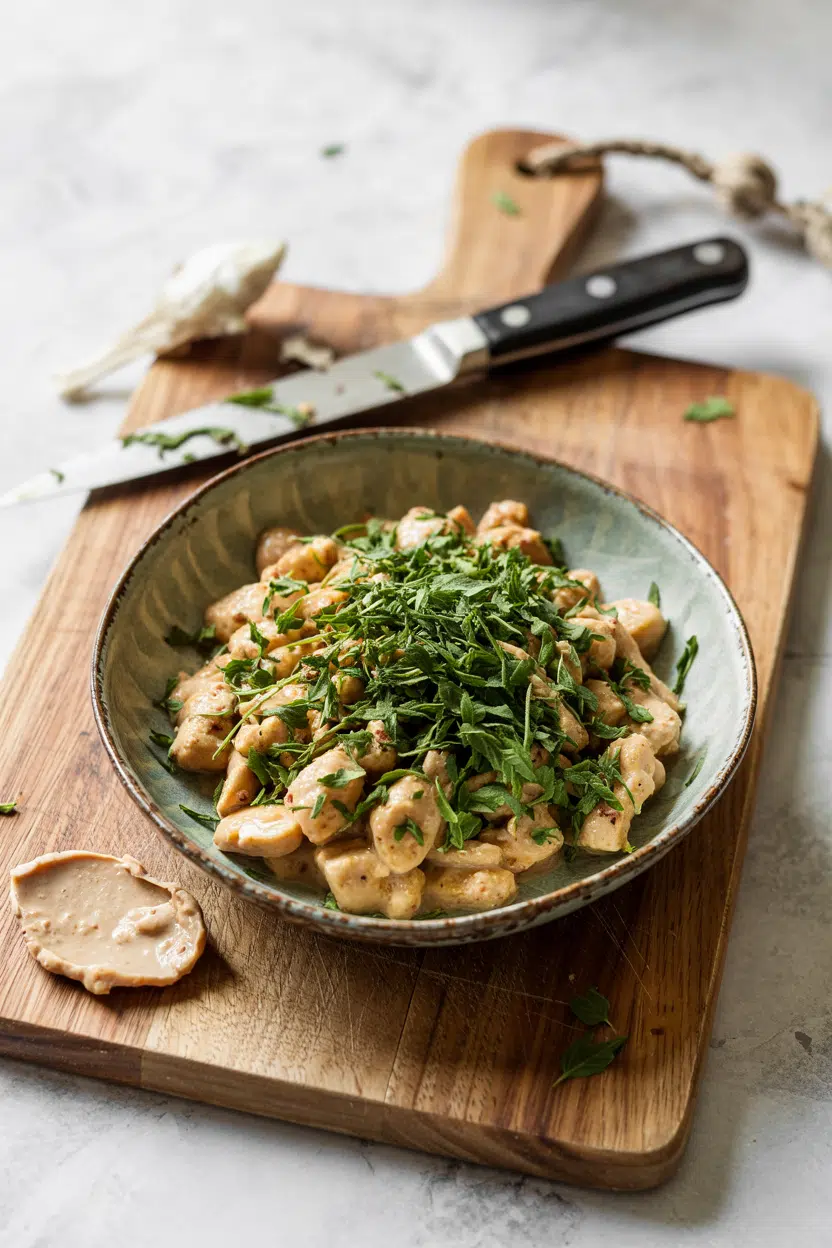
Hyssop tastes like mint and eucalyptus collided, with a thread of anise running underneath. The camphor-resin note is the loudest element - sharp and slightly medicinal on first contact.
A faint bitterness follows, then a cooling menthol finish that lingers.
Heat softens the camphor edge but doesn't erase it. In a long braise, the harshest volatiles cook off, leaving behind a gentler herbal warmth closer to savory or marjoram.
Fresh leaves are more aggressive; dried hyssop mellows slightly but keeps its piney backbone.
How to Use hyssop
Hyssop rewards restraint. A few fresh leaves or flowers add resinous depth without overwhelming a dish; a whole handful will make it taste like cough drops.
The most forgiving application is herbal tea - steep two or three fresh stems in hot water for five minutes, then remove. Blending with black tea or green tea softens the camphor edge considerably.
| Method | Best For | Tip |
|---|---|---|
| 🥗 Fresh Garnish | Salads, cottage cheese, finishing herb over roasted veg | Use flowers for visual appeal and milder bite than leaves |
| 🍲 Braise / Slow Cook | Lamb, goat, hearty bean stews | Add in the last 20 minutes - long cooking concentrates bitterness |
| ☕ Steeping | Herbal tea, infused syrups, cordials, cocktail mixers | Remove stems before serving; steep no longer than 5 minutes |
| 🧈 Herb Butter | Roasted chicken, lamb chops, grilled vegetables | Combine with lemon zest and garlic to balance the resin |
| 🫙 Infused Oil / Vinegar | Salad dressings, marinades | Infuse for 24-48 hours maximum; taste and strain early |
In savory cooking, hyssop pairs naturally with lamb, lemon, garlic, honey, and fennel. Some za'atar recipes from the Levant incorporate hyssop leaves alongside thyme and sumac, though this varies by region and tradition.
Mediterranean and Eastern European herb traditions use it most consistently in cooked applications.
Avoid pairing hyssop with delicate custard-based desserts - the camphor note clashes with cream in a way that's hard to rescue. For dishes where you need something anise-forward but less resinous, alternatives to hyssop include tarragon, savory, and fresh marjoram.
How to Buy and Store hyssop
At a nursery or farmers' market, look for stems with firm, gray-green leaves and no yellowing or brown spotting. The cut end should smell piney and clean - not musty.
Dried hyssop should have uniform color and release that same piney aroma when rubbed; skip any jar with powdery dust or faded color.
Fresh storage is straightforward:
- Refrigerator method - wrap stems loosely in a damp paper towel, place in a perforated plastic bag, and store in the crisper drawer
- Shelf life fresh - 5 to 10 days before leaves soften and flavor fades
- Dried storage - airtight glass jar, away from light and direct heat; good for 6 to 12 months
- Drying at home - tie small bunches and hang upside down in a dry, ventilated space for 1 to 2 weeks, then strip leaves from stems before jarring
Start Here With hyssop
Hyssop is not a background herb. Its camphor-resin character announces itself, so the best first move is one where that intensity is an asset rather than a risk.
From there, a small pinch folded into herb butter for roasted lamb is the natural next step.
Understanding mint's flavor and uses helps clarify where hyssop overlaps and where it diverges - they share the cooling finish but not much else.
If it still feels too aggressive, swapping out mint logic applies in reverse: softer herbs like savory can stand in until you're ready to work with hyssop directly.
Frequently Asked Questions
Yes, in culinary amounts. The volatile oils pinocamphone and isopinocamphone become problematic only at high medicinal doses. Pregnant people and those with epilepsy should avoid concentrated hyssop extracts or supplements entirely.
It can in small amounts, but hyssop is more resinous and camphoraceous than either. Use about half the quantity called for and add it later in cooking to prevent the camphor note from dominating.
Hyssop flowers are milder than the leaves and work well as a finishing garnish on salads, grain bowls, or soft cheeses. They're also steeped into teas and infused syrups for their color and gentler flavor.
Stronger than thyme or marjoram, and more resinous than fresh mint. Its camphor notes place it closer to rosemary in intensity, though the flavor profile is distinctly different.
Cut stems just before flowering for the strongest volatile oil content. Tie in small bunches and hang upside down in a dry, well-ventilated spot for one to two weeks, then strip and jar the dried leaves.



