Herbes de Provence does one thing that no single herb can replicate: it brings the whole landscape of southern France into a single pinch.
The blend leans on thyme and rosemary as its backbone, adds the peppery warmth of savory, and - in many versions - threads a faint floral note through everything with dried lavender buds.
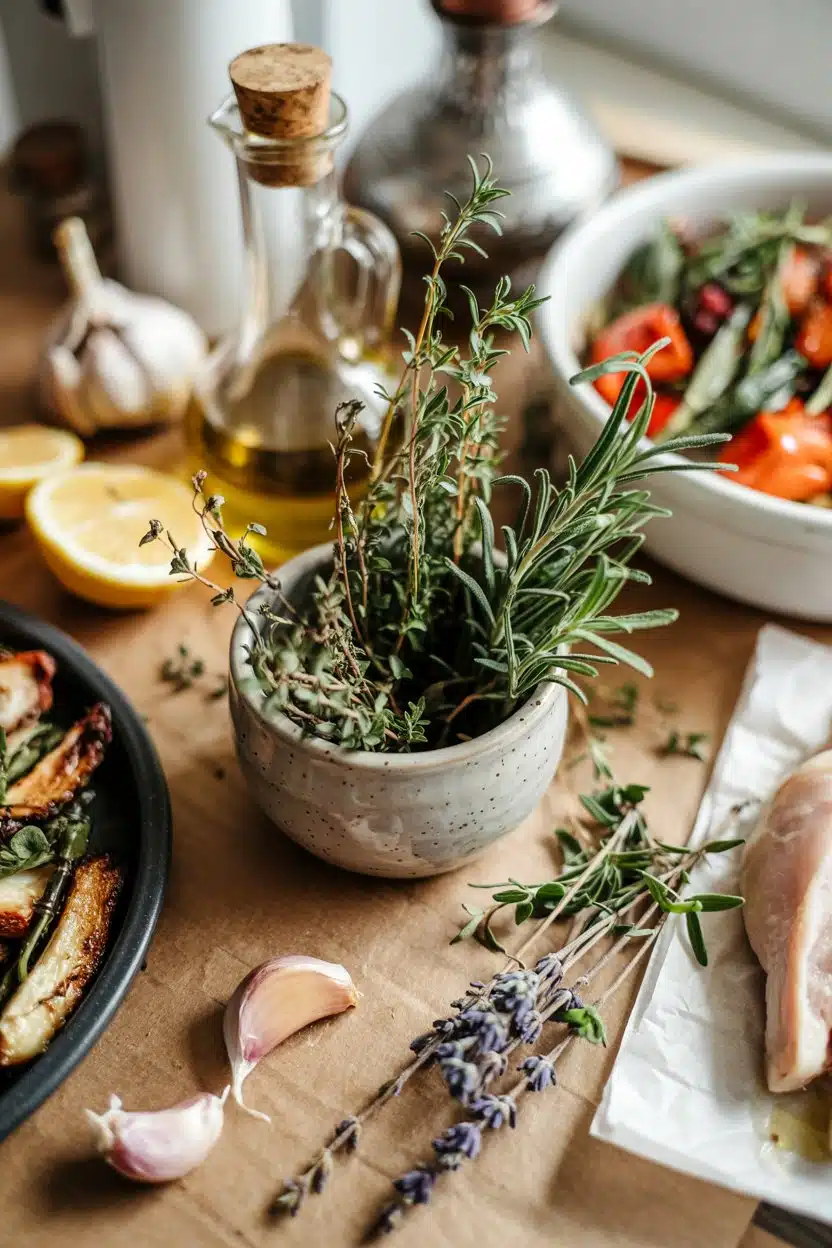
Rub it on lamb, stir it into a braised vegetable stew, or steep it in olive oil, and you get a recognizable Provençal character that builds depth without overpowering.
Herbes de Provence is a dried French herb blend built on thyme, rosemary, and savory, often with lavender. It delivers a woody, mildly floral, and herbaceous flavor at moderate intensity. Best used as a rub, finishing seasoning, or infusion for roasted meats, vegetables, and Mediterranean-style dishes.
What Is Herbes de Provence?
This blend originated in the Provence region of southeastern France, where thyme, rosemary, and savory grow wild across rocky hillsides.
Remember it later
Planning to try this recipe soon? Save it for a quick find later!
It's sold as a dried blend - not a single herb - and the exact formula varies by producer, region, and tradition.
Common components include thyme, rosemary, summer savory, and marjoram; some producers add fennel seed, bay leaf, or lavender buds.
The lavender question trips people up. Lavender wasn't traditionally included in older Provençal cooking - it became common in blends produced for export after the mid-20th century.
Today, most commercial versions sold outside France do contain it.
Flavor
Texture
Aroma
Moderate
What Does Herbes de Provence Taste Like?
The closest comparison is a thyme-rosemary seasoning with something extra underneath it. Thyme leads with an earthy, slightly lemony herbaceousness.
Rosemary brings the resinous, pine-like weight. Savory adds a peppery heat that keeps the blend grounded rather than simply floral.
When lavender is present, it reads less like perfume and more like a faint chamomile warmth - noticeable but not dominant at normal quantities.
Heat draws out the rosemary's resinous character most aggressively, so roasted dishes taste woodsier than dishes where the blend is added cold to a vinaigrette.
Use too much and the floral edge sharpens into something soapy; the sweet spot for most applications is around one teaspoon per pound of protein or per cup of sauce.
How to Use Herbes de Provence
The blend functions best as a rub, infusion, or late-stage seasoning rather than a long-cooked base.
Adding it early in a braise can mute the lavender's delicacy, so stir it into stews in the final 10-15 minutes.
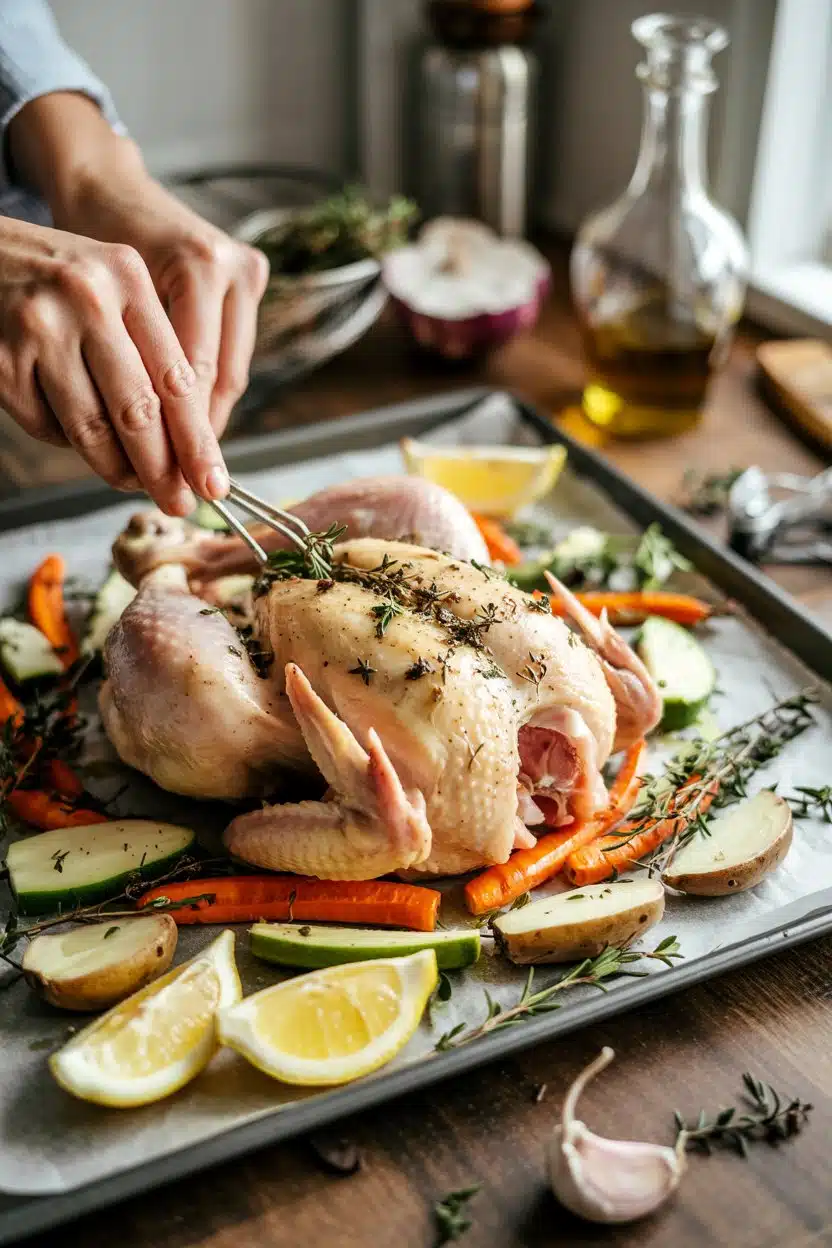
For roasting, press it directly into meat or coat vegetables before they hit the oven - fat carries the volatile oils and fixes them to the surface.
One reliable starting point: mix the blend with replacements for olive oil or olive oil itself, a crushed garlic clove, and salt, then brush it over chicken thighs before roasting.
The same mixture works for sheet-pan potatoes, eggplant, or sliced zucchini.
If you're building ratatouille, adding herbes de Provence toward the end preserves the floral notes - and storing ratatouille correctly keeps those flavors intact for days.
| Method | Best For | Tip |
|---|---|---|
| 🔥 Roasting | Lamb racks, chicken thighs, root vegetables | Mix with oil first so the blend adheres evenly |
| 🥗 Infusing | Olive oil for bread dipping, vinaigrettes | Steep at room temperature for at least 30 minutes |
| 🍲 Braising/Stews | Ratatouille, tomato-based vegetable stews | Add in the final 10-15 minutes to preserve floral notes |
| 🧈 Compound butter | Finishing grilled meats, basted fish | Bloom the blend briefly in warm butter before chilling |
| 🍞 Baking | Savory tarts, focaccia, bread doughs | Use sparingly - baking concentrates the resinous notes |
🫒 Mediterranean
garlic
tomatoes
lamb
chicken
eggplant
goat cheese
potatoes
How to Buy and Store Herbes de Provence
A good jar should look alive. Reach for blends showing visible whole-leaf structure - thyme sprigs, rosemary needles, and if present, tiny purple lavender buds.
A uniform gray-brown powder means the blend is old and the volatile oils have gone flat. Smell it through the lid if you can; a muted or musty jar isn't worth buying.
Store in a cool, dark cabinet - not above the stove.
The blend stays at peak fragrance for 6-12 months, though it remains usable up to 24 months with diminishing returns.
Check for herbs de Provence spoilage signs if the jar has been open for over a year.
If you need to swap out a component, reliable herbs de Provence stand-ins can cover most applications.
When to Reach for This Blend
Start here if you're roasting lamb, chicken, or a sheet pan of Mediterranean vegetables and want one seasoning to do the structural work.
It's also the right call for olive oil infusions or compound butters where you want herbal complexity without building a blend from scratch.
Skip it for dishes with strong anise flavors - the floral notes compete rather than complement.
Frequently Asked Questions
The core components are thyme, rosemary, and summer savory, with marjoram frequently included. Depending on the producer, you may also find fennel seed, bay leaf, or dried lavender buds. There's no legally standardized formula, so the ratio and extras vary widely between brands.
No - lavender is common in export blends but wasn't part of the traditional Provençal kitchen repertoire. Blends made in France for domestic use often omit it. Check the ingredient list if you're cooking for someone sensitive to floral flavors.
Yes, in most cooked applications - both blends share thyme, rosemary, and marjoram. The key difference is the floral note from lavender, which Italian seasoning lacks, and the absence of oregano's sharp bitterness in herbes de Provence. The swap works well for roasted meats, tomato sauces, and vegetables; it reads differently in Italian-specific dishes like pizza or pasta.
The most direct method is a dry rub: press one to two teaspoons per pound into skin-on chicken pieces along with salt, then roast at high heat. For a wetter application, mix it into an olive oil and garlic marinade and let the chicken sit for at least 30 minutes before cooking. Bone-in cuts handle the blend's intensity better than thin boneless breasts, which can over-absorb the resinous notes.
Pure blends don't, but some commercial versions - particularly those marketed as "seasoning blends" rather than straight herb mixes - add salt or anticaking agents. Always check the label if you're managing sodium or following a strict diet. A blend with salt listed as the first or second ingredient will over-season dishes that call for the herb blend alone.