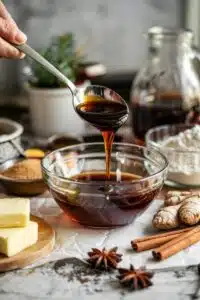
Crack open a fresh bottle of cold-pressed hemp oil and the smell hits you first - green, faintly toasted, with an edge that reads almost like cut grass on a warm morning.
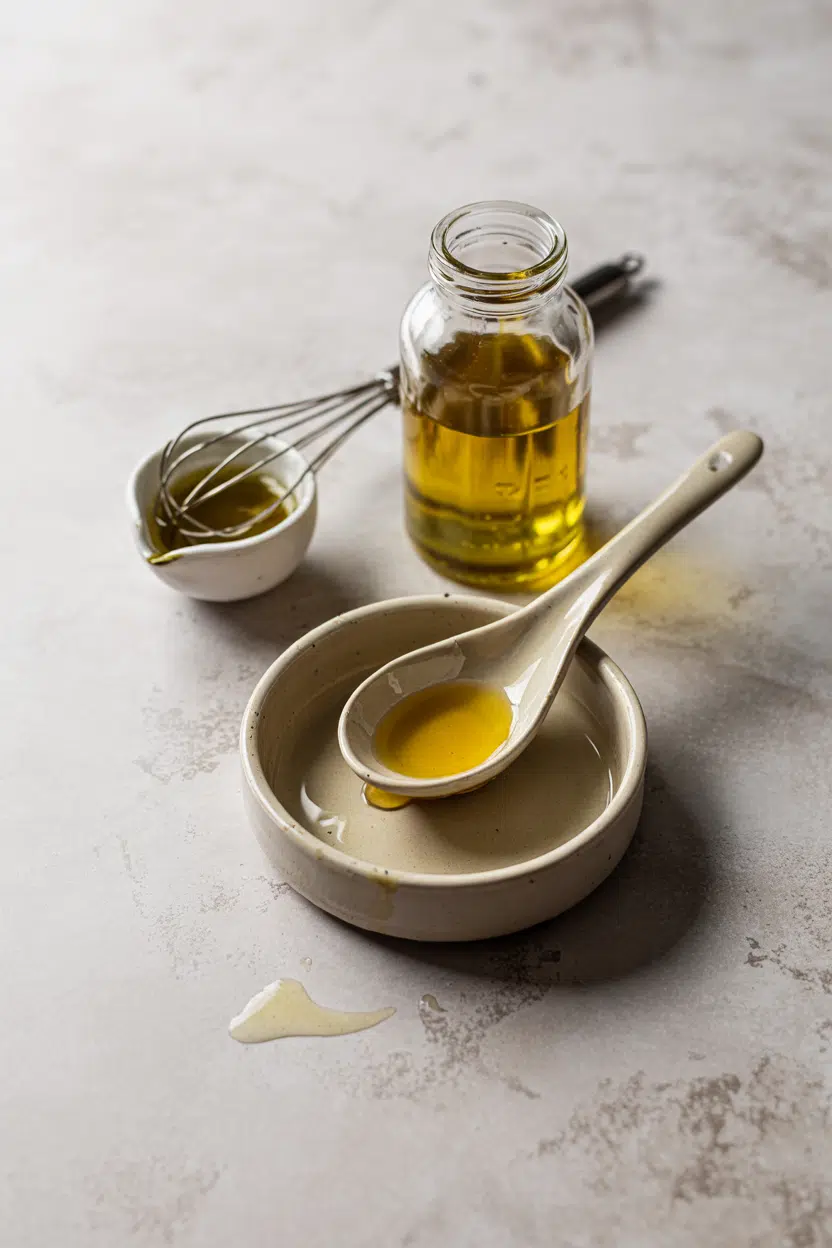
The liquid itself pours a deep, shadowy green, viscous enough to coat a spoon but light on the tongue.
It's an oil that signals its character before you even taste it, which is exactly why knowing how to use it matters.
Unlike alternatives to flaxseed oil or replacements for pumpkin seed oil, hemp oil occupies a specific lane - finishing, drizzling, dressing - and it does that job with real distinction.
Hemp oil is a cold-pressed seed oil with a nutty, grassy, mildly bitter flavor. Use it as a finishing oil - drizzled, whisked, or blended - never heated. It stores best in the fridge after opening and lasts 3-4 months.
What Is hemp oil?
Hemp oil - also called hempseed oil or Cannabis sativa seed oil - is extracted from the seeds of the hemp plant through cold pressing, the same mechanical method used for extra-virgin olive oil. No solvents, no heat. That cold-pressing process preserves the oil's fatty acid profile and its characteristic green color.
Remember it later
Planning to try this recipe soon? Save it for a quick find later!
It comes from a temperate-climate crop with deep roots in European and Asian agriculture, and has been pressed for food and industrial use for centuries. Today's food-grade versions are produced worldwide, with quality ranging considerably by brand and harvest date.
One clarification matters here: hemp oil is not CBD oil. CBD is extracted from the flowers and leaves using methods like CO2 extraction, and it contains cannabinoids.
Hemp oil comes from the seeds, contains negligible THC, and carries no meaningful cannabinoid content. If a bottle labeled "hemp oil" references CBD or CO2 extraction, it's a different product.
The oil is rich in omega-6 and omega-3 fatty acids at roughly a 3:1 ratio, plus tocopherols (vitamin E).
Those same fatty acids make it sensitive to heat and prone to rancidity - which explains every handling and storage rule that follows.
What Does hemp oil Taste Like?
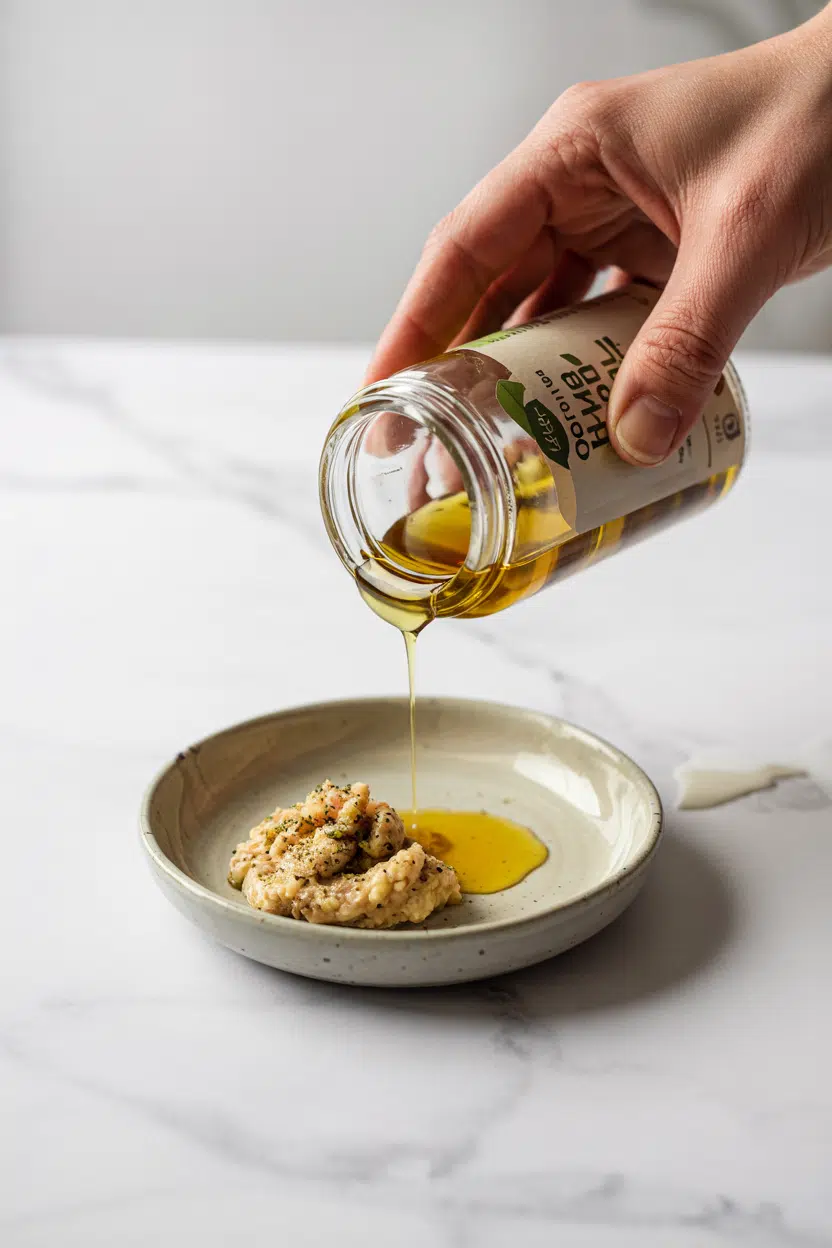
Hemp oil sits in the same family as walnut oil and pumpkin seed oil - rich, seed-forward, slightly bitter - but with a grassier, more distinctly green character that sets it apart.
Think toasted hemp seeds blended with fresh-cut herbs, then thinned to a pourable consistency.
Heat changes it fast. Even gentle warming pushes the bitter and grassy notes forward in an unpleasant way, which is why cold use isn't just a nutritional recommendation - it's a flavor one.
Older or improperly stored oil turns noticeably rancid, developing a sharp, paint-like smell. That's the omega fatty acids oxidizing.
Fresh oil should smell green and slightly toasted, never acrid.
How to Use hemp oil
Hemp oil is a finishing oil, full stop.
Its delicate fatty acid structure breaks down under heat, and the flavor turns harsh before you've even reached a moderate sauté temperature.
Think of it the way you'd use a high-quality extra-virgin olive oil - added at the end, not the beginning.
For context on how it stacks up against everyday cooking fats, our guide to olive oil stand-ins covers where hemp oil can and can't step in.
| Method | Best For | Tip |
|---|---|---|
| 🥗 Dressing | Vinaigrettes, grain bowl drizzles | Pair with lemon or apple cider vinegar to balance bitterness |
| 🥗 Cold Finishing | Soups, roasted vegetables, hummus | Add just before serving - heat destroys the aroma |
| 🥗 Blending | Pesto, cold purées, dips | Use in place of half the olive oil for a grassier note |
| 🥗 Smoothies & Yogurt | Nutritional boost, no-cook applications | Start with 1 teaspoon - the flavor is present even in small amounts |
Hemp oil fits naturally into modern Nordic and farm-to-table cooking, where restrained, green-forward flavors are valued over richness.
It works well alongside fresh dill, parsley, or basil, and holds its own next to strong companions like goat cheese or toasted walnuts.
Pair it with roasted root vegetables after they come off the heat, or whisk it into a simple vinaigrette with apple cider vinegar and a pinch of flaky salt.
One dish where it shines quietly: a warm lentil or farro bowl drizzled just before serving, where the grassy note reads as intentional seasoning.
If you run out, hemp oil stand-ins cover the closest matches for both flavor and fatty acid profile.
How to Buy and Store hemp oil
Cold-pressed is the only label worth buying. Look for bottles in opaque or dark glass - light degrades the oil quickly, and any reputable producer knows this. The color should be a deep, rich green. A pale or yellowish hemp oil suggests over-processing or age.
Check the label carefully. Hemp oil should list Cannabis sativa seed oil as the sole ingredient.
If the bottle references CBD, cannabinoids, or CO2 extraction, that's a different product with a different price point and purpose.
- 🌡️ Before opening - store in a cool, dark cupboard away from the stove; shelf life runs about 12 months
- ❄️ After opening - refrigerate immediately in the original dark glass bottle, capped tightly
- 📅 Opened shelf life - 3-4 months refrigerated before rancidity becomes noticeable
- 👃 Rancidity check - fresh oil smells green and toasted; discard anything sharp, paint-like, or acrid
For longer-term storage questions, the full guide on freezing hemp oil covers what happens to texture and flavor past the fridge window.
Start with a Drizzle
Hemp oil rewards a specific kind of cook - one who thinks about finishing touches. If you want to try it, start with a grain bowl or a simple vinaigrette before committing to larger quantities.
- 🥗 First use - drizzle over a warm farro or lentil bowl just before serving
- 🧄 Second use - whisk into a dressing with lemon juice, garlic, and parsley
- 🌿 Third use - fold a teaspoon into hummus alongside tahini for added silkiness
Reach for alternatives to walnut oil if the grassy edge isn't what you're after - walnut oil gives the same richness without the green character.
Frequently Asked Questions
No. Hemp oil is cold-pressed from Cannabis sativa seeds and contains negligible THC and no meaningful cannabinoids. CBD oil is extracted from the plant's flowers and leaves using methods like CO2 extraction and is a different product entirely.
Not over heat. Hemp oil has a low smoke point and its omega fatty acids degrade quickly when warmed, turning the flavor harsh. Use it exclusively as a finishing oil - drizzled, whisked, or blended cold.
Negligible amounts only - well below any psychoactive or detectable threshold. Food-grade cold-pressed hemp oil comes from the seeds, which carry essentially no THC content.
Unopened, about 12 months stored in a cool, dark place. Once opened and refrigerated, expect 3-4 months before rancidity becomes noticeable. A sharp or paint-like smell means it's past its point.
Both are finishing oils with rich, nutty flavor, but hemp oil adds a distinctly grassy, green edge that walnut oil lacks. Walnut oil is slightly warmer and more neutral, making it easier to use across a wider range of dishes.