Bright, clean, and faintly grassy - that first bite of salted edamame lands somewhere between a green pea and a soybean, with a creamy-firm texture that's hard to place until you've had it a dozen times. The flavor is mild but layered: a subtle sweetness, a whisper of nuttiness, and just enough umami to keep you reaching back into the bowl.
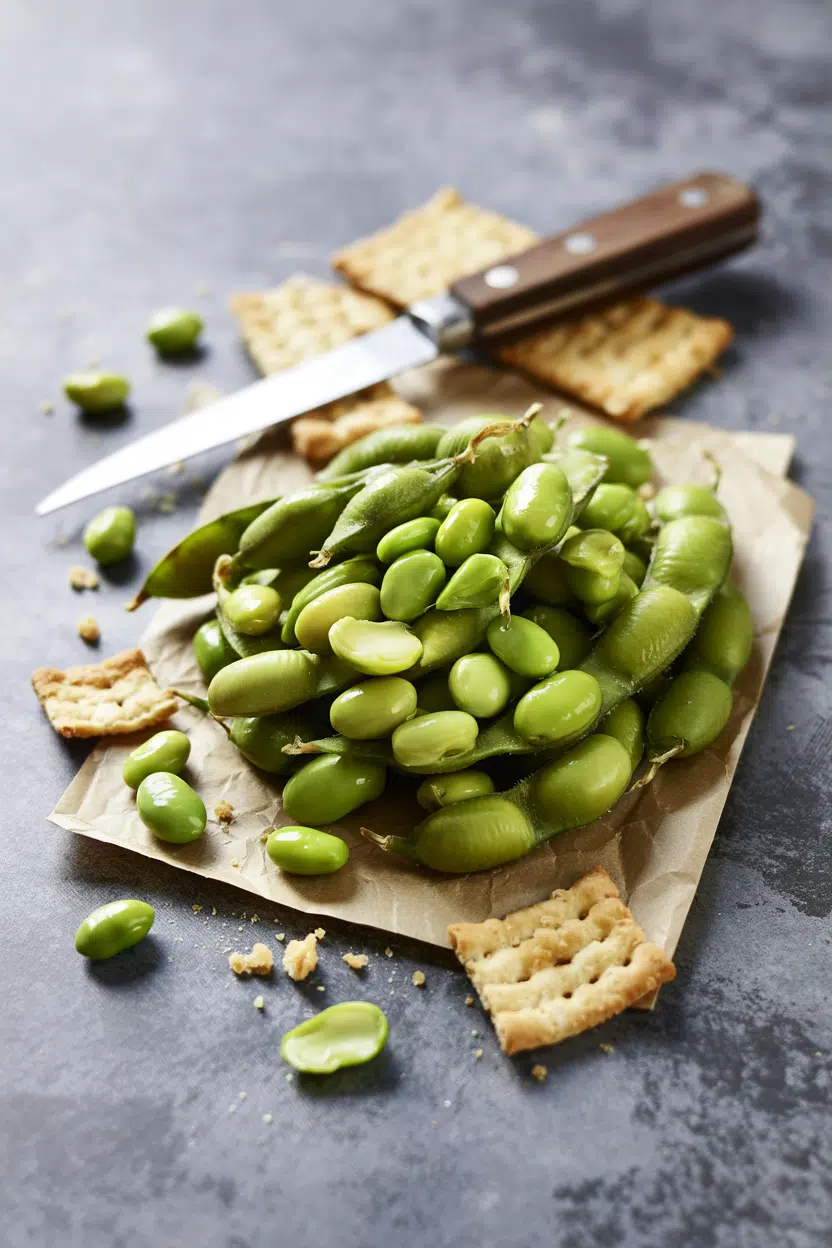
Like fava beans or sugar snap peas swaps, edamame occupies that satisfying space between snack and ingredient - simple on its own, useful in almost everything else.
Edamame are young, immature soybeans with a mild, grassy-sweet flavor and firm, creamy texture. They're eaten as a snack, stirred into grain bowls, or pureed into spreads. Fresh pods keep for 2-3 days; frozen edamame is the more practical everyday choice.
What Is edamame?
Edamame (枝豆) are soybeans harvested at peak immaturity - pulled from the plant while the pods are still green and the beans are soft.
Remember it later
Planning to try this recipe soon? Save it for a quick find later!
The name is Japanese, roughly translating to "stem bean," a nod to how they were traditionally sold still attached to the branch.
They belong to the legume family but behave differently from dried soybeans in every meaningful way. Color, texture, flavor, and cooking time are all distinct - so distinct that many people don't realize edamame and mature soybeans are the same plant at different stages.
In Japan, they're a fixture at izakayas, served steamed or boiled in the pod with coarse salt. Across China and Korea, green soybeans appear in rice dishes, soups, and stir-fries.
Modern American menus adopted them quickly, and now shelled edamame is a pantry staple in many households.
You'll find them in three main forms:
- 🫛 Fresh in-pod - seasonal, short shelf life, best texture
- ❄️ Frozen in-pod - most available, nearly as good as fresh
- 🟢 Frozen shelled - ready to toss into almost any dish immediately
What Does edamame Taste Like?
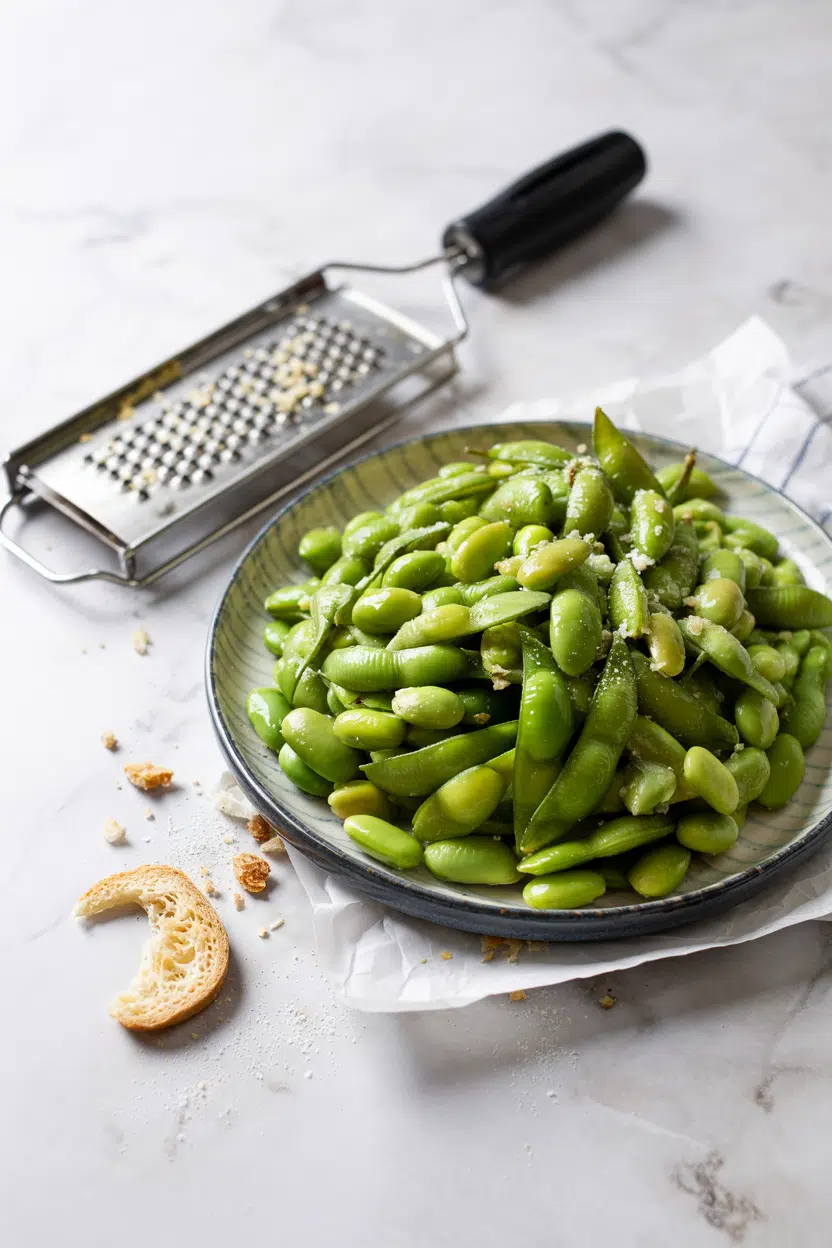
Edamame's flavor is mild and green-forward, landing closer to a firm green pea than to any dried bean. There's a natural sweetness at the front, a grassy note that fades as you chew, and a faint nutty quality in the finish that comes from the soybean's underlying oils.
Heat changes the equation slightly. Boiling or steaming brightens the grassy note, while roasting or sautéing pulls out more of the nutty, almost buttery undertone.
Overcooking dulls both - the beans go starchy and flat, losing what makes them worth eating.
If you're familiar with green peas and want a fair comparison: edamame is firmer, less sweet, and carries more savoriness. The umami is subtle but real, which is part of why a little tamari or soy sauce amplifies the flavor so effectively.
How to Use edamame
The simplest preparation is the most common. Boil or steam pods for four to five minutes, drain, toss with coarse salt, and serve. That's the izakaya standard, and it works because edamame doesn't need embellishment.
Shelled edamame opens up significantly more options in the kitchen. It folds into fried rice, grain bowls, and noodle salads without changing the dish's texture profile much - it just adds protein and color.
Pureeing the beans into a spread or edamame hummus is one of the better uses for frozen shelled beans; the result is smoother than chickpea-based hummus and has a distinctly green note.
For a warm side dish, sauté shelled edamame with garlic, chili flakes, and sesame oil for about three minutes. The beans pick up the fat and char slightly at the edges.
Roasting shelled edamame at high heat (around 400°F) until crisp makes a genuinely good snack - better than most packaged alternatives.
| Method | Best For | Tip |
|---|---|---|
| ♨️ Boiling | Izakaya-style pods, snacking | Salt the water heavily; finish with coarse salt |
| 🥘 Steaming | Preserving color and texture | Steam 5-6 min; don't over-steam or beans flatten |
| 🍳 Sautéing | Warm sides, stir-fries, grain bowls | Use sesame oil or a neutral oil; add garlic early |
| 🔥 Roasting | Crunchy snack, salad topper | Dry beans thoroughly before roasting at 400°F |
| 🫙 Pureeing | Edamame hummus, soups, spreads | Blanch first, blend with lemon, olive oil, or miso |
Edamame pairs naturally with soy sauce or tamari, sesame oil, ginger, yuzu, and miso. Those looking for edamame alternatives in a recipe will find that nothing matches all three qualities - flavor, color, and protein - in a single swap.
How to Buy and Store edamame
Fresh edamame pods should be bright green, plump, and slightly fuzzy to the touch. Yellowing, limpness, or dark spots on the pod mean the beans inside have already started to starch out.
For shelled edamame from a frozen bag, check that the beans are uniformly green with no shriveled skins - a sign of freezer burn.
- Fresh pods - refrigerate in a perforated bag; use within 2-3 days
- Frozen in-pod or shelled - keep at 0°F; quality holds 8-12 months unopened
- Cooked edamame - store in an airtight container and eat within 3-4 days
For more detail on what affects how long edamame stays good, see the full edamame freshness guide breakdown. When using edamame in a savory sauce, soy sauce swaps can adjust saltiness if you're working around dietary restrictions.
Start Here
If you've never cooked edamame before, start with frozen in-pod beans - boil for five minutes, salt immediately, eat straight from the pod. That single experience tells you more about edamame than any description can.
Once you're comfortable with the flavor, move to shelled beans for cooking. Stir them into fried rice, blend them into a spread, or roast them for a snack.
The mild flavor and reliable protein content make edamame one of the easier ingredients to build a habit around.
Frequently Asked Questions
Yes - edamame is simply the immature form of the soybean plant, harvested while the pods are still green and tender. Mature soybeans are dried and processed into tofu, soy milk, and oil; edamame is eaten fresh or frozen.
Boil frozen in-pod edamame for 4-5 minutes from frozen, then drain and salt. Shelled frozen edamame needs only 2-3 minutes in boiling water or can be microwaved with a splash of water for 2 minutes.
No - the pods are too fibrous and tough to chew or digest comfortably. Squeeze or bite the beans directly into your mouth and discard the pod.
Edamame is firmer and less sweet than green peas, with a savory, slightly nutty background that peas lack. The umami note in edamame is what makes it taste more substantial as a standalone snack.
No. Edamame is soy - anyone with a soy allergy should avoid it entirely. It also contains isoflavones, which some people with certain thyroid conditions are advised to moderate.