
You spot a dark bottle at the liquor store, a stout shape with an artichoke printed on the label, and wonder what exactly you're supposed to do with it.
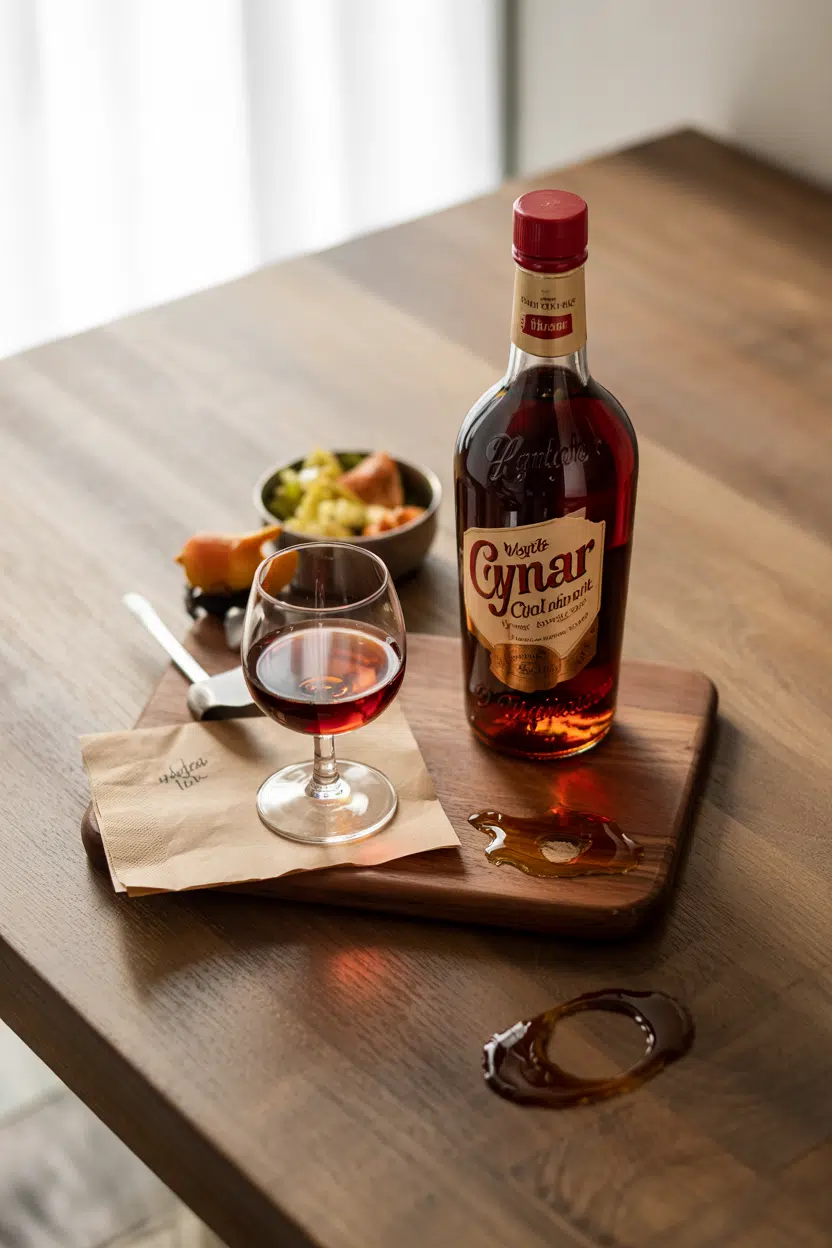
Cynar sits in that odd middle zone between spirits you reach for automatically and the ones you file away as "interesting." If you already know your way around replacements for aperol or have experimented with swapping out fernet branca, Cynar belongs on your radar for the same reason - it fills a flavor space nothing else quite covers.
Cynar is an Italian artichoke-based amaro with a bittersweet, herb-forward flavor and a syrupy-smooth finish. It works as an aperitivo over ice, a Negroni variation, or a cooking addition to pan sauces and braises.
What Is Cynar?
Cynar (pronounced CHEE-nar) is an Italian amaro - a category of herbal bitter liqueur - produced by the Campari Group.
Remember it later
Planning to try this recipe soon? Save it for a quick find later!
Its name comes directly from Cynara scolymus, the botanical name for the globe artichoke, which anchors the flavor along with a proprietary blend of roughly 13 other herbs and plants.
The liqueur was developed in post-war northern Italy and positioned squarely in the aperitivo tradition: a low-ABV, appetite-stimulating drink served before a meal. It pours a deep amber-chestnut color with no sediment and a viscous, almost syrupy body.
You'll sometimes hear it called artichoke liqueur or Cynar amaro interchangeably.
Within the amaro family, it occupies a specific lane - less aggressively medicinal than Fernet-Branca, less bright-red and candy-forward than Campari, and earthier than Amaro Montenegro.
Understanding where these bitters sit relative to each other is useful; you can get a sense of that range by looking at amaro montenegro swaps that work and seeing how drinkers navigate between them.
- 🌍 Origin - Post-war northern Italy, now distributed internationally by Campari Group
- 🌿 Key botanical - Artichoke leaf (*Cynara scolymus*) alongside 12+ additional herbs
- 🍶 ABV - Typically low-to-moderate, well below standard spirits like whiskey or gin
- 🎨 Color - Deep amber to chestnut; should be clear with no cloudiness
What Does Cynar Taste Like?

Cynar leads with bittersweet herb and holds it through the finish. The artichoke note is real - vegetal and slightly green - however it never reads as sharp or raw.
Think of artichoke heart rather than raw artichoke leaf.
Caramelized sugar rounds out the bitterness without making it sweet in any cloying way. There's a mild citrus lift - most noticeable mid-palate - and a faint earthiness that lingers.
The finish is tannic and slightly dry, which is exactly what makes it work as an appetite primer.
Heat softens the bitterness when Cynar is used in cooking, pulling more of the caramel and herb notes forward while the sharp vegetal edge recedes.
How to Use Cynar
Cynar earns its place at the table long before dinner. Served over ice with an orange twist, it's the aperitivo in its purest form - low enough in alcohol that a single serving sharpens appetite without dulling it.
Building a Cynar Spritz follows the same logic as making Italian aperol spritz cocktail at home, though the result is earthier and less sweet: Cynar, prosecco, and a splash of soda over ice.
In cocktails, it steps into the bitter slot wherever Campari would go.
A Cynar Negroni swaps Campari for Cynar and shifts the whole drink toward something earthier and more vegetal - the gin and sweet vermouth still anchor it, however the artichoke note adds a layer Campari doesn't offer.
With tonic, it makes a long, bittersweet highball that drinks well in warm weather.
Cooking with Cynar is a smaller, more deliberate move. Deglaze a hot pan after searing pork or beef, let the liqueur reduce by half, and you get a bitter-herbal fond that no wine or stock replicates in quite the same way.
A small splash stirred into a vinaigrette alongside olive oil works against roasted mushrooms or aged cheeses like Parmigiano-Reggiano.
| Method | Best For | Tip |
|---|---|---|
| 🥂 Aperitivo | Before-dinner drink over ice with orange twist | Use a large ice cube to slow dilution |
| 🍹 Cocktails | Negroni variation, Spritz, tonic highball | Swap 1:1 for Campari as a starting point |
| 🍳 Pan deglaze | Pan sauces for grilled steak or pork | Reduce by half before adding stock or butter |
| 🥗 Vinaigrette | Dressings for bitter greens or roasted veg | Use sparingly - 1 teaspoon per serving maximum |
| 🥩 Marinade | Short roasts of pork or root vegetables | Pair with olive oil and lemon to balance |
How to Buy and Store Cynar
At the store, check the seal and label first. The bottle should show a clear amber-chestnut color with no sediment; cloudiness signals a problem.
ABV appears on the label and typically sits well below that of standard spirits - that's expected and correct.
Once home, store it upright in a cool, dark cabinet.
Unlike wine, you don't need the refrigerator - the sugar and alcohol content preserve it well at room temperature.
Unopened, Cynar holds for several years.
Opened bottles stay at their sharpest within one to two years; after that, the herbal notes flatten noticeably.
Knowing the cynar spoilage signs is useful if you've had a bottle sitting open for a while.
Where to Start with Cynar
Don't open Cynar for the first time and pour it into a complex cocktail. Start over ice with an orange twist - that's the format that shows you exactly what you're working with before you start layering it into Negroni builds or pan sauces.
If you find the bitterness too forward on its own, build a simple Spritz first. Anyone already comfortable with campari's flavor and uses will calibrate quickly - Cynar is earthier and softer, not sharper.
For a direct swap comparison, replacements for cynar and swapping out campari both map out where the two bitters overlap and diverge.
Frequently Asked Questions
Cynar is built on globe artichoke (*Cynara scolymus*) leaf as its signature botanical, combined with a proprietary blend of roughly 13 additional herbs and plants. The exact formula isn't public, however caramelized sugar and an alcohol base round out the blend.
Yes, Cynar is alcoholic. It typically sits at around 16.5% ABV, which is lower than most spirits but higher than wine - making it suitable for a long aperitivo session without the punch of a full-strength cocktail.
Campari is brighter, more citrus-forward, and closer to candy-bitter. Cynar is darker, earthier, and built around the vegetal artichoke note - less flashy in a cocktail but more useful as a cooking ingredient.
Yes - it reduces well in a hot pan and adds bitter-herbal depth to sauces for pork or beef. Use it in small amounts; a tablespoon or two is enough, since the bitterness concentrates as the liquid reduces.
No. The sugar and alcohol content keep it stable at room temperature. A tightly recorked bottle in a cool, dark cabinet is all it needs - refrigeration won't hurt it, however it's not required.



