
Most people assume cranberries just need sugar - dump them in a pot, add sweetener, done.

That framing undersells what's actually happening: raw cranberries carry a sharp, almost aggressive tartness that doesn't disappear with heat, it redirects.
If you're reaching for maple syrup swaps that work to sweeten a cranberry sauce, knowing why the berry needs that counterweight makes the difference between a sauce that sings and one that just sits.
And if you're planning a full holiday spread, storing turkey correctly before the cranberries even hit the stove matters more than most people realize.
Cranberries are small, firm, bright-red berries with sharp tartness and strong astringency when raw. They're rarely eaten plain - most often simmered, baked, dried, or juiced - and need sweetening to balance their acidity. Fresh cranberries peak in fall; frozen ones keep nearly a year.
What Is Cranberry?
Cranberries (Vaccinium macrocarpon) are small, round berries native to the acidic bogs and coastal marshes of Northeastern North America. They grow on low, creeping vines - not trees or upright bushes - in waterlogged, peaty soil that few other crops tolerate.
Remember it later
Planning to try this recipe soon? Save it for a quick find later!
You'll also see them called bog cranberries or American cranberries. They're botanically related to blueberries and lingonberries, though their flavor profile sits in its own category, much sharper and more astringent than either.
Fresh cranberries arrive in stores from late September through December. Outside that window, frozen and dried are the practical options, and both behave differently in the kitchen.
- 🔴 Fresh cranberries - firm, whole berries used for sauces, baking, and glazes
- 🟠 Dried cranberries - sweetened, chewy, used in granola, trail mix, and baked goods
- 🧃 Cranberry juice - pressed and often blended with sweetener; used in drinks and reductions
- 🥄 Frozen cranberries - identical to fresh for cooked applications; skip thawing before baking
What Does Cranberry Taste Like?
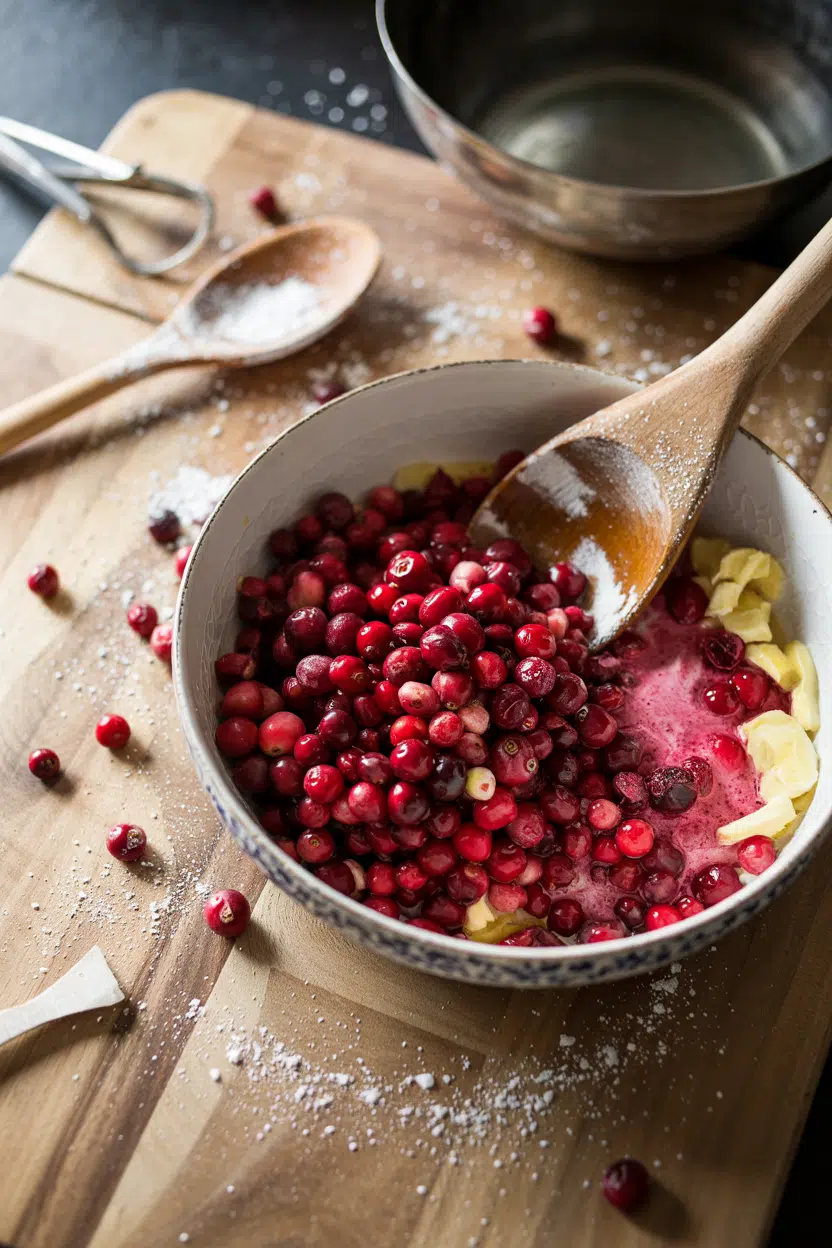
Raw cranberries hit with immediate, sharp acidity - closer to a very tart green apple or sour pomegranate aril than to any sweeter berry. That initial tartness is followed by a dry, mouth-tightening astringency from the skin.
Heat changes the dynamic significantly. Simmered cranberries lose some astringency as the skins break, and the flavor opens up into something more rounded - still tart, still acidic, but softer at the edges.
That's the version most people know from cranberry sauce.
Dried cranberries taste quite different. Sweetener is added during processing, so the tartness is muted and the texture shifts from firm-juicy to chewy. They don't substitute for fresh in cooked recipes without adjustments.
How to Use Cranberry
Cranberries anchor one of the most iconic dishes in North American cooking: Thanksgiving cranberry sauce, simmered with orange zest and sugar until the berries pop and the liquid thickens into a jammy, jewel-red condiment.
That same principle - heat, acid, sweetener - scales into glazes for roasted pork loin, and pairing ideas for roast pork loin show how the berry's tartness cuts right through fatty meat.
Fresh ginger pairs particularly well with cranberry, adding warmth to sauces and compotes. If you're using it regularly and want it to stay sharp, keeping ginger fresh is worth reading before you stock up.
| Method | Best For | Tip |
|---|---|---|
| 🍲 Simmered | Cranberry sauce, compotes, glazes | Add sugar gradually - taste as you go |
| 🥧 Baked | Muffins, scones, tarts | Use whole or chopped; frozen works without thawing |
| 🧃 Juiced/Reduced | Syrups, cocktails, vinaigrettes | Reduce with citrus for more depth |
| 🌬️ Frozen | Extending shelf life, later sauces | Freeze raw; no quality loss for cooked use |
| ☀️ Dried | Granola, trail mix, cheese boards | Check sugar content - commercially dried versions vary widely |
On cheese boards, cranberry chutney or compote pairs sharply with goat cheese and brie, cutting the cream with acidity.
In baking, cranberries share ground well with apples, pears, and walnuts - all of them sturdy enough to hold up against the berry's punch.
For drinks, cranberry juice reduced with orange zest makes a syrup that works in cocktails, mocktails, or poured over plain yogurt.
How to Buy and Store Cranberry
Firm, glossy, deep-red berries are what you want. Avoid any that are soft, shriveled, or showing moisture inside the bag - leaked juice signals bruising or breakdown. Smaller packages often have better berry-to-berry consistency than bulk bags.
Keep unwashed cranberries in their original bag or a breathable container in the refrigerator. Don't wash until you're ready to use them - moisture accelerates softening.
Much like storing blueberries correctly, keeping them dry in a cold environment is the main lever for extending life.
For full detail on timing and signs of spoilage, cranberries's shelf life covers fresh, frozen, and dried options in one place.
Where to Start With Cranberry
If you've only ever opened a can of jellied cranberry sauce, start with a fresh batch simmered on the stove. It takes under 15 minutes and the result tastes sharper, brighter, and more alive than anything canned.
From there, try folding dried cranberries into scone batter or a vinaigrette - low effort, immediate payoff.
If the tartness still feels like too much, replacements for cranberries covers options that bring similar acidity with less bite.
And if you're after the citrus dimension, the choice between comparing dried orange zest vs fresh options affects the brightness of your final sauce more than most cooks expect.
Frequently Asked Questions
Yes, raw cranberries are safe to eat. They're intensely tart and astringent without sweetening, which most people find unpleasant in quantity. Small amounts work in raw salsas or relishes when balanced with sugar and citrus.
Cranberries contain high levels of organic acids - primarily citric, malic, and quinic acid - with very little natural sugar to offset them. That acid-to-sugar ratio is what sets them apart from most other berries.
Fresh cranberries keep for about 2-4 weeks refrigerated when stored dry and unwashed. Frozen cranberries last up to 10-12 months with no meaningful quality loss for cooked use.
Dried cranberries retain some fiber and polyphenols, but most commercial versions contain significant added sugar to offset the tartness. Check the label - sugar content varies widely between brands and styles.
Botanically, yes - cranberries are true berries in the scientific sense, related to blueberries and lingonberries. In common usage, "berries" often refers to sweeter fruits like strawberries, which are not true berries botanically.



