Coconut vinegar brings tangy, fruity notes to marinades, dressings, and Southeast Asian dishes. When you're out of it mid-recipe, you need a swap that delivers acidity without overpowering the dish.
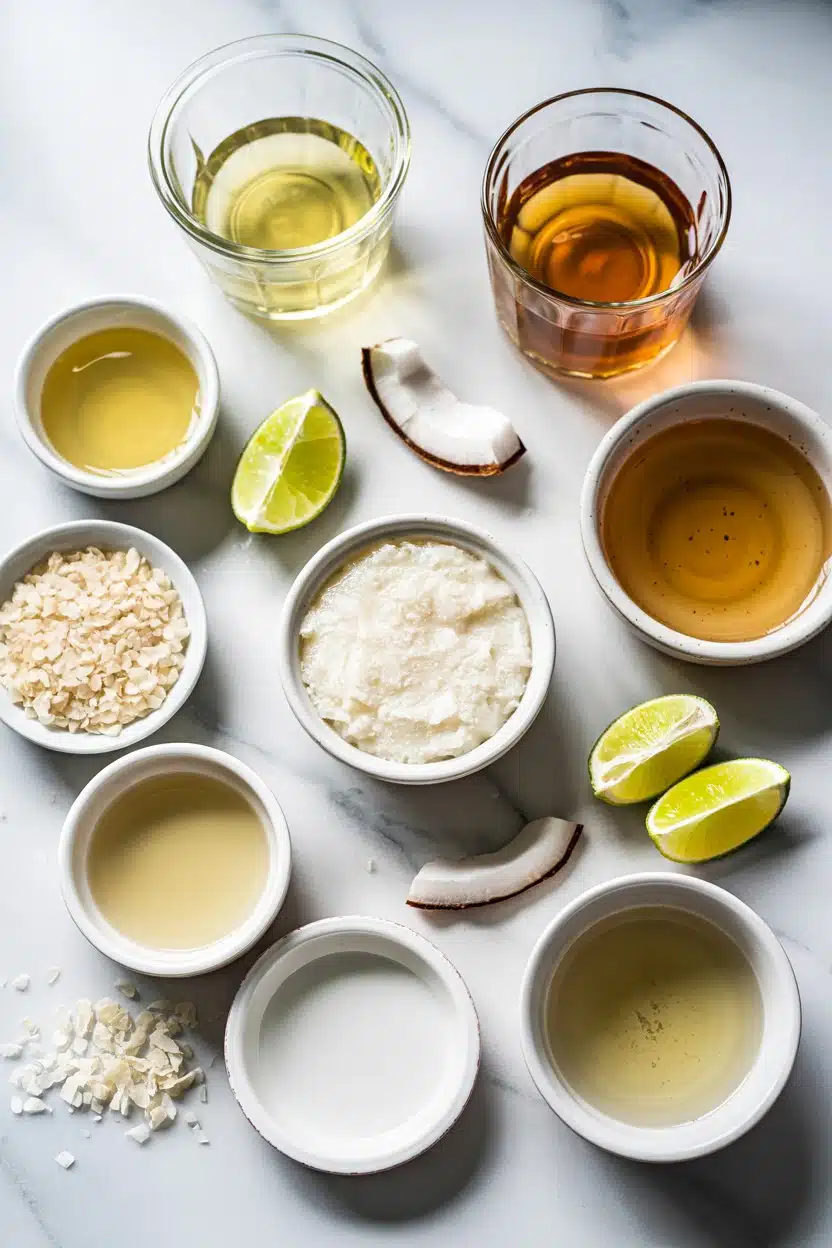
The best substitute depends on the dish type and the flavor you want. Some vinegars add sharpness, while citrus or tamarind-based options shift the taste in a different direction.
| # | Substitute | Best For | Ratio | Key Note |
|---|---|---|---|---|
| 1 | Apple Cider Vinegar | 🍳 Cooking | 1:1 | Milder acidity, slightly fruity |
| 2 | Rice Vinegar | 🍳 Cooking | 1:1 | Gentler, less complex acidity |
| 3 | Lemon Juice | 🍳 Cooking | ¾:1 | Bright citrus, more tart |
| 4 | White Wine Vinegar | 🍳 Cooking | 1:1 | Sharp, clean acidity |
| 5 | Tamarind Mix | 🍳 Cooking | 1:1 mix, then 1:1 | Sour, fruity, slightly sweet |
| 6 | Balsamic Vinegar | 🍳 Cooking | 1:1 | Sweet, syrupy, less acidic |
| 7 | Sherry Vinegar | 🍳 Cooking | 1:1 | Nutty, slightly sweet |
Apple cider vinegar and rice vinegar best replicate coconut vinegar's acidity and mild fruitiness. Focus on matching acidity first, then adjust sweetness or tartness. For a closer flavor, add a pinch of sugar to apple cider vinegar if needed.
7 Quick Coconut Vinegar Swaps for Cooking
The substitutes below work in dressings, marinades, and sauces. Pick based on the flavor you want and what you already have.
Remember it later
Planning to try this recipe soon? Save it for a quick find later!
1 - Apple Cider Vinegar
Apple cider vinegar delivers mild acidity with a subtle fruit note that works in most dressings and marinades. It won't replicate coconut vinegar's unique sweetness, but it keeps the tangy backbone intact.
Use 1 tablespoon of apple cider vinegar for every 1 tablespoon of coconut vinegar. If the dish needs more sweetness, add a pinch of sugar or honey.
Here's what to know:
- Acidity level - Milder than white vinegar, sharper than rice vinegar.
- Flavor shift - Fruity undertones replace coconut's tropical notes.
- Best uses - Dressings, marinades, and pickling brines.
- Works with - Vegetables, pork, chicken, and cabbage-based slaws.
Each substitute behaves differently. Understanding the role of tested Apple Cider Vinegar replacements helps you pick.
*Skip if:* you need very mild acidity or a neutral flavor base.
Apple Cider Vinegar
Works for: Dressings, marinades, slaws, and pickling brines
Skip if: You need neutral acidity or coconut's tropical sweetness
Rice Vinegar
Works for: Delicate Asian dishes, sushi rice, and light dressings
Skip if: You need bold tang or complex flavor depth
2 - Rice Vinegar
Rice vinegar keeps things gentle. It adds acidity without dominating the dish, making it ideal for light Asian dressings and sushi rice seasoning.
Swap 1 tablespoon of rice vinegar for every 1 tablespoon of coconut vinegar. The flavor stays mild, so you might need a touch of sugar if the recipe depends on sweetness.
Cook times differ across grains. A quick Rice Vinegar replacements to try covers similar mild vinegars.
*Skip if:* the dish needs strong tang or layered complexity.
3 - Lemon Juice
Lemon juice brings bright citrus and sharper tartness than coconut vinegar. It works well in dressings and seafood dishes but shifts the flavor toward citrus instead of tropical sweetness.
Use ¾ tablespoon of lemon juice for every 1 tablespoon of coconut vinegar. Start with less and taste as you go-lemon juice can dominate if you pour too much.
Results vary by dish. A quick Lemon Juice replacements to try covers citrus-based swaps.
*Skip if:* you're cooking a dish where vinegar flavor is essential, or if you want a mellow finish.
4 - White Wine Vinegar
White wine vinegar cuts through rich sauces and pickles with sharp, clean acidity. It lacks coconut vinegar's fruity sweetness, so the dish ends up brighter and more tart.
Swap 1 tablespoon of white wine vinegar for every 1 tablespoon of coconut vinegar. Taste before serving-white wine vinegar can overpower delicate flavors if you're not careful.
- Sharpness - More pronounced than coconut vinegar.
- Best for - Pickling, deglazing pans, and acidic sauces.
The swap depends on what White Wine swaps by recipe type fit your dish best.
*Skip if:* you need mild acidity or a sweet undertone.
| Use | Ratio | Notes |
|---|---|---|
| Dressings | 1:1 | Add honey to balance sharpness |
| Pickling | 1:1 | Clean acidity works well here |
| Marinades | 1:1 | Pairs with garlic and herbs |
5 - Tamarind Mix
Tamarind paste mixed with water adds sour, fruity depth that comes closest to coconut vinegar's complexity. The texture is slightly thicker, so it works best in cooked dishes where the paste can dissolve.
Mix 1 part tamarind paste with 1 part water, then use 1 tablespoon of the mixture for every 1 tablespoon of coconut vinegar. Strain out any fibrous bits before adding it to the dish.
- flavor - Sour and fruity with a hint of sweetness.
- Texture - Slightly thicker than liquid vinegar.
- Best uses - Curries, stir-fries, and Southeast Asian sauces.
The swap depends on what common Tamari swaps ranked match your dish.
*Skip if:* you need smooth vinegar consistency or dislike pulpy texture.
6 - Balsamic Vinegar
Balsamic vinegar brings sweetness and syrupy richness, but it's less acidic than coconut vinegar. It works in finishing touches and dressings where bold flavor is welcome.
Swap 1 tablespoon of balsamic vinegar for every 1 tablespoon of coconut vinegar. The dish will taste sweeter and less sharp, so adjust salt or acid if needed.
Balsamic's dark color changes the appearance of light-colored dishes. It shines in roasted vegetables, grilled meats, and drizzled over salads.
What to expect:
- Sweetness - Higher than most vinegars.
- Acidity - Lower than coconut vinegar.
- Color - Deep brown, so it darkens pale sauces.
- Best uses - Finishing touches, glazes, and marinades for red meat.
The swap depends on what Balsamic Vinegar does in your recipe. Match the function first, then check easy Balsamic Vinegar swaps that work for similar options.
*Skip if:* you need light acidity or a neutral appearance.
7 - Sherry Vinegar
Sherry vinegar offers nutty, slightly sweet acidity with medium sharpness. It adds complexity to sauces and marinades without overwhelming the dish.
Use 1 tablespoon of sherry vinegar for every 1 tablespoon of coconut vinegar. The flavor runs richer and less tropical, so it shifts the profile toward savory instead of fruity.
Results vary by dish. A what to use for Sherry swap works best when you know its purpose.
*Skip if:* you want subtle vinegar flavor or a light, fruity finish.
How to Choose a Coconut Vinegar Substitute
No single substitute replicates coconut vinegar exactly. The right choice depends on marinade, or cooked dish.
For dressings and cold dishes, rice vinegar or lemon juice keeps the flavor light. For marinades and sauces, apple cider vinegar or tamarind mix adds depth without overwhelming other ingredients.
- Closest match - Rice vinegar for mild acidity
- Easiest grab - Apple cider vinegar from most pantries
- Bold alternative - Tamarind mix for fruity complexity
Frequently Asked Questions
White vinegar works, but it's sharper and lacks the fruity sweetness coconut vinegar brings. Cut the amount by half and add a pinch of sugar to balance the flavor.
Lemon juice shifts the flavor toward citrus instead of tropical sweetness. It works in dressings and seafood dishes but can dominate if you use too much.
Balsamic vinegar is too sweet and dark for most Asian dishes. Stick with rice vinegar or tamarind mix to keep the flavor accurate.
White wine vinegar or apple cider vinegar both work well for pickling. They provide clean acidity without adding unexpected sweetness.
Mix equal parts tamarind paste and water, then strain out any fibers. Use the same amount as coconut vinegar, adjusting for sweetness or sourness as needed.
7 Best Substitutes for Coconut Vinegar
Ingredients
Method
- Choose a substitute based on your dish type: use rice vinegar or lemon juice for cold dishes, and apple cider vinegar or tamarind mix for marinades and sauces.
- For tamarind mix, blend equal parts tamarind paste and water, then strain out any fibrous bits before use.
- Apply the substitution ratio carefully: use 1:1 for most vinegars, ¾:1 for lemon juice, and 1:1 for tamarind mix after preparation.
- Adjust flavor after adding the substitute by adding sweeteners like sugar or honey if needed, especially with apple cider vinegar and white wine vinegar.
- Taste the dish after substitution and adjust acidity or sweetness to ensure the flavor balance remains appropriate.