
Most cooks treat five spice powder as a one-note shortcut - something you shake onto pork and forget. That undersells it considerably.
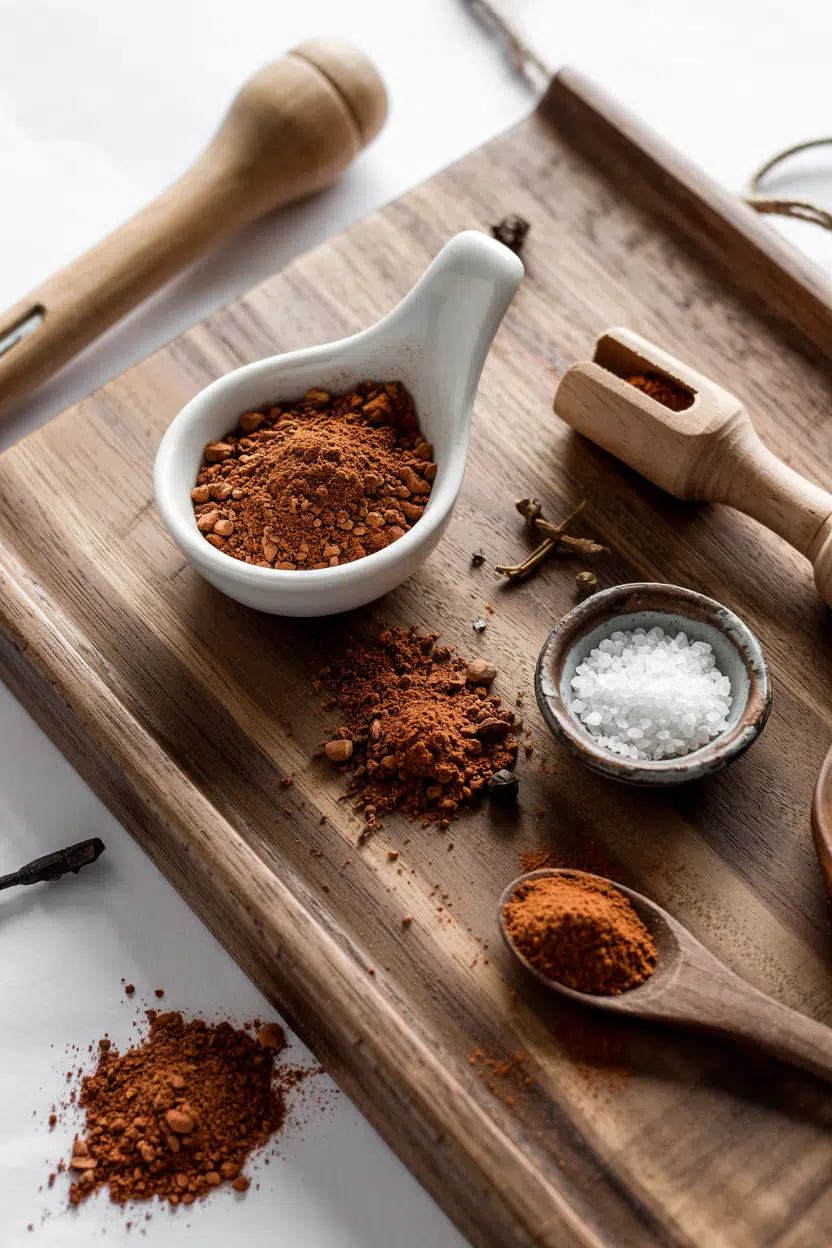
Chinese five spice powder is a ground aromatic blend of star anise, cassia, cloves, Szechuan pepper, and fennel seed. It delivers sweet, warm, numbing, and pungent notes simultaneously - built for pork, duck, and slow braises, but useful far beyond.
What Is Chinese Five Spice Powder?
Chinese five spice powder - also written as wu xiang fen (五香粉) or simply five-spice powder - is a finely ground blend rooted in Cantonese and Szechuan cooking traditions from southern China.
Remember it later
Planning to try this recipe soon? Save it for a quick find later!
The name refers to the five flavor categories in classical Chinese cooking: sweet, bitter, sour, salty, and pungent.
The standard blend combines star anise, Chinese cinnamon (cassia), cloves, fennel seed, and Szechuan peppercorn. Some regional versions swap in white pepper, licorice root, or dried ginger, so exact ratios vary by brand and region.
Unlike spice mixes assembled loosely at the table, five spice is a foundational seasoning - built to deliver balance in a single measure. It shares that concept with blends like ras el hanout from North African cooking, though the flavor profiles are quite different.
- Star anise - the dominant note; provides the licorice-like sweetness that defines the blend
- Cassia (Chinese cinnamon) - warmer and more resinous than Ceylon cinnamon; adds baking-spice depth
- Szechuan peppercorn - not a true pepper; contributes floral, citrusy heat and a mild numbing effect
- Cloves - bring sharp, pungent warmth and a faintly bitter edge
- Fennel seed - softer anise sweetness that rounds out the sharper notes
What Does Chinese Five Spice Powder Taste Like?
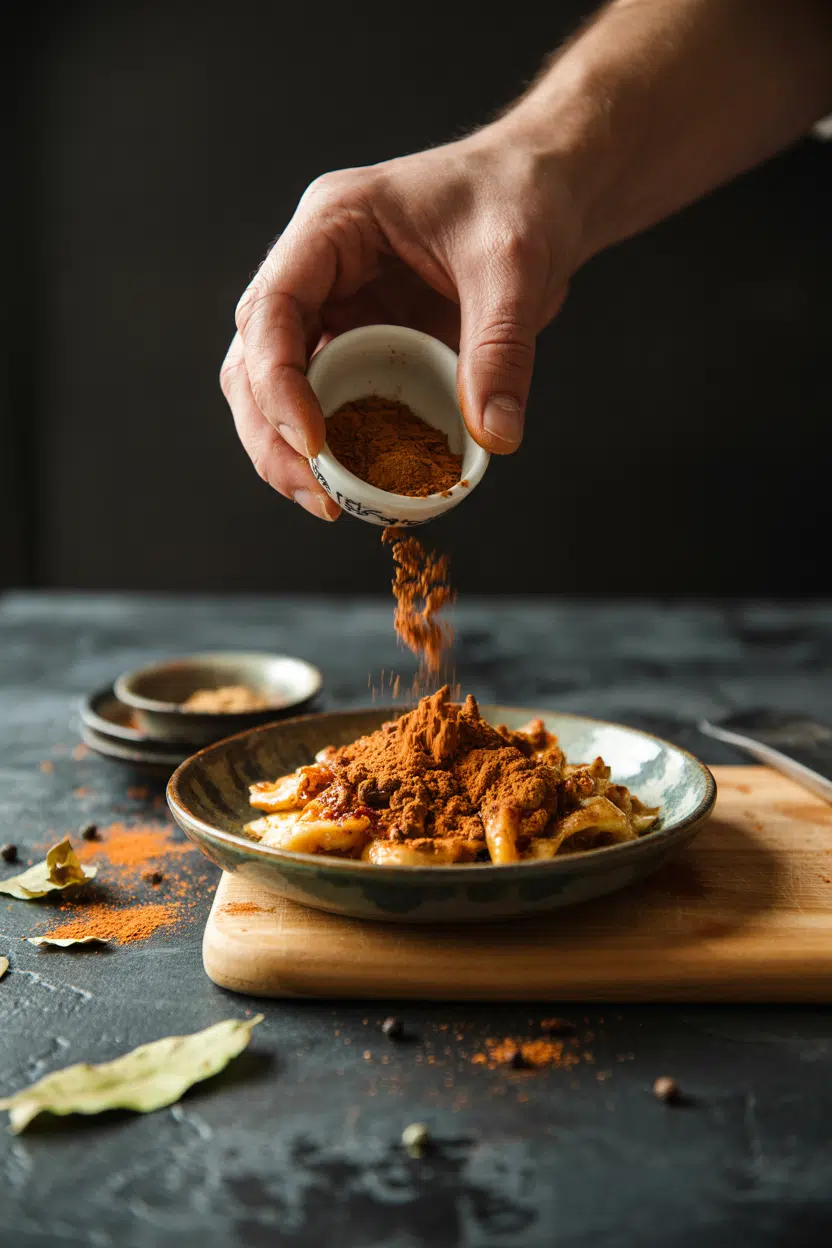
Five spice hits multiple registers at once, which is exactly what makes it difficult to describe simply. The entry note is licorice-sweet from star anise and fennel seed, followed almost immediately by warm spice from cassia and cloves.
The Szechuan peppercorn brings something neither garam masala nor any Western spice blend delivers - a mild numbing sensation with a citrusy, almost floral finish. Think of it as a concentrated garam masala crossed with anise candy, but with that distinctive edge.
With heat, the licorice notes mellow slightly and the clove-driven bitterness softens into background warmth. Added at the end of cooking, the aroma stays sharper and more pronounced.
How to Use Chinese Five Spice Powder
Pork and duck are the classic entry points. Five spice is the backbone of char siu - the Cantonese barbecue pork that gets its signature sweet-savory depth from this blend combined with hoisin, soy, and honey. It works in exactly the same role for roasted duck and fatty chicken thighs, where its resinous warmth cuts through the richness.
Beyond traditional applications, five spice integrates well into braising liquids for red-braised beef or slow-cooked pork belly. When you're building a braising liquid in a Dutch oven, add five spice early so the long cook time rounds out the sharper notes.
| Method | Best For | Tip |
|---|---|---|
| 🧂 Dry Rub | Char siu pork, roasted duck, grilled ribs | Combine with salt, sugar, and white pepper; apply at least 30 minutes before cooking |
| 🫕 Braise | Red-braised beef, slow pork belly, braised tofu | Add to liquid early; long cooking mellows licorice and deepens warmth |
| 🥢 Marinade | Chicken thighs, duck legs, eggplant | Pair with soy sauce, hoisin, sesame oil, garlic, and ginger for balance |
| ✨ Finishing | Noodle soups, stir-fry sauces, roasted vegetables | Add in the final minute; heat-sensitive aroma compounds stay intact |
| 🍪 Baking | Spiced shortbread, cookies, spiced glazes | Use sparingly - ½ teaspoon per batch is usually enough alongside vanilla or brown sugar |
If you're working with hoisin sauce in a marinade, five spice is a natural pairing - both share a sweet-fermented depth that reinforces each other. For roasted vegetables, sweet potato and eggplant carry the blend especially well.
Avoid pairing five spice with delicate green herbs or light seafood, where its licorice notes tend to overwhelm rather than complement.
How to Buy and Store Chinese Five Spice Powder
Fresh five spice smells unmistakably of star anise and cassia the moment you open the container. If the aroma is faint, dusty, or flat, the volatile compounds have already degraded - skip it.
- Airtight, opaque container - protects volatile oils from light and air degradation
- Cool pantry or spice drawer - away from stovetop heat, which accelerates flavor loss
- Label with the date opened - five spice is at peak within 6-12 months; beyond that it still works but weaker
For detailed guidance on when to replace your jar, the full shelf-life breakdown for five spice powder covers what signs indicate it's past usable.
Where to Start With Five Spice
If this blend is new to you, start with a pork shoulder marinade - soy sauce, hoisin, honey, garlic, and ½ teaspoon of five spice. That combination keeps the blend in a supporting role while you learn how much its licorice warmth amplifies.
Already familiar? Push into less expected territory: a pinch in spiced shortbread, or stirred into chili oil for serving alongside char siu pork.
If the specific spice profile doesn't suit a dish, a look at five spice substitutes will show you the closest alternatives.
Frequently Asked Questions
The standard blend is star anise, cassia (Chinese cinnamon), cloves, fennel seed, and Szechuan peppercorn. Some regional or commercial versions substitute white pepper, licorice root, or dried ginger for one of the five components.
It's both. The sweetness comes from star anise, fennel, and cassia; the heat from cloves and Szechuan pepper. Szechuan pepper also adds a mild numbing sensation, which is distinct from the burn of chili heat.
In a pinch, yes - both are warm, multi-spice blends. However, garam masala lacks the licorice notes of star anise and the numbing quality of Szechuan pepper, so the result will be warmer but less distinctly Chinese in character.
For a marinade or dry rub, ½ to 1 teaspoon per pound of meat is a reasonable starting range. For soups or braises, ¼ teaspoon per serving is usually enough - the flavor concentrates as liquid reduces.
Yes, and freshly toasted whole spices ground at home produce a noticeably brighter aroma than store-bought powder. Toast each spice separately in a dry pan until fragrant, then cool completely before grinding together.



