
You spot it on the back bar shelf - that unmistakable spherical bottle with the gold rope and deep ruby liquid - and wonder what exactly Chambord is meant for beyond a passing garnish.
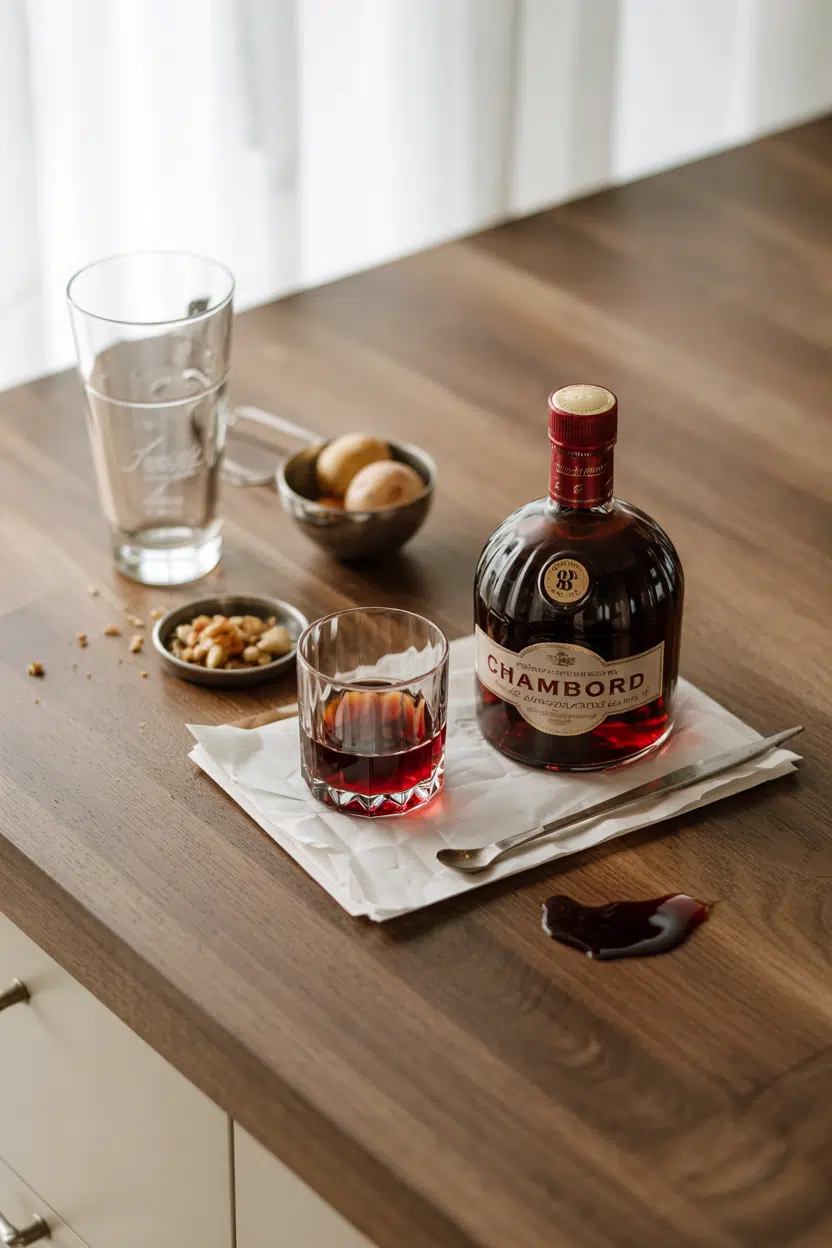
It's a French black raspberry liqueur built on a Cognac-style spirit base with vanilla and citrus peel, and it works far harder than most people realize.
Unlike single-note syrups, Chambord carries the kind of layered sweetness closer to the taste of creme de cassis - though with raspberry in place of blackcurrant.
If you're reaching for something to add boozy fruit character to both a glass and a pan, this is worth understanding properly.
Chambord is a French black raspberry liqueur from the Loire Valley, flavored with vanilla, citrus peel, and a Cognac-style base. It pours deep ruby, tastes like boozy raspberry jam, and works in cocktails, meat glazes, and dessert sauces alike.
What Is Chambord?
Chambord is a black raspberry liqueur produced in the Loire Valley of France, drawing on a tradition of fruit liqueur-making that dates back centuries in the region.
Remember it later
Planning to try this recipe soon? Save it for a quick find later!
The modern commercial version is built on a Cognac-style neutral grape spirit base, steeped with black and red raspberries, blackcurrants, vanilla, Moroccan citrus peel, and honey.
The result is a deep ruby-red liqueur with a visibly viscous pour and a distinctive spherical bottle capped with a golden crown-style top. It sits at around 16-17% ABV - lower than most spirits, higher than most wines.
Chambord is sometimes called simply "raspberry liqueur" or "black raspberry liqueur," though the brand name has become near-generic in bar settings.
It differs from cheaper raspberry cordials in one key way: the Cognac base adds warmth and genuine spirit depth rather than flat sweetness.
- 🇫🇷 Origin - Loire Valley, France
- Base spirit - Cognac-style grape spirit
- Key botanicals - black raspberry, vanilla, citrus peel, honey
- ABV - approximately 16-17%
- Also called - black raspberry liqueur, Chambord Royale, raspberry liqueur
What Does Chambord Taste Like?
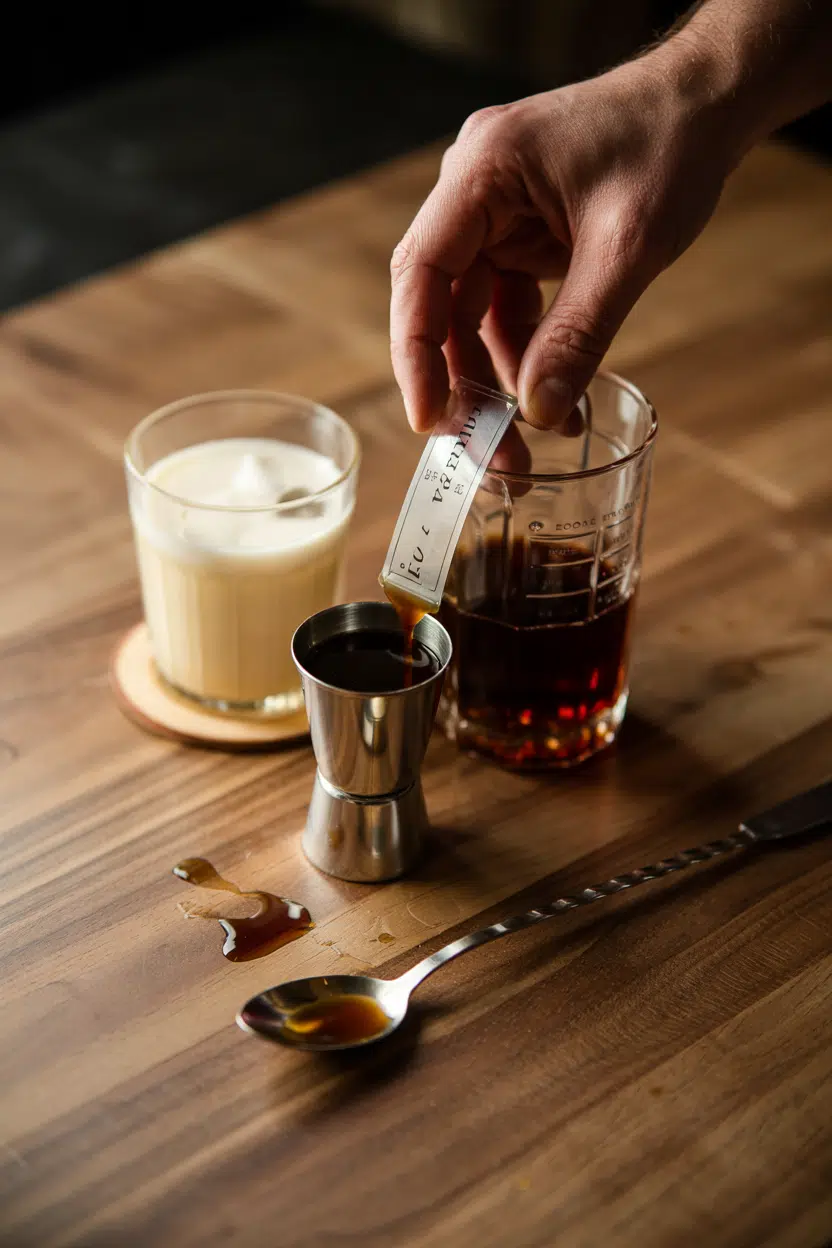
Chambord tastes like concentrated raspberry jam that's been spiked with a small measure of brandy. The dominant note is black raspberry - sweet and tart at once, riper and darker than fresh fruit.
Underneath that fruit core sits soft vanilla and honeyed sugar, which round out the edges and make the sweetness feel layered rather than sharp.
A Cognac-like warmth follows on the finish, alongside a faint citrus peel lift that keeps the whole thing from clogging the palate.
Reduced by heat, the fruit character intensifies while the alcohol largely cooks off, leaving behind a sticky, tart berry glaze. Chilled in a shaken cocktail, the vanilla and citrus notes become more prominent than the spirit warmth.
How to Use Chambord
Chambord earns its keep in three distinct zones: cocktails, meat cookery, and desserts. Most people stop at the first - which leaves a lot of potential untapped.
In cocktails, the French Martini (vodka, Chambord, pineapple juice) is the most-reached-for application, and for a reason - the fruit sweetness bridges vodka's neutrality and pineapple's acidity cleanly.
Floating a splash over sparkling wine makes a raspberry variation on the classic Kir Royale; you'll find the full method in a kir royale french champagne recipe if you want precise proportions.
Beyond classic cocktails, Chambord stirs well into hot chocolate or coffee for a boozy raspberry finish.
In the kitchen, sauce reduction and deglazing are where Chambord punches above its weight.
The jammy fruit character concentrates under heat and pairs naturally with duck breast, pork tenderloin, and game birds - anywhere a sweet-tart berry contrast makes sense alongside rich meat fat.
For desserts, drizzle warmed Chambord over vanilla ice cream, panna cotta, or cheesecake. Macerating fresh berries in a small measure for 30 minutes amplifies their flavor for cocktail garnishes or plated desserts.
| Method | Best For | Tip |
|---|---|---|
| 🍸 Shaken/Stirred | French Martini, Kir Royale, sours | Use 15-20 ml per serving; it's sweet, so balance with citrus |
| 🍳 Reduction | Duck glaze, pork sauce, game birds | Simmer 3-5 min to cook off alcohol before finishing with butter |
| 🍨 Drizzle | Ice cream, panna cotta, cheesecake | Warm gently for a thinner sauce; serve at room temperature |
| 🫐 Maceration | Cocktail garnishes, dessert toppings | 30-60 min at room temp is enough; longer softens the fruit too much |
| 🥗 Vinaigrette | Arugula, pear, and toasted nut salads | One teaspoon per serving; balance with good red wine vinegar |
Avoid using Chambord with delicate white-flesh fish - the heavy sweetness and vanilla overwhelm subtle flavors. Very bitter greens are a similar mismatch, with the sugar and berry notes clashing rather than complementing.
How to Buy and Store Chambord
Look for the sealed spherical bottle with a clear, deep ruby-red color inside. When tilted, the liquid should run in slow, thick legs - a sign of the proper sugar-and-spirit body. Check the ABV on the label: genuine Chambord runs 16-17%. Cloudiness or an unusually dark, brick-toned appearance can indicate oxidation.
Once open, store upright in a cool, dark cabinet and keep it tightly capped. Refrigerating after opening slows aroma loss and evaporation.
For the full picture on keeping chambord fresh, including how to tell when it's past its best, the details are worth reviewing before you commit a bottle to long-term storage.
- Unopened - keeps for many years in cool, dark storage
- Opened - peak quality holds 12-24 months; flavor fades gradually after that
Where to Start With Chambord
If you're new to it, shake a French Martini first - one part Chambord, two parts vodka, two parts pineapple juice.
That single drink shows you all three registers at once: the fruit sweetness, the vanilla depth, and how it bridges other flavors without dominating them.
From there, try a pan deglaze on duck or pork. If you find yourself short a bottle mid-recipe, there are practical alternatives to chambord worth knowing, particularly crème de cassis, which handles a similar role in sauces.
For the Cognac base side of things specifically, swapping out cognac covers what carries the warm spirit character when you need it.
One bottle covers cocktails, kitchen, and dessert - the range is wider than the price suggests.
Frequently Asked Questions
Not exactly. Chambord is a specific brand of black raspberry liqueur made with a Cognac-style base, vanilla, and citrus peel. Generic raspberry liqueurs often lack that spirit foundation and taste noticeably flatter in both cocktails and cooking.
Chambord sits at approximately 16-17% ABV - about twice the strength of wine but well below standard spirits. It's low enough that a full pour in a cocktail adds sweetness without overwhelming the alcohol balance.
Yes - it reduces well into glazes and pan sauces for duck, pork, or game. Simmer for at least 3-4 minutes to cook off the raw spirit edge before finishing the sauce.
The French Martini (vodka, Chambord, pineapple juice) is the most common. It also appears in raspberry Kir Royale variants, sours, and as a float over sparkling wine or Champagne.
Quality holds for 12-24 months once opened, provided the bottle is kept tightly capped and stored cool. The vanilla and citrus aromas fade first - the liqueur won't spoil, but it tastes noticeably duller past two years.



