
Carob powder does something no other ingredient quite replicates: it delivers a roasted, mildly sweet depth that reads chocolate-adjacent without any of cocoa's sharpness or caffeine load.

Unlike cocoa, which depends on fat and bitterness for its character, carob powder draws its appeal from natural sugars already present in the dried pod - meaning it contributes sweetness and body at the same time.
Whether you're stirring it into a warm drink alongside keeping milk fresh on the counter, or folding it into muffin batter, it changes how you think about caffeine-free baking entirely.
Carob powder is a naturally sweet, caffeine-free cocoa substitute ground from dried carob pods. It has a mild roasted flavor with caramel-like warmth, substitutes for cocoa at a 1:1 ratio, and suits baking, drinks, and energy-ball recipes well.
What Is carob powder?
Carob powder comes from the dried, roasted, and ground pods of the carob tree (Ceratonia siliqua), a legume native to the Eastern Mediterranean.
Remember it later
Planning to try this recipe soon? Save it for a quick find later!
The pods themselves are long, flat, and leathery - harvested when fully ripe, then dried and milled into the fine tan-brown powder sold in health food stores and specialty grocers.
You may also see it labeled as carob flour, St. John's bread powder, or Ceratonia siliqua powder.
These names all refer to the same product, though "carob flour" occasionally indicates a less roasted, lighter-colored version with a subtler flavor.
Two main types exist: raw carob powder (lighter, less roasted) and roasted carob powder (darker, with deeper caramel notes). Most recipes call for the roasted variety, which is what fills the majority of retail bags.
- 🌍 Origin - Eastern Mediterranean, cultivated for thousands of years across the Mediterranean Basin
- 🫘 Category - Legume-derived (the carob tree is in the Fabaceae family, same as beans and lentils)
- 🍬 Natural sugars - Contains sucrose naturally, which is why it tastes sweet without added sweetener
- ☕ No stimulants - Lacks both caffeine and theobromine, making it safe for caffeine-sensitive people
What Does carob powder Taste Like?
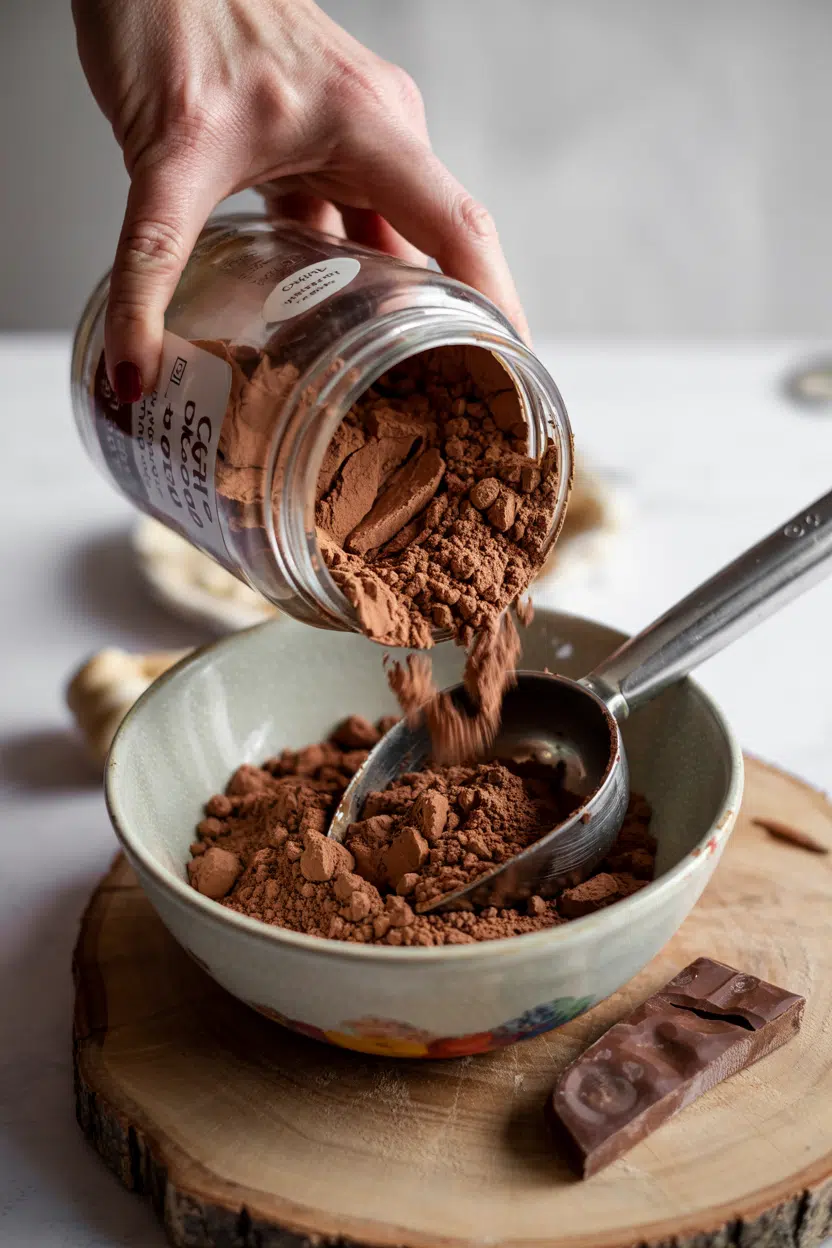
Carob powder tastes similar to unsweetened cocoa but softer in every dimension. The bitterness cocoa relies on is mostly absent here - instead, you get a toasted, brown-sugar warmth with faint earthy and nutty undertones.
Heat amplifies the roasted quality. Blooming carob powder in hot liquid - just as you would cocoa - brings out a richer, more rounded flavor than simply stirring it cold.
That caramel edge sharpens slightly when baked, which is why carob muffins and quick breads often taste more complex out of the oven than the raw batter suggests.
How to Use carob powder
Carob powder works across a wider range of applications than most people initially expect. Its natural sweetness means recipes often need less added sugar, and its fat content is far lower than cocoa, which slightly affects texture in baked goods.
| Method | Best For | Tip |
|---|---|---|
| 🥛 Bloomed in liquid | Hot drinks, sauces, glazes | Use hot (not boiling) liquid and whisk thoroughly to avoid lumps |
| 🧁 Dry mixed into batter | Muffins, quick breads, cookies | Sieve before mixing to prevent graininess in the crumb |
| ⚡ No-bake blending | Energy balls, bars, truffles | Combine with nut butter and dates; the natural sugars bind well |
| 🍯 Simmered into syrup | Cake glazes, pastry drizzles | Cook low and slow - high heat dulls the caramel notes |
In Mediterranean and Middle Eastern kitchens, carob has a long history in syrups and confections. Modern vegan baking adopted it readily because it contributes chocolate-like color and mild sweetness without dairy or stimulants.
Pairings that work well include cinnamon, cardamom, orange zest, vanilla, almond, and hazelnut. Dates and dried fruits are especially natural companions, since their own caramel sweetness mirrors carob's profile. Nut butters - particularly almond and tahini - round out the earthy notes in no-bake recipes.
If you want stronger chocolate-forward flavor alongside carob, consider how cacao nibs in cooking can add genuine cocoa bitterness without overwhelming the blend.
For cases where carob simply won't work, a full guide to alternatives to carob powder covers the main options with ratios.
How to Buy and Store carob powder
Good carob powder has a uniform dark tan-brown color with no gray cast or clumps. Smell before buying if the bag allows - it should register as toasted and faintly sweet, not flat or stale.
Clumping usually signals moisture exposure, which degrades both flavor and texture.
Once opened, store in an airtight container in a cool, dark pantry away from heat sources and strong-smelling spices - carob absorbs ambient odors readily.
A full breakdown of keeping carob powder fresh covers signs of spoilage and whether refrigeration actually helps.
For reference on how other cocoa-category powders compare in shelf behavior, comparing cocoa powder vs baking cocoa options is worth a read.
- Shelf life - 6-12 months opened; refrigeration can extend this, but bring to room temperature before using to avoid condensation
- Signs of decline - Flat aroma, grayish color, or off taste mean it's past its best
- Avoid moisture - Never use a wet spoon; even small amounts of water cause clumping
Start With the Drink
If carob powder is new to you, the quickest way to understand its character is a simple carob hot chocolate: whisk a tablespoon into warm oat or soy milk, no sugar needed at first.
That single cup shows you both the mild roasted sweetness and the natural body it brings before committing it to a whole batch of baked goods.
From there, move to no-bake energy balls with dates and almond butter - the recipe is forgiving and the carob flavor shines without any heat. Baked applications come last, once you know how its sweetness and low-fat profile shift results compared to cocoa.
Frequently Asked Questions
No. Carob powder is completely free of both caffeine and theobromine, the stimulant that also appears in cocoa. This makes it a reliable option for caffeine-sensitive people, children, and those avoiding stimulants for medical reasons.
Use a 1:1 ratio by volume - one tablespoon of carob powder for every tablespoon of cocoa. Because carob is naturally sweeter, reduce added sugar by roughly 20-25% to avoid an overly sweet result.
It depends on the goal. Carob is lower in fat and naturally sweet, so it fits caffeine-free and lower-fat diets well. However, cocoa provides more antioxidants (flavonoids), so neither is universally superior.
Carob's lower fat content produces a slightly drier, denser crumb than cocoa in the same recipe. Adding a teaspoon of neutral oil or an extra tablespoon of wet ingredient compensates well in most quick breads and muffins.
Not in the traditional sense. Without cocoa butter, carob powder won't set into a bar or produce a snap. Carob chips use added vegetable fat to mimic that texture, but homemade carob powder alone can't replicate it.



