
That first hit of cajun seasoning is unmistakable - toasty paprika, sharp garlic, and a slow-building cayenne heat that lands well after the first bite. It's a dry spice blend built for Southern Louisiana cooking, where bold flavor is the baseline, not the exception.
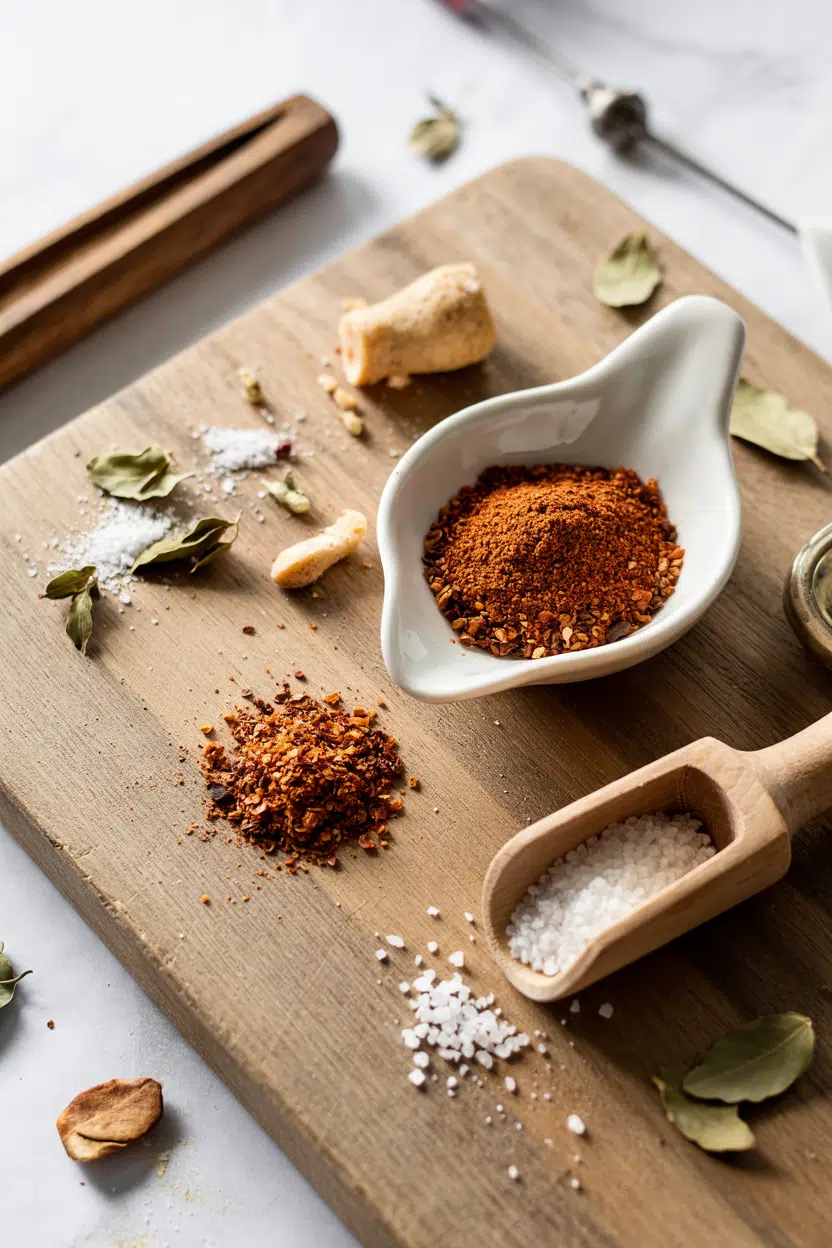
Dishes like shrimp jambalaya and blackened fish exist because of this blend, and once you understand how it works, it earns a permanent spot in your pantry.
A Louisiana dry spice blend built on paprika, cayenne, garlic, and onion. It delivers smoky, savory, and spicy flavor - strong enough to anchor a dish on its own. Best used as a rub, skillet seasoning, or stir-in for soups and sauces. Stays potent for 6-12 months.
What Is Cajun Seasoning?
Cajun seasoning is a dry spice blend rooted in Louisiana cooking, built around a core of paprika, cayenne pepper, garlic powder, and onion powder. Most versions also include black pepper, white pepper, dried oregano, and thyme - though no two blends are identical, which is part of what makes regional and homemade versions interesting.
Remember it later
Planning to try this recipe soon? Save it for a quick find later!
It goes by several names: Cajun spice, Cajun rub, or simply Cajun spices. The blend is closely related to Creole seasoning, but Cajun versions typically lean spicier and earthier, while Creole blends tend to include more herbs and sometimes a touch more complexity.
Both traditions come from Louisiana, where Cajun cooking developed in rural Acadian communities and Creole cooking emerged in New Orleans' urban kitchens. The spice blend reflects that heritage - direct, peppery, and built for high-heat cooking methods like blackening.
You'll find it sold as a pre-mixed commercial blend or as a homemade mix. When substituting one spice blend for another, smoked paprika plays a key role in replicating the smoky backbone.
What Does Cajun Seasoning Taste Like?
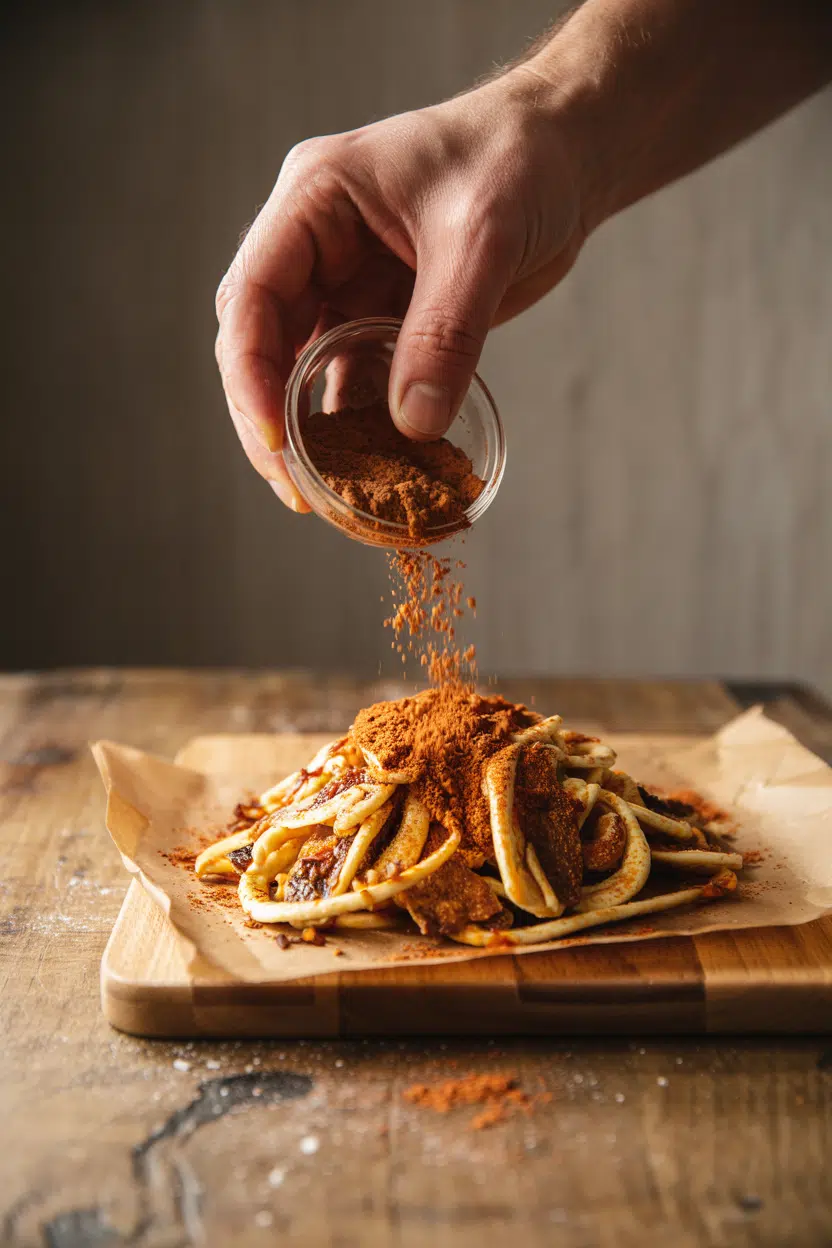
Cajun seasoning hits hard and in layers. Paprika leads with toasty, slightly sweet warmth, then garlic and onion powder deliver a savory punch that feels almost roasted. Cayenne comes in last - a clean, direct heat that lingers.
Compared to a barbecue rub, cajun seasoning is less sweet and more peppery. It sits closer to a pepper-forward Creole blend than to anything mild.
Heat from high-heat cooking like blackening intensifies the cayenne and deepens the paprika into something almost charred - which is exactly the point.
A squeeze of lemon or a splash of vinegar cuts through the heat effectively. Without that acid contrast, the blend can taste one-dimensional on lighter proteins.
How to Use Cajun Seasoning
Blackening is the technique most associated with this spice blend. Press it firmly onto fish fillets or chicken thighs, then cook them in a screaming-hot cast-iron skillet with butter. The crust that forms is what makes blackened redfish, catfish, and salmon so distinct.
Cajun seasoning also builds depth in long-cooked dishes. Stir it into crockpot gumbo early in cooking for a smoky base, or add it near the end of a jambalaya for brighter spice.
| Method | Best For | Tip |
|---|---|---|
| 🧂 Dry Rub | Fish, chicken, shrimp, pork before high-heat cooking | Press firmly into the surface; don't just dust it |
| 🍳 Blackening | Cast-iron skillet fish or chicken | Use butter, not oil - it caramelizes the spices faster |
| 🍲 Stir-In | Gumbo, jambalaya, soups, and stews | Add early for background depth, late for sharp spice |
| 🥣 Sauce Blend | Mayo, sour cream, or butter-based dipping sauces | Start with ½ teaspoon per ½ cup - it amplifies in fat |
| 🍟 Finishing Sprinkle | Roasted potatoes, popcorn, roasted nuts, wings | Add after cooking so the cayenne doesn't burn |
For dipping sauces, one teaspoon per half cup of mayo or sour cream is a reliable starting point. Cajun spice amplifies in fat, so less goes further than you'd expect.
Tossed with popcorn, it makes a savory snack worth keeping in rotation. For a comparison of other seasoning options in that context, see our guide to popcorn seasoning blends.
How to Buy and Store Cajun Seasoning
Fresh cajun seasoning has a bright red-orange color from active paprika. Avoid jars with dark brown tones or visible clumping - both signal age or moisture exposure.
Check ingredient order: paprika and cayenne should appear near the front.
Store in an airtight, opaque container in a cool, dark pantry - not on a shelf above the stove, where heat and steam degrade the paprika fastest. Commercial blends stored properly last up to 24 months, but flavor starts dropping off after 12.
For a full breakdown of how long it stays usable, see the guide to cajun seasoning storage guide.
If the blend smells flat or the color has gone dull, it's time to replace it.
Start Here
Start with blackened chicken or shrimp if this is your first time cooking with cajun seasoning. Both proteins handle the spice well, cook fast, and give you a clear read on heat level before you commit to a larger batch.
If the commercial blend you bought is too mild or too salty, there are reliable cajun seasoning alternatives that let you rebuild the flavor profile from scratch.
Frequently Asked Questions
No. Both are Louisiana blends, but Cajun seasoning is spicier and more pepper-forward. Creole seasoning typically includes more dried herbs like thyme and basil, and has a slightly more complex, less fiery profile.
Medium-hot for most commercial blends. Cayenne is the main heat source, and spice level varies by brand. Homemade versions let you dial cayenne up or down to your tolerance.
Yes - it's one of the best applications. Catfish, redfish, and salmon hold up to the heat and spice. Use it sparingly on very delicate white fish, where heavy cayenne can overwhelm the flesh.
Many commercial blends do - sometimes as the first ingredient. Pure spice blends and most homemade versions don't. Always check the label if you're managing sodium intake.
Combine paprika, garlic powder, onion powder, cayenne, black pepper, dried oregano, and thyme. A common ratio is 2 parts paprika to 1 part each of the remaining spices. Adjust cayenne to control heat.



