
That first sip hits with dark fruit and something almost mineral - blackcurrant, a whisper of cedar, and a dry grip that lingers long after you've swallowed.

Cabernet sauvignon earns its reputation as the world's most recognized red wine, not through approachability, but through structure and depth.
If you've ever wondered why it tastes different depending on where it's from, or how to cook with it beyond drinking it, the difference comes down to tannins, terroir, and oak.
Knowing comparing cabernet franc vs cabernet sauvignon options sharpens your understanding of where cab sauv sits in the broader red wine landscape.
Cabernet sauvignon is a full-bodied dry red wine with firm tannins, dark fruit, and cedar-oak character. It's built for red meat, aged cheeses, and slow braises. Unopened bottles last years; once opened, drink within 3-7 days.
What Is Cabernet Sauvignon?
Cabernet sauvignon originated in the Bordeaux region of France, specifically near the Garonne River, where it was first documented in the 17th century as a natural cross between cabernet franc and sauvignon blanc.
Remember it later
Planning to try this recipe soon? Save it for a quick find later!
Its thick skin gives it high tannin levels and deep pigmentation - both defining traits.
It's classified as a dry red wine grape, grown across nearly every major wine-producing country. You'll find it labeled simply as Cabernet, Cab Sauv, or Cabernet-Sauvignon depending on the producer's style.
Growing region shapes it dramatically. Bordeaux-style cabernet tends to be leaner and more structured, while California Napa Valley expressions run riper and more fruit-forward.
- 🇫🇷 Bordeaux, France - the original home; earthy, structured, cellar-worthy
- 🇺🇸 Napa Valley, California - riper fruit, higher ABV, often oak-forward
- 🇦🇷 Argentina and Chile - New World styles with softer tannins and accessible pricing
- 🇮🇹 Tuscany, Italy - appears in modern Super Tuscan blends alongside sangiovese
What Does Cabernet Sauvignon Taste Like?
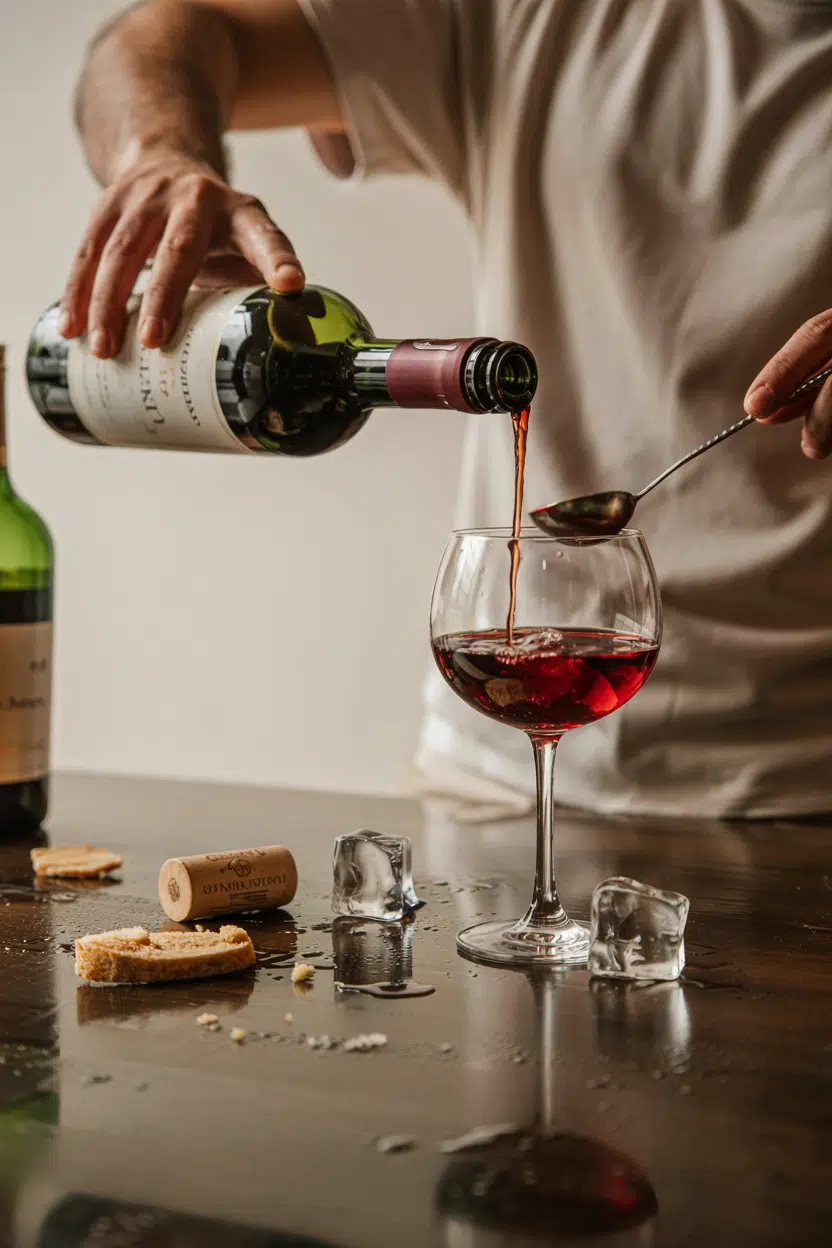
Cassis - the concentrated flavor of blackcurrant - is the most consistent marker of cabernet sauvignon across all regions. Black cherry follows closely, with the exact fruit profile shifting based on climate: cooler regions produce tighter, more tart fruit, while warmer climates push toward riper plum and blueberry.
Oak aging adds cedar, tobacco, and cocoa layers - the longer it sits in barrel, the more pronounced those notes become. A green, almost bell-pepper note sometimes appears in cooler-climate or less-ripe examples; this comes from pyrazines, aromatic compounds natural to the grape's genetics.
Compared to merlot, cab sauv is firmer and less plush. Its tannin grip is stronger, and the finish lasts noticeably longer.
How to Use Cabernet Sauvignon
Cabernet sauvignon works hardest when matched with fat, protein, and umami - the tannins bind to fat molecules in meat, softening their astringency and making both the food and wine taste rounder.
That's why a grilled ribeye is the textbook pairing.
For slower preparations, braised short ribs are built for this wine - the collagen-rich meat and reduced sauce echo the wine's structure. Use it directly in the braise or reduction; it concentrates well over heat and doesn't lose its character.
| Method | Best For | Tip |
|---|---|---|
| 🥩 Grilling | Ribeye, porterhouse, lamb chops | Serve slightly below room temp - around 60°F - to keep tannins from tasting harsh |
| 🍳 Braising | Short ribs, lamb shanks, oxtail | Add wine early so alcohol cooks off and fruit integrates into the sauce |
| 🫕 Deglazing | Pan sauces and reductions for beef | Use a younger, cheaper bottle - complex oak notes get lost when reduced hard |
| 🧀 Pairing | Aged cheddar, manchego, pecorino, dark chocolate | Match intensity - soft fresh cheeses get overpowered |
Mushroom-based dishes - porcini ragu, roasted portobello, mushroom risotto - complement the wine's earthy graphite and cedar notes naturally. Dark chocolate at 70% cacao or higher works well when the cab has strong oak influence.
Two cuisines that rely on this grape most heavily are French (classic Bordeaux-style service) and California, where the grape has developed its own identity across Napa's distinct AVAs like Oakville and Rutherford.
If you're cooking without wine or need a substitute, cabernet sauvignon stand-ins cover the closest alternatives by cooking context.
Avoid pairing it with delicate white fish or citrus-forward salads - the tannins overwhelm light proteins and clash with bright acidity.
How to Buy and Store Cabernet Sauvignon
Start with the label. Vintage year and region tell you more than price - a 2019 Napa Valley Cabernet and a 2019 Bordeaux are both cab sauv, but they'll drink very differently. For drinking now, reach for younger Chilean or California bottles.
For cellaring, Bordeaux and premium Napa AVAs reward patience.
Storage matters more with cab sauv than with lighter reds. Lay bottles on their side at 55°F (13°C) with 60-70% humidity if you plan to age them. Once opened, seal with a wine stopper and refrigerate upright.
Opened bottles hold for 3-7 days refrigerated - tannins and phenolics actually slow oxidation compared to lighter wines. Watch for cabernet sauvignon spoilage signs like a sharp vinegary smell or flat, dull color, which tell you the bottle has turned.
Start Here if You're New to Cab Sauv
Pick a Chilean or California Cabernet under $20 for your first bottle - these tend toward ripe fruit and softer tannins, which show the grape's core character without demanding age.
Once that clicks, step up to a Napa single-vineyard expression or a mid-range Bordeaux to see how what pairs with pinot noir contrasts sharply with the weight cab sauv brings to the table.
Cook with a bottle first if drinking feels like too much commitment. A pan sauce or short rib braise will show you exactly why this grape's structure matters - and why nothing quite replaces it.
Frequently Asked Questions
Dry. Virtually all commercially produced cabernet sauvignon is fermented to full dryness, meaning residual sugar is minimal or undetectable. The ripe dark fruit flavors can read as sweetness, but there's no actual sugar driving them.
Significantly more tannic. Cabernet's thick skin produces higher phenolic content, resulting in a firmer, drier grip on the palate. Merlot's tannins are softer and less persistent.
That green, bell-pepper character comes from pyrazines - aromatic compounds in the grape's skin that dominate when grapes are harvested underripe or grown in cool climates. Warmer vintages and longer hang times reduce this noticeably.
High-quality Bordeaux and Napa Cabernets can age 20-30 years or more under proper cellar conditions. Everyday bottles are built for 2-5 years. Once past their peak, tannins soften but fruit fades.
It means the wine is made from at least 75-85% cabernet sauvignon grapes, depending on the country's labeling laws. Bordeaux blends routinely add merlot or cabernet franc; a single-varietal bottling isolates the grape's character more directly.



