• Skip to primary navigation
  • Skip to main content
  • Skip to primary sidebar
  • Recipe Index
    • Air Fryer
  • Side Dishes
  • Substitutes
  • About
  • Contact
  • Subscribe

ForkLiftKitchen

menu icon
go to homepage
  • Recipe Index
    • Air Fryer
  • Side Dishes
  • Substitutes
  • About
  • Contact
  • Subscribe
subscribe
search icon
Homepage link
  • Recipe Index
    • Air Fryer
  • Side Dishes
  • Substitutes
  • About
  • Contact
  • Subscribe
×

Blog

7 Best Substitutes for Rock Sugar

January 29, 2026

Rock sugar dissolves slowly in simmered liquids-that's why Chinese braises and Southeast Asian teas call for it specifically. The large crystals release gradual sweetness without overpowering the dish.

7 Best Substitutes for Rock Sugar

Most Western recipes don't use rock sugar. You can usually swap in standard sugars with minor adjustments to timing or quantity.

QUICK SUMMARY

Granulated white sugar works 1:1 in braised dishes and soups-it dissolves faster than rock sugar but provides the same clean sweetness. Turbinado sugar mimics the slow-dissolving crystals with added caramel notes. For liquid sweeteners, use ¾ cup honey per cup rock sugar and reduce other liquids slightly.

🏆Closest match: Turbinado sugar for crystal structure and mild caramel depth
⚡Fastest swap: Granulated sugar dissolves in 2-3 minutes instead of 10
⚠️Watch out: Liquid sweeteners change consistency-reduce other liquids by 2-3 tablespoons

7 Alternatives to Replace Rock Sugar

Rock sugar's large crystals and slow-release sweetness don't translate directly to all sugars. The swaps below work for braising, teas, and desserts with slight adjustments to timing or liquid balance.

Quick Substitute Reference
# Substitute Best For Ratio Key Note
1 Granulated Sugar 🍳 Cooking 1:1 Dissolves much faster
2 Turbinado Sugar ✨ Both 1:1 Mild molasses flavor
3 Candy Sugar ✨ Both 1:1 Less common variety
4 Jaggery 🍳 Cooking ¾ cup Strong molasses taste
5 Muscovado Sugar 🍳 Cooking 1:1 Deep caramel notes
6 Honey ✨ Both ¾ cup Liquid form changes texture
7 DIY Sugar Crystals ✨ Both 2 cups mix Time-intensive process

1. Granulated Sugar 🍚

Granulated white sugar steps in for rock sugar in braised pork belly, soy-braised dishes, and sweet soups. It dissolves faster than rock sugar-usually within 2-3 minutes instead of 10.

Use 1:1 by volume. Add it at the same point in the recipe.

The sweetness profile matches rock sugar almost exactly. Both are pure sucrose with clean, neutral sweetness.

  • ✅ Same sweetness level
  • ✅ Already in most pantries
  • ⚠️ Melts faster-less gradual release
  • ⚠️ Won't add visual appeal like large crystals

Granulated sugar works great for function but won't match rock sugar's slow-dissolving texture in dishes where that matters-like ceremonial teas or show-stopping braises.

2. Turbinado Sugar 🥃

Turbinado sugar (also called raw sugar) brings mild caramel undertones and larger crystals that dissolve slower than white sugar. It comes closest to rock sugar's gradual sweetness release.

Use 1:1 in braised dishes, sweet teas, and glazes. The crystals take 5-7 minutes to dissolve-halfway between granulated sugar and rock sugar.

The light tan color adds warmth to dark sauces and broths. The slight molasses flavor complements savory-sweet dishes like Chinese red-cooked pork or Vietnamese pho broth.

Skip it in clear glazes or dishes where color matters. The tan hue changes the final appearance slightly.

If you run low on turbinado, there's a simple Turbinado Sugar substitutes list that covers baking and cooking swaps.

3. Candy Sugar 🍬

White sugar crystals-sometimes labeled candy sugar or rock candy-match rock sugar's large crystalline form almost exactly. They dissolve slowly and add pure sweetness without flavor additives.

Use 1:1 by volume in teas, simmered dishes, and dessert syrups.

  • ✅ Nearly identical crystal structure
  • ✅ Same slow-dissolving behavior

Candy sugar works best when you need the gradual sweetness release rock sugar provides. It's less common in grocery stores-check specialty baking sections or online suppliers.

4. Jaggery 🍯

Jaggery adds sweetness plus rich molasses flavor to slow-cooked curries, braises, and stews. It's an unrefined cane sugar that comes in solid blocks and dissolves slowly under heat.

Use ¾ cup jaggery per 1 cup rock sugar. It's slightly less sweet and more flavorful.

The dense, sticky texture takes time to melt. Break it into smaller pieces before adding to hot liquids.

  • 🍳 In braising: Works great in dark sauces and rich stews
  • ⚠️ Skip for: Light-colored dishes or delicate flavors

The earthy caramel notes overpower subtle dishes like jasmine tea or clear broths. Save jaggery for recipes where bold sweetness fits-like spiced curries or barbecue glazes.

Need options the other direction? There are easy Jaggery swaps that work in both directions.

5. Muscovado Sugar 🍮

Muscovado sugar brings deep toffee and caramel notes with moist, fine-grained texture. It's unrefined sugar that adds both sweetness and complexity to slow-cooked dishes.

Use 1:1 by volume. Stir it in earlier than rock sugar since it dissolves faster.

The strong molasses flavor works in rich braises, dark sauces, and desserts where depth matters. It adds moisture along with sweetness-useful in recipes that reduce during cooking.

Skip muscovado in recipes needing clear appearance or subtle sweetness. The dark color and bold flavor change the final dish significantly compared to rock sugar's neutral profile.

6. Honey 🍯

Honey dissolves instantly in hot liquids and adds floral sweetness to glazes, teas, and marinades. It's a liquid sweetener that changes texture slightly but works in most rock sugar applications.

Use ¾ cup honey per 1 cup rock sugar. Reduce other liquids in the recipe by 2-3 tablespoons.

The distinct floral notes vary by honey type-clover honey stays mild, while buckwheat honey adds stronger flavor. Pick based on what complements your dish.

Honey won't work in recipes requiring dry crystalline sugar or specific slow-dissolving properties. It sweetens faster and affects consistency differently than solid sugars.

For unrelated swaps using similar techniques, check out Honeycrisp Apple alternatives to try.

7. DIY Sugar Crystals 🧪

Crystallized granulated sugar replicates rock sugar's texture and slow-release sweetness exactly. You dissolve white sugar in water, then let it crystallize over several days.

The process takes 3-7 days. Dissolve 2 cups sugar in 1 cup boiling water, pour into a clean jar, suspend a string or stick, and wait for crystals to form.

  • ✅ Identical flavor to rock sugar
  • ✅ Matches slow-dissolving crystal structure
  • ⚠️ Requires planning ahead
  • ⚠️ Results vary based on temperature and humidity

The crystals work 1:1 in any recipe calling for rock sugar. They're pure sucrose with no added flavors.

This swap makes sense for regular rock sugar users or when authentic texture matters-like traditional Chinese tea ceremonies or show-stopping presentation dishes.

Choose by What You're Cooking

  • For braised meats: Granulated sugar or turbinado dissolve well in hot liquids
  • For sweet teas: Turbinado or candy sugar match slow-dissolving crystals
  • For rich stews: Jaggery or muscovado add depth along with sweetness
  • For quick glazes: Honey sweetens instantly without dissolving time

Frequently Asked Questions

Can I use brown sugar instead of rock sugar?

Brown sugar works as a substitute but adds molasses flavor and moisture that rock sugar doesn't have. Use ¾ cup brown sugar per 1 cup rock sugar and expect slightly different color and taste. It dissolves much faster-within 1-2 minutes-so you lose the gradual sweetness release rock sugar provides.

Why does rock sugar dissolve slower than regular sugar?

Rock sugar crystals are much larger than granulated sugar-sometimes 50-100 times bigger by volume. Larger crystals have less surface area relative to their mass, so they take longer to break down in liquid. This slow dissolution releases sweetness gradually during long cooking times, which matters in braises and simmered dishes.

Does rock sugar taste different from white sugar?

Rock sugar and white granulated sugar are both pure sucrose with nearly identical taste when dissolved. The difference is texture and dissolution speed, not flavor. Some people perceive rock sugar as "cleaner" tasting because the slow release prevents overwhelming sweetness, but chemically they're the same compound.

Can I crush rock sugar to make it dissolve faster?

Yes-crushing rock sugar into smaller pieces speeds up dissolution significantly. Wrap the crystals in a clean towel and tap with a rolling pin or meat mallet until they break into smaller chunks. This works when you need faster sweetening but still want to use rock sugar specifically.

What dishes traditionally require rock sugar?

Rock sugar appears in Chinese red-cooked pork, Vietnamese pho broth, Taiwanese braised pork belly, Thai iced tea, and Chinese medicinal soups. It's traditional in long-simmered dishes where gradual sweetness matters and in ceremonial teas where the crystals add visual appeal. Most of these recipes work fine with granulated sugar-the rock sugar provides authenticity and texture rather than unique flavor.

Substitutes for Rock Sugar

7 Best Substitutes for Rock Sugar

No ratings yet
Rock sugar is prized for its large crystals and slow sweetness release in braises, teas, and desserts. These seven substitutes offer alternatives with adjustments in sweetness, dissolution time, and flavor nuances to suit various recipes.
Print Recipe Pin Recipe
Prep Time 10 minutes mins
Cook Time 8 minutes mins
Total Time 18 minutes mins
Servings: 4 servings
Course: Kitchen Tips, Substitutes
Cuisine: Various
Ingredients Method Notes

Ingredients
  

  • 1 cup Granulated Sugar Use 1:1 ratio; dissolves faster but same sweetness
  • 1 cup Turbinado Sugar Use 1:1 ratio; crystals dissolve slower with mild molasses flavor
  • 1 cup Candy Sugar Use 1:1 ratio; similar large crystal structure and slow dissolution
  • 0.75 cup Jaggery Use ¾ cup per 1 cup rock sugar; adds strong molasses flavor
  • 1 cup Muscovado Sugar Use 1:1 ratio; moist texture with deep caramel notes
  • 0.75 cup Honey Use ¾ cup per 1 cup rock sugar; liquid sweetener,
  • 2 cups DIY Sugar Crystals Dissolve 2 cups sugar in 1 cup water and crystallize over several days;

Method
 

  1. Choose the substitute that best fits your recipe and desired sweetness release.
  2. Prepare substitute as needed, such as breaking jaggery into smaller pieces or considering the liquid nature of honey by reducing other liquids.
  3. Apply the recommended substitution ratios according to your chosen sweetener.
  4. Adjust cooking or simmer time to accommodate the different dissolution rates of substitutes.
  5. Taste and check sweetness level and texture; tweak quantity or cooking time if necessary.

Notes

  • Granulated sugar dissolves quickest but lacks crystal aesthetic.
  • Honey changes liquid balance; reduce other liquids accordingly.
  • DIY sugar crystals require advance planning but mimic rock sugar exactly.

Tried this recipe?

Let us know how it was!

15 Quick Sides That Pair With Pimento Cheese Dip

January 29, 2026

Pimento cheese dip brings creamy, tangy richness that needs crunch and freshness to balance the plate. The smooth texture wants something crisp to scoop it.

what-to-serve-with-pimento-cheese-dip

We look for crackers that hold their shape, vegetables that add snap, and proteins that turn a dip into a meal. Some sides provide buttery crunch, others bring bright acidity, and a few add smoky savory notes that go with the cheese.

Game day spreads and potluck tables both benefit from options that range from simple crackers to grilled proteins that make the spread feel complete.

QUICK SUMMARY

Pimento cheese dip is creamy, tangy, and rich-it needs crunch, freshness, and protein variety to round out the spread. Ritz crackers and toast points provide buttery crunch, cucumber rounds and pickle spears add cool acidity, and grilled shrimp or bacon bites turn the dip into a filling meal. Starches soak up the richness, vegetables provide snap, and proteins make it filling.

🍞For scooping: Crackers, toast points, or vegetable rounds
🥒Add freshness: Cucumber, pickles, or crudité platter
⏱️Quick pick: Ritz crackers-ready in 5 minutes

What to Serve With Pimento Cheese Dip: 15 Sides That Work

You want options that work for game day spreads or hosting friends who expect more than chips. These sides range from simple crackers to grilled proteins that turn the dip into a full meal.

#Side DishBest ForPrep
1Crispy Buttered Ritz Crackers✨ Any✅ Easy
2Spicy Dill Pickle Spears✨ Any✅ Easy
3Smoky Applewood Bacon Bites✨ Any⚡ Medium
4Grilled Jalapeño Poppers🎉 Hosting⚡ Medium
5Cool Cucumber Rounds✨ Any✅ Easy
6Pressed Panini Sliders🎉 Hosting⚡ Medium
7Garlic Toast Points✨ Any✅ Easy
8Tangy Apple Cider Slaw✨ Any⚡ Medium
9Roasted Garlic Mashed Potatoes🌙 Weeknight🔪 Involved
10Charcuterie Meat and Cheese Board🎉 Hosting⚡ Medium
11Simple Tomato Basil Soup Shooters🎉 Hosting⚡ Medium
12Crudité Vegetable Platter✨ Any⚡ Medium
13Honey-Mustard Glazed Chicken Wings🎉 Hosting🔪 Involved
14Zesty Lemon Herb Grilled Shrimp✨ Any⚡ Medium
15Spicy Mustard Dip✨ Any✅ Easy

1. Crispy Buttered Ritz Crackers

Buttery, flaky crackers provide the crunch that balances creamy dip. Ritz crackers hold their shape without breaking under a thick scoop of pimento cheese.

Toast them lightly in a 350°F oven for 3 minutes to add extra crispness. For this soft ritz crackers recipe, the slight warmth brings out the butter flavor without making the crackers greasy.

Quick Tip
Arrange crackers on a platter with the dip in the center so guests can grab without double-dipping.

2. Spicy Dill Pickle Spears

Cold, tangy pickle spears cut through the richness with bright acidity and satisfying crunch. The brine provides a sharp contrast that refreshes the palate between bites of creamy dip.

A few notes:

  • Serve chilled - Cold pickles feel more refreshing than room-temperature ones.
  • Pat dry - Excess brine makes the serving platter wet and messy.
  • Choose thick spears - Thin pickles get soggy faster and lack snap.

Try something homemade on the side when you want pickled vegetables that add brightness without competing with the main flavors.

3. Smoky Applewood Bacon Bites

Crispy bacon adds smoky, salty richness that goes with the tangy cheese. The savory protein turns the dip into something more substantial without heavy starches.

Keep in mind:

  • Cook until crispy - Chewy bacon feels greasy next to the creamy dip.
  • Drain on paper towels - Remove excess fat before serving to avoid oily plates.
  • Chop into bite-sized pieces - Easier to eat alongside crackers and dip.

For a homemade side to try, bacon bites work well when you need finger food that feels hearty.

Shortcut
Use pre-cooked bacon from the store and crisp it in a skillet for 2 minutes per side.

4. Grilled Jalapeño Poppers

Spicy, creamy poppers bring heat that contrasts with the mild cheese dip. The charred jalapeño skin adds smoky flavor while the cheese filling echoes the richness of pimento cheese.

What to know:

  • Wrap in bacon - Adds savory crunch and keeps the filling from leaking.
  • Grill over medium heat - High heat burns the outside before the filling warms through.
  • Serve hot - Cold poppers lose their creamy texture and feel heavy.
  • Seed the peppers - Reduces heat for guests who want mild spice.

Try this easy jalapeno poppers recipe when you need finger food that feels special without complicated prep.

If You WantTry This
Mild heatRemove all seeds and membranes
Extra crunchAdd panko to the cheese filling
Make-ahead optionAssemble poppers and grill just before serving

5. Cool Cucumber Rounds

Crisp, watery cucumber slices provide fresh contrast that cleanses the palate. The mild flavor does not compete with the tangy dip.

Peel cucumbers and slice them thick enough to hold a scoop of dip without bending. For a quick cucumber rounds side dish, the cool crunch works well when you need something light that balances richness.

6. Pressed Panini Sliders

Warm, cheesy sliders add savory heartiness that turns the dip into a full meal. Crusty bread with melted cheese and ham creates a satisfying bite that pairs well with creamy pimento cheese.

The details:

  • Use crusty rolls - Soft bread gets soggy under the weight of the filling.
  • Press in a panini maker - Creates crispy edges and melts the cheese evenly.
  • Spread mustard inside - Adds tangy sharpness that cuts through richness.
Our Pick
Use ciabatta rolls for the best crunch-they hold up to pressing without getting flat.

7. Garlic Toast Points

Golden, aromatic toast provides a sturdy base for scooping dip. The garlic adds savory depth that goes with the tangy cheese without overpowering it.

Toast bread slices at 400°F until golden brown, then brush with garlic butter while still hot. For this soft toast points recipe, the crispy edges and soft center work well when you need something simple that feels elevated.

French Bread

Works for: Sturdy structure, holds up to thick dip

Skip if: You want something delicate and crisp

Baguette

Works for: Thin slices, light texture, elegant presentation

Skip if: You need something that can hold heavy toppings

8. Tangy Apple Cider Slaw

Sweet-tart slaw adds crunchy freshness that cuts through the creamy dip. The apple cider vinegar dressing provides bright acidity that balances richness.

Quick tips:

  • Shred cabbage thin - Thick shreds feel too crunchy and hard to chew.
  • Chill 30 minutes - Lets the dressing soften the cabbage without making it soggy.
  • Add apples - Provides sweet crunch that goes with the tangy vinegar.
  • Drain before serving - Excess dressing makes the platter wet.

For bright cider slaw on the side, the crisp texture works well when you need something cold that feels refreshing.

MethodTimeBest For
Shred by hand15 minThin, even pieces
Food processor5 minQuick prep, less control
Pre-shredded bag1 minWeeknight shortcuts

9. Roasted Garlic Mashed Potatoes

Creamy, garlicky potatoes provide comforting starch that pairs with the tangy dip. The smooth texture feels cohesive next to the creamy cheese.

What to know:

  • Roast garlic first - Mellows the sharp bite into sweet, nutty flavor.
  • Use Yukon Gold potatoes - Creamier texture than russets without needing extra butter.
  • Mash with warm milk - Cold milk makes the potatoes gummy and heavy.
  • Serve warm - Cold mashed potatoes lose their fluffy texture.

Try a creamy side to try when you need something substantial that feels like a full meal alongside the dip.

Golden Rule
Never overmix mashed potatoes-stir just until smooth to avoid gluey texture.

10. Charcuterie Meat and Cheese Board

Sliced meats and cheeses add protein variety that makes the dip feel like part of a complete spread. Mild and sharp cheeses provide contrasting flavors that go with the tangy pimento cheese.

A few notes:

  • Include salami - The spicy, fatty slices pair well with creamy dip.
  • Add crackers - Provides neutral base for building bites with meat, cheese, and dip.

For this easy cheese board recipe, the mix of textures works well when you want options for different tastes.

If You WantTry This
Mild flavorProsciutto, brie, mild cheddar
Bold tasteSalami, blue cheese, sharp cheddar
Vegetarian optionSkip meats, add marinated olives and nuts

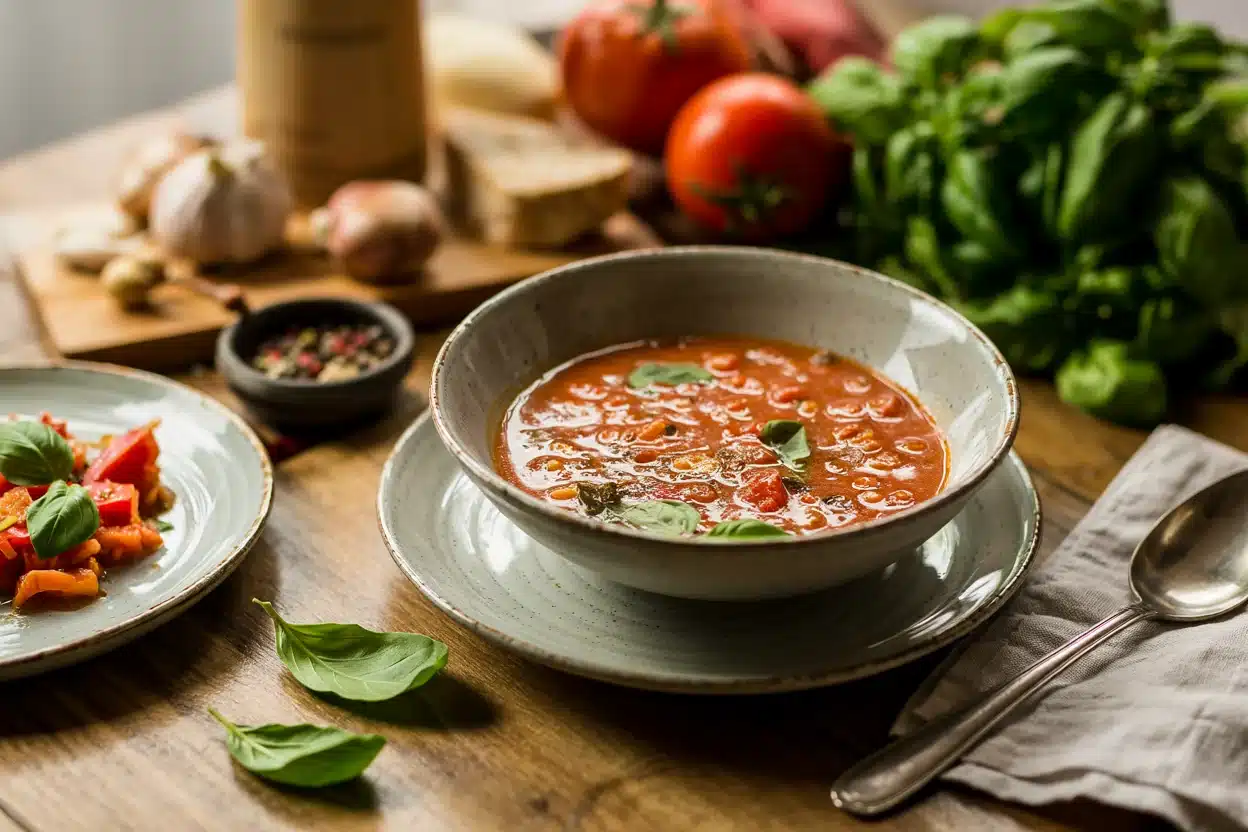
11. Simple Tomato Basil Soup Shooters

Warm, tangy soup provides bright acidity that cuts through the richness of pimento cheese. Serving in small cups makes it easy to sip between bites of dip.

Quick tips:

  • Serve in shot glasses - Easy to hold without spilling, feels elegant for hosting.
  • Garnish with basil - Adds fresh herby flavor that goes with the tomato.

The soup works well when you want something warm that feels comforting next to cold dip and crackers.

Watch Out
Do not overfill the cups-leave space at the top to avoid spills when guests pick them up.

12. Crudité Vegetable Platter

Fresh, crisp vegetables add colorful crunch that balances the creamy dip. Carrots, celery, bell peppers, and radishes provide variety without heavy starches.

Slice vegetables into sticks for easy dipping and arrange them around the pimento cheese. For this fresh side dish recipe, the raw crunch works well when you need something light that feels healthy alongside rich dip.

Raw Vegetables

Works for: Maximum crunch, fresh flavor, no cooking

Skip if: You want something warm or roasted

Blanched Vegetables

Works for: Bright color, tender-crisp texture, easier to chew

Skip if: You want simplicity without extra steps

13. Honey-Mustard Glazed Chicken Wings

Sweet-spicy wings add hearty protein that turns the dip into a full meal. The sticky glaze provides contrast to the tangy cheese without competing for attention.

Bake wings at 425°F until crispy, then toss in honey-mustard glaze while still hot. For savory chicken wings we love, the combination works well when you need finger food that feels substantial.

Quick Tip
Pat wings dry before baking to get crispy skin-moisture steams the wings instead of roasting them.

14. Zesty Lemon Herb Grilled Shrimp

Bright, citrusy shrimp provide light protein that does not feel heavy next to the creamy dip. The lemon and herbs add freshness that balances richness.

The details:

  • Marinate 15 minutes - Lets the lemon and garlic flavor soak into the shrimp without making them mushy.
  • Grill on high heat - Creates charred edges while keeping the inside tender.

Try a golden side to try when you want something quick that feels elegant without complicated prep.

MethodTimeBest For
Grill6 minSmoky char, outdoor cooking
Sauté5 minQuick weeknight prep
Roast10 minHands-off cooking, even heat

15. Spicy Mustard Dip

Sharp, tangy mustard dip provides heat that contrasts with creamy cheese. The Dijon adds peppery bite while honey balances the acidity.

Keep in mind:

  • Start with less horseradish - Too much overpowers the mustard flavor.
  • Mix with honey - Softens the sharp heat into sweet-tangy balance.
  • Chill before serving - Cold dip feels more refreshing next to rich pimento cheese.

For tangy mustard dip on the side, the sharp flavor works well when you need something that cuts through richness without heavy ingredients.

Our Pick
Use whole grain mustard for texture-the seeds add visual interest and slightly nutty flavor.

We also like hearty soup dinner options when you want something warm that feels complete, or satisfying beef meals we love when protein takes center stage. For lighter fare, easy weeknight chicken meals work well when you need something quick that pairs with simple sides.

These sides balance the creamy richness of pimento cheese dip with crunch, acidity, and protein variety. Whether you need quick crackers for weeknight snacking or grilled proteins for hosting, the right side turns a simple dip into a spread that feels complete.

Frequently Asked Questions

What sides go best with pimento cheese dip?

Crackers, toast points, and vegetable sticks provide crunch, while pickles and slaw add acidity that cuts through the creamy richness.

What vegetables go with pimento cheese dip?

Cucumber rounds, celery sticks, bell pepper strips, and radishes offer crisp freshness without competing with the tangy cheese flavor.

Can I prep sides for pimento cheese dip ahead of time?

Slice vegetables, make slaw, and cook bacon bites up to 24 hours ahead, then store in airtight containers in the refrigerator until serving.

What to serve with pimento cheese dip for a party?

Offer crackers, toast points, a vegetable platter, bacon bites, and grilled shrimp so guests can choose between light bites and hearty options.

How many sides should I serve with pimento cheese dip?

Three to five sides work well-include one starch, one vegetable, and one protein to give guests variety without overwhelming the spread.

Sides That Pair With Pimento Cheese Dip

15 Quick Sides That Pair With Pimento Cheese Dip

No ratings yet
We provide a list of 15 sides that pair with pimento cheese dip, offering a range of textures from crunchy crackers and crisp vegetables to warm proteins and creamy sauces. These options suit various occasions, from quick snacks to full hosting spreads, with different prep times and temperature contrasts.
Print Recipe Pin Recipe
Prep Time 15 minutes mins
Cook Time 10 minutes mins
Total Time 25 minutes mins
Servings: 4 servings
Course: Dinner, Side Dish
Cuisine: Southern
Ingredients Equipment Method Notes

Ingredients
  

  • Crispy Buttered Ritz Crackers crunchy
  • Spicy Dill Pickle Spears tangy
  • Smoky Applewood Bacon Bites smoky
  • Grilled Jalapeño Poppers spicy
  • Cool Cucumber Rounds bright
  • Pressed Panini Sliders rich
  • Garlic Toast Points crunchy
  • Tangy Apple Cider Slaw crunchy
  • Roasted Garlic Mashed Potatoes creamy
  • Charcuterie Meat and Cheese Board savory
  • Simple Tomato Basil Soup Shooters bright
  • Crudité Vegetable Platter crunchy
  • Honey-Mustard Glazed Chicken Wings hearty
  • Zesty Lemon Herb Grilled Shrimp bright
  • Spicy Mustard Dip tangy

Equipment

  • Cutting board
  • Serving platter
  • Mixing bowl
  • Skillet

Method
 

  1. Assess what the main dish already provides-if it has starch, focus on vegetables and fresh sides.
  2. Choose 2-3 sides that fill different gaps: one vegetable, one starch or bread, one sauce or dip.
  3. Start the longest-cooking side first. Prep quick items like salads while the oven works.
  4. Balance temperatures-pair hot roasted vegetables with a cold slaw or chilled dip.
  5. Plate the main dish with sides arranged around it. Drizzle sauce or add garnish last.

Notes

Add a crunchy salad or vegetable platter and keep it chilled before serving. This prevents the spread from feeling too heavy or greasy when paired with rich pimento cheese dip.

Tried this recipe?

Let us know how it was!

Serving Spanish Rice for Dinner? 15 Best Sides

January 29, 2026

Spanish rice brings fluffy grains soaked in tomato, garlic, and spices. That combination covers your starch and aromatics-but leaves gaps.

what-to-serve-with-spanish-rice
p>You need protein to anchor the plate, fresh vegetables for contrast, and something crisp to break up all that softness. Grilled chicken adds smoky char, tangy slaw cuts through richness, and roasted peppers bring sweet depth.

We focus on sides that either complement those warm spices or provide clean, bright contrast.

QUICK SUMMARY

Spanish rice delivers earthy tomato and garlicky spice but needs protein and fresh elements to complete the plate. Grilled chicken or citrus shrimp add smoky protein, jicama slaw brings crisp acidity, and black bean salad adds hearty texture. Starches like rice need brightness. Vegetables balance the warmth.

🍗Add protein: Grilled chicken, citrus shrimp, or black bean salad
🥗Bring contrast: Jicama slaw, cucumber salad, or roasted peppers
⏱️Quick pick: Avocado salsa-ready in 10 minutes

What to Serve With Spanish Rice: 15 Sides That Balance the Plate

We grouped these by what they bring to the table-protein, crunch, freshness, or richness.

#Side DishBest ForPrep
1Lemon Herb Grilled Chicken✨ Any✅ Easy
2Roasted Poblano Pepper Medley🎉 Hosting⚡ Medium
3Crisp Jicama Lime Slaw🌙 Weeknight✅ Easy
4Charred Corn with Cotija Cheese✨ Any✅ Easy
5Black Bean and Corn Salad🌙 Weeknight✅ Easy
6Garlic Butter Warm Tortillas✨ Any✅ Easy
7Fresh Avocado and Tomato Salsa🌙 Weeknight✅ Easy
8Sautéed Garlic Green Beans✨ Any✅ Easy
9Chipotle Lime Roasted Sweet Potatoes🎉 Hosting⚡ Medium
10Cilantro Lime Yogurt Sauce🌙 Weeknight✅ Easy
11Grilled Citrus Shrimp Skewers🎉 Hosting✅ Easy
12Tomato and Cucumber Salad with Oregano🌙 Weeknight✅ Easy
13Chipotle Black Bean Dip🎉 Hosting✅ Easy
14Spiced Roasted Cauliflower Florets✨ Any⚡ Medium
15Toasted Garlic Breadsticks✨ Any✅ Easy

1. Lemon Herb Grilled Chicken

Smoky protein with bright citrus notes balances the earthy tomato in Spanish rice. The char from grilling adds depth without competing with the spiced rice.

Marinate chicken in lemon juice, garlic, and olive oil for 30 minutes before grilling. The acid tenderizes while the herbs add freshness.

Quick Tip
Rest grilled chicken for 5 minutes before slicing to keep juices inside.

2. Roasted Poblano Pepper Medley

Smoky depth from roasted poblanos goes with the garlicky warmth already present in Spanish rice. The peppers add sweetness without heaviness.

A few notes:

  • Roast at 425°F - High heat chars the skins in 25 minutes.
  • Use olive oil and garlic - Keeps flavors aligned with the rice.
  • Cool before peeling - Peppers peel easier once they rest.

When you want our favorite pepper medley side, this brings color and a slight kick to the table.

If You WantTry This
Mild sweetnessUse bell peppers only
More heatAdd jalapeños to the mix
Faster prepBuy pre-roasted peppers

3. Crisp Jicama Lime Slaw

Crunchy texture and tangy lime dressing cut through the richness of tomato-based rice. Jicama stays crisp even when dressed ahead.

Quick tips:

  • Slice jicama thin - Use a mandoline for uniform pieces.
  • Add cilantro and lime - Bright herbs echo the rice's aromatics.
  • Dress 30 minutes early - Flavors meld without losing crunch.
  • Keep it cold - Chill the bowl before serving for maximum freshness.

If you love a fresh lime slaw side dish, this works for weeknight dinners or summer cookouts.

Our Pick
Jicama holds texture better than cabbage and adds subtle sweetness.

4. Charred Corn with Cotija Cheese

Sweetness from corn balances the savory spices in Spanish rice. Cotija adds salty richness without overpowering the plate.

The details:

  • Grill until blackened - Char brings smoky depth.
  • Crumble cotija fresh - Pre-crumbled cheese dries out faster.
  • Add lime and chili powder - Ties the flavors to Mexican cuisine.
  • Serve warm or room temp - Both work equally well.

Try something roasted on the side when you need a vegetable that feels substantial.

Grilled Corn

Works for: Outdoor cookouts, smoky flavor seekers

Skip if: You need a quick stovetop option

Roasted Corn

Works for: Indoor cooking, easier cleanup

Skip if: You want maximum char

5. Black Bean and Corn Salad

Earthy beans and sweet corn add hearty texture and protein to balance the starchy rice. Fresh cilantro and lime keep it bright.

Keep in mind:

  • Rinse canned beans - Removes excess sodium and starch.
  • Use fresh lime juice - Bottled juice tastes flat.

Serve chilled or at room temperature-both work for potlucks and weeknight dinners. This tangy side dish recipe comes together in 20 minutes.

Shortcut
Use frozen corn-no need to thaw before mixing with beans.

6. Garlic Butter Warm Tortillas

Soft texture and garlicky richness contrast the fluffy rice without adding crunch. Warm tortillas soak up any extra sauce or salsa.

What to know:

  • Wrap in foil - Heat tortillas in a 350°F oven for 10 minutes.
  • Brush with garlic butter - Adds flavor and prevents drying.

Try a soft butter tortillas side dish when you want something simple that rounds out the meal.

MethodTimeBest For
Oven in foil10 minutesKeeps tortillas warm longer
Skillet2 minutesQuick individual servings
Microwave30 secondsSpeed over texture

7. Fresh Avocado and Tomato Salsa

Creamy avocado and zesty tomatoes brighten the plate with fresh acidity. The salsa adds coolness without competing for attention.

Use ripe avocado-it should yield slightly when pressed. Dice tomatoes small so every bite includes both elements.

For something roasted on the side, this no-cook option delivers bright color and clean flavors in minutes.

Watch Out
Avocado browns quickly-make salsa no more than 30 minutes ahead.

8. Sautéed Garlic Green Beans

Tender-crisp beans deliver mild garlic flavor without heaviness. The green vegetable adds visual contrast to the tomato-colored rice.

Quick tips:

  • Cook over medium-high heat - Beans stay snappy instead of mushy.
  • Use fresh garlic - Jarred garlic tastes flat in simple preparations.

Try a fresh side to try when you need vegetables that cook in 15 minutes and pair with anything.

If You WantTry This
More richnessAdd butter at the end
Extra crunchToss with toasted almonds
Brighter flavorSqueeze lemon juice before serving

9. Chipotle Lime Roasted Sweet Potatoes

Sweet heat from chipotle balances the savory spices in Spanish rice. Roasted sweet potatoes add caramelized edges and creamy centers.

Toss cubed potatoes with olive oil, chipotle powder, and lime zest. Roast at 425°F for 35 minutes until tender and golden.

This is a roasted side to try when you want vegetables that feel substantial and bring contrasting sweetness.

Golden Rule
Do not crowd the sheet pan-overcrowding steams instead of roasts.

10. Cilantro Lime Yogurt Sauce

Creamy, tangy sauce cools the palate between bites and adds richness without heaviness. The yogurt base feels lighter than sour cream.

Chill the sauce for 30 minutes before serving to let cilantro and lime flavors meld. Greek yogurt holds its thickness better than regular yogurt.

Use this easy yogurt sauce recipe when you need something cold that works as a drizzle or dip.

Quick Tip
Start with less lime-you can always add more, but you cannot remove it.

11. Grilled Citrus Shrimp Skewers

Bright, smoky protein adds fresh seafood element to the meal. Orange and lime marinade echoes the citrus notes that work well with Spanish rice.

The details:

  • Marinate for 20 minutes - Longer turns shrimp mushy.
  • Thread tightly on skewers - Prevents spinning during flipping.

Try an easy shrimp skewers to try when you want protein that grills in under 10 minutes.

Grilled Shrimp

Works for: Outdoor cookouts, smoky char lovers

Skip if: You need a stovetop option

Pan-Seared Shrimp

Works for: Indoor cooking, faster prep

Skip if: You want maximum smoke

12. Tomato and Cucumber Salad with Oregano

Light, crisp vegetables add fresh acidity that cuts through richness. Oregano ties the flavors to Mediterranean influences without clashing with Spanish rice.

Dress just before serving to prevent sogginess. The salad stays crisp when you keep the dressing separate until the last minute.

This cool side dish recipe works for weeknight dinners or potlucks where you need something that travels well.

Shortcut
Use cherry tomatoes-no chopping required, just halve them.

13. Chipotle Black Bean Dip

Rich, smoky dip adds protein and depth without competing with the rice. The creamy texture contrasts the fluffy grains.

Quick tips:

  • Blend beans with chipotle peppers - Pulse until smooth but not watery.
  • Add lime juice - Brightens the smoky flavors.
  • Top with cilantro - Fresh herbs add color and aroma.
  • Serve with tortilla chips - Adds crunch to the meal.

If you need something creamy on the side, this works as a dip or spread for warm tortillas.

MethodTimeBest For
Food processor5 minutesSmooth, creamy texture
Fork mashing10 minutesChunkier, rustic feel
Blender3 minutesUltra-smooth consistency

14. Spiced Roasted Cauliflower Florets

Tender, aromatic florets add earthy warmth that goes with the tomato and spices in Spanish rice. Smoked paprika and cumin echo the rice's flavor.

A few notes:

  • Toss with olive oil - Prevents drying during roasting.
  • Use smoked paprika - Adds depth without adding heat.
  • Roast at 425°F - High heat creates golden edges.
  • Flip halfway through - Ensures even browning.

Try a crisp cauliflower florets side dish when you want vegetables that feel substantial and flavorful.

Our Pick
Roasted cauliflower absorbs spices better than steamed or boiled.

15. Toasted Garlic Breadsticks

Crunchy garlic bread complements rice texture and soaks up any extra sauce or salsa on the plate. The toasted edges add satisfying crunch.

Brush breadsticks with garlic butter and toast at 375°F until golden. The bread crisps in about 15 minutes.

For this crusty side dish recipe, serve warm so the butter stays fragrant and the bread holds its crunch.

Quick Tip
Use day-old bread-it toasts better than fresh without burning.

These sides balance Spanish rice by adding protein, freshness, or crunch the starchy base needs.

Frequently Asked Questions

What sides go best with Spanish rice?

Grilled chicken, black bean salad, and jicama slaw work best because they add protein, texture, and fresh acidity to balance the starchy rice.

What vegetables go with Spanish rice?

Roasted poblano peppers, charred corn, sautéed green beans, and roasted cauliflower all pair well by adding smoky depth or fresh crunch.

Can I prep sides for Spanish rice ahead of time?

Yes-marinate chicken, make bean salad, roast vegetables, and prepare yogurt sauce up to one day ahead for easier meal prep.

How many sides should I serve with Spanish rice?

Serve one protein and one vegetable or salad for weeknight dinners, or add a third side like warm tortillas or breadsticks for hosting.

What protein pairs with Spanish rice for a complete meal?

Grilled chicken, citrus shrimp, or black bean dip provide protein that goes with the rice without overpowering the tomato and garlic flavors.

Serving Spanish Rice for Dinner? 15 Best Sides

Serving Spanish Rice for Dinner? 15 Best Sides

No ratings yet
We provide a list of 15 sides that balance Spanish rice by adding protein, freshness, or crunch. These options offer a variety of textures, temperatures, and prep efforts, helping create a well-rounded meal around the earthy tomato and spice flavors.
Print Recipe Pin Recipe
Prep Time 15 minutes mins
Cook Time 10 minutes mins
Total Time 25 minutes mins
Servings: 4 servings
Course: Dinner, Side Dish
Cuisine: Spanish
Ingredients Equipment Method Notes

Ingredients
  

  • Lemon Herb Grilled Chicken smoky
  • Roasted Poblano Pepper Medley smoky
  • Crisp Jicama Lime Slaw crunchy
  • Charred Corn with Cotija Cheese bright
  • Black Bean and Corn Salad hearty
  • Garlic Butter Warm Tortillas rich
  • Fresh Avocado and Tomato Salsa bright
  • Sautéed Garlic Green Beans tender-crisp
  • Chipotle Lime Roasted Sweet Potatoes sweet-spicy
  • Cilantro Lime Yogurt Sauce creamy
  • Grilled Citrus Shrimp Skewers smoky
  • Tomato and Cucumber Salad with Oregano fresh
  • Chipotle Black Bean Dip creamy
  • Spiced Roasted Cauliflower Florets earthy
  • Toasted Garlic Breadsticks crunchy

Equipment

  • Sheet pan for roasting vegetables
  • Mixing bowl for salads and dips
  • Cutting board for prep
  • Serving platter for plating

Method
 

  1. Assess what the main dish already provides-if it has starch, focus on vegetables and fresh sides.
  2. Choose 2-3 sides that fill different gaps: one vegetable, one starch or bread, one sauce or dip.
  3. Start the longest-cooking side first. Prep quick items like salads while the oven works.
  4. Balance temperatures-pair hot roasted vegetables with a cold slaw or chilled dip.
  5. Plate the main dish with sides arranged around it. Drizzle sauce or add garnish last.

Notes

Add a fresh salad or vegetable side and keep it chilled until serving. This prevents the plate from feeling too heavy and keeps flavors balanced with the warm Spanish rice.

Tried this recipe?

Let us know how it was!

You Might Also Like

  • 15 Best Sides to Serve with Salt Potatoes for Summer Meals
  • 15 Best Sides for Grilled Cauliflower Steaks to Complete the Meal
  • 15 Sides to Serve With White Rice

7 Best Substitutes for Maple Syrup in Baking & Dressings

January 29, 2026

You're drizzling the last drops from the maple syrup bottle onto your pancakes when you realize it's empty. The recipe counts on maple syrup's balanced sweetness and caramel notes to tie everything together.

7 Best Substitutes for Maple Syrup in Baking & Dressings

Maple syrup brings more than sugar-it adds moisture, depth, and that signature earthy-sweet flavor. Standard white sugar won't replicate that profile.

Most kitchens hold at least one liquid sweetener that can step in with small adjustments.

QUICK SUMMARY

Honey and agave nectar replace maple syrup 1:1 in most recipes. Honey adds floral notes, agave stays neutral. For DIY swaps, dissolve 1 part brown sugar in 1 part water to mimic the caramel depth-works great in baking and glazing. Date syrup brings similar richness but with fruity undertones.

🏆Closest match: Honey for sweetness and moisture, works 1:1
⚡Fastest DIY: Brown sugar syrup ready in 5 minutes
⚠️Watch out: Molasses needs diluting-too intense on its own

7 Alternatives to Replace Maple Syrup

Maple syrup's caramel notes and liquid texture don't translate directly to granulated sugar. The swaps below cover baking, drizzling, and cooking applications.

Quick Substitute Reference
# Substitute Best For Ratio Key Note
1 Honey ✨ Both 1:1 More floral, slightly thicker
2 Agave Nectar ✨ Both 1:1 Clean, neutral sweetness
3 Brown Sugar Syrup 🍳 Cooking 1:1 DIY caramel depth
4 Date Syrup 🥗 Raw 1:1 Fruity, thicker texture
5 Molasses 🥧 Baking ¾ cup + ¼ water Strong, bittersweet flavor
6 Simple Syrup 🍳 Cooking 1:1 No caramel notes
7 Golden Syrup ✨ Both 1:1 Buttery, light caramel

1. Honey 🍯

Honey shares maple syrup's liquid sweetness and sticky texture. Use it 1:1 in pancakes, waffles, baked goods, and dressings.

The floral notes stand out more than maple's earthiness. Honey works best in recipes where that sweetness won't clash-oatmeal, yogurt bowls, marinades.

It caramelizes similarly to maple syrup in glazes and roasted vegetables. If you want crispier edges, honey delivers.

  • ✅ Matches moisture and sweetness level
  • ✅ Caramelizes well in cooking
  • ✅ Works raw or heated
  • ⚠️ Not vegan-skip if that matters

Honey's thickness can make it harder to drizzle straight from the fridge. Warming it for 10 seconds loosens the texture.

2. Agave Nectar 🌵

Agave nectar replaces maple syrup 1:1 without changing moisture or sweetness levels. The flavor stays neutral-no floral or earthy notes.

Use it in vinaigrettes, smoothies, and baked goods where you want sweetness without added flavor. Agave dissolves faster than honey in cold liquids.

It browns slightly less than maple syrup in high heat. For glazes on salmon or chicken, expect lighter caramelization but the same sticky coating.

  • 🥗 Raw applications: Dissolves instantly in dressings and drinks
  • 🍰 In baking: Works in muffins, cakes, and quick breads
  • ⚠️ Lower viscosity: Thinner than maple syrup-adjusts faster

3. Brown Sugar Syrup 🍬

Dissolve 1 part brown sugar in 1 part water over low heat to create a syrup that mimics maple's caramel depth. Use it 1:1 in recipes.

The molasses in brown sugar adds richness-closer to maple syrup than white sugar syrup. Works great in barbecue sauces, baked beans, and glazes.

Let the mixture cool before using it raw. Hot syrup won't blend properly into cold ingredients.

  • ✅ DIY option using pantry staples
  • ✅ Caramel notes match maple's profile
  • ⚠️ Grainy if sugar doesn't dissolve fully
  • ⚠️ Loses some flavor complexity
Quick Tip
Stir until fully dissolved, then simmer 2 minutes to thicken slightly-closer texture match.

For a darker flavor, use dark brown sugar. Light brown sugar keeps it closer to maple syrup's mild sweetness.

4. Date Syrup 🌴

Date syrup brings caramel richness with fruity undertones. Use it 1:1 in recipes where the extra depth won't clash.

The texture runs thicker than maple syrup-great for drizzling over yogurt, oatmeal, or ice cream. It holds up better on top of foods without running thin.

In baking, what to use for Date Syrup depends on whether you need neutral sweetness or complex flavor. Date syrup adds both.

  • 🥗 Raw drizzling: Thick consistency stays in place
  • ⚠️ Fruity notes: Distinct flavor-not always neutral

Skip it in delicate baked goods like angel food cake. The dark color and strong flavor overpower lighter recipes.

5. Molasses 🥃

Molasses delivers intense caramel flavor but needs diluting. Mix ¾ cup molasses with ¼ cup water to replace 1 cup of maple syrup.

The bittersweet, smoky notes work in gingerbread, baked beans, and barbecue sauces. Avoid it in pancakes or waffles-too strong for breakfast.

Molasses thickens as it cools. Warm it slightly if you need to pour or drizzle it.

Light molasses runs milder than blackstrap-pick based on how bold you want the flavor.

If your pantry's low, swaps when Molasses runs out can guide you to other caramel-rich options.

6. Simple Syrup 💧

Simple syrup adds sweetness and moisture but no flavor complexity. Use 1 cup sugar dissolved in 1 cup water to replace 1 cup of maple syrup.

It works in beverages, cocktails, and light dressings where you don't need caramel notes. The neutral profile won't interfere with other ingredients.

In baking, simple syrup keeps cakes moist but won't replicate maple syrup's depth. Add a drop of vanilla or a pinch of cinnamon to build more flavor.

  • ✅ Neutral sweetness matches any recipe
  • ✅ Easy to make in 5 minutes
  • ⚠️ No caramel or earthy notes

7. Golden Syrup 🍯

Golden syrup brings buttery sweetness with light caramel notes. Use it 1:1 in baking and glazing.

The texture runs slightly thicker than maple syrup. It holds up better in high-heat recipes-caramelizes without burning as fast.

Golden syrup shines in British-style baked goods like flapjacks and treacle tarts. In pancakes or oatmeal, it works but tastes less earthy than maple syrup.

  • ✅ Similar caramel depth
  • ✅ Great for baking and glazing
  • ⚠️ Buttery notes differ from maple's earthiness
Watch Out
Golden syrup's thicker texture means it won't drizzle as easily-warm it first for better flow.

Match Your Pantry to Maple Syrup

Got honey? Use it 1:1-it's the closest match for both flavor and moisture.

Need vegan? Agave nectar or date syrup work in most recipes without animal products.

Only dry sugar? Dissolve brown sugar in water-mimics maple's caramel notes in 5 minutes.

  • For breakfast foods: Honey or agave nectar stay mild
  • For baking: Brown sugar syrup or golden syrup add depth
  • For glazes: Honey, molasses, or date syrup caramelize well

Frequently Asked Questions

Can I use regular sugar instead of maple syrup?

Granulated sugar won't replicate maple syrup's moisture or caramel flavor. Dissolve 1 cup sugar in ½ cup water to create a syrup that works 1:1. Brown sugar adds more depth than white sugar.

Does honey taste the same as maple syrup?

Honey brings floral sweetness instead of maple's earthy notes. The texture and moisture level match, so it works 1:1 in most recipes. Expect a slightly different flavor but similar function.

What's the best vegan substitute for maple syrup?

Agave nectar works 1:1 with neutral sweetness. Date syrup adds caramel depth with fruity notes. Both replicate maple syrup's moisture and sweetness without animal products.

Can I substitute maple syrup in baking recipes?

Honey, agave nectar, or brown sugar syrup work 1:1 in most baked goods. They provide the same moisture and sweetness. Golden syrup adds similar caramel notes and holds up well in high heat.

Why does my substitute make the recipe too sweet?

Honey and agave nectar run sweeter than maple syrup by volume. Start with ¾ the amount and adjust to taste. Molasses needs diluting-use ¾ cup molasses plus ¼ cup water per cup of maple syrup.

Substitutes for Maple Syrup in Baking & Dressings

7 Best Substitutes for Maple Syrup

No ratings yet
Maple syrup substitutes vary by flavor and use, offering options from floral honey to neutral agave nectar. These alternatives preserve moisture and sweetness while providing different flavor depths for baking, cooking, or drizzling.
Print Recipe Pin Recipe
Prep Time 10 minutes mins
Cook Time 8 minutes mins
Total Time 18 minutes mins
Servings: 4 servings
Course: Kitchen Tips, Substitutes
Cuisine: Various
Ingredients Method Notes

Ingredients
  

  • 1 cup Honey Use 1:1 ratio; more floral, slightly thicker
  • 1 cup Agave Nectar Use 1:1 ratio; clean, neutral sweetness
  • Brown Sugar Syrup Dissolve 1 part brown sugar in 1 part water; use 1:1 ratio
  • 1 cup Date Syrup Use 1:1 ratio; fruity, thicker texture
  • ¾ cup molasses + ¼ cup water Molasses Dilute molasses with water to replicate sweetness
  • Simple Syrup Dissolve 1 cup sugar in 1 cup water; use 1:1 ratio
  • 1 cup Golden Syrup Use 1:1 ratio; buttery, light caramel

Method
 

  1. Select the substitute based on recipe type and flavor preference.
  2. Prepare syrup substitutes if needed by dissolving sugars in water or warming.
  3. Use the substitute at the indicated ratio, typically 1:1 for maple syrup.
  4. Adjust texture by warming thicker syrups and taste for sweetness balance.
  5. Check final dish consistency and flavor; tweak amount if necessary, especially for sweeter substitutes.

Notes

  • Honey is not vegan but closely matches maple syrup's moisture and sweetness.
  • Brown sugar syrup offers caramel depth but requires full dissolving to avoid graininess.
  • Molasses is strong and needs proper dilution to avoid overpowering flavors.

Tried this recipe?

Let us know how it was!

7 Best Substitutes for Light Corn Syrup for Baking

January 29, 2026

You're measuring ingredients for pecan pie when the recipe calls for light corn syrup and the pantry shelf comes up empty.

7 Best Substitutes for Light Corn Syrup for Baking

That clear, thick sweetener does more than add sugar-it prevents crystallization in candy, adds moisture to baked goods, and creates smooth texture in glazes.

Light corn syrup contains glucose that keeps sugar from forming crystals. Regular granulated sugar can't replicate that anti-crystallizing property without help.

QUICK SUMMARY

Golden syrup or white corn syrup work 1:1 in most recipes. DIY simple syrup with cream of tartar (1 cup sugar + ½ cup water + ¼ teaspoon cream of tartar, simmered) mimics the anti-crystallizing effect. Honey needs reducing to ¾ cup per 1 cup corn syrup and adds floral notes that change flavors.

🏆Closest match: Golden syrup works 1:1 in baking and glazes
⚡Fastest swap: White corn syrup drops in with zero adjustments
⚠️Watch out: Honey and maple change flavor-skip for clear candy

7 Alternatives to Replace Light Corn Syrup

Light corn syrup's glucose structure prevents sugar recrystallization-standard sweeteners can't match that alone. The swaps below cover direct matches, DIY blends, and pantry alternatives for different applications.

Quick Substitute Reference
# Substitute Best For Ratio Key Note
1 White Corn Syrup ✨ Both 1:1 Nearly identical properties
2 Golden Syrup 🍳 Cooking 1:1 Adds caramel note
3 Simple Syrup + Cream of Tartar ✨ Both 1:1 Thinner texture
4 Honey 🥧 Baking ¾ cup Floral flavor changes dish
5 Agave Nectar 🥗 Raw 1:1 Less sticky
6 Maple Syrup 🥧 Baking 1:1 Strong woody taste
7 Brown Rice Syrup 🌱 Vegan 1:1 Less sweet, nuttier

1. White Corn Syrup 🌽

White corn syrup is chemically almost identical to light corn syrup-both contain glucose that prevents sugar crystallization and adds moisture. The color runs slightly clearer and the flavor a touch more neutral.

Use 1:1 in any recipe calling for light corn syrup. It drops into candy making, pecan pie, frosting, and glazes without adjustments.

  • ✅ Matches texture and anti-crystallizing properties
  • ✅ Works in high-heat candy recipes
  • ✅ Same moisture retention in baked goods
  • ⚠️ Won't help if you're avoiding corn products

White corn syrup appears in most grocery stores next to light corn syrup. For those avoiding corn entirely, the Corn Syrup swaps by recipe type cover other grain-based options.

2. Golden Syrup 🍯

Golden syrup comes from cane sugar and contains invert sugars that prevent crystallization like corn syrup does. It adds a buttery, caramel undertone and darker amber color.

Use 1:1 in baking and glazes. Works great in gingerbread, sticky toffee pudding, and caramel sauces.

The richer flavor enhances spice cakes and brown butter desserts. Skip it in clear candy or recipes needing neutral sweetness-the caramel note stands out.

3. Simple Syrup + Cream of Tartar 🧪

Combining simple syrup with cream of tartar creates an anti-crystallizing effect similar to corn syrup. The acid in cream of tartar inverts some sugar molecules during heating.

Make it: Simmer 1 cup sugar + ½ cup water + ¼ teaspoon cream of tartar until syrupy (about 5 minutes). Use 1:1 for light corn syrup.

The texture runs thinner than commercial corn syrup. It works in cookies, brownies, and sauces but produces less gloss in glazes and candies.

4. Honey 🐝

Honey brings natural viscosity and adds moisture to baked goods like corn syrup does. The floral, slightly tangy flavor changes the final taste profile.

Use ¾ cup honey per 1 cup light corn syrup-honey's higher sweetness means you need less.

  • 🥧 In baking: Works in cookies, cakes, and granola bars
  • ⚠️ Skip for candy: Won't prevent crystallization in hard candy or caramel

Honey darkens during baking and adds moisture that can make textures slightly denser. Clover or wildflower varieties have milder flavor than buckwheat or manuka.

5. Agave Nectar 🌵

Light agave nectar contains high fructose that creates syrupy texture and adds sweetness without corn. The flavor runs milder and more neutral than honey.

Use 1:1 in salad dressings, marinades, and raw applications. Works in no-bake energy bars and refrigerator desserts.

  • 🥗 Raw uses: Dissolves easily in cold liquids
  • ⚠️ Candy making: Doesn't prevent crystallization like corn syrup

The texture's less sticky than corn syrup-fine for drizzling and mixing but not ideal for chewy candies. If you're out of agave entirely, swaps when Agave Nectar runs out cover honey and date syrup alternatives.

6. Maple Syrup 🍁

Maple syrup brings viscosity and adds moisture but the distinct woody, caramel flavor takes center stage. It's thinner than corn syrup and darker in color.

Use 1:1 in cookies, quick breads, and oatmeal. Works as a finishing drizzle on pancakes, waffles, and roasted vegetables.

  • 🥧 In baking: Enhances spice cakes and pecan bars
  • 🍳 For glazing: Adds complexity to roasted meats
  • ⚠️ Skip if: Recipe needs clear color or neutral taste

The maple flavor pairs well with cinnamon, ginger, and nuts but clashes with delicate vanilla or citrus profiles. Grade A amber has milder taste than Grade B dark.

Watch Out
Maple syrup won't stop sugar crystallization in candy-stick to recipes where flavor matters more than texture control.

Need other maple options? The tested Maple Syrup replacements list covers molasses and golden syrup blends.

7. Brown Rice Syrup 🌾

Brown rice syrup contains maltose sugars that prevent crystallization and add moisture like corn syrup. It's less sweet with a subtle nutty undertone and slightly grainy texture.

Use 1:1 in granola bars, energy bites, and vegan baking. Works in recipes where chewy texture matters more than high sweetness.

The lower sweetness level means you might need to boost sugar elsewhere in the recipe. It shines in whole grain baked goods and nut-based treats where the nutty note blends naturally.

Brown rice syrup works for those avoiding corn or looking for less-processed sweeteners. More texture-focused recipes appear in Brown Rice Syrup swaps for recipes.

Match Your Pantry to Light Corn Syrup Needs

Making candy or caramel? White corn syrup or golden syrup work 1:1-both prevent crystallization.

Baking cookies or cakes? Honey at ¾ cup or the DIY simple syrup with cream of tartar handle moisture and texture.

Need vegan or less processed? Brown rice syrup or agave nectar work in most recipes except precision candy making.

Frequently Asked Questions

Can I use dark corn syrup instead of light corn syrup?

Dark corn syrup works 1:1 but adds molasses flavor and darker color. Use it in gingerbread, pecan pie, or recipes where caramel notes fit. Skip it in delicate vanilla cakes or clear candies where the color and taste will stand out too much.

What happens if I skip corn syrup in a recipe?

Skipping it entirely removes the anti-crystallizing agent-sugar may crystallize in candy or fudge, creating grainy texture. Baked goods lose some moisture and chewiness. Replace it with golden syrup or DIY simple syrup with cream of tartar to maintain texture control.

Can I substitute sugar for light corn syrup?

Granulated sugar alone won't work-it lacks the glucose that prevents crystallization and doesn't add moisture the same way. Mix 1¼ cups sugar with ⅓ cup water and simmer until dissolved, then add ¼ teaspoon cream of tartar. This creates a closer match for baking but still won't handle precision candy work.

Is light corn syrup the same as simple syrup?

No-light corn syrup contains glucose that prevents sugar crystallization, while simple syrup is just dissolved sucrose and water. Simple syrup works in cocktails and drizzles but won't stop candy from turning grainy. Add cream of tartar to simple syrup to mimic corn syrup's anti-crystallizing effect.

Which substitute works best for pecan pie?

Golden syrup or white corn syrup work 1:1 and create the same gooey texture. Honey at ¾ cup adds floral notes some prefer. Skip maple syrup unless you want strong woody flavor-it changes the traditional pecan pie taste profile significantly.

Substitutes for Light Corn Syrup for Baking

7 Best Substitutes for Light Corn Syrup

No ratings yet
Light corn syrup's unique glucose content prevents crystallization and adds moisture and smooth texture to recipes. These seven substitutes range from nearly identical commercial syrups to DIY blends and natural alternatives, suitable for baking, candy making, and raw applications.
Print Recipe Pin Recipe
Prep Time 10 minutes mins
Cook Time 6 minutes mins
Total Time 16 minutes mins
Servings: 4 servings
Course: Kitchen Tips, Substitutes
Cuisine: Various
Ingredients Method Notes

Ingredients
  

  • 1 cup White Corn Syrup Use 1:1 ratio, nearly identical properties to light corn syrup.
  • 1 cup Golden Syrup Use 1:1 ratio; adds caramel note and darker amber color; ideal for baking and glazes.
  • Simple Syrup + Cream of Tartar Make by simmering 1 cup sugar, ½ cup water,
  • 0.75 cup Honey Use ¾ cup per 1 cup corn syrup; adds floral flavor that changes the dish
  • 1 cup Agave Nectar Use 1:1 ratio; less sticky and milder flavor; not ideal for candy making.
  • 1 cup Maple Syrup Use 1:1 ratio; adds strong woody flavor and darker color; unsuitable for clear candy.
  • 1 cup Brown Rice Syrup Use 1:1 ratio; less sweet with nutty undertones; good for vegan or less processed recipes.

Method
 

  1. Choose the substitute based on your recipe type (baking, candy, raw, or vegan).
  2. For DIY simple syrup with cream of tartar, simmer ingredients until syrupy before use.
  3. Use the specified ratio for each substitute to replace light corn syrup.
  4. Adjust flavor expectations and texture as some substitutes add distinct notes or are thinner.
  5. Perform a final taste and texture check before completing your recipe.

Notes

  • White and golden syrups are the closest matches for preventing sugar crystallization.
  • Honey and maple syrup change the flavor significantly - avoid for clear candy recipes.
  • Simple syrup with cream of tartar offers a DIY option but results in a thinner texture.

Tried this recipe?

Let us know how it was!

5 Best Substitutes for Collard Green in Savory Dishes

January 29, 2026

You're prepping a pot of greens and the collard bunch looks limp and past its prime. That sturdy, earthy backbone you count on won't show up.

5 Best Substitutes for Collard Green in Savory Dishes

Collards bring a filling texture that holds up through long braises and a mild bitterness that balances rich, fatty flavors. Without them, the dish can turn too soft or too sharp.

A few leafy swaps can step in and deliver similar results.

QUICK SUMMARY

For braised and stewed dishes, we reach for kale or mustard greens first. Both hold their texture through long cooking and bring the earthy bitterness collards provide. Watch the peppery kick with mustard greens-it's sharper than collards' mild tone. In raw salads, baby spinach works but skip it in anything cooked.

🥬Closest match: Kale mimics collards' texture and earthy flavor in braised dishes
🔥Heat check: Mustard greens need long cooking to mellow their sharp bite
⚠️Watch out: Baby spinach wilts fast-skip it in stews or braises
Quick Substitute Reference
# Substitute Best For Ratio Key Note
1 Kale 🍳 Cooking 1:1 Earthy, hearty texture
2 Mustard Greens 🍳 Cooking 1:1 Peppery and sharp
3 Turnip Greens 🍳 Cooking 1:1 Brighter bitterness
4 Swiss Chard 🍳 Cooking 1:1 Softer, milder
5 Baby Spinach 🥗 Raw 1:1 Fresh use only

1. Kale 🥬

Kale steps in when you need a filling green that won't fall apart during long cooking. It brings the same sturdy texture and earthy bitterness collards do.

Use 1:1 by weight or volume. Strip the tough stems before cooking-just like you would with collards.

The bitterness runs slightly stronger, especially in curly kale varieties. Lacinato kale (also called dinosaur kale) comes closer to collards' mild tone and flat leaf structure.

Kale works in braised dishes, stews, and sautés where greens need to hold their shape for 20 minutes or more.

2. Mustard Greens 🌶️

Mustard greens bring the hearty texture collards provide but add a peppery, sharp bite. They hold up through long cooking and work well in Southern-style braises and stews.

Use 1:1 by weight or volume. The flavor sharpens the dish more than collards would.

  • 🍳 In cooking: Add early so the pepper notes mellow out
  • 🥘 For stews: Works best with fatty pork or smoked meat to balance the sharpness
  • ⚠️ Watch the bite: Some bunches run hotter than others

If you're working with mustard greens often, tested Mustard Green replacements can help when they're not available.

3. Turnip Greens 🥕

Turnip greens offer a similar hearty base with a brighter, more pronounced bitterness than collards. They soften slightly faster during cooking but still hold up in soups and braises.

Use 1:1 by weight or volume. Trim the thicker stems before adding to the pot.

  • 🍲 In soups: They break down just enough to blend with the broth
  • 🥘 In braises: Pair with vinegar or hot sauce to balance the bitterness
  • ⚠️ Texture note: Leaves are slightly more tender than collards

For the turnip roots themselves, instead of Turnip try these if you're planning a dish that uses both parts.

4. Swiss Chard 🌿

Swiss chard substitutes when you want a milder green that still provides leafy bulk. The stems are softer and the leaves wilt faster than collards.

Use 1:1 by weight or volume. The stems cook slower than the leaves-chop and add them first if you're sautéing.

Chard's flavor runs sweeter and less bitter. It won't stand up to hours of simmering the way collards do, so add it later in the cooking process.

Works best in quick sautés, soups where greens are added near the end, and dishes where you don't need firm texture. If you're using chard regularly, quick Swiss Chard replacements to try can help when your bunch runs out.

5. Baby Spinach 🌱

Baby spinach works only for fresh, raw applications where you need leafy greens without bitterness. It brings none of the heartiness collards provide in cooked dishes.

Use 1:1 by volume in salads, wraps, or as a fresh topping. Don't cook it in place of collards-it wilts down to almost nothing and turns slimy.

  • 🥗 Raw only: Toss it in salads or use as a sandwich layer
  • ⚠️ Skip in braises: It loses all structure and turns mushy within minutes

For cooked spinach applications, Spinach replacements that work can guide you toward sturdier greens.

Picking Your Collard Green Swap

Match the swap to how you're cooking the greens.

  • For long braises and stews: Kale or mustard greens hold up best
  • For quick sautés: Swiss chard or turnip greens work when you want softer texture
  • For raw use: Baby spinach is your only option-skip the rest

Frequently Asked Questions

Can I use spinach instead of collard greens in cooked dishes?

No. Spinach wilts down to almost nothing and turns mushy within minutes of cooking. It won't provide the hearty texture collards bring to braises and stews. Stick with kale, mustard greens, or turnip greens for cooked applications.

Do I need to adjust cooking time when swapping collards for kale?

Not usually. Kale holds up through long cooking just like collards do. Both need 20-30 minutes of braising to soften properly. Keep the same cooking time your recipe calls for.

Why do mustard greens taste spicier than collard greens?

Mustard greens contain compounds that produce a peppery, sharp bite-similar to mustard seeds. Collards have a milder, earthy bitterness without that heat. Long cooking mellows mustard greens but they'll always taste sharper than collards.

Can I mix different greens together as a collard substitute?

Yes. Mixing kale with Swiss chard or turnip greens balances texture and flavor. Use half kale for heartiness and half of a milder green to soften the bitterness. Cook them together as you would collards.

Are collard green stems edible or should I remove them?

The thick center stems are tough and fibrous. Strip them out before cooking-fold each leaf in half and slice along the stem. The same goes for kale, mustard greens, and other collard substitutes with thick ribs.

Collard Green Substitutes for Braising & Sautéing

5 Best Substitutes for Collard Green

No ratings yet
Collard greens provide a hearty texture and mild bitterness perfect for braised dishes and stews. These 5 substitutes offer similar qualities for cooking or raw use, helping you maintain flavor and texture in your dishes when collards aren't available.
Print Recipe Pin Recipe
Prep Time 12 minutes mins
Cook Time 8 minutes mins
Total Time 20 minutes mins
Servings: 4 servings
Course: Kitchen Tips, Substitutes
Cuisine: Various
Ingredients Method Notes

Ingredients
  

  • 1 cup Kale Use 1:1 ratio by weight or volume. Strip tough stems before cooking.
  • 1 cup Mustard Greens Use 1:1 ratio by weight or volume. Add early to mellow sharp bite.
  • 1 cup Turnip Greens Use 1:1 ratio by weight or volume. Trim thicker stems before cooking.
  • 1 cup Swiss Chard Use 1:1 ratio by weight or volume. Add stems first if sautéing.
  • 1 cup Baby Spinach Use 1:1 ratio by volume. For raw use only, do not cook.

Method
 

  1. Choose the substitute based on your recipe's cooking method, such as kale or mustard greens for long braises, baby spinach for raw dishes.
  2. Prepare by stripping tough stems from kale, mustard greens, and turnip greens; chop Swiss chard stems to add first if sautéing.
  3. Use a 1:1 ratio by weight or volume to replace collards with the chosen green.
  4. If cooking with mustard greens, add them early to reduce sharpness; avoid cooking baby spinach to preserve texture.
  5. Taste and check texture during cooking to ensure the substitute meets desired bitterness and firmness.

Notes

  • Strip tough stems from collard greens and similar substitutes to improve texture.
  • Mustard greens have a sharper, peppery bite and require longer cooking to mellow.
  • Baby spinach should only be used raw as it wilts quickly and becomes slimy when cooked.

Tried this recipe?

Let us know how it was!

7 Best Substitutes for Jam Sugar in Preserves & Baking

January 29, 2026

You're making strawberry preserves when you realize the jam sugar bag is empty. The recipe relies on that specific blend-regular sugar won't gel the same way or prevent crystallization like jam sugar does.

7 Best Substitutes for Jam Sugar in Preserves & Baking

Jam sugar combines fine-grain sugar with pectin and citric acid to help fruit set properly without turning grainy. Standard granulated sugar lacks those gel-forming helpers and crystallizes more easily during cooking.

QUICK SUMMARY

Caster sugar or superfine sugar replace jam sugar 1:1 in most preserves-their fine crystals dissolve quickly and reduce crystallization. Granulated sugar with added pectin (1 tablespoon per cup) works for recipes needing precise gel formation. Liquid sweeteners like honey or maple syrup prevent crystallization but don't support gel setting.

🏆Closest match: Caster sugar matches texture and dissolving speed best
⚡DIY solution: Add 1 tablespoon pectin per cup granulated sugar
⚠️Watch out: Liquid sweeteners won't gel without extra pectin added

7 Substitutes for Jam Sugar: Sweetness and Setting Power

Each swap below handles different aspects-some match the fine texture, others require added pectin for gel formation.

Quick Substitute Reference
# Substitute Best For Ratio Key Note
1 Caster Sugar ✨ Both 1:1 Fine grain dissolves quickly
2 Granulated Sugar + Pectin 🍳 Cooking 1 cup + 1 tbsp Needs pectin added separately
3 Superfine Sugar ✨ Both 1:1 Very fine crystals set well
4 Brown Sugar 🍳 Cooking 1:1 Changes color and flavor
5 Honey 🥗 Raw ¾ cup Won't gel without pectin
6 Maple Syrup 🥗 Raw ¾ cup Distinct woody sweetness
7 Sugar + Corn Syrup 🍳 Cooking ⅞ cup + ⅛ cup Prevents crystallization only

1. Caster Sugar 🥄

Caster sugar steps closest to jam sugar's fine texture. The smaller crystals dissolve faster during cooking and reduce the risk of grainy crystallization that ruins preserves.

Use 1 cup caster sugar per 1 cup jam sugar. It works in any preserve recipe that includes naturally high-pectin fruit like apples or citrus.

  • ✅ Fine grain matches jam sugar's texture
  • ✅ Dissolves quickly in hot liquid
  • ✅ Reduces crystallization naturally
  • ⚠️ Low-pectin fruits may need added pectin

Caster sugar shines in strawberry and raspberry preserves where the fruit's natural pectin handles gel formation. If you're working with low-pectin fruit like peaches or blueberries, quick Caster Sugar replacements to try might need pectin added separately.

2. Granulated Sugar + Pectin 🧪

Granulated sugar with added pectin rebuilds jam sugar's gel-forming power at home. The coarser crystals don't dissolve as smoothly, but the pectin compensates by helping the preserve set properly.

Mix 1 cup granulated sugar with 1 tablespoon powdered pectin per 1 cup jam sugar. Add pectin at the start of cooking so it dissolves evenly.

  • 🍳 In preserves: Works for any jam or jelly recipe
  • ⚠️ Texture: Slightly coarser than jam sugar during dissolving
  • ✅ Best for: Low-pectin fruits needing extra gel support

This swap excels in cherry, peach, or blueberry preserves that can't set without added pectin. The granulated sugar still carries some crystallization risk-stir constantly during the first five minutes of cooking.

3. Superfine Sugar 🔬

Superfine sugar mimics jam sugar's quick-dissolving crystals better than regular granulated sugar. The ultra-fine grain reduces crystallization and helps fruit preserves reach gel stage without graininess.

Use 1 cup superfine sugar per 1 cup jam sugar. It works anywhere jam sugar does-the crystals are even finer than caster sugar.

Superfine sugar dissolves so quickly it's nearly impossible to overcook the preserve before the sugar melts. This makes it safer for delicate fruit like raspberries or blackberries that break down fast under heat.

The texture stays smooth in finished preserves and marmalades. Skip this swap if you need the exact pectin content of jam sugar-superfine sugar doesn't include any gel-forming additives.

4. Brown Sugar 🍁

Brown sugar prevents crystallization because of its molasses content, but it changes both color and flavor in preserves. The result tastes richer and more caramel-forward than jam sugar produces.

Use 1 cup brown sugar per 1 cup jam sugar in rustic preserves and chutneys where darker color works. Light brown sugar gives milder molasses notes than dark brown.

  • ✅ Molasses inhibits crystallization naturally
  • ⚠️ Darker color in finished preserve
  • 🍳 Best for: Fig, apple, or pear preserves with warm spices

Brown sugar fits recipes where the molasses flavor adds depth-think apple butter or spiced pear jam. Avoid it in bright berry preserves where you want clean fruit flavor.

If your pantry's out, Brown Sugar alternatives to try include white sugar mixed with molasses at home.

5. Honey 🍯

Honey sweetens and prevents crystallization but won't help preserves gel on its own. The liquid form means you'll need to reduce the amount compared to solid sugar.

Use ¾ cup honey per 1 cup jam sugar in uncooked fruit sauces or toppings where gel formation doesn't matter. Heat changes honey's flavor-keep temperatures moderate.

  • ✅ Natural liquid sweetener with floral notes
  • ⚠️ Doesn't support gel formation without added pectin

Honey works best in raw berry sauces for pancakes or ice cream where you don't need the preserve to set firm. The floral flavor pairs well with strawberries and peaches but can overpower delicate raspberries.

6. Maple Syrup 🍁

Maple syrup brings distinct woody sweetness that changes the preserve's flavor completely. Like honey, it prevents crystallization but offers no gel-forming power.

Use ¾ cup maple syrup per 1 cup jam sugar in toppings and sauces where a maple note fits the fruit. Grade A Dark Amber works best for preserves-the flavor stands up to cooking.

  • 🥗 Raw use: Excellent in fresh fruit compotes
  • 🍳 Cooked: Maple flavor intensifies with heat
  • ⚠️ Won't gel without added pectin
  • ✅ Pairs well with apples, pears, and stone fruit

Maple syrup fits apple or pear preserves where the woody notes go with the fruit. Skip it in berry preserves unless you specifically want maple flavor to dominate.

The syrup's liquid form means you may need to cook longer to reach desired thickness-if you're low on maple, what to use for Maple Syrup covers honey and molasses-based swaps.

7. Sugar + Corn Syrup Blend 🧬

Mixing granulated sugar with corn syrup prevents crystallization by interfering with crystal formation, but it doesn't add pectin for gel setting. The blend creates a smoother texture than sugar alone.

Use ⅞ cup granulated sugar plus ⅛ cup corn syrup per 1 cup jam sugar. Stir the corn syrup in at the start of cooking so it distributes evenly.

This DIY blend works for preserves with naturally high-pectin fruit like apples or citrus that don't need extra gel support. The corn syrup makes the finished preserve slightly more syrupy in texture than jam sugar produces.

Skip this swap for low-pectin fruits like strawberries or peaches-without added pectin, the preserve won't set properly. If you don't have corn syrup on hand, Corn Syrup alternatives worth trying include golden syrup or glucose syrup.

Match Your Jam Sugar Swap to the Recipe

  • For traditional preserves: Caster or superfine sugar work 1:1 with minimal texture change
  • For low-pectin fruit: Granulated sugar plus 1 tablespoon pectin ensures proper gel formation
  • For raw toppings: Honey or maple syrup sweeten without needing to gel
  • For rustic preserves: Brown sugar improves apple or pear recipes

Frequently Asked Questions

Can I use regular granulated sugar instead of jam sugar?

You can, but you'll need to add pectin separately-1 tablespoon powdered pectin per cup of sugar. Regular granulated sugar has coarser crystals that take longer to dissolve and don't prevent crystallization as effectively as jam sugar's finer grain. Stir constantly during the first few minutes of cooking to prevent graininess in the finished preserve.

Does jam sugar work differently than preserving sugar?

Jam sugar contains added pectin and citric acid to help low-pectin fruits gel properly, while preserving sugar is just very coarse sugar crystals without additives. Use jam sugar for fruits like strawberries or peaches that need help setting. Preserving sugar works better for high-pectin fruits like citrus or apples where the large crystals create less foam during cooking.

Why does my jam crystallize when I use regular sugar?

Regular granulated sugar has larger crystals that don't dissolve as completely during cooking, creating seed crystals that trigger crystallization as the preserve cools. Jam sugar's finer grain dissolves more thoroughly and the added citric acid helps prevent crystal formation. To fix this with regular sugar, stir constantly during heating and add a tablespoon of corn syrup per cup to interfere with crystallization.

Can I make jam sugar at home by mixing ingredients?

Mix 1 cup caster or superfine sugar with 1 tablespoon powdered pectin and ½ teaspoon citric acid (or lemon juice) to replicate jam sugar's function. This DIY blend provides the fine texture, gel-forming power, and acid balance that jam sugar offers. Store it in an airtight container and use it 1:1 in any preserve recipe calling for jam sugar.

Will honey or maple syrup help jam set like jam sugar does?

No-honey and maple syrup prevent crystallization but don't contain pectin for gel formation. They work in raw fruit sauces or toppings where you don't need the preserve to set firm, but you'll need to add powdered pectin separately if you want a traditional jam texture. Use ¾ cup liquid sweetener per 1 cup jam sugar and reduce other liquids in the recipe slightly.

Substitutes for Jam Sugar in Preserves & Baking

7 Best Substitutes for Jam Sugar

No ratings yet
Jam sugar has a unique blend of fine sugar crystals, pectin, and citric acid that helps preserves set properly without crystallizing. These seven substitutes offer alternatives that match jam sugar's texture, sweetness, and gel-forming ability to varying degrees for different preserve recipes.
Print Recipe Pin Recipe
Prep Time 10 minutes mins
Cook Time 8 minutes mins
Total Time 18 minutes mins
Servings: 4 servings
Course: Kitchen Tips, Substitutes
Cuisine: Various
Ingredients Method Notes

Ingredients
  

  • 1 cup Caster Sugar Use 1:1 ratio as a direct substitute for jam sugar;
  • 1 cup Granulated Sugar + 1 tablespoon Pectin Add 1 tablespoon powdered pectin per cup of granulated sugar to mimic jam sugar's gel-forming
  • 1 cup Superfine Sugar Use 1:1 ratio; ultra-fine crystals dissolve quickly and reduce crystallization akin to jam sugar.
  • 1 cup Brown Sugar Substitute 1:1; molasses content prevents crystallization but changes color and flavor of preserves.
  • 0.75 cup Honey Use ¾ cup honey per 1 cup jam sugar; sweetens and prevents crystallization but does
  • 0.75 cup Maple Syrup Use ¾ cup maple syrup per 1 cup jam sugar; prevents crystallization but lacks gel-forming
  • Granulated Sugar + Corn Syrup Blend Mix ⅞ cup granulated sugar plus ⅛ cup corn syrup per 1 cup jam sugar

Method
 

  1. Choose the substitute based on your recipe's needs: fine sugar types for texture, added pectin for gel, or liquid sweeteners for non-gelling applications.
  2. If using granulated sugar substitutes, blend or mix in pectin evenly at the start of cooking to ensure proper gel formation.
  3. Adjust the sweetener amounts according to specified ratios to maintain balance and sweetness consistency.
  4. Cook the mixture while stirring constantly for the first few minutes to prevent crystallization, especially with granulated sugar blends.
  5. Taste and check texture to confirm desired sweetness and setting; add more pectin if necessary for low-pectin fruits.

Notes

  • Use caster or superfine sugar for the closest texture to jam sugar.
  • Granulated sugar requires added pectin to set jelly properly.
  • Liquid sweeteners like honey or maple syrup need pectin for gelling and reduce the amount used due to liquid form.

Tried this recipe?

Let us know how it was!

7 Best Substitutes for Icing Sugar in Baking

January 29, 2026

You're dusting a cake when you realize the icing sugar container is empty. Regular granulated sugar won't work-it's too coarse and won't dissolve smoothly into frostings or glazes.

7 Best Substitutes for Icing Sugar in Baking

Icing sugar's ultra-fine texture creates smooth buttercream, dissolves instantly in cold mixtures, and gives baked goods that professional finish. The cornstarch it contains prevents clumping and stabilizes frostings.

Most swaps require a blender or food processor to replicate that powdery consistency. A few ready-made options exist, but they come with texture or flavor trade-offs.

QUICK SUMMARY

Homemade powdered sugar-1 cup granulated sugar blended with 1 tablespoon cornstarch-replicates icing sugar's fine texture and anti-caking properties. Caster sugar works 1:1 in baked goods where heat dissolves the grains, but it won't create smooth frostings. Powdered erythritol matches the texture for low-sugar applications, though it leaves a cooling aftertaste.

🏆Closest match: Homemade powdered sugar from blended granulated sugar and cornstarch
⚡Fastest: Caster sugar works in recipes with heat-ready immediately
⚠️Watch texture: Grind sugar at least 60 seconds for smooth results

7 Substitutes for Icing Sugar: Fine Texture and Smooth Dissolving 🍰

Each swap below handles sweetness differently-some match the texture perfectly, others compromise on smoothness or stabilization.

Quick Substitute Reference
# Substitute Best For Ratio Key Note
1 Homemade Powdered Sugar ✨ Both 1 cup + 1 tablespoon cornstarch Closest texture match
2 Caster Sugar 🥧 Baking 1:1 Dissolves in heat only
3 Maple Sugar 🥗 Raw 1:1 Adds caramel flavor
4 Powdered-Style Granulated ✨ Both 1 cup + 1 tablespoon cornstarch Slightly coarser grind
5 Powdered Erythritol 🌱 Low-Sugar 1:1 Cooling aftertaste
6 Cornstarch & Sugar 🥗 Dusting 4:1 sugar to starch Less sweet overall
7 DIY Fine Powder Blend ✨ Both 1 cup + 2 tablespoon total starch Best anti-caking properties

1. Homemade Powdered Sugar 🏠

Blending granulated sugar with cornstarch replicates icing sugar's fine powder and prevents clumping just like the store-bought version. The cornstarch stabilizes frostings and keeps the sugar from crystallizing.

Use 1 cup granulated sugar plus 1 tablespoon cornstarch in a high-speed blender or food processor. Blend for 60-90 seconds until the texture feels silky between your fingers.

  • ✅ Nearly identical texture to commercial icing sugar
  • ✅ Works in all applications-frostings, glazes, dusting
  • ⚠️ Requires a powerful blender for smooth results
Best Pick
This is the swap we reach for first-it matches icing sugar's behavior in every recipe.

2. Caster Sugar 🥄

Caster sugar sits between granulated and icing sugar in fineness. It dissolves quickly when exposed to heat, making it work in cakes, cookies, and meringues where the oven or stovetop does the melting.

Use 1:1 in any baked recipe that involves heat. It won't work for no-bake frostings or cold glazes-the grains stay gritty.

  • 🥧 In baking: Dissolves during cooking without extra work
  • 🧁 For meringues: Whips into stable peaks like icing sugar
  • ⚠️ Skip for: Buttercream frostings or cold applications
  • 💡 Bonus: No blending required-use straight from the package

If you're out of caster sugar too, Caster Sugar alternatives worth trying can step in based on what you're making.

3. Maple Sugar 🍁

Maple sugar brings natural sweetness with a rich caramel undertone. It's finely ground enough to dissolve in cold liquids, but the flavor makes it better for toppings than frostings.

Use 1:1 by volume for dusting pancakes, waffles, or oatmeal. The maple taste shines through, so avoid it in recipes where you need neutral sweetness.

  • ✅ Dissolves in cold liquids without grittiness
  • ✅ improves breakfast dishes and baked fruit
  • ⚠️ Distinct maple flavor overpowers delicate desserts

4. Powdered-Style Granulated Sugar 🌀

Granulated sugar pulsed with cornstarch creates a quick powdered substitute when you don't need ultra-smooth texture. It works for dusting pastries or making simple glazes where a bit of texture won't show.

Blend 1 cup granulated sugar with 1 tablespoon cornstarch in short pulses-about 20-30 seconds. The result is coarser than icing sugar but fine enough for most non-frosting uses.

  • 🍩 For dusting: Good enough for donuts, cookies, and brownies
  • 🥧 For glazes: Works in thin icings where grains dissolve
  • ⚠️ Not for buttercream: Texture remains slightly grainy

Out of cornstarch? Cornstarch replacements that work include tapioca starch and arrowroot powder for the anti-caking effect.

5. Powdered Erythritol 💚

Powdered erythritol matches icing sugar's texture for low-sugar and keto baking. It dissolves smoothly and doesn't spike blood sugar, but it leaves a cooling sensation on the tongue that some people notice.

Use 1:1 by volume in frostings, glazes, or dusting applications. Add a pinch of salt to mask the cooling effect slightly.

  • ✅ Zero glycemic impact for diabetic baking
  • ✅ Fine texture dissolves easily in cold mixtures
  • ⚠️ Mild cooling aftertaste some find off-putting
  • ⚠️ About 70% as sweet as sugar-adjust quantities

6. Cornstarch & Sugar Blend 🥣

Mixing cornstarch directly with granulated sugar creates a less-sweet version that works for dusting pastries when appearance matters more than flavor. The high starch ratio means it won't clump but also won't add much sweetness.

Mix 4 parts granulated sugar to 1 part cornstarch and sift together. Dust over baked goods while they're still warm so some of the sugar melts into the surface.

  • ✅ Prevents clumping during storage
  • ⚠️ Sweetness is diluted-use more if needed

For starch alternatives, Cornstarch substitutes for cooking cover options that prevent caking in homemade powdered sugar.

7. DIY Fine Powder Blend 🔬

Combining granulated sugar, cornstarch, and arrowroot powder creates the most stable homemade icing sugar substitute. Arrowroot improves the anti-caking properties beyond what cornstarch alone provides.

Blend 1 cup granulated sugar, 1 tablespoon cornstarch, and 1 tablespoon arrowroot powder for 60-90 seconds until silky smooth. The dual-starch system mimics commercial formulations.

  • ✅ Superior anti-caking performance in humid climates
  • ⚠️ Requires sourcing arrowroot powder

Check Arrowroot Powder swaps by recipe type if you need alternatives for the arrowroot component.

Picking Your Icing Sugar Swap

  • For buttercream and frostings: Homemade powdered sugar or DIY fine powder blend
  • For baked goods: Caster sugar dissolves during cooking without prep
  • For dusting: Powdered-style granulated sugar or cornstarch blend
  • For low-sugar needs: Powdered erythritol works in most applications

Match the swap to Baking forgives coarser texture-frostings don't.

Frequently Asked Questions

Can I use regular granulated sugar instead of icing sugar?

Regular granulated sugar won't dissolve smoothly in cold frostings or glazes-it stays grainy. You can use it in baked goods where heat dissolves the crystals, but the texture will be slightly different. For best results, blend granulated sugar with cornstarch to create a powdered substitute.

Why does icing sugar contain cornstarch?

Cornstarch prevents icing sugar from clumping by absorbing moisture. It also helps stabilize frostings and icings, keeping them smooth and spreadable. Most commercial icing sugar contains 3-5% cornstarch for these anti-caking properties.

Can I make icing sugar without cornstarch?

You can blend granulated sugar alone to create a powder, but it'll clump faster and won't stabilize frostings as well. For immediate use, cornstarch-free powdered sugar works fine. If you're storing it or making buttercream, add 1 tablespoon of cornstarch or arrowroot powder per cup of sugar.

How long should I blend sugar to make it powdered?

Blend for 60-90 seconds in a high-speed blender or food processor. The texture should feel silky and smooth between your fingers-not gritty. Let the blender rest if it overheats, then continue blending until you reach the right consistency.

Does homemade powdered sugar work the same as store-bought?

Homemade powdered sugar works nearly identically in most recipes if you blend it long enough. The main difference is texture-home blenders rarely achieve the ultra-fine consistency of commercial grinding. For frostings and glazes, the difference is minimal if you blend for at least 60 seconds.

Substitutes for Icing Sugar in Baking

7 Best Substitutes for Icing Sugar

No ratings yet
Icing sugar is prized for its ultra-fine texture and ability to dissolve smoothly especially in frostings and glazes. These 7 substitutes vary in texture and sweetness but can replicate icing sugar's role in baking, dusting, and low-sugar applications with varying preparation.
Print Recipe Pin Recipe
Prep Time 10 minutes mins
Cook Time 5 minutes mins
Total Time 15 minutes mins
Servings: 4 servings
Course: Kitchen Tips, Substitutes
Cuisine: Various
Ingredients Method Notes

Ingredients
  

  • 1 cup Granulated Sugar Blend with 1 tablespoon cornstarch until silky for homemade powdered sugar
  • 1 cup Caster Sugar Use 1:1 ratio in baked goods where heat dissolves sugar
  • 1 cup Maple Sugar Use 1:1 for dusting and toppings; adds caramel flavor
  • 1 cup Powdered-Style Granulated Sugar Pulse 1 tablespoon cornstarch with granulated sugar; coarser than icing sugar
  • 1 cup Powdered Erythritol Use 1:1; suitable for low-sugar baking but has cooling aftertaste
  • Cornstarch & Granulated Sugar Blend Mix 4 parts sugar to 1 part cornstarch; less sweet, good for dusting
  • 1 cup Granulated Sugar with Cornstarch and Arrowroot Powder Blend 1 cup sugar, 1 tablespoon cornstarch, and 1 tablespoon arrowroot powder for best anti-caking

Method
 

  1. Select the substitute that best fits your use case-baking, frosting, dusting, or low-sugar needs.
  2. If making powdered versions, blend granulated sugar with starches for 60-90 seconds until silky smooth.
  3. Apply the substitute using recommended ratios, adjusting quantities for sweetness or texture as noted.
  4. For cold uses like frosting or glazes, prefer homemade powdered sugar or the DIY fine powder blend.
  5. Check the final texture and taste, adding a pinch of salt to powdered erythritol to reduce cooling effect if desired.

Notes

  • Homemade blends need a powerful blender for the finest texture.
  • Caster sugar works well in heat but is not suitable for cold frostings.
  • Cornstarch or arrowroot powder prevents clumping and stabilizes frostings.

Tried this recipe?

Let us know how it was!

What to Serve With Fajitas? 15 Easy Side Dishes

January 29, 2026

Fajitas deliver smoky protein with charred peppers and onions wrapped in warm tortillas. That combination covers savory depth and tender texture.

what-to-serve-with-fajitas

What's missing is contrast-something fresh, creamy, or starchy to balance the spice and soak up the juices. Some sides bring cool richness, others add bright acidity, and a few work as vessels for all those flavorful drippings.

QUICK SUMMARY

Fajitas bring smoky, zesty protein with charred vegetables but need starch and cooling elements to complete the plate. Mexican rice or black beans soak up juices, guacamole and lime crema add creamy richness, and pico de gallo provides fresh crunch. Starches anchor the meal while cool sides balance the heat.

🍚Soak it up: Rice, beans, or warm tortillas catch every drop
🥗Add freshness: Slaw, salsa, or grilled corn bring brightness
⏱️Quick pick: Guacamole comes together in 10 minutes

15 Flavorful Sides for Fajitas

These sides cover starches that soak up fajita juices, cool elements that balance spice, and bright vegetables that add crunch.

#Side DishBest ForPrep
1Zesty Cilantro Lime Mexican Rice✨ Any Meal✅ Easy
2Grilled Bell Pepper and Onion Medley🌙 Weeknight✅ Easy
3Creamy Avocado Cilantro Guacamole✨ Any Meal✅ Easy
4Fresh Pico de Gallo Salsa✨ Any Meal✅ Easy
5Warm Charred Corn Tortillas🌙 Weeknight✅ Easy
6Crunchy Tangy Cabbage Slaw✨ Any Meal✅ Easy
7Slow-Simmered Black Beans with Cumin🎉 Hosting⚡ Medium
8Roasted Sweet Potato Cubes with Chili Powder🎉 Hosting⚡ Medium
9Cheesy Queso Fresco Crumbles✨ Any Meal✅ Easy
10Spicy Roasted Jalapeño Slices🌙 Weeknight✅ Easy
11Sour Cream and Lime Crema✨ Any Meal✅ Easy
12Toasted Garlic Flour Tortillas🌙 Weeknight✅ Easy
13Fire-Roasted Tomato Salsa🎉 Hosting✅ Easy
14Lime and Chili Grilled Corn on the Cob🎉 Hosting✅ Easy
15Refried Pinto Beans with Cumin✨ Any Meal⚡ Medium

1. Zesty Cilantro Lime Mexican Rice

Fluffy grains soaked in tomato and seasoned with cumin provide the starchy base fajitas need. The rice catches drippings and balances smoky protein with bright citrus notes.

Add fresh lime juice and chopped cilantro after cooking for brightness. Fluff with a fork to keep grains separated instead of clumpy.

Quick Tip
Toast rice in oil for two minutes before adding liquid to prevent mushy texture.

2. Grilled Bell Pepper and Onion Medley

Charred peppers and onions echo the flavors already in your fajitas while adding extra vegetable bulk. High heat creates caramelized edges that bring smoky sweetness.

Quick tips:

  • Use cast iron - A hot skillet or grill pan creates better char than nonstick.
  • Slice thick - Quarter-inch strips hold up to high heat without turning mushy.

If you want an easy onion medley to try for weeknight meals, this delivers with minimal hands-on time.

If You WantTry This
Maximum charGrill outdoors over direct flame
Indoor optionCast-iron skillet on high heat
Make-ahead batchRoast on sheet pan at 450°F

3. Creamy Avocado Cilantro Guacamole

Cool, rich avocado provides creamy contrast to spicy fajita seasoning. Mashing avocado with lime juice and cilantro creates a dip that cools the palate between bites of smoky meat.

Ripe avocados yield to gentle pressure but still feel firm. Press your thumb into the stem end to check doneness without bruising the fruit.

Mix in diced tomatoes and onions for chunky texture, or keep it smooth with just lime and salt. Both versions work equally well spooned onto fajitas or served alongside for dipping.

Try zesty cilantro guacamole on the side when you need something that comes together in under 10 minutes.

Our Pick
Mash half the avocado smooth and leave the rest chunky for better texture contrast.

4. Fresh Pico de Gallo Salsa

Diced tomatoes, onions, cilantro, and lime create a bright salsa that adds crisp texture and acidic punch to every bite. The raw vegetables stay crunchy instead of wilting under fajita heat.

Keep in mind:

  • Drain tomatoes - Scoop out seeds and gel to prevent watery salsa.
  • Dice small - Quarter-inch pieces distribute evenly across tortillas.
  • Add salt last - Salt draws moisture from tomatoes, so season right before serving.

Ripe tomatoes make the difference between bland and bright pico. Press gently and look for slight give without mushy spots.

Use a quick gallo salsa side dish when you want something that brightens heavy proteins without adding richness.

Roma Tomatoes

Works for: Less watery texture and firmer flesh

Skip if: You want juicy sweetness

Vine-Ripened Tomatoes

Works for: Maximum flavor and natural sweetness

Skip if: You need pico that holds overnight

5. Warm Charred Corn Tortillas

Soft corn tortillas with slight char provide the traditional vessel for fajita fillings. Warming tortillas over an open flame creates smoky blistered spots that add depth without burning.

A few notes:

  • Skip the microwave - Direct heat prevents rubbery texture.
  • Wrap in foil - Steam-warm stacked tortillas to keep them pliable.
  • Toast individually - Char each tortilla for 30 seconds per side over a gas flame.
  • Use tongs - Flip tortillas without tearing the delicate surface.

Stack warmed tortillas in a clean kitchen towel to trap heat and steam. The residual moisture keeps them soft while you finish cooking fajitas.

Try six-inch corn tortillas for traditional street-taco sizing or eight-inch rounds for larger portions.

Golden Rule
Never stack cold tortillas before heating-they steam and turn gummy.

6. Crunchy Tangy Cabbage Slaw

Shredded cabbage tossed with lime and chili powder brings crisp texture and vinegary brightness that cuts through rich fajita juices. The slaw stays crunchy even when piled onto warm tortillas.

Slice cabbage thin with a sharp knife or use a mandoline for consistent shreds. Thick pieces stay too tough while ultra-thin shreds wilt too quickly.

Dress the slaw 10 minutes before serving to let flavors meld without turning soggy. Add a pinch of sugar to balance the lime acidity if needed.

For a side that pairs well with bold Tex-Mex flavors, this slaw delivers crunch and tang without heavy dressing.

Cabbage TypeTextureBest For
Green cabbageCrunchy, sturdyClassic slaw that holds up
Red cabbageCrisp, slightly pepperyVisual contrast and bite
Napa cabbageTender, delicateQuick-wilting slaw

7. Slow-Simmered Black Beans with Cumin

Tender black beans cooked with garlic and cumin add earthy richness and extra protein to the plate. The beans soak up fajita drippings and provide hearty substance alongside the lighter vegetables.

Season with garlic, cumin, and a bay leaf while simmering for authentic Mexican flavor. Simmer until beans turn creamy but still hold their shape.

Use canned beans for a 15-minute shortcut or cook dried beans for deeper flavor. Rinse canned beans to remove excess sodium and starchy liquid.

Shortcut
Simmer canned beans with sautéed onion and cumin for 10 minutes to develop flavor fast.

8. Roasted Sweet Potato Cubes with Chili Powder

Caramelized sweet potato cubes tossed with chili powder bring natural sweetness that contrasts beautifully with smoky fajita seasoning. Roasting at high heat creates crispy edges while keeping centers tender.

Quick tips:

  • Cut uniform cubes - Half-inch pieces roast evenly in 25 minutes.
  • Use parchment - Prevents sticking and makes cleanup easier.
  • Flip halfway - Turn cubes at 15 minutes for even browning.
  • Add spice after - Toss with chili powder in the last 5 minutes to prevent burning.

Toss cubes with olive oil and spread in a single layer on a sheet pan. Crowding causes steaming instead of crisping.

If You WantTry This
Extra crispy edgesRoast at 425°F for 30 minutes
Tender and softRoast at 375°F for 35 minutes
Smoky flavorAdd smoked paprika with chili powder

9. Cheesy Queso Fresco Crumbles

Mild, crumbly queso fresco adds creamy saltiness without overwhelming fajita spices. The cheese melts slightly on warm tortillas but maintains its texture better than cheddar.

The details:

  • Crumble by hand - Use your fingers to break cheese into uneven pieces that catch seasonings.
  • Add at the table - Sprinkle cheese onto assembled fajitas so it softens from residual heat.

Queso fresco tastes similar to feta however the texture stays drier and less tangy. Substitute cotija for a saltier, firmer option that grates cleanly.

Quick Tip
Store queso fresco wrapped in damp paper towels to prevent drying out in the fridge.

10. Spicy Roasted Jalapeño Slices

Blistered jalapeño rounds bring smoky heat and snappy texture to balance rich fajita toppings. Roasting mellows the raw pepper bite while charred skin adds complexity.

What to know:

  • Slice thin - Quarter-inch rounds roast faster and crisp better than thick chunks.
  • Remove seeds - Scrape out seeds for milder heat or leave them for extra kick.

Roast sliced jalapeños on a sheet pan at 425°F until edges blacken slightly. The peppers soften however they retain enough structure to hold up as a topping.

Try an easy jalapeno slices to try when you want heat that does not overpower the main dish.

Roasted Jalapeños

Works for: Smoky depth and milder heat

Skip if: You want crunchy raw bite

Pickled Jalapeños

Works for: Tangy brightness and longer shelf life

Skip if: You prefer fresh vegetable flavor

11. Sour Cream and Lime Crema

Tangy crema made from sour cream and fresh lime juice provides a cooling drizzle for spicy fajitas. The smooth sauce balances heat and adds rich moisture to grilled proteins.

Mix sour cream with lime juice and zest until thin enough to drizzle. Add a pinch of salt to heighten the tangy brightness.

Thin the crema with a tablespoon of milk if it stays too thick for drizzling. The sauce should coat the back of a spoon however flow easily when poured.

Store crema in a squeeze bottle for easy drizzling at the table. Refrigerate for up to three days in an airtight container.

Watch Out
Add lime juice gradually-too much causes sour cream to break and turn grainy.

12. Toasted Garlic Flour Tortillas

Soft flour tortillas brushed with garlic butter offer a mild alternative to corn tortillas. Warming tortillas in a skillet with butter creates golden spots without drying them out.

Melt butter in a skillet and add minced garlic for 30 seconds before adding tortillas. The garlic infuses the butter without burning.

Press tortillas flat in the skillet for even toasting. Flip after 20 seconds when light brown spots appear on the underside.

Stack toasted tortillas wrapped in foil to keep them warm and pliable. The residual steam prevents them from turning stiff or brittle.

Quick Tip
Use salted butter for garlic tortillas-the extra salt enhances the savory flavor.

13. Fire-Roasted Tomato Salsa

Broiled tomatoes blended with onion and peppers create a smoky salsa with deeper flavor than raw pico. Charring vegetables under the broiler develops caramelized sweetness that balances acidity.

A few notes:

  • Broil until blackened - Dark spots mean concentrated flavor, not burnt mistakes.
  • Blend smooth or chunky - Pulse for chunky texture or puree completely for smooth salsa.
  • Adjust heat - Add jalapeños for spice or skip them for mild salsa.

Roast tomatoes, onion, and peppers on a sheet pan under the broiler until skins blister. The vegetables soften and release natural sugars that sweeten the salsa.

Try a tender side to try when you want salsa that feels richer than fresh versions.

MethodTimeBest For
Broiler15 minutesIndoor cooking with maximum char
Grill20 minutesOutdoor cooking with smoky flavor
Skillet10 minutesQuick weeknight shortcut

14. Lime and Chili Grilled Corn on the Cob

Charred corn brushed with butter and dusted with chili powder brings sweet crunch and smoky notes. Grilling caramelizes natural sugars while lime juice adds bright acidity that complements fajita spices.

Quick tips:

  • Grill in husks - Leave husks on for steamed corn or peel for direct char.
  • Brush with butter - Coat ears with melted butter before adding chili powder.
  • Add lime last - Squeeze lime over grilled corn to preserve fresh citrus flavor.

Grill corn over medium-high heat for 10 minutes while turning every few minutes. The kernels char lightly without drying out.

If you want this easy corn cob recipe for summer cookouts, it works equally well on the grill or stovetop grill pan.

Our Pick
Mix softened butter with chili powder and lime zest before brushing on grilled corn for deeper flavor.

15. Refried Pinto Beans with Cumin

Creamy mashed pinto beans cooked with garlic and cumin provide a rich, savory side that anchors the fajita plate. The beans soak up fajita juices and add satisfying substance alongside lighter vegetables.

What to know:

  • Mash partially - Leave some beans whole for better texture than smooth puree.
  • Add lard or oil - Fat creates silky consistency and prevents dry beans.

Cook dried beans until tender before mashing with sautéed garlic and cumin. Simmer mashed beans with reserved cooking liquid until thick however still spreadable.

Use this tender side dish recipe when you want a classic Tex-Mex accompaniment that holds up on the plate. For quick weeknight chicken meals or hearty soup dinner options, it delivers comfort without extra effort.

Golden Rule
Refried beans thicken as they cool-keep them loose on the stove for perfect spreading texture.

We covered starches, fresh vegetables, cooling sauces, and crunchy toppings to round out fajita night.

Frequently Asked Questions

What sides go best with fajitas?

Mexican rice, black beans, guacamole, and pico de gallo balance fajita flavors with starch, creaminess, and fresh acidity.

What vegetables go with fajitas?

Grilled peppers, charred corn, roasted sweet potatoes, and cabbage slaw add texture and sweetness without competing with smoky proteins.

Can I prep sides for fajitas ahead of time?

Mexican rice, black beans, pico de gallo, and lime crema hold well in the fridge for up to three days before serving.

How many sides should I serve with fajitas?

Three sides work well-one starch like rice, one cooling element like guacamole, and one fresh vegetable like slaw or salsa.

What starch pairs with fajitas?

Mexican rice, warm tortillas, refried beans, or roasted sweet potatoes provide the starchy base that soaks up fajita juices.

What to Serve With Fajitas? 15 Easy Side Dishes

What to Serve With Fajitas? 15 Easy Side Dishes

No ratings yet
We provide a list of 15 sides that balance smoky fajitas by adding fresh vegetables, cooling sauces, and starchy bases. These options offer a variety of textures and temperatures along with varying effort levels to help create a balanced Tex-Mex meal.
Print Recipe Pin Recipe
Prep Time 15 minutes mins
Cook Time 10 minutes mins
Total Time 25 minutes mins
Servings: 4 servings
Course: Dinner, Side Dish
Cuisine: Mexican
Ingredients Equipment Method Notes

Ingredients
  

  • Zesty Cilantro Lime Mexican Rice bright
  • Grilled Bell Pepper and Onion Medley smoky
  • Creamy Avocado Cilantro Guacamole creamy
  • Fresh Pico de Gallo Salsa crunchy
  • Warm Charred Corn Tortillas smoky
  • Crunchy Tangy Cabbage Slaw crunchy
  • Slow-Simmered Black Beans with Cumin rich
  • Roasted Sweet Potato Cubes with Chili Powder crispy
  • Cheesy Queso Fresco Crumbles creamy
  • Spicy Roasted Jalapeño Slices smoky
  • Sour Cream and Lime Crema creamy
  • Toasted Garlic Flour Tortillas creamy
  • Fire-Roasted Tomato Salsa smoky
  • Lime and Chili Grilled Corn on the Cob crunchy
  • Refried Pinto Beans with Cumin rich

Equipment

  • Cutting board
  • Sheet pan for roasting vegetables
  • Mixing bowl for salads and dips
  • Serving platter to arrange main and sides

Method
 

  1. Assess what the main dish already provides-if it has starch, focus on vegetables and fresh sides.
  2. Choose 2-3 sides that fill different gaps: one vegetable, one starch or bread, one sauce or dip.
  3. Start the longest-cooking side first. Prep quick items like salads while the oven works.
  4. Balance temperatures-pair hot roasted vegetables with a cold slaw or chilled dip.
  5. Plate the main dish with sides arranged around it. Drizzle sauce or add garnish last.

Notes

Add a fresh vegetable side like crunchy slaw and prep it ahead to keep chilled. This prevents the plate from feeling too heavy or bland when paired with rich fajita proteins.

Tried this recipe?

Let us know how it was!

You Might Also Like

  • 15 Easy Sides for Twice Baked Potatoes Dinner
  • 15 Best Sides for Bacon Wrapped Dates Any Night
  • What to Serve With Skirt Steak? 15 Best Side Dishes

9 Best Substitutes for Brown Sugar in Baking & Cooking

January 29, 2026

You've measured out flour and butter for chocolate chip cookies when the canister of brown sugar sits empty. The recipe needs 1 cup of brown sugar-not just for sweetness, but for soft, chewy texture and caramel depth.

9 Best Substitutes for Brown Sugar in Baking & Cooking

Brown sugar brings moisture and molasses flavor that regular white sugar can't deliver alone. The molasses coating on each crystal affects how cookies spread, how cakes rise, and how glazes taste.

Most kitchens already have the components to rebuild brown sugar's profile. A few simple swaps can replicate sweetness, moisture, and those caramel notes.

QUICK SUMMARY

White sugar mixed with molasses (1 cup sugar + 1 tablespoon molasses) recreates brown sugar's sweetness and moisture 1:1 in most baking recipes. Coconut sugar or turbinado sugar work straight across but add less moisture. Liquid sweeteners like maple syrup or honey require reducing other liquids by about ¼ cup per cup of brown sugar.

🏆Closest match: White sugar plus molasses mimics both flavor and moisture
⚡Fastest swap: Coconut or turbinado sugar work 1:1, no mixing needed
⚠️Watch out: Liquid sweeteners change texture-reduce other liquids or expect denser baked goods

9 Alternatives to Replace Brown Sugar

Brown sugar's flat shape and mild sweetness don't translate directly to standard onions. The swaps below cover roasting, caramelizing, and raw applications.

Quick Substitute Reference
# Substitute Best For Ratio Key Note
1 White Sugar + Molasses ✨ Both 1:1 Mix well before using
2 Molasses + White Sugar 🍳 Cooking 1:1 Adjust molasses for darkness
3 Turbinado Sugar 🥧 Baking 1:1 Less moisture than brown
4 Demerara Sugar 🥧 Baking 1:1 Coarse crystals, crunchy topping
5 Coconut Sugar ✨ Both 1:1 Nutty caramel flavor
6 Maple Syrup 🍳 Cooking ¾ cup Reduce liquids by ¼ cup
7 Honey 🍳 Cooking ⅔ cup Floral notes, less caramel
8 Date Sugar 🥧 Baking 1:1 Doesn't dissolve fully
9 White Sugar ✨ Both 1:1 No molasses depth

1. White Sugar + Molasses 🥄

White sugar mixed with molasses rebuilds brown sugar from its two core components. Brown sugar is literally white sugar coated with molasses, so combining them directly replicates the original.

Use 1 cup white sugar plus 1 tablespoon molasses for light brown sugar. For dark brown sugar, increase molasses to 2 tablespoons.

Mix thoroughly before adding to your recipe. The molasses provides moisture and caramel notes that plain white sugar lacks.

  • ✅ Matches sweetness and moisture precisely
  • ✅ Works in any recipe calling for brown sugar
  • ⚠️ Requires mixing time-not instant like store-bought

This swap performs identically in cookies, cakes, and sauces. If you're low on molasses too, check out Molasses replacements that work for similar results.

2. Molasses + White Sugar 🍯

Flipping the ratio gives you control over how dark and moist your brown sugar substitute becomes. Start with white sugar, then add molasses until you hit the flavor depth you need.

Use 1 cup white sugar plus 2 tablespoons molasses for a richer, darker profile in barbecue sauces and spice cakes.

  • 🍳 In glazes: The liquid molasses blends easily into sauces
  • 🥧 In baking: Adds deep caramel notes to gingerbread and brownies
  • ⚠️ Skip if: You need dry granulated texture without mixing
Quick Tip
Light molasses gives mild sweetness; dark molasses brings intense, slightly bitter notes.

3. Turbinado Sugar 🌾

Turbinado sugar keeps a natural molasses coating from minimal processing. Its large golden crystals deliver mild caramel flavor close to brown sugar's profile.

Use it 1:1 in recipes, but expect slightly less moisture. The coarse texture won't dissolve as quickly as fine brown sugar crystals.

  • ✅ No mixing needed-use straight from the bag
  • ✅ Adds subtle molasses notes to baked goods
  • ⚠️ Drier than brown sugar-cookies may be crispier

It works great as a crunchy topping on muffins or oatmeal. For more ways to use it, see Turbinado Sugar swaps by recipe type.

4. Demerara Sugar 🍪

Demerara sugar brings larger, crunchier crystals than turbinado with similar golden color and toasty molasses notes. The texture difference makes it better for toppings than smooth batters.

Use 1:1 but know the coarse crystals won't fully dissolve in quick-baking recipes like thin cookies.

  • ✅ Crunchy caramel finish on baked goods
  • ✅ Mild molasses flavor without liquid adjustments
  • ⚠️ Not ideal for smooth cakes or frostings
  • ⚠️ Lower moisture content than brown sugar

Sprinkle it on pie crusts, scones, or crème brûlée for texture and flavor. Need more options?

Try these swaps when Demerara Sugar runs out.

5. Coconut Sugar 🥥

Coconut sugar comes from coconut palm sap with natural caramel sweetness. It substitutes 1:1 for brown sugar but lacks the same moisture level.

The flavor runs nutty with subtle caramel notes-less molasses-forward than brown sugar. Cookies made with coconut sugar spread less and turn out slightly drier.

It works well in granola, energy bars, and recipes where slight texture changes don't matter. The granules dissolve more slowly than brown sugar, so cream it thoroughly with butter in baking recipes.

Coconut sugar suits vegan baking since it's plant-based and minimally processed. Just don't expect the same soft, chewy texture brown sugar provides in chocolate chip cookies.

6. Maple Syrup 🍁

Maple syrup delivers sweetness and moisture with bright maple flavor instead of molasses depth. Use ¾ cup maple syrup per 1 cup brown sugar and reduce other liquids by about ¼ cup.

The liquid form changes texture-batters become thinner and baked goods denser. It works better in glazes, marinades, and sauces than in cakes or cookies.

  • 🍳 In glazes: Brushes on ham or roasted vegetables beautifully
  • 🥧 In quick breads: Adds moisture to banana bread and muffins
  • ⚠️ Flavor shift: Maple notes overpower delicate recipes
  • ⚠️ Texture change: Makes cookies spread more and brownies fudgier
Watch Out
Always reduce other liquids when swapping syrup for granulated sugar to avoid runny batter.

For similar liquid swaps, check Maple Syrup replacements that work.

7. Honey 🍯

Honey adds sweetness and moisture but brings floral notes that differ from brown sugar's caramel profile. Use ⅔ cup honey per 1 cup brown sugar and reduce other liquids slightly.

Honey makes baked goods denser and chewier. It browns faster than sugar, so lower oven temperature by 25°F to prevent over-browning.

It shines in marinades, salad dressings, and glazes where its distinct flavor complements savory ingredients. Skip it in recipes where caramel or molasses notes matter-honey won't replicate that depth.

8. Date Sugar 🌴

Date sugar consists of ground dried dates with deep caramel sweetness and subtle fruitiness. Use it 1:1 for brown sugar's sweet and rich flavor.

The granules don't dissolve fully-they stay slightly grainy even after baking. This works fine in cookies with textured add-ins like oats or nuts.

  • ✅ Natural sweetness with caramel notes
  • ⚠️ Doesn't melt-skip for smooth frostings or glazes

It fits best in rustic baked goods where coarse texture blends in. For other natural sweeteners, see Date swaps by recipe type.

9. White Sugar 🧂

White sugar gives pure sweetness without any molasses flavor or added moisture. Use 1:1 when brown sugar's caramel notes don't matter to the recipe.

Cookies made with only white sugar spread more and crisp up instead of staying chewy. Cakes turn out lighter in color and less moist.

It works fine in recipes where brown sugar was a minor ingredient-like ¼ cup in a large batch of cookies. Skip it when brown sugar's moisture and flavor play a starring role, like in gingerbread or butterscotch sauce.

Pick Your Brown Sugar Swap by What You're Making

Baking cookies or cakes? Mix white sugar with molasses for moisture and chewiness, or use coconut sugar straight for subtle caramel notes.

Making glazes or sauces? Maple syrup or honey work great-just reduce other liquids by about ¼ cup per cup of sweetener.

Need a quick topping? Turbinado or demerara sugar add crunch and mild molasses flavor without any prep.

Frequently Asked Questions

Can I substitute white sugar for brown sugar in cookies?

Yes, but cookies will spread more and turn crisp instead of chewy. White sugar lacks the moisture and molasses that keep cookies soft. For better results, mix 1 tablespoon molasses into each cup of white sugar to replicate brown sugar's texture and flavor.

What's the difference between light and dark brown sugar substitutes?

Light brown sugar uses 1 tablespoon molasses per cup of white sugar. Dark brown sugar increases molasses to 2 tablespoons for stronger caramel flavor and deeper color. Use light for subtle sweetness in cookies; use dark for bold flavor in gingerbread or barbecue sauce.

How do I substitute honey or maple syrup for brown sugar?

Use ⅔ cup honey or ¾ cup maple syrup per 1 cup brown sugar. Reduce other liquids in the recipe by ¼ cup to compensate for the added moisture. Expect denser texture and different flavor-honey adds floral notes, maple adds bright sweetness instead of molasses depth.

Does coconut sugar taste like brown sugar?

Coconut sugar has nutty caramel notes similar to brown sugar but less molasses flavor. It works 1:1 in most recipes but adds less moisture, so cookies may be drier and cakes slightly less tender. The flavor difference is subtle in baked goods with other strong ingredients like chocolate or spices.

Can I use turbinado or demerara sugar instead of brown sugar?

Yes, both work 1:1 for mild molasses flavor, but they're drier and coarser than brown sugar. Turbinado dissolves faster and suits batters; demerara stays crunchy and works better as a topping. Neither provides brown sugar's moisture, so baked goods may be slightly drier or crispier.

Substitutes for Brown Sugar in Baking & Cooking

9 Best Substitutes for Brown Sugar

No ratings yet
Brown sugar provides moisture, sweetness, and molasses flavor essential for many recipes. These 9 substitutes offer alternatives to replicate its key characteristics for baking, cooking, and toppings.
Print Recipe Pin Recipe
Prep Time 10 minutes mins
Cook Time 5 minutes mins
Total Time 15 minutes mins
Servings: 4 servings
Course: Kitchen Tips, Substitutes
Cuisine: Various
Ingredients Method Notes

Ingredients
  

  • 1 cup White Sugar + Molasses Mix 1 cup white sugar with 1 tablespoon molasses for light brown sugar,
  • 1 cup Molasses + White Sugar Use 1 cup white sugar plus 2 tablespoons molasses to control darkness and moisture
  • 1 cup Turbinado Sugar Direct 1:1 swap; less moisture and coarser crystals
  • 1 cup Demerara Sugar Use 1:1; coarse crystals add crunchy topping but less moisture
  • 1 cup Coconut Sugar 1:1 ratio with nutty caramel flavor, less moisture than brown sugar
  • ¾ cup Maple Syrup Use ¾ cup maple syrup per 1 cup brown sugar;
  • ⅔ cup Honey Use ⅔ cup honey per 1 cup brown sugar; reduce other liquids slightly
  • 1 cup Date Sugar 1:1 swap; does not dissolve fully and remains grainy
  • 1 cup White Sugar 1:1 ratio; no molasses flavor or moisture, results in crisper texture

Method
 

  1. Choose the substitute based on your recipe type: baking, cooking, or topping.
  2. If using molasses with white sugar, mix thoroughly to coat sugar crystals well.
  3. Adjust the substitute ratios: liquid sweeteners require reducing other liquids, dry sugars can be used 1:1.
  4. Incorporate the substitute into the recipe and check for consistency and flavor balance.

Notes

  • Mixing white sugar and molasses replicates brown sugar's moisture and flavor best.
  • Liquid sweeteners like maple syrup and honey require reducing other liquids in the recipe.
  • Coarser sugars add texture but less moisture; expect drier or crunchier results.

Tried this recipe?

Let us know how it was!

15 Sides to Serve With Coconut Chicken Tenders

January 29, 2026

Crispy coconut chicken tenders bring golden crunch and sweet tropical notes to the plate. The breading delivers texture, however the meal needs balance.

what-to-serve-with-coconut-chicken-tenders

We look for sides that add brightness, fresh vegetables, or neutral starches to soak up dipping sauces. Tangy slaws cut through richness, jasmine rice provides a fluffy base, and quick dips offer cooling contrast.

Casual summer dinners and outdoor gatherings call for sides that feel fresh and light without complicated prep.

QUICK SUMMARY

Coconut chicken tenders are crispy, slightly sweet, and tropical. They need sides that bring acidity, fresh crunch, or neutral starch. Jasmine rice soaks up dipping sauces, pineapple salsa adds bright tropical notes, and pickled slaw cuts through the richness with tangy crunch.

🍚Soak it up: Jasmine rice, mashed potatoes, sweet potato fries
🥗Add contrast: Pineapple salsa, pickled slaw, cucumber mint salad
⏱️Quick pick: Honey mustard dip (5 minutes)

What to Serve With Coconut Chicken Tenders: 15 Sides

These sides balance crispy coconut chicken with fresh vegetables, neutral starches, and bold dipping sauces.

#Side DishBest ForPrep
1Cilantro Lime Jasmine Rice✨ Any Meal✅ Easy
2Mango Pineapple Salsa🌙 Weeknight✅ Easy
3Honey Mustard Dipping Sauce✨ Any Meal✅ Easy
4Roasted Garlic Mashed Potatoes🎉 Hosting⚡ Medium
5Spicy Pickled Cabbage Slaw🌙 Weeknight✅ Easy
6Roasted Green Beans with Garlic✨ Any Meal✅ Easy
7Sweet Potato Fries with Smoked Paprika🌙 Weeknight⚡ Medium
8Tangy Pineapple Coleslaw✨ Any Meal✅ Easy
9Cucumber and Mint Salad with Lime Dressing🌙 Weeknight✅ Easy
10Cornbread Muffins with Honey Butter🎉 Hosting⚡ Medium
11Grilled Asparagus with Lemon Zest🎉 Hosting✅ Easy
12Creamy Avocado Lime Dip✨ Any Meal✅ Easy
13Thai Peanut Sauce✨ Any Meal✅ Easy
14Steamed Broccoli with Lemon Garlic Butter🌙 Weeknight✅ Easy
15Garlic Herb Dinner Rolls🎉 Hosting🔪 Involved

1. Cilantro Lime Jasmine Rice

Fluffy jasmine rice with fresh cilantro and lime juice adds a neutral starch that soaks up dipping sauces. The fragrant grains provide a clean backdrop that lets coconut flavor shine.

Stir in chopped cilantro and a squeeze of lime right before serving. If you prefer something buttery on the side, add a pat of butter while the rice steams.

Quick Tip
Rinse jasmine rice three times before cooking to remove excess starch and keep grains separate.

2. Mango Pineapple Salsa

Juicy mango and pineapple chunks with red onion and jalapeño bring sweet tropical heat. The acidity cuts through coconut richness while echoing the dish's island vibe.

Chop fruit into small dice for easy scooping. Chill the salsa for at least 30 minutes before serving to let flavors blend.

3. Honey Mustard Dipping Sauce

Sweet honey and tangy mustard create a creamy dip that clings to crispy breading. The sauce offers familiar comfort without competing with coconut notes.

A few notes:

  • Equal parts work - Start with ¼ cup honey and ¼ cup Dijon mustard.
  • Add mayo gradually - Two tablespoons thin the mixture and add creaminess.
  • Adjust sweetness - Taste and add more honey if the mustard feels too sharp.
  • Make ahead - The sauce keeps in the fridge for up to one week.

Try an easy dipping sauce to try when you want something ready in under 5 minutes.

If You WantTry This
Sweeter sauceAdd extra honey and a pinch of brown sugar
Tangier finishIncrease Dijon and add a splash of apple cider vinegar
Spicy kickStir in hot sauce or cayenne pepper

4. Roasted Garlic Mashed Potatoes

Creamy mashed potatoes with roasted garlic cloves offer smooth texture and savory depth. The mellow garlic sweetness balances tropical coconut without adding more richness.

Quick tips:

  • Roast garlic first - Wrap whole heads in foil and roast at 400°F for 40 minutes.
  • Use Yukon golds - These potatoes mash smoother than russets and need less butter.

Consider this creamy side dish recipe for a comforting starch that works alongside crispy chicken.

5. Spicy Pickled Cabbage Slaw

Shredded cabbage in a vinegar brine with chili flakes delivers crunchy acidity and heat. The pickled flavor cuts through fried coating and refreshes the palate between bites.

The details:

  • Let it marinate - At least one hour in the fridge allows flavors to develop.
  • Use red cabbage - The color adds visual appeal and holds crunch longer.
  • Adjust heat - Start with ¼ teaspoon red pepper flakes and add more to taste.

Thinly sliced carrots or red onion add extra crunch and color. For more tanginess, try something tangy on the side that uses a similar base.

Pickled Slaw

Works for: Cutting richness, adding crunch, making ahead

Skip if: You dislike vinegar-forward flavors

Creamy Slaw

Works for: Mild flavor, kid-friendly meals, mayo lovers

Skip if: You want brightness and acidity

6. Roasted Green Beans with Garlic

Tender green beans roasted with olive oil and garlic cloves bring mild earthiness and a slight char. The simple preparation adds a vegetable without complicated steps.

What to know:

  • High heat works best - Roast at 425°F for 15 minutes, tossing halfway.
  • Dry the beans - Pat them with paper towels to prevent steaming.
  • Whole garlic cloves - Smashed cloves roast without burning.
  • Finish with lemon - A squeeze brightens the flavor right before serving.
Our Pick
Use fresh green beans instead of frozen for better texture and caramelization.

7. Sweet Potato Fries with Smoked Paprika

Baked sweet potato fries with smoked paprika offer caramelized edges and warm spice. The natural sweetness echoes coconut notes while adding crispy starch.

Toss fries in cornstarch before baking for extra crunch. Arrange in a single layer on a sheet pan to ensure even browning.

MethodTimeBest For
Oven-baked30 minutesLarger batches and crispy edges
Air fryer15 minutesQuick dinners and smaller portions
Deep fried8 minutesExtra crispiness and indulgent meals

8. Tangy Pineapple Coleslaw

Shredded cabbage with fresh pineapple chunks and a light mayo dressing brings creamy texture and zesty sweetness. The tropical fruit reinforces coconut chicken's island feel while adding crunch.

Keep in mind:

  • Use fresh pineapple - Canned fruit turns the slaw watery and overly sweet.
  • Shred cabbage fine - Thin strips mix better with dressing and feel less bulky.
  • Drain pineapple - Pat chunks dry before adding to prevent watery dressing.
  • Chill before serving - At least 30 minutes allows flavors to meld.

If you want a classic option, a side that pairs well uses a traditional creamy base without tropical additions.

Shortcut
Use pre-shredded coleslaw mix and add drained canned pineapple to cut prep time.

9. Cucumber and Mint Salad with Lime Dressing

Thin cucumber slices with fresh mint leaves and lime juice deliver cool crunch and bright acidity. The refreshing combination balances fried richness without heavy dressings.

Slice cucumbers as thin as possible for delicate texture. Add the dressing just before serving to keep cucumbers crisp.

10. Cornbread Muffins with Honey Butter

Moist cornbread with a hint of sweetness and honey butter spread adds comforting starch. The crumbly texture soaks up dipping sauces while offering familiar Southern flavor.

Quick tips:

  • Serve warm - Heat muffins in a 300°F oven for 5 minutes before serving.
  • Make honey butter ahead - Whip equal parts softened butter and honey until fluffy.

Cornbread works for casual dinners or potlucks where you want something hearty on the side.

Golden Rule
Do not overmix cornbread batter-stir until just combined to keep muffins tender.

11. Grilled Asparagus with Lemon Zest

Charred asparagus spears with lemon zest bring smoky flavor and bright citrus notes. The tender-crisp texture adds a vegetable that feels light and elegant.

The details:

  • Trim woody ends - Snap off the bottom inch where the stalk naturally breaks.
  • High heat matters - Grill on direct heat for 5 minutes, turning once.
  • Zest fresh lemon - Grate zest over hot asparagus for maximum aroma.
  • Finish with salt - Flaky sea salt adds texture and enhances flavor.

This side works well for summer cookouts when you already have the grill going.

If You WantTry This
Richer flavorDrizzle with melted butter instead of olive oil
Nutty notesSprinkle with toasted sesame seeds or almonds
Spicy kickAdd red pepper flakes or chili oil

12. Creamy Avocado Lime Dip

Mashed avocado with lime juice and garlic creates a smooth dip with tangy richness. The creamy texture complements crispy chicken while adding healthy fats.

Add lime juice immediately after mashing to prevent browning. Serve chilled with extra lime wedges on the side.

13. Thai Peanut Sauce

Peanut butter whisked with soy sauce, lime juice, and ginger delivers nutty savory flavor. The sauce offers exotic flair that matches coconut chicken's tropical profile.

A few notes:

  • Thin with coconut milk - Add one tablespoon at a time until the sauce reaches dipping consistency.
  • Balance sweetness - Stir in brown sugar or honey to offset salty soy sauce.
  • Add garlic gradually - Start with one clove and taste before adding more.
  • Warm slightly - Gentle heat makes the sauce easier to drizzle.

For ready-made convenience, this cool peanut sauce recipe uses similar ingredients and comes together quickly.

Watch Out
Peanut sauce thickens as it sits-add more coconut milk or water to restore smooth texture.

14. Steamed Broccoli with Lemon Garlic Butter

Tender broccoli florets with melted butter, lemon juice, and minced garlic bring simple green flavor. The citrus butter adds brightness without masking the vegetable's natural taste.

What to know:

  • Steam until just tender - Five to seven minutes keeps florets bright green and slightly crisp.
  • Melt butter separately - Combine butter, lemon juice, and garlic in a small pan over low heat.
  • Drain well - Excess water dilutes the butter sauce.

This side suits weeknight meals when you want vegetables without complicated prep. If you prefer starch, try this fresh broccoli butter recipe that uses a similar garlic butter base.

Steamed Broccoli

Works for: Quick dinners, light sides, preserving nutrients

Skip if: You want caramelized flavor

Roasted Broccoli

Works for: Deeper flavor, crispy edges, batch cooking

Skip if: You are short on time

15. Garlic Herb Dinner Rolls

Soft dinner rolls brushed with garlic butter and fresh herbs add comforting starch. The fluffy texture soaks up dipping sauces while offering a warm bread option.

Keep in mind:

  • Warm before serving - Heat rolls in foil at 300°F for 10 minutes.
  • Brush while hot - Melted garlic butter absorbs better into warm bread.
  • Use fresh herbs - Chopped parsley or chives add color and flavor.

Dinner rolls work well for hosting when you want something more substantial than a simple side. Consider our favorite dinner rolls side for a unique option with cheese baked into the dough.

Quick Tip
Freeze extra rolls in a sealed bag for up to three months-thaw and warm as needed.

These sides balance coconut chicken tenders with fresh vegetables, neutral starches, and bold sauces that match the dish's tropical character.

Frequently Asked Questions

What sides go best with coconut chicken tenders?

Jasmine rice, pineapple salsa, and pickled slaw balance crispy coconut chicken with neutral starch, tropical brightness, and tangy crunch.

What vegetables pair well with coconut chicken tenders?

Roasted green beans, grilled asparagus, and steamed broccoli add fresh vegetables without competing with the coconut coating.

Can I prepare sides for coconut chicken tenders ahead of time?

Honey mustard sauce, pickled slaw, peanut sauce, and avocado dip all keep in the fridge for at least one day before serving.

What is a healthy low-carb side for coconut chicken tenders?

Cucumber mint salad, roasted green beans, and grilled asparagus provide low-carb vegetables with fresh flavors.

How many side dishes should I serve with coconut chicken tenders?

Two sides work well for weeknight meals-one starch and one vegetable or salad create balanced plates without extra effort.

Sides to Serve With Coconut Chicken Tenders

15 Sides to Serve With Coconut Chicken Tenders

No ratings yet
We provide a list of 15 sides that balance crispy coconut chicken tenders by adding fresh vegetables, neutral starches, and bold dipping sauces. These options offer textural variety, temperature contrast, and different effort levels to suit casual dinners or hosting.
Print Recipe Pin Recipe
Prep Time 15 minutes mins
Cook Time 10 minutes mins
Total Time 25 minutes mins
Servings: 4 servings
Course: Dinner, Side Dish
Cuisine: Tropical
Ingredients Equipment Method Notes

Ingredients
  

  • Cilantro Lime Jasmine Rice bright
  • Mango Pineapple Salsa bright
  • Honey Mustard Dipping Sauce creamy
  • Roasted Garlic Mashed Potatoes creamy
  • Spicy Pickled Cabbage Slaw tangy
  • Roasted Green Beans with Garlic smoky
  • Sweet Potato Fries with Smoked Paprika crunchy
  • Tangy Pineapple Coleslaw tangy
  • Cucumber and Mint Salad with Lime Dressing bright
  • Cornbread Muffins with Honey Butter crumbly
  • Grilled Asparagus with Lemon Zest smoky
  • Creamy Avocado Lime Dip creamy
  • Thai Peanut Sauce rich
  • Steamed Broccoli with Lemon Garlic Butter bright
  • Garlic Herb Dinner Rolls soft

Equipment

  • Sheet pan for roasted vegetables and fries
  • Mixing bowl for salads and dips
  • Cutting board
  • Serving platter

Method
 

  1. Assess what the main dish already provides-if it has starch, focus on vegetables and fresh sides.
  2. Choose 2-3 sides that fill different gaps: one vegetable, one starch or bread, one sauce or dip.
  3. Start the longest-cooking side first. Prep quick items like salads while the oven works.
  4. Balance temperatures-pair hot roasted vegetables with a cold slaw or chilled dip.
  5. Plate the main dish with sides arranged around it. Drizzle sauce or add garnish last.

Notes

Add a fresh salad or tangy slaw and keep it chilled until serving. This prevents the plate from feeling too heavy paired with crispy or rich mains.

Tried this recipe?

Let us know how it was!

What to Eat With Cedar Plank Salmon? 15 Easy Side Ideas

January 29, 2026

Cedar plank salmon brings smoky richness and tender flaky texture straight from the grill. The wood plank adds aromatic depth while keeping the fish moist.

what-to-serve-with-cedar-plank-salmon

What the plate needs is brightness-something crisp, acidic, or starchy to balance the smoky char. Some sides soak up juices, others add crunch, and a few bring cooling contrast to round out the meal.

Summer grilling season calls for vegetables that match the outdoor cooking vibe and starches that work alongside smoky fish without competing.

QUICK SUMMARY

Cedar plank salmon is smoky, tender, and slightly sweet. It needs sides that add freshness, crunch, or neutrality. Roasted potatoes provide earthy starch, grilled asparagus adds charred contrast, and cucumber salad brings cool brightness. Starches anchor the plate while vegetables and salads cut through richness.

🥔Anchor it: Mashed potatoes, wild rice, roasted baby potatoes
🥗Add brightness: Citrus salad, cucumber dill, mixed greens
⏱️Quick pick: Lemon dill sauce in 10 minutes

15 Ideal Sides for Cedar Plank Salmon

We focus on sides that either go with the smoky char or provide cooling contrast. The options range from creamy starches to crisp vegetables and tangy sauces.

#Side DishBest ForPrep
1Roasted Garlic Mashed Potatoes✨ Any✅ Easy
2Grilled Lemon Herb Asparagus✨ Any✅ Easy
3Citrus Cucumber Salad with Dill✨ Any✅ Easy
4Wild Rice Pilaf with Toasted Almonds✨ Any⚡ Medium
5Honey Glazed Carrots with Thyme✨ Any✅ Easy
6Lemon Dill Sauce✨ Any✅ Easy
7Herbed Quinoa Salad with Cherry Tomatoes✨ Any✅ Easy
8Roasted Brussels Sprouts with Balsamic Glaze✨ Any⚡ Medium
9Warm Garlic Butter Green Beans🌙 Weeknight✅ Easy
10Rosemary Roasted Baby Potatoes✨ Any⚡ Medium
11Tangy Apple Cider Slaw✨ Any✅ Easy
12Grilled Corn on the Cob with Chili Lime Butter🎉 Hosting✅ Easy
13Creamy Avocado and Tomato Salad✨ Any✅ Easy
14Garlic Parmesan Dinner Rolls🎉 Hosting🔪 Involved
15Peach Salsa with Jalapeño🎉 Hosting✅ Easy
16Simple Mixed Greens with Lemon Vinaigrette🌙 Weeknight✅ Easy

1. Roasted Garlic Mashed Potatoes

Creamy texture balances the tender, flaky salmon without overpowering its smoky notes. The roasted garlic adds depth while keeping the side neutral enough to let the fish shine.

Try this tender mashed potatoes recipe when you want something that soaks up salmon juices and feels comforting on the plate.

Quick Tip
Roast whole garlic cloves in olive oil for 25 minutes before mashing them into the potatoes for deeper flavor.

2. Grilled Lemon Herb Asparagus

Charred edges echo the smoky plank while the crisp bite adds textural contrast. Lemon zest brightens each spear and goes with the richness of salmon.

Toss asparagus with olive oil and fresh herbs before placing on the grill alongside the fish for synchronized timing.

Our Pick
Grill asparagus directly on grates for 5-7 minutes, turning once, to get charred flavor that matches the cedar plank smokiness.

3. Citrus Cucumber Salad with Dill

Cool, crisp cucumbers provide refreshing contrast after each bite of smoky salmon. The bright acidity cuts through richness while dill ties the flavors together naturally.

Quick tips:

  • Chill for 30 minutes - Cold salad tastes sharper and more refreshing.
  • Slice cucumbers thin - Even slices absorb dressing better than thick chunks.
  • Drain excess liquid - Pat cucumbers dry before tossing to avoid watery dressing.
  • Use fresh dill - Dried herbs lack the brightness this salad needs.
If You WantTry This
Extra crunchAdd thinly sliced radishes
More citrusUse grapefruit instead of orange
Creamier textureToss in Greek yogurt

4. Wild Rice Pilaf with Toasted Almonds

Nutty, chewy rice provides earthy contrast that grounds the plate without competing with the salmon. Toasted almonds add crunch while the rice soaks up juices from the fish.

Check out a quick toasted almonds side dish for a recipe that works equally well for weeknight dinners or hosting friends.

5. Honey Glazed Carrots with Thyme

Sweet glaze plays off the smoky char while tender carrots bring natural sweetness to balance the plate. Thyme adds herbal notes that complement cedar aromatics.

Simmer carrots in honey and butter until the glaze thickens and coats each piece with a glossy finish.

Roasted Carrots

Works for: Deeper caramelization and crispy edges

Skip if: You need something ready in under 20 minutes

Glazed Carrots

Works for: Quick prep with tender texture

Skip if: You prefer crispy vegetables

6. Lemon Dill Sauce

Fresh herbs and tangy yogurt create a bright sauce that enhances smoky salmon without masking its flavor. The cool temperature provides contrast against hot fish straight from the grill.

The details:

  • Use Greek yogurt - Regular yogurt turns thin and watery.
  • Add garlic gradually - Too much overpowers the dill.
  • Fresh lemon juice only - Bottled juice tastes flat.
  • Make ahead - Flavors meld better after chilling for an hour.

Check out an easy dill sauce to try when you want something tangy that comes together in minutes.

Golden Rule
Mix the sauce at least 30 minutes before serving so the garlic mellows and the dill infuses the yogurt.

7. Herbed Quinoa Salad with Cherry Tomatoes

Light grain salad adds chewy texture and fresh herb notes that complement grilled salmon. Cherry tomatoes provide bursts of acidity while quinoa soaks up any dressing or salmon juices.

Cook quinoa in vegetable broth instead of water for deeper flavor that stands up to the smoky fish.

MethodTimeBest For
Stovetop quinoa20 minutesFluffy texture
Rice cooker25 minutesHands-off cooking
Instant Pot12 minutesFastest option

8. Roasted Brussels Sprouts with Balsamic Glaze

Slight bitterness and sweet glaze create layered flavor that balances smoky richness. Crispy edges add textural contrast while the balsamic ties everything together.

A few notes:

  • Roast at 425°F - High heat ensures crispy edges instead of soggy sprouts.
  • Cut evenly - Halve large sprouts so everything cooks at the same rate.

If you love vegetables with tangy glaze, try a bright balsamic glaze side dish that brings similar contrast to the plate.

Watch Out
Do not overcrowd the sheet pan or Brussels sprouts will steam instead of roast and turn mushy.

9. Warm Garlic Butter Green Beans

Tender green beans with savory garlic enhance natural salmon flavor without adding heaviness. The quick sauté retains bright color and snappy texture.

Keep in mind:

  • Blanch first - Drop beans in boiling water for 2 minutes before sautéing.
  • Use fresh garlic - Jarred garlic turns bitter in hot butter.
  • Finish with lemon - A squeeze brightens the buttery finish.

10. Rosemary Roasted Baby Potatoes

Golden potatoes add subtle earthiness and a satisfying bite that anchors the plate. Rosemary echoes the aromatic cedar while crispy edges provide textural contrast.

Quick tips:

  • Cut evenly - Uniform pieces roast at the same rate.
  • Toss with olive oil - Potatoes need fat to crisp properly.
  • Use fresh rosemary - Dried herbs burn in the oven.
  • Flip halfway - Even browning requires turning once.

For something similar with breakfast vibes, check out an easy baby potatoes to try that works for brunch or dinner.

If You WantTry This
Crispier skinRoast at 450°F instead of 400°F
Herby flavorAdd thyme along with rosemary
Faster cookingParboil potatoes for 5 minutes first

11. Tangy Apple Cider Slaw

Sharp, crisp slaw cuts richness and adds refreshing crunch that balances the tender salmon. The tangy dressing brightens each bite without overpowering the smoky char.

A few notes:

  • Drain excess liquid - Let the slaw sit for 10 minutes then pour off the pooled dressing.
  • Slice cabbage thin - Thick shreds stay tough and hard to chew.
  • Chill before serving - Cold slaw tastes sharper and more refreshing.

If you want something with Asian flavors, try a bright cider slaw side dish that brings similar crunch with sesame notes.

Shortcut
Use pre-shredded coleslaw mix from the store and just toss with your dressing to save 10 minutes of knife work.

12. Grilled Corn on the Cob with Chili Lime Butter

Sweet corn with zesty butter pairs naturally with smoky salmon for an outdoor grilling vibe. The chili lime butter adds tangy heat that complements cedar aromatics.

The details:

  • Grill with husks on - Keeps kernels juicy and adds smoky flavor.
  • Soak husks first - Wet husks prevent burning on the grill.
  • Make compound butter ahead - Mix butter, lime zest, and chili powder then chill.
  • Rotate often - Turn corn every 3 minutes for even charring.

Husks On

Works for: Juicy kernels with subtle smoke

Skip if: You want visible char marks

Husks Off

Works for: Direct char and caramelization

Skip if: Corn dries out easily on your grill

13. Creamy Avocado and Tomato Salad

Creamy avocado adds lush texture that balances smoky fish while tomatoes provide acidity. The cool temperature refreshes the palate between bites of rich salmon.

Quick tips:

  • Add lime juice immediately - Prevents avocado from browning.
  • Use ripe avocados - Firm avocados stay hard even after slicing.
  • Slice tomatoes thick - Thin slices turn watery and fall apart.
  • Chill before serving - Cold salad tastes brighter and more refreshing.

For a different take on fresh salads, check out comforting beef dinner options that pair well with heartier proteins.

Quick Tip
Toss avocado and tomatoes separately with lime juice before combining so each absorbs the acid evenly.

14. Garlic Parmesan Dinner Rolls

Soft, buttery rolls soak up salmon juices and any sauce on the plate. The garlic butter coating adds savory richness that complements smoky fish without competing.

Brush tops with garlic butter before baking for extra flavor and a glossy golden finish.

MethodTimeBest For
From scratch90 minutesHomemade texture
Store dough30 minutesEasier prep
Frozen rolls20 minutesFastest option

15. Peach Salsa with Jalapeño

Sweet and spicy salsa adds bright contrast to rich salmon with bright acidity and a hint of heat. Fresh peaches bring summery sweetness while jalapeño cuts through the richness.

What to know:

  • Use ripe peaches - Underripe fruit tastes starchy and dull.
  • Seed jalapeños - Removes most of the heat while keeping the flavor.
  • Add cilantro last - Mixing too early bruises the leaves.

Try quick fish meals to try when you want more salmon pairing ideas that work for weeknight dinners.

Our Pick
Make the salsa 2 hours ahead so the flavors meld but the peaches stay firm and the cilantro stays bright.

16. Simple Mixed Greens with Lemon Vinaigrette

Light fresh salad adds crispness and acidity that balances smoky salmon. The bright lemon dressing cuts through richness without overpowering delicate fish flavors.

Keep in mind:

  • Dress just before serving - Greens wilt if dressed too early.
  • Use a light hand - Too much dressing makes the salad soggy.
  • Mix greens - Variety adds different textures and flavors.
Golden Rule
Always taste the dressing before adding it to the greens so you can adjust the lemon and oil ratio.

If you need straightforward pairing strategies, explore quick vegetarian options to try that follow similar balancing principles.

Common questions about pairing sides with cedar plank salmon come up often during meal planning.

Frequently Asked Questions

What sides go best with cedar plank salmon?

Roasted potatoes, grilled asparagus, and cucumber salad work best because they balance the smoky richness with starch, crunch, or cool brightness.

What vegetables go with cedar plank salmon?

Grilled asparagus, roasted Brussels sprouts, glazed carrots, and green beans all go with the smoky char without overpowering the fish.

What starch pairs well with cedar plank salmon?

Mashed potatoes, wild rice pilaf, and roasted baby potatoes anchor the plate while soaking up salmon juices and balancing the richness.

Can I prep sides for cedar plank salmon ahead of time?

Cucumber salad, lemon dill sauce, quinoa salad, and apple cider slaw all taste better when made ahead and chilled for at least an hour.

What to serve with cedar plank salmon for a summer party?

Grilled corn, peach salsa, mixed greens, and quinoa salad work well because they match the outdoor grilling vibe and stay fresh at room temperature.

What to Eat With Cedar Plank Salmon? 15 Easy Side Ideas

What to Eat With Cedar Plank Salmon? 15 Easy Side Ideas

No ratings yet
We provide a list of 16 sides that complement cedar plank salmon by adding fresh vegetables, hearty starches, and bright sauces. These options offer a variety of textures, temperatures, and effort levels to balance the smoky, tender fish on your plate.
Print Recipe Pin Recipe
Prep Time 15 minutes mins
Cook Time 10 minutes mins
Total Time 25 minutes mins
Servings: 4 servings
Course: Dinner, Side Dish
Cuisine: Seafood
Ingredients Equipment Method Notes

Ingredients
  

  • Roasted Garlic Mashed Potatoes creamy
  • Grilled Lemon Herb Asparagus crunchy
  • Citrus Cucumber Salad with Dill bright
  • Wild Rice Pilaf with Toasted Almonds earthy
  • Honey Glazed Carrots with Thyme sweet
  • Lemon Dill Sauce tangy
  • Herbed Quinoa Salad with Cherry Tomatoes fresh
  • Roasted Brussels Sprouts with Balsamic Glaze crispy
  • Warm Garlic Butter Green Beans savory
  • Rosemary Roasted Baby Potatoes earthy
  • Tangy Apple Cider Slaw crisp
  • Grilled Corn on the Cob with Chili Lime Butter zesty
  • Creamy Avocado and Tomato Salad creamy
  • Garlic Parmesan Dinner Rolls rich
  • Peach Salsa with Jalapeño spicy
  • Simple Mixed Greens with Lemon Vinaigrette bright

Equipment

  • Sheet pan for roasting vegetables
  • Mixing bowl for salads and sauces
  • Cutting board
  • Serving platter for presenting the meal

Method
 

  1. Assess what the main dish already provides-if it has starch, focus on vegetables and fresh sides.
  2. Choose 2-3 sides that fill different gaps: one vegetable, one starch or bread, one sauce or dip.
  3. Start the longest-cooking side first. Prep quick items like salads while the oven works.
  4. Balance temperatures-pair hot roasted vegetables with a cold slaw or chilled dip.
  5. Plate the main dish with sides arranged around it. Drizzle sauce or add garnish last.

Notes

Add a salad or bright sauce and keep it chilled until serving. This prevents the plate from feeling too heavy or bland when paired with rich, smoky fish.

Tried this recipe?

Let us know how it was!

Serving Tomato Soup for Dinner? 15 Best Sides

January 29, 2026

Tomato soup warms the body during chilly fall and winter evenings, making it a seasonal comfort favorite. The creamy texture and tangy-sweet tomato flavor feel complete, but the bowl needs something for dipping and scooping.

what-to-serve-with-tomato-soup

We look for sides that add crunch, saltiness, or fresh contrast without competing with the soup. Crusty bread soaks up every drop, grilled cheese brings melty richness, and crisp salads cut through the creaminess.

QUICK SUMMARY

Tomato soup is creamy, tangy, and smooth, so it needs texture and substance on the side. Crusty sourdough provides dipping capability, grilled cheese sandwiches add melty richness, and fresh green salads cut through the soup's creaminess with crisp brightness.

🍞For dipping: Sourdough, biscuits, cornbread
🥗Add contrast: Apple slaw, mixed greens, roasted green beans
⏱️Quick pick: Grilled cheese takes 10 minutes

What to Serve With Tomato Soup: 15 Sides

These sides bring texture, crunch, and contrast to balance the smooth, creamy bowl.

#Side DishBest ForPrep
1Golden Crispy Crusty Sourdough Bread✨ Any Meal✅ Easy
2Classic Triple-Cheese Grilled Cheese Sandwich🌙 Weeknight✅ Easy
3Honey Butter Sweet Cornbread Muffins✨ Any Meal⚡ Medium
4Buttery Flaky Buttermilk Biscuits✨ Any Meal⚡ Medium
5Savory Herb Parmesan Crackers🎉 Hosting✅ Easy
6Bright Zesty Apple Cider Slaw✨ Any Meal✅ Easy
7Crispy Garlic Roasted Green Beans✨ Any Meal✅ Easy
8Light Mixed Greens Side Salad✨ Any Meal✅ Easy
9Fluffy Garlic Herb Rice Pilaf🌙 Weeknight⚡ Medium
10Creamy Avocado Basil Pesto Drizzle🎉 Hosting✅ Easy
11Smoky Paprika Roasted Chickpeas✨ Any Meal⚡ Medium
12Simple Lemon Herb Roasted Chicken Thighs🌙 Weeknight⚡ Medium
13Classic Tangy Dill Pickle Spears✨ Any Meal✅ Easy
14Fresh Basil and Mozzarella Cheese Plate🎉 Hosting✅ Easy
15Warm Sheet Pan Grilled Cheese Bites🎉 Hosting✅ Easy

1. Golden Crispy Crusty Sourdough Bread

Crusty sourdough provides the hearty dipper every bowl of tomato soup needs. The tangy flavor echoes the soup's acidity while the crunchy crust holds up to repeated dipping.

Warm slices slightly in the oven to improve the crust crispness. The bread softens just enough on the inside to absorb soup without falling apart.

Quick Tip
Toast sourdough slices at 375°F for 5 minutes to restore day-old bread's crunch.

2. Classic Triple-Cheese Grilled Cheese Sandwich

Melty cheese and buttery toasted bread create the ultimate comfort pairing with tomato soup. The creamy richness goes with the soup's tangy sweetness.

Quick tips:

  • Mix sharp cheddar and mozzarella - Cheddar brings flavor, mozzarella adds stretch.
  • Butter both sides of bread - Ensures even golden browning in the skillet.
  • Use medium-low heat - Gives cheese time to melt before bread burns.
  • Press gently while cooking - Creates contact for crispy edges without squashing the sandwich.

Try a simple cheese sandwich side dish when you want stretchy, gooey bites that take minutes.

3. Honey Butter Sweet Cornbread Muffins

Subtly sweet cornbread offers a dense, crumbly texture that balances tangy tomato soup. The honey butter adds richness without overpowering the delicate tomato flavor.

Serve warm with extra honey butter spread on top. The muffins soak up soup while providing satisfying heft.

Make ahead and reheat for 3 minutes at 350°F before serving.

If You WantTry This
Sweet contrastAdd extra honey to the butter
Savory versionMix shredded cheddar into batter
Crispy edgesBake in cast iron muffin pan

4. Buttery Flaky Buttermilk Biscuits

Tender buttermilk biscuits bring buttery richness and an indulgent flaky texture to the meal. The soft interior soaks up tomato soup while the golden crust adds contrast.

Reheat baked biscuits in the oven for 5 minutes before serving to restore flakiness. Split them open and butter generously for maximum richness.

Biscuits freeze well for up to three months in an airtight container.

5. Savory Herb Parmesan Crackers

Crunchy parmesan crackers provide salty, herby bites perfect for scooping soup. The crisp texture contrasts with the soup's silky smoothness.

A few notes:

  • Roll dough thin - Crackers turn crispy instead of chewy.
  • Sprinkle coarse salt on top - Adds textural crunch and flavor pop.
  • Cool completely before storing - Prevents sogginess from trapped steam.
  • Serve alongside fresh basil - Echoes the soup's herbaceous notes.

These crackers work well for a soft side to try when you want something that holds up to dipping without getting soggy.

Our Pick
Parmesan crackers bring the most flavor per bite without filling you up before the soup.

6. Bright Zesty Apple Cider Slaw

Crisp apple cider slaw adds refreshing acidity and crunchy texture to balance the soup's creaminess. The tangy dressing cuts through richness without competing with tomato flavor.

Toss dressing just before serving to keep the slaw fresh and crisp. The cabbage provides satisfying crunch that contrasts with smooth soup.

Apple slices add natural sweetness while cider vinegar brings sharp tang. For something similar, try this tangy side dish recipe when you want a cool, creamy element.

Mayo-Based Slaw

Works for: Creamy contrast, richer meals

Skip if: You want lighter, brighter sides

Vinegar-Based Slaw

Works for: Tangy brightness, cutting richness

Skip if: You prefer creamy texture

7. Crispy Garlic Roasted Green Beans

Roasted green beans introduce peppery crunch and mild bitterness that offset the soup's sweetness. The garlic adds savory depth without overwhelming the tomato basil notes.

Keep in mind:

  • Roast at 425°F - High heat creates tender-crisp texture quickly.
  • Toss with olive oil first - Prevents sticking and promotes browning.
  • Add garlic last 5 minutes - Keeps it from burning and turning bitter.

The charred edges bring smoky flavor that goes with the soup's roasted tomato notes. Try a tender side to try when you want vegetables that cook fast.

Shortcut
Use pre-trimmed green beans and toss with jarred minced garlic to save 10 minutes of prep.

8. Light Mixed Greens Side Salad

Fresh mixed greens provide herbal notes and bittersweet balance against the soup's tangy richness. The light lemon vinaigrette keeps the salad bright without adding heaviness.

What to know:

  • Dress lightly - Too much vinaigrette weighs down delicate greens.
  • Add crunch - Toasted nuts or seeds provide textural contrast.

Mixed greens refresh the palate between spoonfuls of creamy soup. Consider something fresh on the side when you want herbaceous brightness that feels light.

MethodTimeBest For
Pre-washed greens5 minutesQuick weeknight meals
Whole heads15 minutesFresher taste, more control
Garden harvest20 minutesPeak flavor, seasonal eating

9. Fluffy Garlic Herb Rice Pilaf

Rice pilaf absorbs soup flavors while adding soft, tender starch dimension to the meal. The garlic and herbs echo the soup's savory notes without overpowering the tomato.

The details:

  • Toast rice first - Adds nutty flavor and prevents mushiness.
  • Use chicken broth - Builds deeper savory flavor than water.
  • Stir in toasted almonds - Adds textural crunch to soft rice.

The fluffy grains soak up every drop of tomato soup. If you enjoy herbed sides, a homemade rice pilaf side dish delivers comforting warmth in under 30 minutes.

Golden Rule
Never lift the lid while rice simmers-steam escapes and grains turn unevenly cooked.

10. Creamy Avocado Basil Pesto Drizzle

Fresh pesto echoes the soup's herbaceous basil notes while adding silky richness. The avocado creates velvety texture that feels lighter than traditional pine nut pesto.

Quick tips:

  • Drizzle over soup - Creates beautiful swirls and adds fresh herb punch.
  • Spread on grilled bread - Turns simple toast into something special.
  • Blend just before serving - Prevents browning from oxidation.
  • Add lemon juice - Brightens flavor and preserves green color.

The garlic and basil complement tomato soup's Italian-inspired flavors. When you want a zesty side to try, fresh pesto adds bright herbal notes in minutes.

If You WantTry This
Traditional flavorUse pine nuts instead of avocado
Budget-friendlySubstitute walnuts for pine nuts
Extra creaminessAdd Greek yogurt to avocado base

11. Smoky Paprika Roasted Chickpeas

Crunchy roasted chickpeas bring smoky protein-rich bites that contrast with silky soup texture. The paprika adds warmth without overwhelming the delicate tomato flavor.

A few notes:

  • Dry chickpeas thoroughly - Moisture prevents crisping in the oven.
  • Roast until golden brown - Ensures maximum crunch that holds up.
  • Season after roasting - Salt draws out moisture if added too early.
  • Store in open container - Keeps chickpeas crispy instead of soggy.

The smoky crunch refreshes the palate between creamy spoonfuls.

Oven-Roasted

Works for: Even browning, hands-off cooking

Skip if: You need them in under 20 minutes

Air-Fried

Works for: Faster cooking, extra crispy texture

Skip if: You lack an air fryer

12. Simple Lemon Herb Roasted Chicken Thighs

Roasted chicken thighs add savory protein without heaviness. The lemon and thyme bring bright herbal notes that pair naturally with tomato basil soup.

Marinate chicken with lemon juice, thyme, and garlic for fresh flavor that goes with the soup's herbaceous profile. The crispy skin provides textural contrast while tender meat adds substance.

If you prefer quick protein options, try something grilled on the side when you want satisfying richness in less time.

Watch Out
Do not overcook chicken thighs-dry meat ruins the tender, juicy quality that makes them special.

13. Classic Tangy Dill Pickle Spears

Crisp dill pickles bring sharp acidity that brightens the meal and cuts through creamy richness. The tangy brine refreshes the palate between spoonfuls of warm soup.

Quick tips:

  • Serve chilled - Cold pickles provide maximum refreshing contrast.
  • Pat dry before serving - Prevents excess brine from diluting soup.

The crunchy texture and vinegary bite balance the soup's smooth sweetness. For similar tangy elements, this classic side dish recipe works when you want something that adds brightness without cooking.

Quick Tip
Add pickle juice to salad dressings for instant tangy flavor that echoes the pickle spears.

14. Fresh Basil and Mozzarella Cheese Plate

Creamy mozzarella echoes the soup's rich texture while fresh basil adds herbaceous brightness. The combination mirrors Italian flavors that complement tomato soup naturally.

Add a drizzle of olive oil and cracked black pepper to improve the cheese's milky sweetness. Torn basil leaves release aromatic oils that go well with tomato's acidity.

Serve at room temperature for the best flavor and texture. If you enjoy cheese-forward sides, a homemade cheese plate side dish brings similar creamy richness in bite-sized form.

MethodTimeBest For
Pre-sliced mozzarella5 minutesQuick assembly, consistent portions
Fresh mozzarella ball10 minutesCreamier texture, more impressive
Burrata8 minutesExtra richness, special occasions

15. Warm Sheet Pan Grilled Cheese Bites

Sheet pan grilled cheese bites deliver fun, shareable cheesy squares with crispy edges perfect for dipping. The blend of cheeses creates stretchy, melty richness in every bite.

The details:

  • Use a blend of cheeses - Mix cheddar, mozzarella, and gruyere for depth.
  • Cut into small squares - Makes dipping easier and portions controlled.

The crispy buttered bread and gooey cheese center create the ultimate tomato soup companion. When you need crowd-pleasing options, homemade cheese bites on the side work for gatherings where multiple people dip simultaneously.

Our Pick
Sheet pan grilled cheese feeds a crowd faster than making individual sandwiches-one pan, dozens of bites.

We also serve tomato soup alongside quick chicken dinner ideas when we want herbaceous proteins, or with rich beef dishes to try when the meal needs more substance.

Frequently Asked Questions

What sides go best with tomato soup?

Crusty bread, grilled cheese sandwiches, and fresh salads work best because they add texture and contrast without competing with the soup's creamy richness.

What vegetables go with tomato soup?

Roasted green beans, mixed greens salads, and apple cider slaw add fresh crunch and balance the soup's sweetness without overpowering the tomato flavor.

Can I prep sides for tomato soup ahead of time?

Cornbread muffins, biscuits, rice pilaf, and roasted chickpeas all make ahead beautifully and reheat quickly before serving.

What is a healthy or low-carb side for tomato soup?

Roasted green beans, mixed greens salad, or roasted chickpeas provide nutrients and protein without adding heavy starches to the meal.

How many sides should I serve with tomato soup?

One substantial side like grilled cheese or two lighter sides like bread and salad create a balanced meal without overwhelming the soup.

Serving Tomato Soup for Dinner? 15 Best Sides

Serving Tomato Soup for Dinner? 15 Best Sides

No ratings yet
We provide 15 side options to pair with tomato soup that add texture and contrast through breads, salads, roasted vegetables, and sauces. These sides offer a range of temperatures, flavors, and effort levels to build a balanced and interesting meal.
Print Recipe Pin Recipe
Prep Time 15 minutes mins
Cook Time 10 minutes mins
Total Time 25 minutes mins
Servings: 4 servings
Course: Dinner, Side Dish
Cuisine: American
Ingredients Equipment Method Notes

Ingredients
  

  • Golden Crispy Crusty Sourdough Bread crunchy
  • Classic Triple-Cheese Grilled Cheese Sandwich rich
  • Honey Butter Sweet Cornbread Muffins crumbly
  • Buttery Flaky Buttermilk Biscuits flaky
  • Savory Herb Parmesan Crackers crunchy
  • Bright Zesty Apple Cider Slaw tangy
  • Crispy Garlic Roasted Green Beans crunchy
  • Light Mixed Greens Side Salad bright
  • Fluffy Garlic Herb Rice Pilaf soft
  • Creamy Avocado Basil Pesto Drizzle creamy
  • Smoky Paprika Roasted Chickpeas smoky
  • Simple Lemon Herb Roasted Chicken Thighs savory
  • Classic Tangy Dill Pickle Spears tangy
  • Fresh Basil and Mozzarella Cheese Plate creamy
  • Warm Sheet Pan Grilled Cheese Bites rich

Equipment

  • Cutting board
  • Sheet pan for roasted vegetables and grilled cheese bites
  • Mixing bowl for salads and slaws
  • Serving platter to arrange sides

Method
 

  1. Assess what the main dish already provides-if it has starch, focus on vegetables and fresh sides.
  2. Choose 2-3 sides that fill different gaps: one vegetable, one starch or bread, one sauce or dip.
  3. Start the longest-cooking side first. Prep quick items like salads while the oven works.
  4. Balance temperatures-pair hot roasted vegetables with a cold slaw or chilled dip.
  5. Plate the main dish with sides arranged around it. Drizzle sauce or add garnish last.

Notes

Add a fresh salad or crunchy vegetable side and keep it chilled until serving. This prevents the meal from feeling too heavy or bland when paired with creamy tomato soup.

Tried this recipe?

Let us know how it was!

5 Best Substitutes for Taco Seasoning in Savory Dishes

January 29, 2026

You're browning meat for taco night and reach for the seasoning packet-the shelf is empty. No backup, no time to run out, and the recipe depends on that layered warmth and spice to work.

5 Best Substitutes for Taco Seasoning in Savory Dishes

Taco seasoning brings chili heat, earthy cumin, and savory garlic in one scoop. Missing it means the dish tastes flat or one-dimensional.

Most home spice racks hold the individual pieces-they just need combining.

QUICK SUMMARY

DIY taco seasoning (1 teaspoon chili powder + 1 teaspoon cumin + ½ teaspoon paprika + ½ teaspoon garlic powder + ¼ teaspoon onion powder + ⅛ teaspoon cayenne + ¼ teaspoon oregano) replicates the full blend. Chili powder with cumin and garlic powder covers the basics in a 2:1:½ ratio. Fajita seasoning swaps 1:1 but runs milder and more citrus-forward.

🏆Closest match: DIY blend mimics all layers of flavor
⚡Fastest swap: Chili powder + cumin ready in seconds
⚠️Watch out: Some mixes contain salt-taste before adding more

5 Alternatives to Replace Taco Seasoning

Taco seasoning packs multiple spices into one blend-swapping it means matching heat, warmth, and savory depth. The options below cover full DIY rebuilds and simplified pantry shortcuts.

Quick Substitute Reference
# Substitute Best For Ratio Key Note
1 DIY Blend ✨ Both Mix Full flavor rebuild
2 Chili + Cumin 🍳 Cooking 2:1:½ Core spices only
3 Fajita Seasoning 🍳 Cooking 1:1 Milder, more citrus
4 Paprika Mix 🍳 Cooking Mix Smokier profile
5 Cumin-Coriander 🍳 Cooking 1:1:½ Gentler heat

1. DIY Taco Seasoning Blend 🌶️

Combining chili powder, cumin, paprika, garlic powder, onion powder, cayenne, and oregano rebuilds taco seasoning from scratch. The ratio-1 teaspoon chili + 1 teaspoon cumin + ½ teaspoon paprika + ½ teaspoon garlic + ¼ teaspoon onion + ⅛ teaspoon cayenne + ¼ teaspoon oregano-produces about 1 tablespoon.

Mix a batch and use it immediately or store it in a sealed jar for future meals. The flavor runs warm and earthy with balanced heat.

  • ✅ Matches full taco seasoning profile
  • ✅ Control over salt and heat level
  • ⚠️ Requires multiple spices on hand
Best Pick
For ground beef, chicken, or bean tacos, this blend delivers the closest match to packaged taco seasoning.

2. Chili Powder with Cumin and Garlic Powder 🌮

Chili powder anchors this simplified swap-it already contains ground chiles, cumin, and sometimes oregano. Adding extra cumin and garlic powder fills the gaps.

Use 2 parts chili powder + 1 part cumin + ½ part garlic powder per 1 part taco seasoning. Stir it into meat or beans during cooking.

  • ✅ Quick pantry solution
  • ⚠️ Less smoky than full blend

This trio works for tacos, burritos, and taco salads but skips the oregano and onion notes. If you're low on chili powder, a few Chili Powder swaps that match extend your spice options.

3. Fajita Seasoning 🫑

Fajita seasoning shares many core spices with taco seasoning-cumin, garlic, paprika-but emphasizes citrus and lighter herbs. Use it 1:1 in place of taco seasoning.

The flavor runs milder with less chili heat and a brighter, more herbal profile. It works well for marinating chicken or beef and sautéing vegetables.

  • 🍳 For meats: Marinate 15-30 minutes before cooking
  • 🫑 For vegetables: Toss with oil before roasting or grilling
  • ⚠️ Different herb balance: Expect less oregano, more lime notes
  • ⚠️ Milder heat: Add cayenne if you want more kick

Fajita seasoning shines in Tex-Mex dishes but won't replicate traditional taco seasoning exactly.

4. Smoked Paprika with Ground Cumin and Cayenne 🔥

Smoked paprika brings the smoky warmth that sits at the heart of many taco blends. Pairing it with cumin and cayenne covers the earthy and spicy dimensions.

Use 1 teaspoon smoked paprika + ½ teaspoon cumin + ⅛ teaspoon cayenne per 1 tablespoon taco seasoning. Adjust cayenne based on your heat preference-start low and add more if needed.

This combination works best in barbecue-style tacos, smoked meats, and dishes where you want a pronounced smoky note. It skips garlic and onion complexity, so it tastes simpler than full taco seasoning.

The swap delivers bold flavor in grilled chicken tacos, roasted vegetable bowls, and any recipe where smoke goes with the other ingredients. If paprika's not on hand, try Paprika swaps by recipe type for other options.

5. Cumin and Coriander with Onion Powder 🌿

Cumin and coriander provide the earthy, aromatic base that taco seasoning depends on. Adding onion powder rounds out the savory notes.

Mix 1 teaspoon cumin + 1 teaspoon coriander + ½ teaspoon onion powder per 1 tablespoon taco seasoning. This blend runs milder and more subtle than a full taco mix-use it when you want gentle warmth without strong heat.

The combination works in lightly spiced tacos, beans, or rice dishes where you don't need aggressive chili flavor. It won't replicate the full taco seasoning experience but offers a softer, approachable alternative.

Need more cumin options? Check Cumin swaps that match for additional ideas.

Match Your Recipe to Taco Seasoning Swap

  • For ground beef or turkey tacos: DIY blend or chili powder + cumin
  • For chicken fajitas or grilled meats: Fajita seasoning or smoked paprika mix
  • For milder dishes or vegetarian tacos: Cumin-coriander blend
  • For smoky barbecue-style tacos: Smoked paprika with cumin and cayenne

Frequently Asked Questions

Can I use chili powder alone instead of taco seasoning?

Chili powder works but runs simpler than taco seasoning-it lacks the cumin, garlic, and onion layers. Use 1 tablespoon chili powder plus ½ teaspoon cumin and ¼ teaspoon garlic powder per packet of taco seasoning. This covers the core flavors without needing the full spice lineup.

What's the main difference between taco seasoning and fajita seasoning?

Taco seasoning emphasizes chili heat and oregano, while fajita seasoning leans citrus-forward with lighter herbs and less chili intensity. Both share cumin and garlic, but fajita seasoning tastes brighter and milder. Swap 1:1 but expect a different flavor.

How do I adjust homemade taco seasoning if it's too spicy?

Cut the cayenne in half or skip it entirely-it's the main heat source. Add more cumin, paprika, or garlic powder to rebuild the volume without increasing spice. Taste as you go and balance with extra onion powder if needed.

Can I substitute taco seasoning in recipes that aren't Mexican?

Taco seasoning works in chili, roasted vegetables, scrambled eggs, and seasoned rice-anywhere you want warm, savory spice. The cumin and chili base fits Southwestern, Tex-Mex, and fusion dishes. Skip it in recipes needing subtle or delicate seasoning.

Do store-bought taco seasoning packets contain salt?

Most packets include salt-sometimes a lot of it. Homemade blends skip the salt, so you control sodium levels separately. When using DIY seasoning, add salt to taste after cooking or mix ½ teaspoon salt per tablespoon of spice blend.

Substitutes for Taco Seasoning in Savory Dishes

5 Best Substitutes for Taco Seasoning

No ratings yet
When you run out of taco seasoning, there are several effective substitutes to replicate its layered warmth and spice. From a full DIY blend to simpler mixes using key spices, these options cover a range of flavors and kitchen situations. Each alternative helps maintain the essential chili heat, earthiness, and savory depth in your dish.
Print Recipe Pin Recipe
Prep Time 10 minutes mins
Cook Time 5 minutes mins
Total Time 15 minutes mins
Servings: 4 servings
Course: Kitchen Tips, Substitutes
Cuisine: Various
Ingredients Method Notes

Ingredients
  

  • DIY Taco Seasoning Blend Mix 1 teaspoon chili powder + 1 teaspoon cumin + ½ teaspoon paprika + ½
  • Chili Powder with Cumin and Garlic Powder Use a 2:1:½ ratio of chili powder, cumin, and garlic powder.
  • 1 tablespoon Fajita Seasoning Swap 1:1 for taco seasoning; milder and more citrus-forward.
  • Smoked Paprika with Ground Cumin and Cayenne Mix 1 teaspoon smoked paprika + ½ teaspoon cumin + ⅛ teaspoon cayenne per tablespoon
  • Cumin and Coriander with Onion Powder Mix 1 teaspoon cumin + 1 teaspoon coriander + ½ teaspoon onion powder per tablespoon

Method
 

  1. Select the substitute based on your recipe and flavor preference.
  2. Combine and mix all spices thoroughly; blend when using DIY blends for uniform flavor.
  3. Add the substitute to your dish according to the recommended ratios and stir well.
  4. Cook or warm the seasoned dish for at least 5 minutes to develop flavors fully.
  5. Taste and adjust seasoning or spice heat as needed before serving.

Notes

  • DIY blend recreates the full flavor allowing control over salt and heat levels.
  • Simplified mixes like chili powder with cumin save time but miss some subtle flavors.
  • Watch for salt content in pre-made mixes to avoid over-seasoning.

Tried this recipe?

Let us know how it was!

7 Best Substitutes for Broccoli Rabe in Italian Dishes

January 29, 2026

You're prepping pasta with sausage and the store's out of broccoli rabe. That bitter, leafy bite is half the dish.

7 Best Substitutes for Broccoli Rabe in Italian Dishes

Broccoli rabe brings sharp bitterness and sturdy greens that hold up to heat and fat. Without it, the dish can taste sweet or one-note.

A few leafy swaps can bring back that edge. Some match the bitterness, others add texture-pick the one your pantry already holds.

QUICK SUMMARY

We reach for escarole or kale when broccoli rabe runs out-both bring sturdy greens and bitterness to sautéed dishes and braises. For Italian-style cooking, escarole offers milder tang without overpowering garlic and oil. The main risk is texture: kale needs longer cooking, and spinach blends soften too fast unless you add them at the last minute.

🏆Closest match: Escarole for soups and light sautés, 1:1 swap
🔥Texture guard: Kale holds firm in braises but add 5 minutes cook time
⚠️Watch out: Mustard greens taste sharper-cut with milder greens if too peppery
Quick Substitute Reference
# Substitute Best For Ratio Key Note
1 Rapini 🍳 Cooking 1:1 Exact match flavor
2 Escarole 🍳 Cooking 1:1 Milder bitterness
3 Kale 🍳 Cooking 1:1 Cook longer
4 Swiss Chard 🍳 Cooking 1:1 Sweeter stalks
5 Mustard Greens 🍳 Cooking 1:1 Sharper bite
6 Rapini-Dandelion Mix 🍳 Cooking 1:1 total Complex bitterness
7 Spinach + Bitters 🍳 Cooking 1 cup + 1-2 tbsp Add at finish

1. Rapini (True Broccoli Rabe) 🌿

Rapini is broccoli rabe-same plant, same flavor, sometimes labeled differently at the store. Use it 1:1 in any recipe calling for broccoli rabe.

The taste is nearly identical: bitter, slightly floral, with sturdy leaves and stems. Some markets use "rapini" for imported or regional varieties, but the difference is minor.

  • ✅ Exact bitterness and texture match
  • ✅ Works in all Italian-style sautés and braises

If you see rapini, grab it-it's what to use for Broccoli Rabe without compromise.

2. Escarole 🥬

Escarole brings leafy texture and gentle bitterness without the sharp punch of broccoli rabe. Use it 1:1 in soups, sautés, or anywhere you want greens that soften quickly.

The flavor runs milder and slightly nutty. It won't overpower garlic or anchovy the way broccoli rabe can.

  • 🍲 In soups: Add in the last 10 minutes-it wilts fast
  • 🍳 Sautéed: Works with olive oil and red pepper flakes
  • ✅ Less bitter, easier for picky eaters
  • ⚠️ Skip if you need strong bitterness

Out of escarole too? We've listed swaps when Escarole runs out that work in a pinch.

3. Kale (Lacinato or Dinosaur) 🥗

Kale holds its shape through long cooking and brings earthy bitterness. Use 1:1 but add 5-10 extra minutes to your cook time-kale's tougher than broccoli rabe.

Lacinato (dinosaur) kale works best. The leaves are flatter and less curly, so they cook more evenly.

  • 🍳 In braises: Add early so stems soften
  • ⚠️ Texture: Chewier than broccoli rabe even when cooked

Kale won't melt into the dish the way broccoli rabe does. It keeps more structure, which some prefer.

Best Pick
For pasta and bean dishes, lacinato kale is our go-to when broccoli rabe's not around.

4. Swiss Chard 🌱

Swiss chard gives you sturdy greens with a hint of bitterness and slightly sweet stalks. Use 1:1 in sautés, soups, or mixed greens.

The bitterness is gentler than broccoli rabe. The stalks cook slower than the leaves, so chop them smaller or add them first.

  • ✅ Holds up well to heat and fat
  • ✅ Milder flavor won't fight other ingredients
  • ⚠️ Stalks stay crunchy longer than stems

If you're also low on chard, we've ranked Swiss Chard substitutes ranked by how they perform in different dishes.

5. Mustard Greens 🌶️

Mustard greens bring sharp, peppery bitterness-stronger than broccoli rabe. Use 1:1 but expect a spicier, more assertive flavor.

They work in Southern-style greens or dishes where you want heat and punch. The bitterness is more aggressive, so pair them with smoky or fatty ingredients.

  • 🍳 In sautés: Cook with bacon fat or smoked meat to balance the bite
  • ✅ Adds complexity to spiced dishes
  • ⚠️ Too sharp for delicate Italian recipes
  • ⚠️ Flavor overpowers garlic and olive oil

Mustard greens taste best when you lean into their heat-don't expect them to mimic broccoli rabe's subtlety. Running low on these?

Check swaps when Mustard Green runs out for other bitter options.

6. Rapini + Dandelion Mix 🍃

Mixing rapini with dandelion greens builds deeper bitterness and more varied texture. Use the same total volume as you would broccoli rabe-adjust the ratio based on how bitter you want the dish.

Dandelion greens add astringent, earthy notes. The mix works in hearty braises where complexity matters more than uniformity.

  • ✅ More layered bitterness than broccoli rabe alone
  • ⚠️ Leaves vary in tenderness-some wilt fast, others stay chewy

Start with half rapini, half dandelion. Taste as you go and shift the balance if it's too sharp.

Watch Out
Dandelion greens can taste very astringent raw-blanch them first if you're sensitive to bitterness.

7. Spinach + Bitters 🥬

Spinach with a handful of arugula or radicchio recreates the leafy texture and bitterness without needing a specialty green. Use 1 cup spinach plus 1-2 tablespoons chopped bitter greens per 1 cup broccoli rabe.

Spinach softens fast and adds bulk. The arugula or radicchio brings the bitter edge.

  • 🍳 In sautés: Add spinach at the end so it doesn't overcook
  • ✅ Works in pasta and grain dishes
  • ⚠️ Much softer texture than broccoli rabe

This combo won't hold up in long braises. Use it for quick-cooked dishes or as a finishing green.

Need more spinach swaps? We've covered Spinach substitutes ranked for different cooking methods.

Picking Your Broccoli Rabe Swap

  • For Italian sautés: Escarole or rapini work best with garlic and oil
  • For long braises: Kale or Swiss chard hold texture longer
  • For spicy dishes: Mustard greens add heat and bitterness
  • For quick finishes: Spinach with arugula wilts fast and adds mild bite

Match the swap to your cooking time. Sturdy greens handle heat, tender ones work at the end.

Frequently Asked Questions

Can I use regular broccoli instead of broccoli rabe?

No-regular broccoli won't work. Broccoli rabe is a leafy green with bitter stems, not a flowering vegetable. Regular broccoli tastes sweet and has a completely different texture. Use escarole or kale instead.

How do I reduce bitterness in broccoli rabe substitutes?

Blanch the greens in boiling salted water for 2 minutes, then shock in ice water. This pulls out some of the bitterness without losing texture. You can also sauté with garlic, olive oil, and a pinch of red pepper flakes to balance the flavor.

What's the best substitute for broccoli rabe in pasta?

Escarole or lacinato kale work best. Both hold up to sautéing and pair well with sausage, garlic, and pasta water. Add them in the last 5-10 minutes so they stay tender but not mushy.

Can I freeze broccoli rabe substitutes?

Yes-blanch them first, then freeze in airtight bags for up to 3 months. Kale and Swiss chard freeze best. Escarole and spinach get mushy, so use those fresh or in cooked dishes right after thawing.

Are rapini and broccoli rabe the same thing?

Yes-rapini is just another name for broccoli rabe. Some regions or stores use one term over the other, but they're the same plant with the same flavor and texture.

Substitutes for Broccoli Rabe in Italian Dishes

7 Best Substitutes for Broccoli Rabe

No ratings yet
When broccoli rabe is unavailable, several leafy green substitutes can replicate its distinctive bitterness and texture. Escarole and kale are popular choices for sautéed and braised dishes, while spinach blends offer a milder option for quick finishes. This guide helps you select the best substitute based on flavor and cooking method.
Print Recipe Pin Recipe
Prep Time 10 minutes mins
Cook Time 8 minutes mins
Total Time 18 minutes mins
Servings: 4 servings
Course: Kitchen Tips, Substitutes
Cuisine: Various
Ingredients Method Notes

Ingredients
  

  • 1 cup Rapini Use 1:1 as an exact flavor and texture match.
  • 1 cup Escarole Use 1:1 ratio; milder bitterness suits soups and sautés.
  • 1 cup Kale Use 1:1 but add 5-10 minutes extra cook time for texture.
  • 1 cup Swiss Chard Use 1:1; chop stalks small and add early due to slower cooking.
  • 1 cup Mustard Greens Use 1:1; expect sharper, spicier bite suitable for Southern dishes.
  • Rapini-Dandelion Mix Use total 1:1 volume; adjust ratio to taste for complex bitterness.
  • 1 cup spinach + 1-2 tablespoon bitter greens Spinach + Bitters (arugula or radicchio) Add spinach at the end to prevent overcooking; softer texture.

Method
 

  1. Choose substitute based on desired bitterness and cooking time.
  2. Prep greens: wash, chop, and blanch if needed to reduce bitterness.
  3. Use substitute in 1:1 ratio with broccoli rabe, adjusting cook time for kale and chard.
  4. Add spinach or delicate greens at the end to avoid overcooking.
  5. Taste and adjust seasoning, balancing bitterness with oils and spices.

Notes

  • Blanch greens in boiling salted water for 2 minutes to mellow bitterness.
  • Pair mustard greens with smoky or fatty ingredients to balance sharpness.
  • Freeze kale and Swiss chard after blanching for longer storage.

Tried this recipe?

Let us know how it was!

5 Best Substitutes for Black Pepper in Savory Dishes

January 29, 2026

You're seasoning a soup and realize the pepper grinder is empty. The dish needs that sharp bite and warmth black pepper brings.

black-pepper-substitutes

Black pepper does more than add heat-it amplifies other flavors and gives savory dishes their backbone. Without it, food can taste flat or incomplete.

A few spices sitting in your cabinet can step in and do the job.

QUICK SUMMARY

For cooking, we reach for white pepper or ground Szechuan peppercorn first-they bring pungency and heat without changing the dish too much. The main risk is losing black pepper's sharp bite, especially in finishing applications like steak or pasta. If you're making stews or rubs, milder spices like paprika or cumin add warmth without the same punch.

🏆Closest match: White pepper keeps heat and pungency in soups and sauces
⚡Ratio guide: Use 1:1 for all swaps, adjust salt if needed
⚠️Watch out: Cumin and coriander add flavor but no real heat
Quick Substitute Reference
#SubstituteBest ForRatioKey Note
1 White Pepper 🍳 Cooking 1:1 Milder aroma, lighter color
2 Szechuan Peppercorn 🍳 Cooking 1:1 Numbing, citrusy notes
3 Ground Coriander 🍳 Cooking 1:1 Citrusy, no heat
4 Paprika 🍳 Cooking 1:1 Smoky, sweet, mild heat
5 Ground Cumin 🍳 Cooking 1:1 Earthy, no heat

1. White Pepper 🌾

White pepper comes from the same plant as black pepper-just without the outer husk. The result is milder heat and a lighter color that won't show up in cream sauces or mashed potatoes.

Use 1:1 in any recipe. It works best in soups, light-colored sauces, and dishes where black specks would stand out.

The pungency is slightly softer and the aroma less complex. White pepper won't give you the same bold punch that black pepper does in finishing applications.

If you run out of white pepper too, quick White Pepper replacements to try can fill in.

Best Pick
White pepper is the swap we use when we need heat without altering the look of the dish.

2. Ground Szechuan Peppercorn ⚡

Szechuan peppercorn brings a different kind of heat-it's tingly and numbing rather than sharp. The flavor leans citrusy with floral notes that work well in Asian-inspired dishes.

Use equal amounts anywhere you'd use black pepper. Add it to stir-fries, marinades, or savory noodle bowls.

  • ✅ Adds pungency and warmth
  • ✅ Citrus notes complement ginger and garlic
  • ⚠️ Numbing sensation feels unfamiliar in Western dishes
  • ⚠️ Less sharp bite than black pepper

3. Ground Coriander 🌿

Ground coriander adds warm, citrusy notes without any heat. It won't replace pepper's bite, but it brings depth to spice blends and rubs.

Use 1:1 in recipes where you need flavor complexity more than heat. It works in curries, roasted vegetables, and spice rubs for meat.

  • ✅ Adds savory depth to blends
  • ⚠️ No pungency or heat

Coriander shines when combined with other spices-on its own, it can't carry the load black pepper does. If you need more options, Coriander Seed alternatives worth trying can help.

4. Paprika 🌶️

Paprika offers mild heat and smoky sweetness rather than sharp pungency. The color it adds makes it a good choice for rubs, stews, and roasted dishes where visual appeal matters.

Use equal amounts in barbecue rubs, chili, or roasted potatoes. Paprika works best in recipes where sweetness and smokiness go with the other ingredients.

The flavor skews sweeter and smokier than black pepper. It won't deliver the same sharp bite, so don't expect it to finish a dish the way cracked black pepper would.

If paprika becomes your go-to, instead of Paprika try these when you run low.

5. Ground Cumin 🥘

Ground cumin brings earthy, warm flavor without heat. It's a solid choice in hearty dishes like chili, curries, and bean stews where black pepper's bite isn't critical.

Use 1:1 in recipes with bold flavors. Cumin works best alongside garlic, tomatoes, and other strong ingredients that can stand up to its intensity.

  • ✅ Adds bold, earthy warmth
  • ✅ Works well in hearty, savory dishes
  • ⚠️ No heat or pungency

Cumin can taste bitter if you add too much. Start with the called-for amount and adjust from there.

For more ways to work with cumin, check Cumin swaps by recipe type for guidance.

Picking Your Black Pepper Swap

  • 🏆 Closest match: White pepper for soups, sauces, and light-colored dishes
  • 🍜 For Asian dishes: Szechuan peppercorn brings heat with citrus notes
  • 🌶️ For rubs and stews: Paprika or cumin add warmth without sharp bite

Frequently Asked Questions

Can I use cayenne pepper instead of black pepper?

Cayenne brings heat but not the same savory pungency. Use about half the amount-cayenne is much hotter than black pepper. It works in spicy dishes but won't mimic black pepper's flavor in milder recipes.

Does white pepper taste the same as black pepper?

White pepper is milder and earthier with less aromatic complexity. It provides similar heat and pungency but lacks the sharp, woody bite of black pepper. The difference is subtle in cooked dishes but more noticeable in finishing applications.

What's the best substitute for black pepper in steak seasoning?

White pepper is the closest match for steak-it provides heat and pungency without changing the profile too much. Szechuan peppercorn works if you don't mind citrus and numbing notes. Avoid cumin or coriander, as they lack the punch steak needs.

Can I mix spices to replicate black pepper's flavor?

Mixing white pepper with a tiny pinch of paprika can get you closer to black pepper's complexity. The paprika adds a bit of the color and subtle sweetness that white pepper lacks. It's not exact, but it's closer than using either alone.

Is ground black pepper stronger than cracked black pepper?

Freshly cracked pepper is stronger because the oils haven't had time to dissipate. Pre-ground pepper loses potency over time. If you're using pre-ground as a substitute, you may need slightly more to match the intensity of freshly cracked.

Substitutes for Black Pepper in Savory Dishes

5 Best Substitutes for Black Pepper

No ratings yet
When you're out of black pepper, several spices can provide heat, pungency, or warmth to your dishes. White pepper and ground Szechuan peppercorn are the closest matches for heat and flavor, while paprika, ground coriander, and ground cumin add warmth and complexity without the sharp bite.
Print Recipe Pin Recipe
Prep Time 8 minutes mins
Cook Time 6 minutes mins
Total Time 14 minutes mins
Servings: 4 servings
Course: Kitchen Tips, Substitutes
Cuisine: Various
Ingredients Method Notes

Ingredients
  

  • 1 cup White Pepper Use 1:1 ratio as a milder, lighter color substitute.
  • 1 cup Ground Szechuan Peppercorn Use 1:1 ratio; adds numbing citrusy heat.
  • 1 cup Ground Coriander Use 1:1 ratio; adds citrusy flavor without heat.
  • 1 cup Paprika Use 1:1 ratio; adds mild heat, smoky sweetness.
  • 1 cup Ground Cumin Use 1:1 ratio; earthy warmth, no heat.

Method
 

  1. Select the substitute based on your dish's flavor profile and desired heat level.
  2. Measure out the substitute in a 1:1 ratio to the black pepper called for.
  3. Process the substitute as needed-grind, blend, or add directly depending on form.
  4. Incorporate the substitute into your dish and adjust seasoning, especially salt, to taste.
  5. Check final flavor and texture; if heat or pungency is lacking, consider mixing spices.

Notes

  • White pepper is the best swap for maintaining heat without altering color.
  • Szechuan peppercorn adds a unique citrusy, numbing sensation but less sharpness.
  • Paprika and cumin bring warmth and depth without pungency; adjust usage based on desired flavor impact.

Tried this recipe?

Let us know how it was!

5 Best Substitutes for Mace in Baking & Cooking

January 29, 2026

You open the spice drawer looking for mace and find everything else. The recipe calls for that specific warm, floral spice that sits between nutmeg and cinnamon.

5 Best Substitutes for Mace in Baking & Cooking

Mace is the lacy red covering around the nutmeg seed-it brings delicate sweetness with a hint of pepper. Most kitchens don't stock it regularly because nutmeg dominates the shelf space.

QUICK SUMMARY

Ground nutmeg replaces mace 1:1 in baking and spice blends-it's from the same plant and shares similar warmth. Ground cinnamon works at ¾ the amount for savory dishes but runs sweeter. Mix 2 parts nutmeg with 1 part cinnamon to balance warm and sweet notes for general cooking.

🏆Closest match: Nutmeg at 1:1 ratio shares the same plant origin
⚡Fastest DIY: Mix nutmeg and cinnamon in seconds
⚠️Watch strength: Cloves need half the amount or they overpower

Out of Mace? Try These 5 Swaps

Mace's subtle floral warmth doesn't have an exact match. The swaps below focus on aromatic warmth and how strongly they hit.

Quick Substitute Reference
# Substitute Best For Ratio Key Note
1 Nutmeg ✨ Both 1:1 deeper nutty aroma
2 Cinnamon 🍳 Cooking ¾ tsp sweeter, woodier tone
3 Pumpkin Pie Spice 🥧 Baking 1:1 includes multiple spices
4 Cloves 🥧 Baking ½ tsp intense, use sparingly
5 DIY Nutmeg-Cinnamon ✨ Both 1:1 balanced warmth

1. Ground Nutmeg 🌰

Nutmeg comes from the same seed that produces mace-it's the inner kernel while mace is the outer covering. Use it 1:1 in any recipe calling for mace.

The flavor runs slightly nuttier and less citrusy than mace. You lose some of the delicate floral notes but keep the warm, aromatic base.

  • ✅ Same plant origin means shared flavor compounds
  • ⚠️ Stronger nutty undertone than mace's subtlety

It works in béchamel sauce, spice cakes, and chai blends without adjusting quantities.

2. Ground Cinnamon 🍂

Cinnamon brings warmth but leans sweeter and woodier than mace. Use ¾ teaspoon cinnamon per 1 teaspoon mace to avoid overpowering the dish.

It handles savory stews and mulled drinks better than delicate baked goods. The sweet-woody profile works in Moroccan tagines and braised lamb where mace would add complexity.

Skip it in pound cakes or custards needing mace's subtle spice. Cinnamon dominates light flavors and shifts the balance toward dessert territory even in savory applications.

3. Pumpkin Pie Spice Blend 🥧

Pumpkin pie spice contains cinnamon, nutmeg, ginger, and cloves-it covers mace's warm aromatic function with multiple spices. Use 1:1 in baking recipes like spice cookies, quick breads, and pumpkin desserts.

The blend adds more complexity than mace alone. Ginger brings sharpness and cloves add intensity that weren't part of the original recipe.

  • ✅ Works well in fall and winter baked goods
  • ✅ Eliminates need to measure multiple spices
  • ⚠️ Changes the intended spice profile with extra flavors

Skip it in simple spice blends for savory dishes or when the recipe emphasizes pure mace character. If you run low on this blend too, Pumpkin Pie Spice substitutes for cooking cover the basics.

4. Ground Cloves 🌸

Cloves deliver sharp, floral warmth but they're significantly more intense than mace. Use ½ teaspoon cloves per 1 teaspoon mace or they'll overpower everything.

  • ✅ Adds aromatic warmth in strongly spiced recipes
  • ✅ Works in gingerbread and spice-forward cakes
  • ⚠️ Too pungent for delicate applications
  • ⚠️ Can taste medicinal if you use too much

Cloves work in rich sauces like mole or béchamel with strong cheeses. They fail in light pastries, cream-based desserts, or anything subtle.

Start with less than you think-cloves intensify as they cook. If cloves aren't stocked either, common Ground Cloves swaps ranked by strength help.

5. DIY Nutmeg-Cinnamon Blend 🥄

Mixing 2 parts nutmeg with 1 part cinnamon creates a balanced warm spice that mimics mace's complexity. Use 1 teaspoon of this blend per 1 teaspoon mace in general cooking and baking.

The nutmeg provides the aromatic base while cinnamon adds the sweet-woody notes. Together they cover more ground than either spice alone.

  • ✅ Balances warm and sweet better than single spices
  • ✅ Works in both sweet and savory dishes
  • ⚠️ Still lacks mace's floral subtlety

This blend handles spice rubs for pork, cream sauces, and coffee cakes. It won't match mace exactly but it gets closer than using one spice.

Pick Your Mace Swap by Dish

  • 🏆 Closest overall: Nutmeg at 1:1 ratio-it's from the same plant
  • 🥧 For baking: DIY nutmeg-cinnamon blend balances warmth and sweet
  • 🍳 For savory dishes: Cinnamon at ¾ the amount works in stews
  • ⚡ Already have blends: Pumpkin pie spice works in fall desserts

Frequently Asked Questions

Can I skip mace entirely in a recipe?

Yes, but the dish loses a layer of warm, floral complexity. Mace isn't a structural ingredient-it contributes aromatic depth. Skipping it won't ruin the recipe but you'll notice a flatter spice profile, especially in béchamel sauce or delicate baked goods where mace provides subtle warmth without overpowering other flavors.

What's the difference between mace and nutmeg in flavor?

Mace tastes lighter and more delicate with subtle citrus and floral notes. Nutmeg runs nuttier and more pungent with deeper warmth. Both come from the same seed-mace is the lacy outer covering, nutmeg is the inner kernel. They share similar aromatic compounds but mace brings refinement while nutmeg delivers stronger spice character.

How much nutmeg equals one teaspoon of mace?

Use 1 teaspoon nutmeg per 1 teaspoon mace-the ratio is 1:1. Nutmeg is slightly stronger so you might prefer a bit less in delicate dishes, but the standard swap works in most recipes. Start with the full amount and adjust based on how prominent you want the spice flavor.

Does mace work the same in sweet and savory dishes?

Yes, mace functions similarly in both applications-it adds warm, aromatic complexity without leaning too sweet or too savory. In baking, it enhances cakes and custards with subtle spice. In savory dishes, it brightens cream sauces, sausages, and stews. The floral quality adapts to whatever flavors surround it, which is why it appears in French béchamel and British potted meats alongside spice cakes.

Can I use allspice instead of mace?

Allspice can substitute in a pinch but it brings different flavors-hints of clove, cinnamon, and nutmeg combined. Use ¾ teaspoon allspice per 1 teaspoon mace. It works better in strongly spiced dishes like Caribbean jerk seasoning or spice cakes. Skip it in delicate applications where you need mace's specific floral warmth rather than allspice's more complex profile.

Substitutes for Mace in Baking & Cooking

5 Best Substitutes for Mace

No ratings yet
Mace has a unique warm, floral spice that can be substituted with several other spices depending on your dish. Nutmeg is the closest 1:1 replacement, while cinnamon, pumpkin pie spice, cloves, and a DIY nutmeg-cinnamon blend offer variations in flavor and strength.
Print Recipe Pin Recipe
Prep Time 10 minutes mins
Cook Time 6 minutes mins
Total Time 16 minutes mins
Servings: 4 servings
Course: Kitchen Tips, Substitutes
Cuisine: Various
Ingredients Method Notes

Ingredients
  

  • 1 teaspoon Ground Nutmeg Use 1:1 replacement for mace
  • 0.75 teaspoon Ground Cinnamon Use ¾ teaspoon cinnamon per 1 teaspoon mace for savory dishes
  • 1 teaspoon Pumpkin Pie Spice Blend Use 1:1 replacement in baking recipes
  • 0.5 teaspoon Ground Cloves Use half the amount of mace; very intense, use sparingly
  • DIY Nutmeg-Cinnamon Blend Mix 2 parts nutmeg with 1 part cinnamon;

Method
 

  1. Choose your substitute based on the dish type and flavor preference.
  2. If needed, blend or mix spices (like the DIY nutmeg-cinnamon blend) to prepare.
  3. Use the specified ratio for each substitute to replace mace.
  4. Adjust seasoning after cooking to ensure desired flavor balance.

Notes

  • Nutmeg is the closest flavor match as it shares the same seed origin.
  • Cinnamon adds sweetness and woodiness and is best for savory dishes when used in reduced amount.
  • Cloves are very strong; use cautiously to avoid overpowering your dish.

Tried this recipe?

Let us know how it was!

5 Best Substitutes for Banana Pepper in Savory Dishes

January 29, 2026

You're prepping sandwiches for a crowd and the jar of banana peppers is gone. The recipe needs that mild heat and crisp tang-it won't taste right without it.

banana-pepper-substitutes
p>Banana peppers bring gentle heat with a sweet-sour bite that balances sandwiches, salads, and pizza toppings. Most swaps match part of that profile but not all of it at once.

A few pantry peppers can step in.

QUICK SUMMARY

For fresh use, we turn to pepperoncini first-same tang and mild bite. In cooked dishes, pickled jalapeños bring heat and acidity (use half the amount). If heat isn't needed, bell pepper with vinegar mimics crunch and tartness. Watch texture in cooked applications-some peppers soften faster than banana peppers.

🏆Closest match: Pepperoncini mirrors the tang and gentle heat in raw dishes
🔥Heat check: Pickled jalapeños need half the quantity or they overpower
🥒Texture guard: Bell pepper stays crispest-add vinegar for missing tang
Quick Substitute Reference
#SubstituteBest ForRatioKey Note
1 Pepperoncini 🥗 Raw 1:1 Same tang, mild heat
2 Pickled Jalapeños 🍳 Cooking ½:1 More heat, reduce amount
3 Bell Pepper + Vinegar ✨ Both 1:1 + vinegar No heat, add 1 teaspoon vinegar
4 Anaheim Pepper 🍳 Cooking 1:1 Less tang, earthy notes
5 Cubanelle Pepper 🥗 Raw 1:1 Sweet, no heat or tang

1. Pepperoncini 🌶️

Pepperoncini sits closest to banana pepper in both heat and tang. The flavor runs mildly spicy with a similar vinegar-forward bite that works in sandwiches, salads, and on pizza.

Use 1:1 in any raw application. The crunch and acidity match nearly identically.

  • ✅ Nearly identical tang and heat level
  • ✅ Same crisp texture in fresh use
  • ⚠️ Slightly different sweetness-less pronounced than banana peppers

Pepperoncini handles fresh use best. If you need them chopped for a recipe, they're already quick Pepperoncini replacements to try in most kitchens.

Best Pick
For sandwiches, wraps, and Greek salads, pepperoncini is the swap we reach for first.

2. Pickled Jalapeños 🔥

Pickled jalapeños bring the acidity banana peppers provide but with noticeably more heat. The pickled brine adds tartness that works well in cooked dishes where heat can mellow.

Use ½ the amount you'd use for banana peppers. Start small and taste before adding more.

  • 🍳 In cooking: Heat softens as the jalapeños simmer
  • ⚠️ Raw use: Too spicy for most people at full strength

The texture is softer than banana peppers-they break down faster in hot dishes. If jalapeños aren't your style, common Jalapeno Pepper swaps ranked by heat level can help.

3. Bell Pepper + Vinegar 🥒

Green bell pepper with a splash of vinegar rebuilds the crunch and tang banana peppers provide without any heat. This works when you need texture and acidity but don't want spice.

Use equal amounts of bell pepper plus 1 teaspoon vinegar per cup of sliced pepper. White vinegar or apple cider vinegar both work.

  • ✅ Crisp texture holds up in fresh and cooked dishes
  • ✅ Tartness mimics pickled pepper flavor
  • ⚠️ No heat-skip this if spice matters

Add the vinegar directly to the sliced peppers and let them sit for 5 minutes before using. Bell peppers stay firmer longer than most pickled options-if you're using them in other recipes, Bell Pepper swaps by recipe type covers more ground.

4. Anaheim Pepper 🌶️

Anaheim peppers offer mild heat and a crisp bite similar to banana peppers but with less tang. The flavor leans earthy and slightly sweet rather than vinegar-forward.

Use 1:1 in cooked dishes. Seed and slice them the same way you'd prep banana peppers.

  • ✅ Mild heat that won't overpower
  • ⚠️ Lacks the tangy acidity of pickled peppers

Anaheim peppers work best in fajitas, stir-fries, or roasted dishes where the lack of vinegar bite won't be missed. For more heat-focused swaps, instead of Anaheim Pepper try these options.

5. Cubanelle Pepper 🫑

Cubanelle peppers bring sweetness and crunch but skip the heat and tang entirely. They're a good choice when you need texture without spice or acidity.

Use 1:1 in fresh preparations. The mild flavor won't interfere with other ingredients.

  • ✅ Sweet and crisp-works in salads
  • ✅ No heat makes them kid-friendly
  • ⚠️ No tang or spice at all
  • ⚠️ Flavor is very mild-won't stand out

Cubanelle peppers shine in dishes where banana peppers play a supporting role rather than a starring one. If you're working with cubanelles in other recipes, quick Cubanelle Pepper replacements to try can help.

Picking Your Banana Pepper Swap

Match the swap to what banana peppers do in your dish-heat, tang, or crunch.

  • For sandwiches and salads: Pepperoncini gives you the closest match
  • For cooked dishes with tang: Pickled jalapeños at half strength
  • When avoiding heat: Bell pepper with vinegar mimics texture and tartness
  • For mild cooked heat: Anaheim peppers work without the acidity

Frequently Asked Questions

Can I use fresh banana peppers instead of pickled ones?

Yes, but you'll lose the tang. Fresh banana peppers taste sweeter and milder without the vinegar brine. Add a splash of vinegar or lemon juice to mimic the pickled flavor if the recipe depends on acidity.

Are pepperoncini and banana peppers the same thing?

No, but they're close. Pepperoncini are slightly more bitter and less sweet than banana peppers. Both have similar heat levels and work in the same recipes with minimal flavor difference.

How do I reduce the heat in pickled jalapeños?

Drain them well and rinse under cold water to remove some of the brine and capsaicin. Removing the seeds before slicing also cuts the heat. Start with half the amount the recipe calls for and add more if needed.

Can I pickle my own banana pepper substitute at home?

Yes. Slice pepperoncini, jalapeños, or bell peppers and soak them in a mixture of equal parts vinegar and water with a pinch of salt and sugar. Let them sit for at least 30 minutes before using-they'll taste closer to pickled banana peppers.

Do banana pepper substitutes work on pizza?

Pepperoncini work best as a pizza topping-they match the heat and tang. Pickled jalapeños add more spice, so use them sparingly. Avoid bell peppers unless you don't mind losing the heat and tang entirely.

Substitutes for Banana Pepper in Savory Dishes

5 Best Substitutes for Banana Pepper

No ratings yet
Looking for a substitute for banana peppers? These five alternatives offer a range of flavors and heat levels, from the mild tang of pepperoncini to the sweet crunch of cubanelle peppers. Choose the best substitute based on your recipe's need for heat, tang, or texture.
Print Recipe Pin Recipe
Prep Time 8 minutes mins
Cook Time 6 minutes mins
Total Time 14 minutes mins
Servings: 4 servings
Course: Kitchen Tips, Substitutes
Cuisine: Various
Ingredients Method Notes

Ingredients
  

  • 1 cup Pepperoncini Use 1:1 ratio for fresh use; similar tang and mild heat
  • 0.5 cup Pickled Jalapeños Use half the amount banana peppers called for; more heat so reduce quantity
  • 1 cup Bell Pepper + Vinegar Add 1 teaspoon vinegar per cup of bell peppers to mimic tang; no heat
  • 1 cup Anaheim Pepper Use 1:1 ratio in cooked dishes; mild heat but less tang
  • 1 cup Cubanelle Pepper Use 1:1 ratio in fresh dishes; sweet and crisp with no heat or tang

Method
 

  1. Select your substitute based on your dish's need for heat, tang, or texture.
  2. Prep the substitute as needed (drain pickled jalapeños, add vinegar to bell peppers, slice or chop).
  3. Apply the substitution ratio: 1:1 for most, ½:1 for pickled jalapeños.
  4. Adjust seasoning or heat level by tasting and modifying amount as desired.

Notes

  • For fresh applications and sandwiches, pepperoncini provides the closest flavor and texture match.
  • Pickled jalapeños add heat and acidity but soften faster and can overpower if used at the same quantity.
  • Bell peppers with vinegar keep crunch and tang without heat, good if avoiding spice.

Tried this recipe?

Let us know how it was!

5 Best Substitutes for Kaffir Lime Leaf in Asian Marinades

January 29, 2026

You're simmering a Thai curry when you realize the kaffir lime leaves are missing. The recipe relies on their bright citrus aroma and floral herbal notes to balance the spice and coconut richness.

5 Best Substitutes for Kaffir Lime Leaf in Asian Marinades

Kaffir lime leaves bring a layered citrus fragrance that regular lime juice can't replicate. The leaves infuse dishes with aromatic oils that develop during cooking, adding depth without sharp acidity.

QUICK SUMMARY

Fresh lime zest (1 teaspoon per leaf) brings bright citrus oils but lacks floral herbal notes. Bay leaf plus lime zest adds herbal depth alongside citrus brightness. Dried kaffir lime leaves (1 dried per 2 fresh) work for long-cooked dishes but deliver muted aroma.

🏆Closest match: Fresh lime zest for citrus brightness in most cooked dishes
🍲Best for curries: Bay leaf + lime zest combo mimics herbal-citrus profile
⚠️Watch out: Most swaps lack the distinct floral aroma of fresh leaves

5 Alternatives to Replace Kaffir Lime Leaf

Kaffir lime leaf's floral citrus aroma doesn't translate directly to standard citrus peels or juice. The swaps below match different aspects-some bring brightness, others add herbal depth.

Quick Substitute Reference
# Substitute Best For Ratio Key Note
1 Fresh Lime Zest 🍳 Cooking 1 teaspoon per leaf lacks herbal floral notes
2 Bay Leaf + Lime Zest 🍳 Cooking 1 bay + ½ teaspoon zest best for slow-cooked dishes
3 Dried Kaffir Leaves 🍳 Cooking 1 dried per 2 fresh muted aroma needs long cooking
4 Lemongrass Stalks 🍳 Cooking 1 inch per leaf grassy citrus not leafy floral
5 DIY Citrus Blend 🍳 Cooking ½ teaspoon each + bay balanced but less concentrated

1. Fresh Lime Zest 🍋

Fresh lime zest captures the citrus brightness kaffir lime leaves bring without the leafy texture or floral undertones. Use 1 teaspoon fresh zest per leaf in marinades, curries, and stir-fries.

Lime zest works because it shares the citrus oils that give kaffir leaves their aromatic punch. The sharp lime flavor mimics the brightness without the herbal complexity.

  • ✅ Bright citrus oils match kaffir's sharpness
  • ⚠️ Missing the floral herbal backnotes

Add zest late in cooking to preserve the aromatic oils. It shines in Thai curries, Vietnamese soups, and Southeast Asian marinades.

If you're out of lime zest too, a simple Lime Zest substitutes list covers what works in its place.

2. Bay Leaf + Lime Zest 🌿

Bay leaf with lime zest builds a herbal-citrus profile closer to kaffir lime leaf than zest alone. Use 1 small bay leaf plus ½ teaspoon lime zest per kaffir leaf in slow-cooked dishes.

Bay leaf adds the savory herbal depth kaffir leaves bring to curries and soups. The lime zest compensates for citrus brightness.

This combo works best in long-simmered dishes where both ingredients have time to infuse. Thai green curry, tom yum soup, and coconut-based broths all benefit from this pairing.

Add the bay leaf early and the zest near the end of cooking. Remove the bay leaf before serving.

3. Dried Kaffir Lime Leaves 🍂

Dried kaffir lime leaves retain the core aromatic oils of fresh leaves but deliver less intensity. Use 1 dried leaf per 2 fresh leaves in curries, soups, and braises.

Drying mutes the floral aroma and makes the texture tougher. The leaves rehydrate during long cooking and release their citrus oils gradually.

These work well in Thai curries, Indonesian rendang, and Malaysian laksa where extended simmering extracts the flavor. Don't use them in quick stir-fries or raw applications-the flavor won't develop fully.

Dried leaves also hold up better in storage than fresh, making them a practical pantry backup.

4. Lemongrass Stalks 🌾

Lemongrass brings citrus brightness with grassy herbal notes instead of kaffir's floral quality. Use 1 inch of bruised lemongrass stalk per kaffir leaf in soups and stews.

Lemongrass shares citrus oils that provide aromatic brightness in Southeast Asian cooking. The flavor runs milder and grassier than kaffir lime leaf's sharp floral punch.

  • 🍲 In soups: Bruise stalks and simmer to extract oils
  • 🍛 In curries: Add early for milder citrus backdrop
  • ⚠️ Skip for: Raw applications or quick-cooked dishes

Works best in tom kha gai, pho, and coconut-based curries where the cooking time allows flavor extraction. If you need a swap for the common Lemongrass swaps ranked, several citrus and herb options fill that gap.

5. DIY Citrus-Herbal Blend 🔧

Combining lime zest, lemon zest, and bay leaf mimics kaffir lime leaf's layered citrus-herbal profile when fresh leaves aren't available. Use ½ teaspoon lime zest, ½ teaspoon lemon zest, plus 1 small bay leaf per kaffir leaf.

This blend balances the sharp lime oils with lemon's milder brightness and bay's herbal depth. The result approximates kaffir's complexity without matching its floral intensity.

  • 🍳 Add bay early: Let it infuse during cooking
  • 🍋 Add zests late: Preserve citrus aroma
  • ✅ Works in: Marinades, curries, and coconut soups
  • ⚠️ Less concentrated: Flavor won't be as intense as fresh leaves

Picking Your Kaffir Lime Leaf Swap

  • For Thai curries: Bay leaf plus lime zest mimics herbal-citrus balance
  • For quick stir-fries: Fresh lime zest works when speed matters
  • For long-simmered soups: Dried kaffir leaves or lemongrass extract flavor over time

Frequently Asked Questions

Can I use lime juice instead of kaffir lime leaves?

Lime juice brings acidity but lacks the aromatic citrus oils and floral notes kaffir leaves provide. Use lime zest instead-it contains the essential oils that mimic the leaf's fragrance. Add 1 teaspoon zest per leaf and adjust near the end of cooking to preserve the aroma.

Do dried kaffir lime leaves taste the same as fresh?

Dried leaves deliver milder aroma and require longer cooking to release their oils. Use twice as many dried leaves as fresh and add them early in simmering dishes. They work well in curries and soups but don't substitute effectively in quick-cooked or raw applications.

Can I skip kaffir lime leaves in Thai curry?

You can skip them, but the curry loses its layered citrus-floral aroma. Fresh lime zest or a bay leaf plus lime zest combination restores some brightness. Add the swap late in cooking to preserve aromatic oils-this compensates for the missing herbal complexity kaffir leaves provide.

What's the difference between kaffir lime leaves and regular lime leaves?

Kaffir lime leaves have a distinct double-leaf structure and intense floral citrus aroma. Regular lime leaves (Persian lime) lack the concentrated aromatic oils and taste more like mild citrus peel. Kaffir leaves infuse dishes with complexity that standard lime leaves can't match.

Can I use lemongrass paste instead of kaffir lime leaves?

Lemongrass paste adds citrus brightness but with grassy notes instead of floral ones. Use about ½ teaspoon paste per leaf in soups and curries. The flavor won't match exactly-lemongrass runs milder and less sharp than kaffir lime leaf's concentrated aroma.

Substitutes for Kaffir Lime Leaf in Asian Marinades

5 Best Substitutes for Kaffir Lime Leaf

No ratings yet
Kaffir lime leaves add a unique floral citrus aroma that many dishes rely on, especially Thai curries and Southeast Asian soups. These substitutes provide alternatives that mimic the citrus brightness, herbal depth, and aromatic oils, although none fully replicate the distinct floral notes of fresh kaffir leaves.
Print Recipe Pin Recipe
Prep Time 10 minutes mins
Cook Time 8 minutes mins
Total Time 18 minutes mins
Servings: 4 servings
Course: Kitchen Tips, Substitutes
Cuisine: Various
Ingredients Method Notes

Ingredients
  

  • 1 teaspoon Fresh Lime Zest Use 1 teaspoon per kaffir lime leaf; adds citrus brightness but lacks floral herbal notes.
  • 1 leaf Bay Leaf + Lime Zest Use 1 small bay leaf plus ½ teaspoon lime zest per kaffir leaf for slow-cooked
  • 0.5 leaf Dried Kaffir Lime Leaves Use 1 dried leaf per 2 fresh kaffir leaves;
  • 1 inch Lemongrass Stalk Use 1 inch bruised stalk per kaffir leaf; provides grassy citrus notes without floral aroma.
  • DIY Citrus-Herbal Blend Combine ½ teaspoon lime zest, ½ teaspoon lemon zest,

Method
 

  1. Choose the substitute based on your dish type and flavor preference (e.g., fresh lime zest for quick dishes, bay leaf plus lime zest for slow-cooked).
  2. Prep the ingredient accordingly: zest fresh limes, bruise lemongrass stalks, or combine the DIY citrus-herbal blend.
  3. Apply the substitute ratios as recommended per kaffir lime leaf and add to the dish at the appropriate cooking stage.
  4. Add bay leaves early during cooking and lime zest towards the end to preserve essential oils and maximize flavor infusion.
  5. Taste and adjust seasoning as needed to balance brightness and herbal depth in your dish.

Notes

  • Fresh lime zest provides bright citrus oils but lacks kaffir's floral herbal notes.
  • Bay leaf plus lime zest works best in long-simmered dishes, adding herbal depth and citrus brightness.
  • Dried kaffir lime leaves require longer cooking to release aroma and hold well in storage.

Tried this recipe?

Let us know how it was!

Tomato Basil Soup

January 29, 2026

Smooth tomato soup with bright basil and a silky texture. That's what happens when you roast tomatoes before simmering and add fresh herbs at the end instead of the beginning.

Tomato Basil Soup

The pot does most of the work. You get deep flavor without standing over the stove or babysitting multiple pans.

This works for cold weather comfort when you need something warm that pairs with grilled cheese or crusty bread.

QUICK SUMMARY

Tomato basil soup delivers smooth, bright flavor when you roast tomatoes first and simmer gently. The key is adding fresh basil in the last 5 minutes so it stays vibrant instead of bitter. Most versions fail because they boil the soup or skip the roasting step.

⏱️Time Reality: 55 minutes total - 15 min prep, 40 min hands-off cooking
🔥Method Shortcut: Roast tomatoes at 425°F for 20-25 min before simmering
⚠️Watch Out: Don't boil the soup - gentle simmering prevents bitterness and preserves flavor

Why This Recipe Works

Roasting tomatoes before simmering concentrates their natural sweetness and creates depth that raw tomatoes can't deliver. For a hearty option that uses similar techniques, try this quick soup dish - it relies on the same gentle simmering method.

Quick Reference
⏱️
Prep Time
15 min
🔥
Cook Time
40 min
⏰
Total Time
55 min
🍽️
Servings
4-6 servings
📊
Difficulty
Easy
🏷️
Category
Appetizer | Lunch
💡
Quick Tip
Roast tomatoes for deeper flavor.
🎯
Best For
Weeknight | Meal prep | Entertaining

Five reasons this method works:

  • Roasted tomatoes develop caramelized edges - 20-25 minutes at high heat concentrates sugars and creates depth that boiling can't match
  • Sautéed aromatics build a flavor base - cooking onion and garlic until translucent releases sweetness and removes raw bite
  • Gentle simmering melds flavors without bitterness - 20-30 minutes at low heat blends ingredients while preserving bright notes
  • Fresh basil added late stays vibrant - stirring in herbs during the last 5 minutes prevents them from turning muddy or bitter
  • Gradual seasoning prevents over-salting - adding salt in stages as the soup reduces keeps flavors balanced
Quick Tip
Strain the soup through a fine mesh sieve for silky texture if you want restaurant-smooth consistency.

What You'll Need

Tomato Basil Soup - Tomato Basil Soup

Shop for ripe tomatoes when they're in season - winter versions won't deliver the same sweetness or depth. If you're working with canned tomatoes instead, look for whole peeled varieties that list only tomatoes and salt on the label.

🍅
Base Vegetables
  • Ripe tomatoes (2-2.5 lbs)
  • Onion (1 medium)
  • Garlic (3-4 cloves)
🌿
Fresh Herbs
  • Fresh basil (1 cup packed)
🥣
Liquid & Seasonings
  • Vegetable or chicken broth (3 cups)
  • Olive oil (3 tbsp)
  • Salt (to taste)
  • Black pepper (to taste)
🥛
Optional Add-ins
  • Cream or milk (½ cup)
  • Sugar (1-2 tsp)

Ingredient Details

  • Ripe tomatoes
    Look for deep red color with slight give when pressed - underripe tomatoes produce sour, flat soup
  • Fresh basil
    Use whole leaves, not pre-chopped - stems add bitterness and pre-cut basil oxidizes quickly
  • Onion
    Yellow or white onions work best - sweet onions can make the soup too sugary
  • Vegetable or chicken broth
    Low-sodium versions give you control over salt levels - full-sodium broth often over-seasons the final soup
  • Olive oil
    Extra virgin adds fruity notes - skip refined oils that taste flat
  • Cream or milk
    Heavy cream creates richness, whole milk lightens it - both need tempering to prevent curdling
  • Sugar
    Add only if tomatoes taste sharp - start with 1 teaspoon and adjust after blending

Ingredient Swaps

Canned whole peeled tomatoes work when fresh ones are out of season or cost too much. They won't have the same bright acidity, but roasting compensates for some of that lost freshness.

Four swaps that work:

  • Fresh tomatoes → canned whole peeled tomatoes - use 28 oz can, drain excess liquid before roasting, slightly less bright flavor (budget swap)
  • Cream → coconut milk - adds subtle coconut note, keeps soup dairy-free, use full-fat for richness (dairy-free swap)
  • Fresh basil → dried basil - use 2 tablespoon dried, add during simmering instead of at the end, less vibrant flavor (budget swap)
  • Vegetable broth → water + bouillon cube - dissolve 2 cubes in 3 cups hot water, may increase saltiness (budget swap)

Fresh Tomatoes

Works for: Peak summer cooking, farmers market hauls, maximum brightness

Skip if: It's January or tomatoes cost $4/lb at the store

Canned Tomatoes

Works for: Year-round reliability, budget cooking, consistent results

Skip if: You want the brightest possible flavor or have garden-fresh produce

Instructions

The soup takes about 40 minutes of cooking time, but most of that happens without you touching it. Roast the tomatoes while you prep the other ingredients, then simmer everything together while you clean up or make grilled cheese.

  1. Roast the tomatoes: Cut ripe tomatoes in half, toss with 2 tablespoon olive oil and pinch of salt, spread cut-side up on baking sheet. Roast at 425°F for 20-25 min until edges caramelize and skins wrinkle.

  2. Sauté the aromatics: Heat 1 tablespoon olive oil in large pot over medium heat. Add diced onion, cook 5-7 min until translucent. Add minced garlic, cook 1 min until fragrant but not browned.

  3. Simmer the soup: Add roasted tomatoes (including pan juices) and 3 cups broth to pot. Bring to gentle simmer, reduce heat to low, cook 20-30 min uncovered to concentrate flavors.

  4. Blend until smooth: Remove from heat, add fresh basil leaves. Blend with immersion blender until completely smooth, or transfer in batches to regular blender (cool slightly first to prevent steam burns).

  5. Finish and season: Return soup to low heat if using blender. Taste and add salt, black pepper, optional sugar to balance acidity. For creamy version, temper ½ cup cream by whisking in ¼ cup warm soup first, then stir into pot.

Golden Rule
Never add cold cream directly to hot soup - tempering prevents curdling and keeps the texture silky.

What to Serve With It

Most soup meals need something crunchy or starchy to feel complete. Grilled cheese is obvious, but garlic bread or a fresh salad adds texture contrast without adding effort.

Side Dish Prep Why It Works How to Serve
Grilled cheese sandwich Easy Crispy, melty contrast to smooth soup Cut into triangles, serve immediately while cheese is hot
Garlic bread Easy Buttery crunch soaks up soup Toast until golden, slice into 2-inch pieces
Simple green salad Easy Fresh, crisp counterpoint to rich soup Toss with vinaigrette, serve on the side
Pesto crostini Medium Herbaceous, elegant finger food Spread pesto on toasted baguette slices
Caprese salad Easy Amplifies tomato-basil theme Layer sliced tomatoes and mozzarella, drizzle with balsamic

Three ways to serve it:

  • As a light lunch: Pair with easy garlic bread side and a simple salad for a balanced plate that doesn't weigh you down
  • For entertaining: Serve in small bowls as an appetizer with pesto crostini and a cream swirl on top
  • Weeknight dinner: Ladle over cooked pasta shells or tortellini, top with parmesan for a one-bowl meal
Best Pick
Grilled cheese made with sourdough and sharp cheddar - the tangy bread cuts through the soup's sweetness.

Store and Reheat

Tomato basil soup keeps 3-4 days in the fridge, and the flavors actually improve after a day as everything melds together. If you're storing it for meal prep, wait to add cream until you reheat - dairy doesn't freeze or reheat as cleanly as plain soup.

Method Time Best For
🍳 Stovetop 5-7 min over medium-low heat Best texture, even heating without scorching
📦 Microwave 2-3 min at 70% power, stirring halfway Single portions when you're in a hurry
🔥 Oven 15 min at 325°F in covered dish Reheating multiple servings at once

For best results when storing:

  • Cool completely before refrigerating - hot soup raises fridge temperature and creates condensation that waters down leftovers
  • Use shallow airtight containers - soup cools faster in wide containers than tall ones, and airtight seals prevent oxidation
  • Freeze without cream - freeze plain soup up to 3 months, add fresh cream after thawing and reheating
  • Reheat only what you'll eat - repeated heating breaks down texture and concentrates salt
  • Stir in fresh basil after reheating - leftover basil turns brown, so tear fresh leaves on top when serving

Frequently Asked Questions

Can I use canned tomatoes instead of fresh tomatoes?

Yes - use a 28 oz can of whole peeled tomatoes, drain excess liquid, and roast them the same way. The flavor won't be as bright, but roasting compensates for some of that lost freshness.

How long can I store tomato basil soup in the fridge?

3-4 days in an airtight container. The flavors improve after a day as everything melds together.

How do I know when tomato basil soup is done cooking?

The soup is done when tomatoes have fully softened and the flavors taste blended rather than distinct. This takes 20-30 minutes of gentle simmering after adding the broth.

Why is my tomato basil soup bitter and how to fix it?

Bitterness comes from burnt garlic, overcooked basil, or boiling instead of simmering. Fix it by adding 1-2 teaspoon sugar or a splash of cream to balance the flavors.

Can I double this tomato basil soup recipe for a larger batch?

Yes - double all ingredients and use a larger pot. Roasting time stays the same, but simmering may take an extra 5-10 minutes to concentrate the flavors properly.

Tomato Basil Soup

Tomato Basil Soup

No ratings yet
Tomato basil soup delivers a smooth, bright flavor by roasting tomatoes before simmering gently. Fresh basil is added at the end to keep its vibrancy, resulting in a silky, flavorful soup perfect for cold weather comfort.
Print Recipe Pin Recipe
Prep Time 15 minutes mins
Cook Time 40 minutes mins
Total Time 55 minutes mins
Servings: 6 servings
Course: Appetizer, Lunch
Cuisine: American
Ingredients Equipment Method Notes

Ingredients
  

  • 2 to 2.5 lbs ripe tomatoes cut in half
  • 1 medium onion diced
  • 3 to 4 cloves garlic minced
  • 1 cup fresh basil packed, added at end
  • 3 cups vegetable broth or chicken broth, low sodium preferred
  • 3 tablespoon olive oil 2 tablespoon for roasting, 1 tablespoon for sautéing
  • salt to taste
  • black pepper to taste
  • 0.5 cup cream or milk optional, tempered before adding
  • 1 to 2 tsp sugar optional, to balance acidity

Equipment

  • Baking sheet For roasting tomatoes
  • Large pot For sautéing aromatics and simmering soup
  • Immersion blender For blending soup to smooth texture

Method
 

  1. Preheat oven to 425°F. Cut ripe tomatoes in half, toss with 2 tablespoon olive oil and a pinch of salt. Spread cut-side up on a baking sheet. Roast for 20-25 minutes until edges caramelize and skins wrinkle.
    2 to 2.5 lbs ripe tomatoes, 3 tbsp olive oil
  2. Heat 1 tablespoon olive oil in a large pot over medium heat. Add diced onion and cook for 5-7 minutes until translucent. Add minced garlic and cook 1 minute until fragrant but not browned.
    1 medium onion, 3 to 4 cloves garlic, 3 tbsp olive oil
  3. Add roasted tomatoes with pan juices and 3 cups broth to the pot. Bring to a gentle simmer, reduce heat to low, and cook uncovered for 20-30 minutes to blend flavors.
    2 to 2.5 lbs ripe tomatoes, 3 cups vegetable broth
  4. Remove soup from heat and stir in fresh basil leaves. Blend soup using an immersion blender until completely smooth. Alternatively, transfer to a regular blender in batches, cooling slightly first to avoid steam burns.
    1 cup fresh basil
  5. Return soup to low heat if using a blender. Taste and add salt, black pepper, and optional sugar to balance acidity. For a creamy soup, temper ½ cup cream by whisking in ¼ cup warm soup first, then stir into the pot.
    salt, black pepper, 0.5 cup cream or milk, 1 to 2 tsp sugar

Notes

  • Roast tomatoes at high heat to develop caramelized edges and deepen flavor.
  • Add fresh basil at the end to keep its bright color and avoid bitterness.
  • Temper cream before adding to prevent curdling and ensure silky texture.

Tried this recipe?

Let us know how it was!
« Previous Page
Next Page »

Primary Sidebar

ForkliftKitchen recipe developer

Welcome!

Recipe Developer · 12+ Yr Kitchen Veteran

I'm the recipe developer behind this site, focused on practical, well-tested dishes and smart ingredient swaps. Every recipe is written to be clear, reliable, and easy to make at home.

650+ Recipes
12+ Yrs Exp.
3x Tested
Our Story →

As Featured In

Allrecipes

TASTE OF HOME

Food52

HUFFPOST

Yahoo! Life

Our Editorial Standards

  • ✓ Every recipe tested at least 3 times before publishing
  • ✓ Substitutes verified by real kitchen trials, not guesswork
  • ✓ Reviewed for accuracy by our editorial team
  • ✓ Updated regularly with seasonal info and reader feedback

Most Popular

  • Creamy Lemon Shrimp Linguine
    Creamy Lemon Shrimp Linguine
  • Creamy Garlic Mushroom Chicken
    Creamy Garlic Mushroom Chicken
  • Sesame Ginger Chicken Noodle Bowls
    Sesame Ginger Chicken Noodle Bowls
  • Baked Lemon Herb Fish Fillets
    Baked Lemon Herb Fish Fillets
  • Veggie Loaded Fried Rice
    Veggie Loaded Fried Rice
  • Spicy Garlic Shrimp Stir Fry
    Spicy Garlic Shrimp Stir Fry

Join 8,000+ Home Cooks

Weekly Kitchen Tips

Easy recipes, smart substitutes, and real cooking shortcuts — every Thursday.

Subscribe Free →


Side Dishes

  • What to Serve With Asian Salmon? 15 Best Side Dishes
    What to Serve With Asian Salmon? 15 Best Side Dishes
  • Side Dishes for Strawberry Spinach Salad
    15 Best Side Dishes for Strawberry Spinach Salad
  • Sides for Grilled Cauliflower Steaks to Complete the Meal
    15 Sides for Grilled Cauliflower Steaks to Complete the Meal
  • 15 Sides To Serve With Calabacitas
    15 Best Sides for Calabacitas – Mexican-Inspired Favorites


Substitutes

  • 7 Best Substitutes for Hot Sauce in Marinades & Stir-Fries
    7 Best Substitutes for Hot Sauce in Marinades & Stir-Fries
  • 9 Best Substitutes for Butter in Baking and Cooking
  • 7 Best Substitutes for Tagliatelle for Italian Pasta Dishes
    7 Best Substitutes for Tagliatelle for Italian Pasta Dishes
  • 7 Best Substitutes for Udon Noodles in Asian Stir-Fries
    7 Best Substitutes for Udon Noodles in Asian Stir-Fries


Browse by Topic

  • Side Dishes320
  • Substitutes785
  • Dinner163
  • Air Fryer77
  • Taste Profiles484
  • Food Storage123


Reader Reviews

★★★★★

"Finally a food blog that tells you exactly why a substitute works instead of just listing options."

— Sarah M., via email

★★★★★

"The side dish recommendations are so specific — saved my dinner party twice this month."

— James R., Pinterest comment

★★★★★

"I trust this site more than most because they actually test everything. You can tell."

— Priya K., blog comment

Footer

↑ Back to Top

Forklift Kitchen

We do the heavy lifting so you can enjoy the cooking. Tested recipes, smart substitutes, and perfect pairings—built for real home cooks.

Content

  • Recipes
  • Substitutes
  • What to Serve With
  • Blog

Company

  • About Us
  • Contact
  • Subscribe

Legal

  • Privacy Policy
  • Terms of Service

As an Amazon Associate I earn from qualifying purchases.

© 2026 Forklift Kitchen.

Rate This Recipe

Your vote:


A rating is required
A name is required
An email is required