
Black treacle does something no other sweetener quite manages: it adds darkness in every sense - color, bitterness, and depth - without disappearing into the background.

It's the ingredient that turns a plain gingerbread into something brooding and complex, and gives a ham glaze its lacquered finish.
If you've been reaching for replacements for brown sugar or lighter syrups when a recipe calls for treacle, you've likely noticed something missing.
Understanding what makes molasses distinct as a category helps explain why black treacle occupies its own lane entirely.
Black treacle is a thick, dark syrup produced during sugar refining. It delivers a bitter-sweet, smoky depth that defines British baking - from gingerbread to treacle tart - and works equally well in savory glazes. Strong flavor, long shelf life.
What Is black treacle?
Black treacle is a dark sugar syrup left over after raw cane sugar has been refined - each pass through the refining process removes more sucrose, leaving a progressively darker, more mineral-rich liquid.
Remember it later
Planning to try this recipe soon? Save it for a quick find later!
What remains is thick, nearly black, and concentrated with the flavor compounds that refined white sugar loses entirely.
In British and Irish cooking, it's simply called treacle or dark treacle.
Outside the UK, it's often confused with blackstrap molasses, though the two aren't identical - blackstrap is the final, most-stripped extraction and is notably more bitter, while black treacle is slightly less intense and carries more residual sweetness.
- 🏷️ Also called - black syrup, treacle (dark), dark treacle
- ⚠️ Not the same as golden syrup - golden syrup is a refined, light invert sugar with no bitterness
- 🔄 Closest relative - dark molasses, though black treacle has a distinctly British production profile and flavor baseline
- 🌍 Primary origin - United Kingdom; Tate & Lyle is the most recognized commercial producer
What Does black treacle Taste Like?
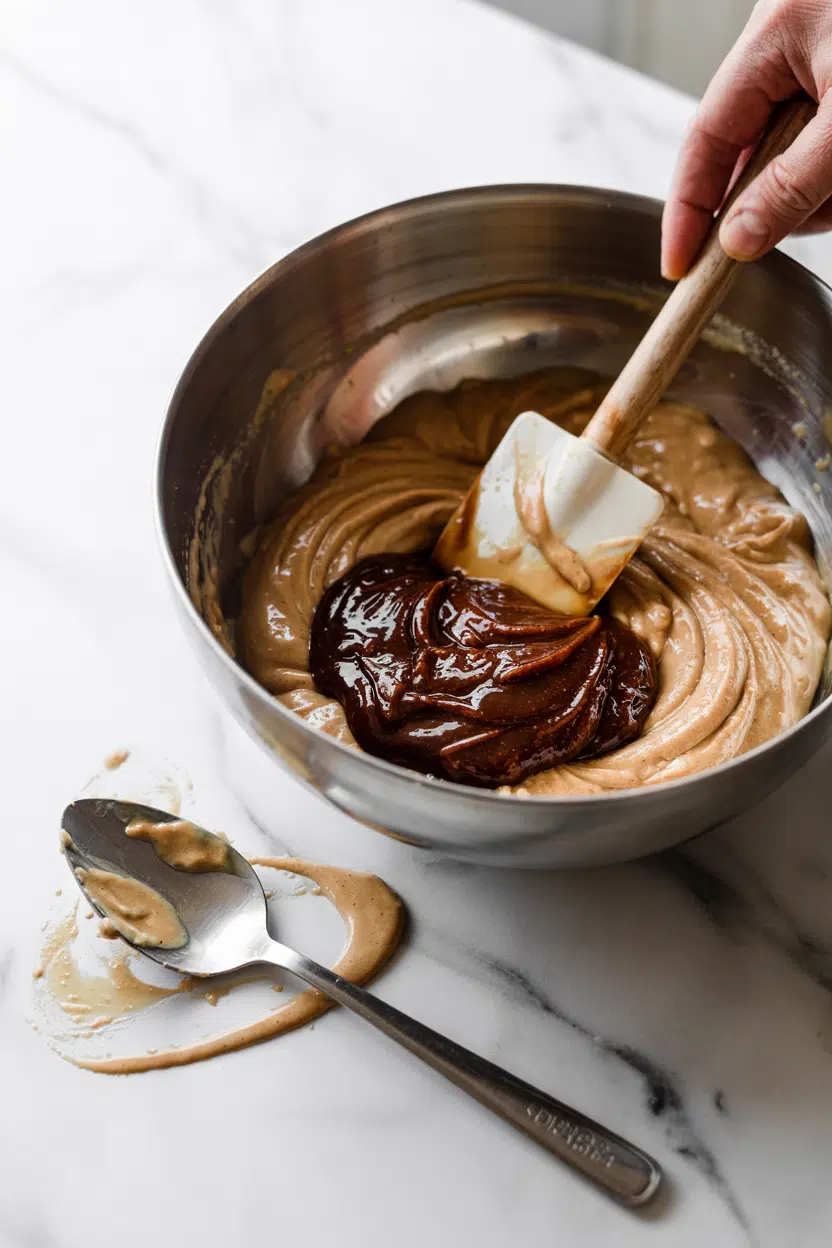
The flavor hits in layers. Bitter-sweet molasses leads, followed by a smoky, almost caramelized middle note that sits between burnt sugar and roasted grain.
There's also a faint saline minerality - a subtle saltiness that's not from added salt but from the mineral content retained during refining.
That quality is part of what makes black treacle irreplaceable in treacle tart or a proper dark gingerbread.
Compared with dark molasses, black treacle reads darker and more bitter while holding onto slightly more sweetness than blackstrap. Heat concentrates the bitterness, so baked applications tend to taste more intense than raw tastings suggest.
How to Use black treacle
Black treacle earns its keep most visibly in British baking, where it colors and flavors simultaneously. Gingerbread, parkin, and dark fruit cakes all rely on it for that characteristic near-black crumb and bitter-sweet backbone.
Treacle tart - a classic British dessert - uses it as the primary filling base, typically set with breadcrumbs.
Beyond desserts, treacle works hard in savory cooking. Brushed onto a roasting joint of ham, it caramelizes into a lacquered glaze; stirred into baked beans, it provides the sweet-bitter counterweight to tomato and mustard.
For pairing ideas for baked beans where treacle plays a role, the key pairings tend to be earthy and robust rather than fresh and bright.
The syrup also suits liquid applications. It blends well with stout or porter in marinades - understanding the differences between brown ale vs stout matters here, since stout's roasted character amplifies treacle's smokiness while brown ale softens it.
| Method | Best For | Tip |
|---|---|---|
| 🧁 Baked | Gingerbread, parkin, fruitcakes, treacle tart | Warm the jar briefly to make measuring easier |
| 🍳 Simmered | Baked beans, stews, dark sauces | Add early so the bitterness mellows with long cooking |
| 🍖 Glazed | Ham, roasted root vegetables, ribs | Combine with mustard or soy to balance sweetness |
| 🥣 Stirred In | Porridge, hot cereal, marinades | Use sparingly - raw applications amplify the bitterness |
Black treacle pairs naturally with ginger and mixed spice, dried fruit like sultanas and dates, butter and cream in desserts, and root vegetables such as parsnip and carrot in roasting.
Avoid using it with delicate white fish or light floral desserts - the intensity overwhelms rather than complements.
German baking borrows similar dark syrup logic: making lebkuchen german gingerbread at home follows comparable principles of spice and dark sweetener balance.
How to Buy and Store black treacle
Look for jars labeled "black treacle" or "treacle (dark)" - Tate & Lyle's distinctive black tin is the benchmark in UK shops.
The syrup should appear opaque and very dark; any watery separation or fermentation smell when opened is a sign to discard it.
Storage is straightforward: keep an opened jar tightly capped in a cool, dark pantry.
Refrigeration is only necessary if your kitchen runs warm year-round.
Always wipe the rim clean after pouring to prevent crystallized buildup that makes the lid difficult to open.
For a fuller breakdown of what to watch for over time, check the guide to black treacle spoilage signs before using an older jar.
- 📅 Unopened - 18 to 24 months at room temperature
- 🔓 Opened - 12 to 18 months if sealed and stored away from heat
- 🌡️ Temperature - cool pantry preferred; fridge is acceptable but thickens the syrup considerably
Start With One Recipe
Black treacle rewards a specific entry point: use it in a single baked good first before committing it to savory applications.
A classic dark gingerbread or a parkin shows off the full flavor range without the risk of overpowering a main course.
If a recipe isn't available or the bitter edge is too sharp for a particular use, black treacle stand-ins cover the closest swaps - and if you're working from the molasses side of things, the roundup of alternatives to molasses maps out where the two ingredients overlap.
Once you know how it performs in baking, the move to glazes and braises comes naturally.
Frequently Asked Questions
It's a byproduct of cane sugar refining. Raw cane juice is boiled and centrifuged to extract sucrose crystals; the dark liquid that remains after multiple extractions becomes black treacle, concentrated with minerals, color compounds, and residual sugars.
Not exactly. Both come from sugar refining, but blackstrap molasses is the final, most-extracted syrup and tends to be more bitter. Black treacle retains slightly more sweetness and has a distinct flavor profile shaped by UK production standards.
Dark molasses works as a substitute in most baked recipes with minimal difference. Avoid blackstrap molasses as a direct swap - it's significantly more bitter and can unbalance a recipe designed for treacle's moderate sweetness.
No - a tightly sealed jar stored in a cool pantry stays stable for 12 to 18 months. Refrigeration is an option in warm climates, but it thickens the syrup substantially and makes it harder to pour or measure accurately.
Yes, modestly. It contains more iron than golden syrup or refined white sugar, a consequence of the minerals retained during the refining process. The amounts are small relative to daily needs, but notable compared with other sweeteners.



