Product note: ForkliftKitchen may earn a commission from qualifying purchases made through product links on this page. Learn more.
Carbone Classic Vodka Sauce is the best Carbone sauce because it is rich enough to finish pasta straight from the jar but still leaves you one useful choice at the stove. You can keep its tomato, vodka, and cheese flavor concentrated or soften it with cream.
The other jars are not weaker versions of that winner. Marinara builds a clean red-sauce dinner, Spicy Vodka brings Calabrian chile, Roasted Garlic Alfredo changes the base entirely, and Four Cheese moves toward baked-pasta weight.
We compared the complete seven-sauce published ranking with current formulas, exact jar sizes, and exact product identities. The result is a map of what each jar does to dinner, not a claim that ForkliftKitchen conducted a taste test.
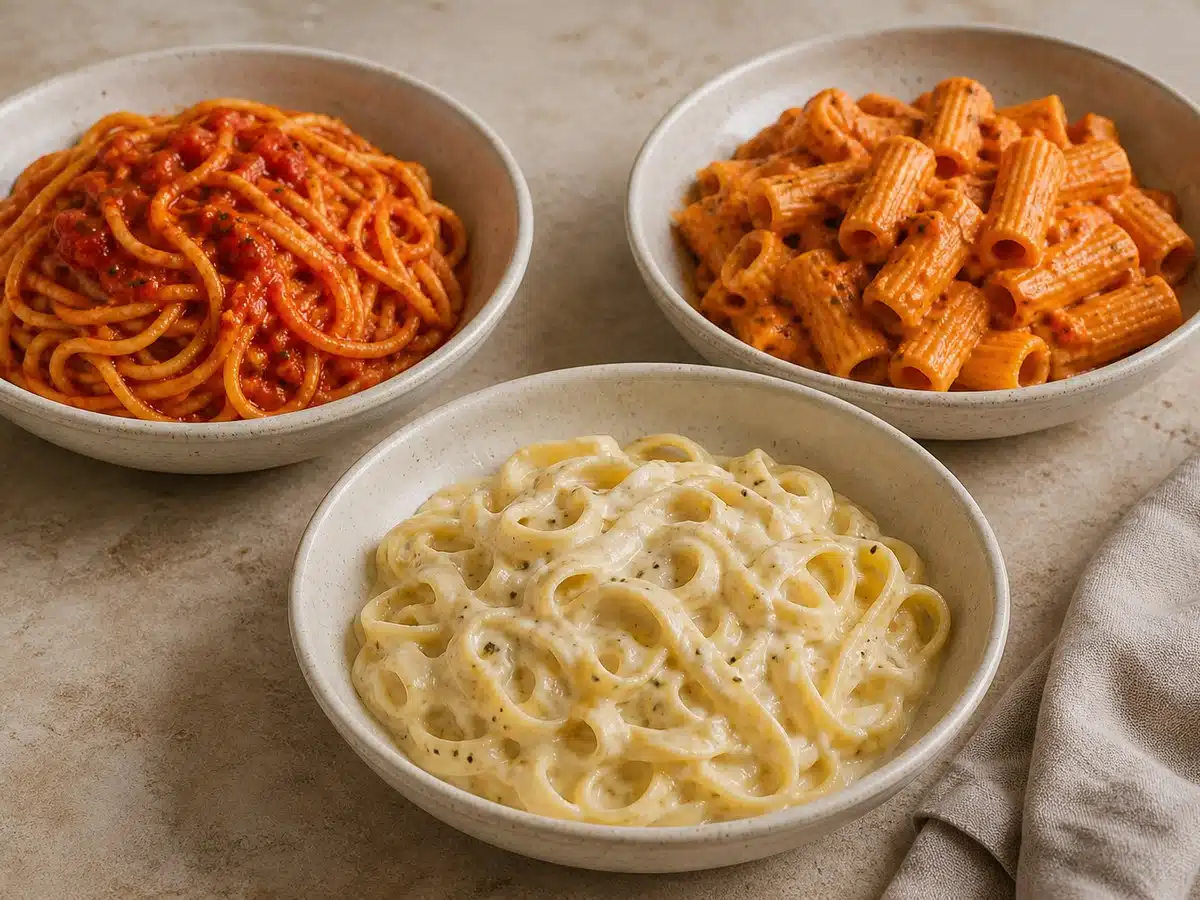
Seven Carbone Jars, Ranked by the Dinner They Build
Classic Vodka takes first place because it gives you the widest useful range without becoming plain. It can coat rigatoni on its own, accept a little cream, or support chicken and vegetables without losing the sauce underneath.
Save this ranking
Comparing these products later? Save this ranking for a quick return.
Start with the sauce family, then consider intensity. A shopper who wants bright tomato will be happier with Marinara than with a lower-ranked dairy sauce, while someone planning fettuccine may skip every red jar for Roasted Garlic Alfredo.
- 🍅 Base: Tomato-only, tomato-and-dairy, or white dairy sauce changes the whole meal.
- 🌶 Heat: Arrabbiata stays restrained, while Spicy Vodka carries a fuller Calabrian chile presence.
- 🧀 Weight: Four Cheese and Alfredo ask more from the pasta shape than a flowing marinara.
- 🧄 Aromatics: Roasted garlic, basil, oregano, and chile can become the leading note.
- 🍳 Finish: Classic Vodka works as sold but gives you room to add cream after warming.
| # | Product | Best For | Key Note |
|---|---|---|---|
| 1 | Classic Vodka | 🏆 Flexible Pink Sauce | Rich with optional cream |
| 2 | Marinara | 🍅 Red-Sauce Staple | Savory and not sugary |
| 3 | Spicy Vodka | 🌶 Chile Heat | Calabrian pepper pieces |
| 4 | Roasted Garlic Alfredo | 🧄 Garlic White Sauce | Thick 15-ounce jar |
| 5 | Four Cheese | 🧀 Baked Pasta | Tomato plus four cheeses |
| 6 | Arrabbiata | 🍝 Spicy Meat Sauce Base | Fresh tomato, light heat |
| 7 | Marinara Delicato | 🌿 Gentler Red Sauce | Carrot, celery, and herbs |
1. Carbone Classic Vodka Sauce

Classic Vodka earns the top spot by making its richness adjustable rather than fixed. The sauce already brings tomato, vodka, dairy, and cheese character, so you do not need to treat the jar as an unfinished kit.
Published side-by-side tasting found a clear vodka note and a luxurious body, even before extra cream entered the pan. That matters because many jarred pink sauces flatten into sweetness once they warm.
Add cream only after tasting the hot sauce. A small amount softens the tomato edge and stretches the coating, but too much can blur the vodka and cheese notes that justify buying this jar.
Ridged tubes give the thick sauce somewhere to settle. Long noodles work too, but they need enough pasta water and tossing to keep the sauce from collecting at the bottom.
This is not the hot option. Spicy Vodka makes more sense when Calabrian chile should be obvious, while Marinara is the cleaner choice when dairy would crowd the rest of the plate.
- Works with or without added cream
- Clear tomato, vodka, and cheese identity
- Thick enough for ridged pasta
- Not the choice for chile heat
- Can become heavy on delicate noodles
- Extra cream can mute its defining flavor
2. Carbone Marinara
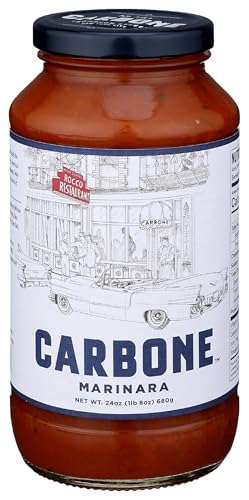
If red sauce is supposed to taste savory before it tastes sweet, Marinara is the Carbone jar to reach for. It keeps the meal centered on tomato instead of using sugar to cover every sharp edge.
The published comparison praised its slow-cooked depth and bright tomato character. That combination helps it support meatballs or sausage without turning the plate muddy.
Marinara also leaves more space than the vodka sauces. Parmesan, basil, roasted vegetables, or meat can enter the bowl without competing with a dairy base already in the jar.
Use it on long pasta when you want an even red coating. It can handle baked dishes, but Four Cheese supplies more built-in richness for that job.
Delicato is the nearby alternative for someone sensitive to a sharper tomato impression. Arrabbiata is the switch when the same basic red-sauce plan needs chile.
- Savory tomato flavor without heavy sweetness
- Leaves room for meat or vegetables
- Useful across long pasta and baked dishes
- Less rich than the vodka sauces
- No built-in chile heat
- Delicato may suit acid-sensitive palates better
3. Carbone Spicy Vodka Sauce

Spicy Vodka changes both the heat and the bite of the classic sauce. Calabrian pepper pieces remain noticeable, so this is not simply Classic Vodka with invisible warmth added.
The sauce still carries vodka and rich tomato flavor beneath the chiles. Published tasting found enough depth to keep the heat from feeling pasted onto an otherwise mild base.
That pepper texture is the dividing line. Some diners enjoy the visible skins and concentrated chile bursts, while others will prefer the smoother classic jar and add crushed red pepper themselves.
Pair it with a sturdy pasta and a mild protein. Spicy sausage can work, but it stacks heat on heat and may hide the sauce's more expensive ingredients.
Cream will soften the burn as well as the tomato edge. Taste first so the adjustment does not erase the reason you chose Spicy Vodka.
- Calabrian chile is clearly present
- Rich base keeps heat from feeling thin
- Strong fit for ridged tubes
- Pepper skins add noticeable texture
- Less flexible for heat-sensitive diners
- Added cream reduces its main advantage
4. Carbone Roasted Garlic Alfredo
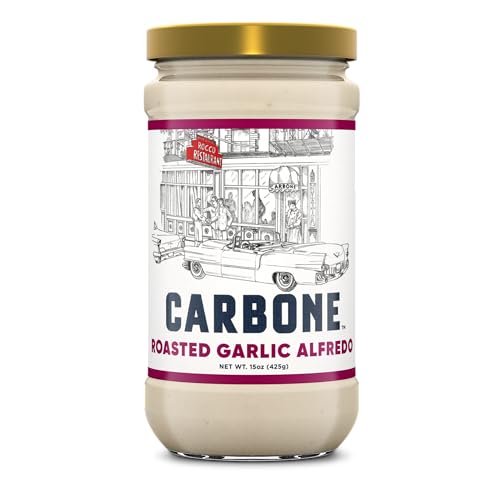
The smaller Alfredo jar does heavier work. Its thick dairy base clings to noodles, while roasted garlic gives each forkful a browned, savory edge instead of the raw or powdery note that can spoil jarred garlic sauce.
Published tasting singled out that garlic quality and the fatty thickness of the sauce. Those are complementary strengths because the garlic keeps a rich coating interesting beyond the first few bites.
The 15-ounce size matters. It is nine ounces smaller than most red sauces here, so a large pot of pasta may need reserved cooking water, vegetables, or a second jar.
Broad ribbons carry it better than thin strands. Chicken and broccoli can turn it into a full meal, but both should be seasoned lightly because the sauce already has a firm identity.
This is not a substitute for Marinara with garlic added. Choosing it commits dinner to a white, dairy-forward direction.
- Roasted garlic stays clear in a rich base
- Thick body clings to broad noodles
- Easy route to chicken Alfredo
- Smaller 15-ounce jar
- Heavy for delicate pasta
- Dairy base limits easy substitutions
5. Carbone Four Cheese Pasta Sauce

Four Cheese behaves more like a head start on lasagna than a marinara with a dusting of parmesan. Parmesan, Romano, asiago, and ricotta add tang, salt, body, and a softer dairy finish to the tomato base.
That combination is why the published tasting connected the sauce to lasagna. It carries enough cheese identity to make a plain noodle feel more complete before mozzarella or meat enters the dish.
Use less extra cheese than you would with basic marinara, then adjust at the end. Romano and asiago can push salt and sharpness quickly once a casserole concentrates in the oven.
Flat noodles, shells, and tubes hold the heavy coating. Thin spaghetti can carry it, but the sauce-to-pasta balance becomes harder to control.
Choose Marinara when you want to build the cheese layer yourself. Four Cheese is useful precisely when you want that decision partly made.
- Four cheeses create real baked-pasta weight
- Red sauce and dairy arrive together
- Works with shells, ziti, and broad noodles
- Easy to over-salt with extra cheese
- Less adaptable than plain marinara
- Heavy on thin pasta
6. Carbone Arrabbiata

Arrabbiata leaves room for the rest of dinner. Its chile presence is clear enough to separate it from Marinara but restrained enough for sausage, red pepper flakes, or a salty cheese to join later.
The published tasting put freshness ahead of brute spice. That makes this a practical canvas for a cook who dislikes jarred sauces that use heat to cover tired tomato flavor.
It is also leaner in feel than Spicy Vodka because dairy is not softening or thickening the red base. The same chile level can therefore read more directly on the tongue.
Penne and rigatoni catch the sauce and any meat pieces you add. Spaghetti works when the meal stays simple and the sauce remains the main coating.
Heat seekers may still add flakes. Do that after warming because the jar's brightness is easier to protect than to restore.
- Fresh tomato remains visible through the heat
- Easy base for sausage or vegetables
- No dairy weight from vodka sauce
- Milder than the name may suggest
- Needs additions for aggressive heat
- Less rich than Spicy Vodka
7. Carbone Marinara Delicato

Delicato solves a narrower problem than standard Marinara. Carrots and celery sit beside Italian tomatoes, olive oil, basil, and oregano, giving the sauce more vegetable support around the tomato edge.
The published tasting described it as bright and fresh without reading as acidic. That does not make it medically safer for reflux or other conditions, but it explains the sensory direction of the jar.
Keep the meal uncomplicated enough to notice that difference. A strongly spiced sausage or a heavy cheese layer can erase the reason for choosing Delicato over Marinara.
Long pasta, eggplant, and mild vegetables suit its lighter role. For meatballs or a deep baked dish, standard Marinara has more savory force.
This is the seventh-ranked sauce because its appeal is specific, not because it fails as a red sauce. A buyer who dislikes sharpness may reasonably place it much higher.
- Bright tomato without a sharp finish
- Carrot, celery, basil, and oregano add support
- Good fit for simple pasta
- Can disappear beside assertive meat
- Less savory depth than standard Marinara
- Sensory gentleness is not a medical claim
Not Every Red Jar Can Cover the Same Pasta Night
Marinara, Delicato, and Arrabbiata can share a basic red-sauce job, but each changes what you should add next. Marinara supplies savory depth, Delicato keeps the tomato impression gentler, and Arrabbiata adds a controlled chile base.
Classic and Spicy Vodka look like a close swap until texture enters the decision. The spicy jar includes noticeable pepper pieces, while the classic version offers a smoother path for diners who prefer to add their own flakes.
Alfredo and Four Cheese cross a larger line. One replaces tomato with a white dairy base, and the other turns tomato sauce into a cheese-heavy coating suited to baking.
Classic Vodka Gives You One Useful Choice at the Stove
You do not have to add cream to Carbone Classic Vodka Sauce. Warm the sauce first, taste it on a piece of pasta, and decide whether the existing richness already fits the meal.
Cream softens tomato, spreads the coating across more pasta, and lowers the apparent heat of chile. It also makes the sauce paler and can quiet the vodka and cheese notes, so the adjustment should solve a problem you can taste.
- Warm: Bring the sauce up gently while the pasta finishes.
- Taste: Check richness and salt with the actual noodle, not a spoon alone.
- Adjust: Add cream in small amounts only if the sauce needs softening or more coverage.
Sauce Weight Should Decide the Pasta Shape
A flowing red sauce can coat long strands, while a dense dairy or cheese sauce needs more surface and structure. Pasta shape will not rescue a sauce you dislike, but it can keep a good sauce from sliding into the bowl.
Use these pairings as starting points. Pasta water, added meat, vegetables, and oven time can change the final weight enough to justify a different shape.
| Sauce Style | Useful Shape | Why It Works | Watch For |
|---|---|---|---|
| Marinara or Delicato | Spaghetti | Flowing tomato coats long strands | Thin sauce pooling |
| Classic or Spicy Vodka | Rigatoni or penne | Ridges and tubes hold thick pink sauce | Too much cream loosening the coat |
| Roasted Garlic Alfredo | Fettuccine | Broad ribbons carry a dense white sauce | Overloading thin noodles |
| Four Cheese | Ziti, shells, or lasagna noodles | Heavy sauce sits inside or between pasta | Adding too much extra cheese |
Before You Break the Seal
The last check is practical: confirm the jar size, dairy, heat, and storage directions match the household using it.