
Apple cider turns up in a hot mug at autumn farm stands, in the braising liquid for Sunday pork shoulder, and in the vinaigrette you drizzle over roasted carrots - often without much fanfare.
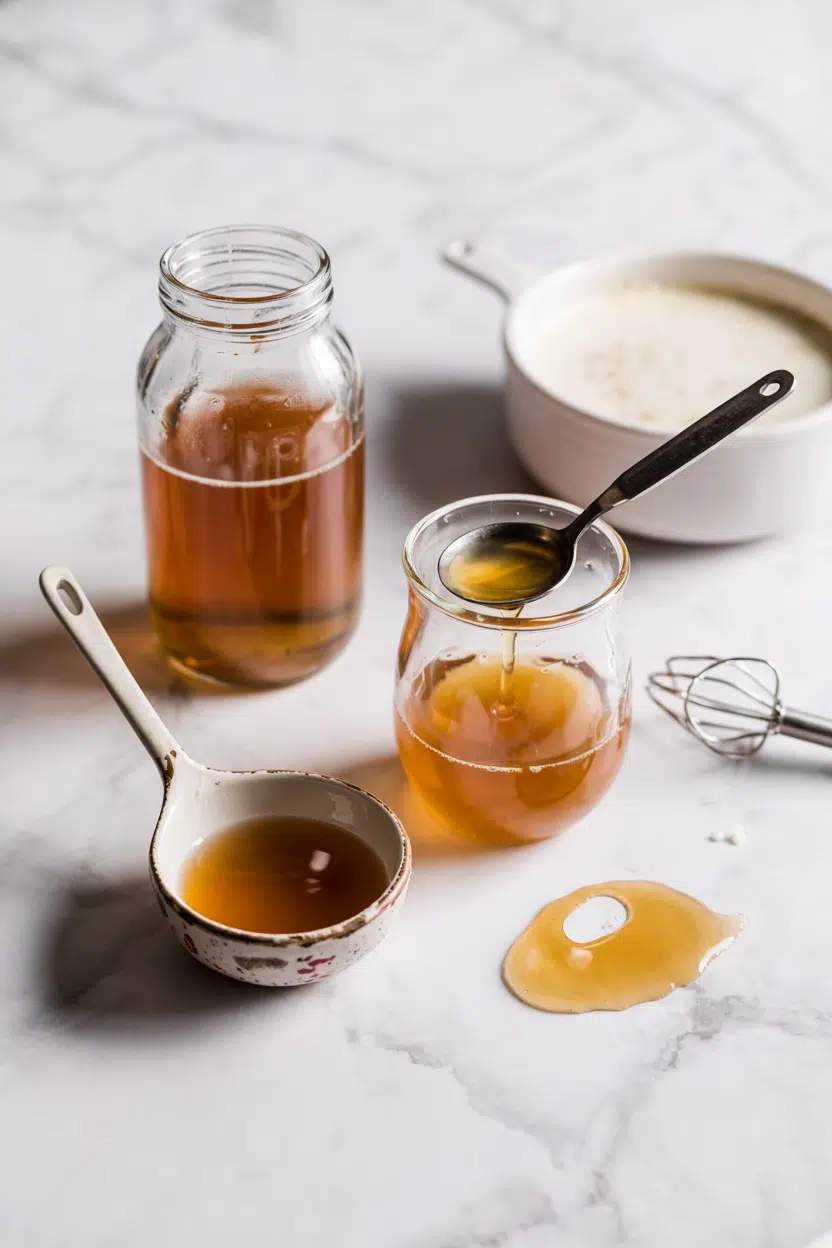
It's one of those ingredients that does quiet, important work across both sweet and savory cooking. Pressed from whole apples and left unfiltered, it carries a cloudy body, a bright acidic bite, and a depth that commercial apple juice simply doesn't have.
Apple cider is unfiltered, pressed apple juice with a cloudy body, bright tartness from malic acid, and mild tannins. It works in hot mulled drinks, savory braises, pan sauces, and baked goods. Refrigerate after opening and use within 7-10 days for pasteurized versions.
What Is Apple Cider?
Apple cider is the juice extracted by pressing whole fresh apples - skins, seeds, and all - without filtering out the solids. That process is what gives it the cloudy, slightly pulpy appearance that sets it apart from clarified commercial apple juice.
Remember it later
Planning to try this recipe soon? Save it for a quick find later!
In the United States, "apple cider" almost always means the non-alcoholic version: fresh-pressed, lightly processed, and often sold at orchards or farm stands in the fall.
The fermented, alcoholic version goes by "hard cider" in American usage, while in the UK and much of Europe, "cider" defaults to the alcoholic drink.
Several names travel with it depending on context:
- Sweet cider - the non-alcoholic pressed version, common in New England
- Cloudy apple juice - used interchangeably in some UK and Australian markets
- Pressed apple juice - the descriptor you'll see on more artisan or farm-direct labels
- Unfiltered cider - highlights the production method rather than flavor
Pasteurized cider has been heat-treated for safety and shelf stability. Unpasteurized or "raw" cider skips that step, preserving more of the fresh orchard flavor but requiring faster consumption.
What Does Apple Cider Taste Like?
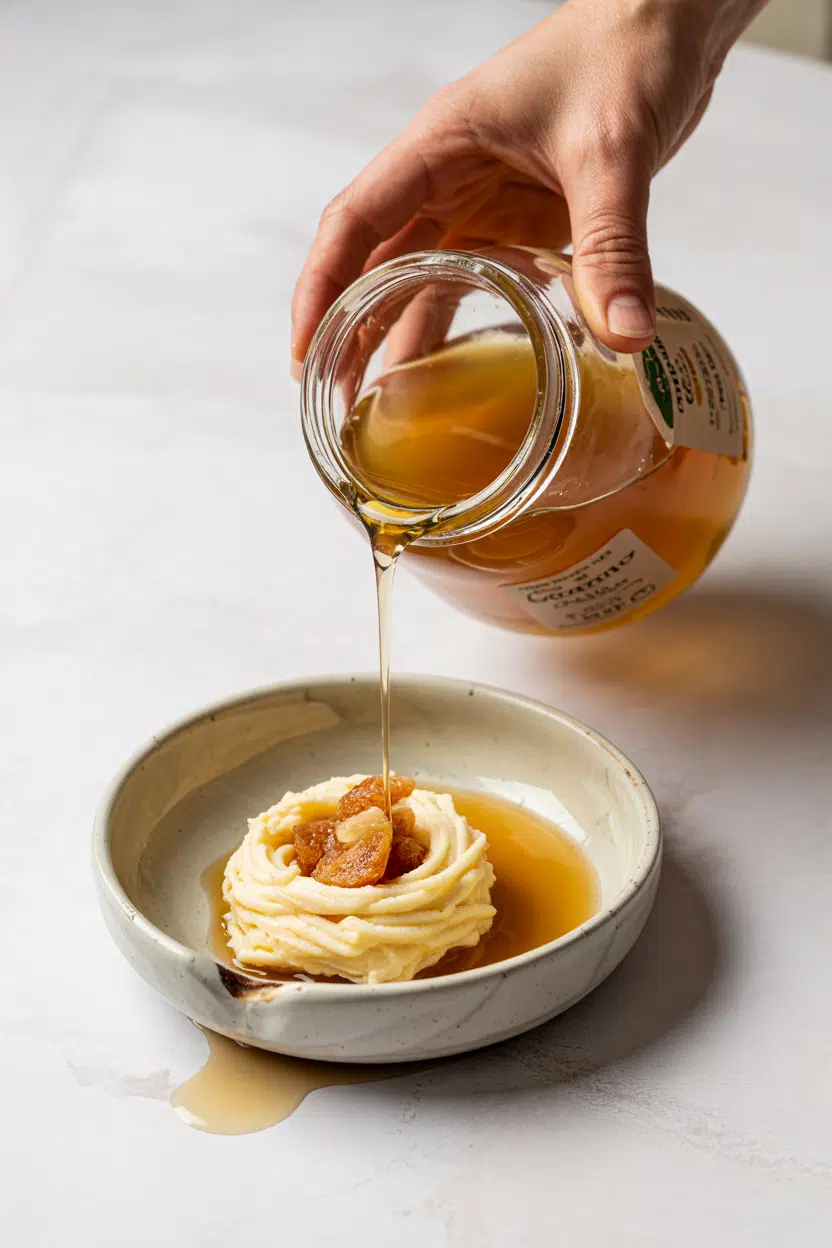
The flavor comes from two competing forces: natural apple sugars (mainly sucrose and fructose) pulling it sweet, and malic acid pulling it tart. Neither wins outright, which is what makes it interesting.
Compared to commercial apple juice, cider is less sweet and noticeably more complex. The tannins from skins and seeds add a mild astringency - closer to unfiltered pear juice in body than to the thin clarity of filtered juice.
Heat changes the profile. Simmered cider concentrates its sugars and loses some of its sharp acidity, turning rounder and almost caramel-adjacent when reduced far enough.
Heirloom apple varieties pressed together can add subtle spicy or phenolic notes that single-variety commercial juice rarely has.
How to Use Apple Cider
Apple cider earns its place at both ends of the stovetop. On the savory side, it works as a braising liquid for pork shoulder, where its acidity cuts fat and its sugars build a subtle glaze.
Deglaze a pan of seared pork chops with cider, reduce by half, and you have a pan sauce with no additional stock needed.
| Method | Best For | Tip |
|---|---|---|
| 🥗 Cold/Raw | Vinaigrettes, cocktail base, mocktails | Use unpasteurized for brightest flavor; shake before measuring |
| 🍳 Simmering | Mulled cider, poached fruit, braising liquid | Add spices whole; remove before serving to avoid bitterness |
| 🔥 Reduction | Glazes for pork, roasted root vegetables | Reduce to about one-third volume for a syrupy, concentrated glaze |
| 🧁 Baking | Muffins, quick breads, cake batters | Substitute for milk or water to add moisture and apple aroma |
| 🥩 Deglazing | Pan sauces, fond-lifting after searing meat | Add off heat first, then return to medium to control reduction speed |
Cider pairs well across a focused set of flavors: pork, aged cheddar, root vegetables, cinnamon, clove, star anise, mustard, ginger, and bourbon.
Those pairings hold across cuisines - New England mulled cider traditions, Alsatian-style fruit sauces, and British braised dishes all draw on the same core relationships.
For baking, cider adds moisture and a faint apple character to muffins and quick breads. It's not a strong flavor once baked in, however - the aroma comes through more than the taste.
If you're short on cider for a recipe, apple cider alternatives that match both the acidity and the body work better than plain water or juice.
Keep it away from delicate raw fish and heavily bitter greens. The sweetness amplifies bitterness in greens like radicchio and clashes with the subtle flavors of raw white fish.
How to Buy and Store Apple Cider
Cloudiness is the signal. A bottle of clear, bright apple liquid is filtered apple juice - not cider. Look for visible sediment or opacity, a "pressed on" or harvest date, and no off-odors when you open it.
For shelf life, the numbers are fairly strict. Opened pasteurized cider holds 7-10 days refrigerated, tightly sealed.
Unpasteurized drops to 3-7 days. If you buy cider in volume at peak season, freeze it in measured cup portions - it thaws well for cooking even if the texture shifts slightly for drinking.
- Buy local when possible - farm-stand cider pressed from mixed heirloom varieties has more complexity than single-variety supermarket bottles
- Check the date - cider sold without a pressed-on date has likely been sitting longer than you'd want
- Store at the back of the fridge - the door is too warm and causes faster fermentation once opened
Starting Points for Using Apple Cider
If you've never cooked with cider, start with a pan sauce or a braise - the learning curve is low and the payoff is immediate. Swap half the stock in a pork braise for cider and reduce the remaining liquid at the end.
For drinks, hot mulled cider is the most forgiving entry point: simmer with cinnamon sticks, cloves, and a few strips of orange peel for 20 minutes. No precision required.
If your recipe calls for apple juice and you want more acidity and body, cider is the direct upgrade. The reverse also works - when cider is unavailable, apple juice swaps can approximate the sweetness, though you'll lose the tannins and cloudiness.
Frequently Asked Questions
In the U.S., apple cider sold at stores and orchards is non-alcoholic pressed juice. The alcoholic version is called hard cider and goes through fermentation. Fresh-pressed cider can start fermenting naturally if left too long, but it isn't intentionally alcoholic.
Apple juice is filtered and often pasteurized to a clear, uniform liquid. Cider is unfiltered, retaining pulp, tannins, and more complex acidity from the skins and seeds. The flavor is noticeably more tart and less sweet.
Fresh-pressed cider peaks in fall, typically September through November, when apple harvests are at their height. Pasteurized cider is available year-round in many grocery stores, though the variety and quality are better at orchard stands in autumn.
Yes - it works in braises, pan sauces, glazes, vinaigrettes, and baked goods. Heat concentrates its sugars and mellows the sharp acidity, making it particularly useful for savory reductions with pork or root vegetables.
Pasteurized cider keeps 7-10 days after opening if refrigerated and tightly sealed. Unpasteurized cider is shorter - use it within 3-7 days. Signs it has turned include a yeasty or vinegary smell and visible active bubbling.



