You're halfway through a slow-cooker recipe and the pork shoulder isn't there. That cut brings fat, collagen, and the kind of texture that falls apart after hours of braising.
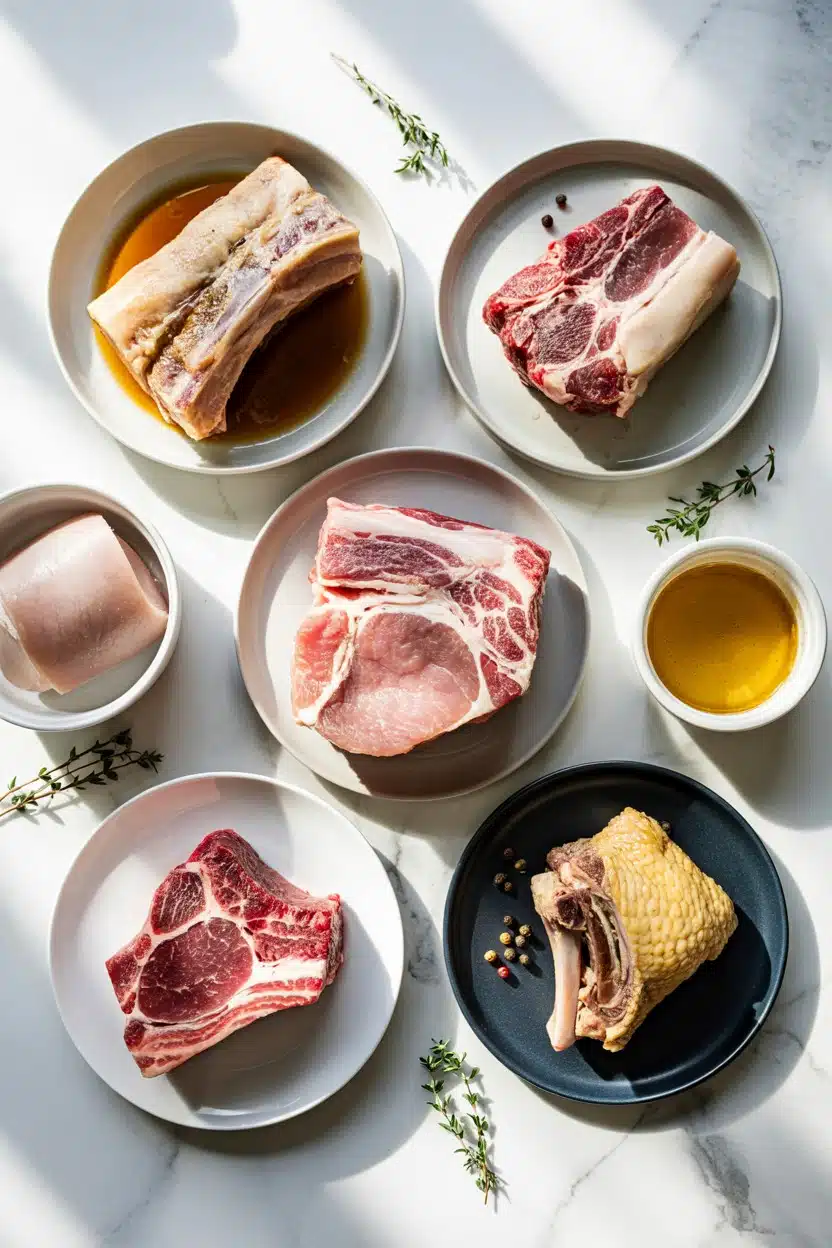
Pork butt and beef chuck best replicate pork shoulder's texture and fat content for slow cooking. Prioritize matching fat and collagen for melt-apart results. For leaner options, adjust cooking time to avoid dryness.
Not every swap handles long cooking the same way. The best substitute depends on whether you need that same melt-apart richness or just a protein that won't dry out.
| # | Substitute | Best For | Ratio | Key Note |
|---|---|---|---|---|
| 1 | Pork Butt | 🍳 Cooking | 1:1 | Slightly fattier, same shreddability |
| 2 | Pork Loin | 🍳 Cooking | 1:1 | Leaner, best for shorter cooking |
| 3 | Beef Chuck | 🍳 Cooking | 1:1 | Beefy flavor, similar texture |
| 4 | Chicken Thighs | 🍳 Cooking | 1:1 | Lighter, cooks faster |
| 5 | Tempeh | 🌱 Vegan | 1:1 | Plant-based, firmer texture |
5 Smart Pork Shoulder Swaps When You're Out
These options range from near-identical cuts to completely different proteins. The closest matches come first, with bolder alternatives toward the end for dietary needs or different flavor profiles.
Remember it later
Planning to try this recipe soon? Save it for a quick find later!
1 - Pork Butt
Pork butt and pork shoulder come from the same part of the pig. The names cause confusion, but they're practically interchangeable for slow cooking.
Pork butt runs slightly fattier, which means even more moisture during long braises. The marbling keeps the meat from drying out, and it shreds just as easily.
Here's what to know:
- Use the same cooking time and temperature as your original recipe.
- Expect slightly richer drippings for gravy or sauce.
- Trim excess fat cap if you prefer leaner results.
Skip if: you need a leaner cut for health reasons.
Pork Shoulder
Works for: pulled pork, carnitas, stews
Skip if: you want less fat
Pork Butt
Works for: all the same dishes, extra moisture
Skip if: you're trimming calories
2 - Pork Loin
Pork loin delivers a cleaner, milder pork flavor without the heavy fat content. It works when you want pork but don't need hours of braising.
The texture stays firmer and slices cleanly rather than shredding. This makes it better for roasted dishes or quicker cooking methods where you want distinct pieces.
Keep cooking times shorter-loin dries out if overcooked. Add extra liquid or wrap in foil to retain moisture during roasting.
Skip if: you need meat that falls apart for tacos or sandwiches.
3 - Beef Chuck
Beef chuck handles slow cooking the same way pork shoulder does. The connective tissue breaks down into gelatin, giving you that fork-tender texture.
The flavor shifts completely-expect robust, beefy richness instead of pork's milder taste. This works well in barbacoa, pot roast, or any braise where bold meat flavor is welcome.
The essentials:
- Same cooking time works for most recipes.
- Add beef broth instead of chicken for better flavor matching.
- Trim large fat pieces before cooking if your dish won't have time to render them.
- Expect a firmer final texture than pork shoulder.
Skip if: the dish specifically needs pork flavor, like traditional carnitas.
4 - Chicken Thighs
Chicken thighs bring enough fat to stay juicy through longer cooking. They won't replicate pork shoulder exactly, but they deliver tender, flavorful meat.
The cooking time drops significantly. What takes pork shoulder 8 hours needs only 3-4 hours for chicken thighs in a slow cooker.
Bone-in thighs add more flavor to the cooking liquid. Remove bones after cooking if you're shredding the meat.
Skip if: you need that rich, porky fat flavor or the dish requires very long braising.
| Use | Ratio | Notes |
|---|---|---|
| Slow cooker | 1:1 by weight | Reduce time to 3-4 hours |
| Braised dishes | 1:1 by weight | Check doneness earlier |
| Shredded meat | 1:1 by weight | Remove bones before pulling |
5 - Tempeh
Tempeh holds its shape through braising and absorbs sauce flavors well. The texture stays firm rather than falling apart, giving you something to bite into.
The flavor runs nutty and earthy-nothing like pork. Marinate it heavily or use bold sauces to build the savory depth you'd get from meat.
Key details:
- Slice into strips or cubes before cooking for better sauce absorption.
- Brown the pieces first for a meatier texture on the outside.
If you're also out of tempeh, replacements similar to tempeh covers plant-based options with similar firmness.
Skip if: you need the dish to taste like pork or want shreddable texture.
Before You Swap Pork Shoulder
The right substitute depends on what you're making. For pulled pork or carnitas, pork butt is nearly identical and requires no recipe changes.
- Closest match - Pork butt for same fat and shreddability
- Easiest grab - Chicken thighs for faster cooking
- Dietary option - Tempeh for plant-based meals
Frequently Asked Questions
Pork loin won't shred the same way because it lacks the fat and connective tissue. You'll get sliceable meat rather than the stringy pulled texture.
Both come from the front of the pig. Pork butt sits higher on the shoulder and has slightly more marbling, but they cook identically for most recipes.
Cut the time roughly in half. Chicken thighs need 3-4 hours on low in a slow cooker compared to 8 hours for pork shoulder.
The cooking method stays the same, but adjust your seasonings. Beef pairs better with red wine and tomato-based sauces than the sweeter flavors often used with pork.
Tempeh works for a plant-based version but won't replicate the taste or texture. Crumble it, season heavily with taco spices, and brown well for the best results.
5 Best Substitutes for Pork Shoulder
Ingredients
Method
- Choose your substitute based on cooking needs or dietary preference: pork butt for similar fat and shreddability, pork loin for leaner quick cook, beef chuck for beefy flavor, chicken thighs for faster cooking, or tempeh for plant-based option.
- Prepare the substitute accordingly: trim excess fat from pork butt if desired; keep pork loin times short and add moisture; season beef chuck with beef-friendly spices; use bone-in chicken thighs and remove bones after cooking if shredding; press and slice tempeh before browning.
- Apply a 1:1 substitution ratio by weight for all substitutes.
- Adjust cooking times to match the substitute's needs: maintain original time for pork butt and beef chuck; shorten to 3-4 hours for chicken thighs; keep pork loin cooking brief to prevent drying; brown tempeh well to enhance texture.
- Check final textures for shreddability or firmness and taste for desired flavor balance before completing the dish.