
Borlotti beans bring a creamy texture and nutty sweetness that holds up in long-simmered dishes. When the recipe depends on that behavior, the substitute needs to match.
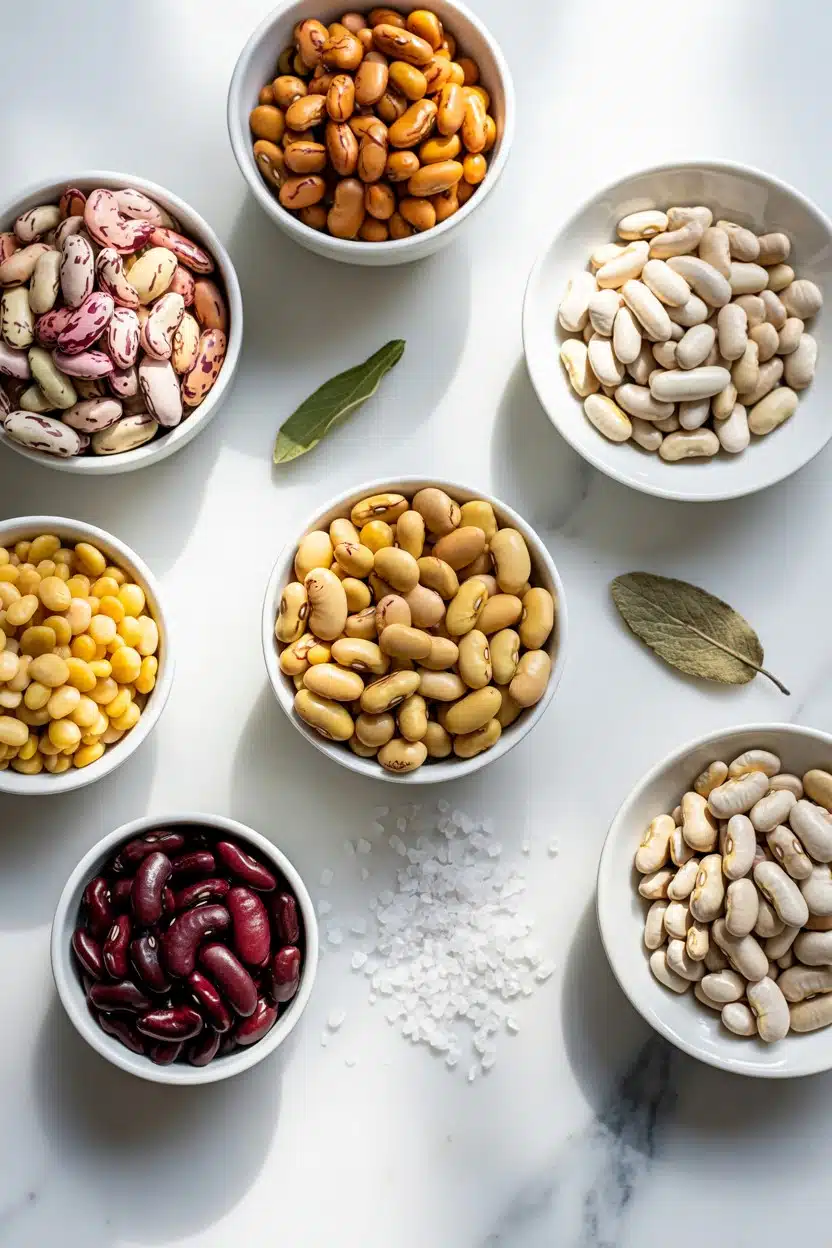
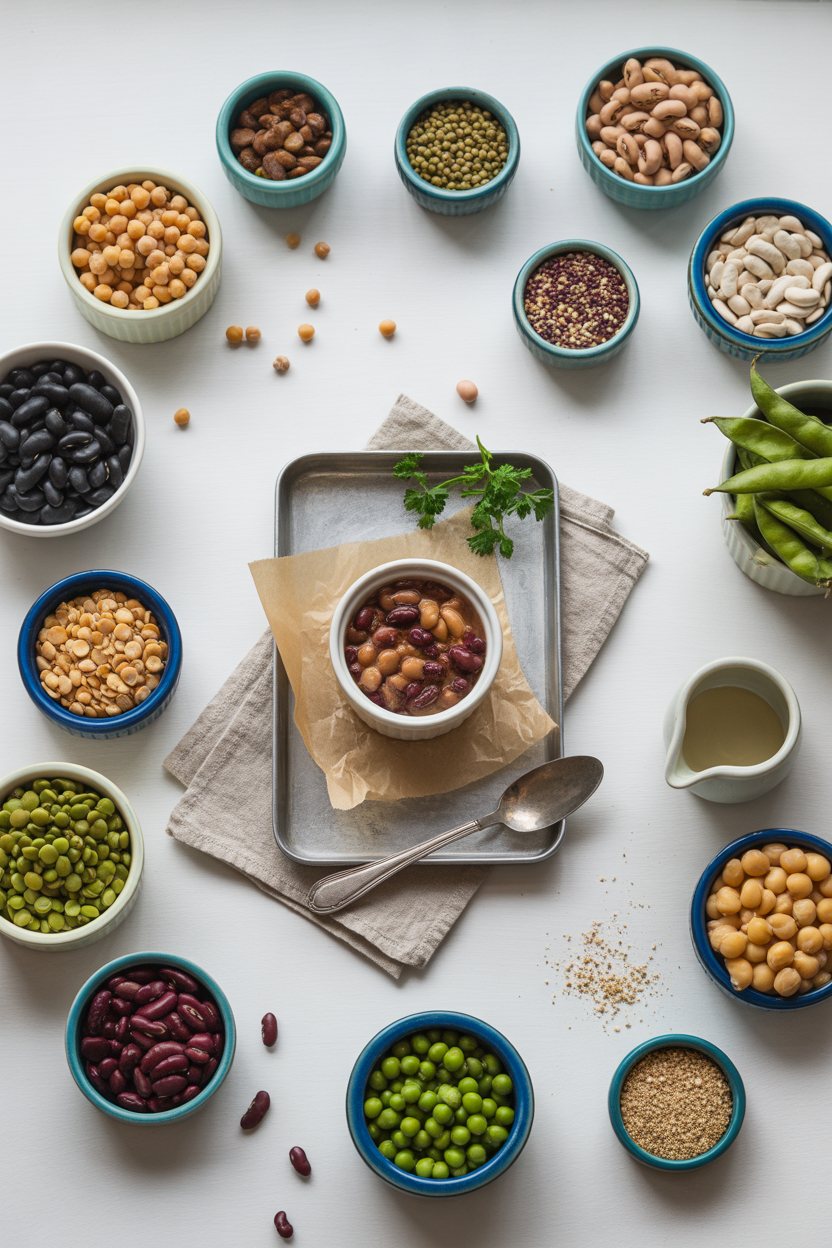
Cannellini and Kidney beans are top substitutes, focusing on texture first. Choose beans that either stay firm or break down as needed. Adjust seasoning if the flavor is lighter or earthier than borlotti beans.
Not every swap performs the same way. Pick based on whether you need beans that stay firm or ones that break down into the sauce. The closer the texture match, the less you'll notice the change.
| # | Substitute | Best For | Ratio | Key Note |
|---|---|---|---|---|
| 1 | Cannellini Bean | 🍳 Cooking | 1:1 | Milder, creamier flavor |
| 2 | Kidney Bean | 🍳 Cooking | 1:1 | Earthier, firmer texture |
| 3 | Great Northern Bean | 🍳 Cooking | 1:1 | Light and nutty, less sweet |
| 4 | Pinto Bean | 🍳 Cooking | 1:1 | Earthy, slightly buttery |
| 5 | Fava Bean | 🍳 Cooking | 1:1 | Bold, nutty, firmer bite |
5 Borlotti Bean Replacements for Better Texture
These options range from mild and creamy to bold and firm. Start with the closest match for your dish, then adjust seasoning if the flavor runs lighter or earthier than expected.
Remember it later
Planning to try this recipe soon? Save it for a quick find later!
1 - Cannellini Bean
Cannellini beans come closest to borlotti in how they cook down. They turn creamy without falling apart completely, making them reliable in minestrone and pasta e fagioli.
The flavor runs milder and less sweet. Add a pinch of smoked paprika or a splash of tomato paste to bring back depth.
Here's what to know:
- Use 1:1 by volume with no timing changes.
- Works best in soups where beans simmer for 30+ minutes.
- Expect a lighter color in the finished dish.
- Season more aggressively to compensate for the mild taste.
If you're short on cannellini too, Cannellini Bean alternatives worth trying covers options with similar creaminess.
Cannellini Bean
Works for: Soups, stews, and braises needing creamy beans
Skip if: You need a firmer texture that holds shape in salads
Kidney Bean
Works for: Chili, robust stews, and hearty grain bowls
Skip if: The dish calls for delicate flavors or lighter broth
2 - Kidney Bean
Kidney beans hold their shape better than borlotti, even after hours of cooking. The texture stays firm with a slight bite.
The flavor is earthier and less sweet. This works well in chili and spiced stews but can overpower lighter dishes.
The essentials:
- Use 1:1 by volume.
- Reduce cooking time by 5-10 minutes if beans are already tender.
Don't have kidney beans either? Kidney Bean swaps for protein lists firmer alternatives that won't turn mushy.
Skip if: The recipe needs beans that partially break down to thicken the broth.
3 - Great Northern Bean
Great northern beans work well when you want the dish to absorb other flavors. They're mild and slightly nutty, taking on whatever seasonings you add.
The texture is softer than borlotti but not as creamy as cannellini. They hold together in casseroles and purees without turning to paste.
Expect less sweetness. A drizzle of honey or a bit of caramelized onion can balance this out.
Missing great northern beans as well? Common Great Northern Bean swaps ranked has options that stay tender without falling apart.
Skip if: Vibrant color matters-these beans turn the dish pale.
4 - Pinto Bean
Pinto beans bring an earthy, slightly buttery flavor that complements Southwestern and Mexican recipes. They mash easily, making them ideal for refried beans or thick stews.
The sweetness is closer to borlotti than most other options. Use them in dishes where beans cook down partially.
Swap 1:1 by volume. No timing adjustments needed.
If pinto beans aren't on hand either, Pinto Bean substitutes for cooking covers swaps that mash well.
Skip if: You need a clean, mild bean flavor that won't compete with delicate herbs.
| Use | Ratio | Notes |
|---|---|---|
| Soups and stews | 1:1 | Cannellini or pinto for creaminess |
| Chili and robust dishes | 1:1 | Kidney beans hold texture best |
| Salads and finishing | 1:1 | Fava beans stay firm and snappy |
5 - Fava Bean
Fava beans deliver a bold, slightly bitter flavor with a nutty undertone. The texture is firmer and denser than borlotti, so they hold their shape even when tossed in warm dishes.
Use them in salads, grain bowls, or as a finishing element where you want beans to stay intact. They don't break down well, so skip them for soups meant to thicken.
Key details:
- Use 1:1 by volume with cooked, shelled fava beans.
- The skin can be tough-double-peel for a smoother bite.
Skip if: The recipe needs beans that soften and release starch into the liquid.
Making Borlotti Bean Substitutes Work
Most of these swaps work without major recipe changes. The best choice depends on whether you need beans that stay firm or ones that turn creamy.
Start with cannellini or pinto for the closest texture match. For dishes where beans should hold their shape, kidney or fava beans perform better.
- Closest match - Pinto bean for similar sweetness and texture
- Easiest grab - Cannellini bean, widely available canned
- Bold alternative - Fava bean for firmer, nuttier results
Frequently Asked Questions
Cannellini beans work best for soups. They turn creamy when simmered and absorb broth flavors well.
Yes, but expect a firmer texture and earthier taste. Kidney beans work well in chili and robust stews but can overpower lighter dishes.
Great northern beans cook faster, so check them 10 minutes earlier. Kidney beans may need slightly less time if already tender.
Fava beans stay firm and hold their shape well in cold dishes. Double-peel them for the best texture.
Yes. All five substitutes swap at a 1:1 ratio by volume. No measurement changes needed.
5 Best Substitutes for Borlotti Bean
Ingredients
Method
- Identify whether your dish needs beans that hold firm or break down into the sauce to pick the best substitute.
- Prepare the chosen substitute by draining, peeling, or seasoning as needed to match desired texture and flavor.
- Use the substitute at a 1:1 volume ratio compared to borlotti beans, adjusting cooking time only if specified for kidney or great northern beans.
- Incorporate the prepared substitute into your dish, ensuring adequate cooking or warming according to the bean type.
- Taste and adjust seasoning after substitution, especially with milder beans like cannellini or pinto to maintain dish depth.



