You're halfway through rolling out pie dough and realize the pastry cutter is missing. The whole point of cutting butter into flour is keeping those cold fat pockets intact-they're what makes crust flaky.
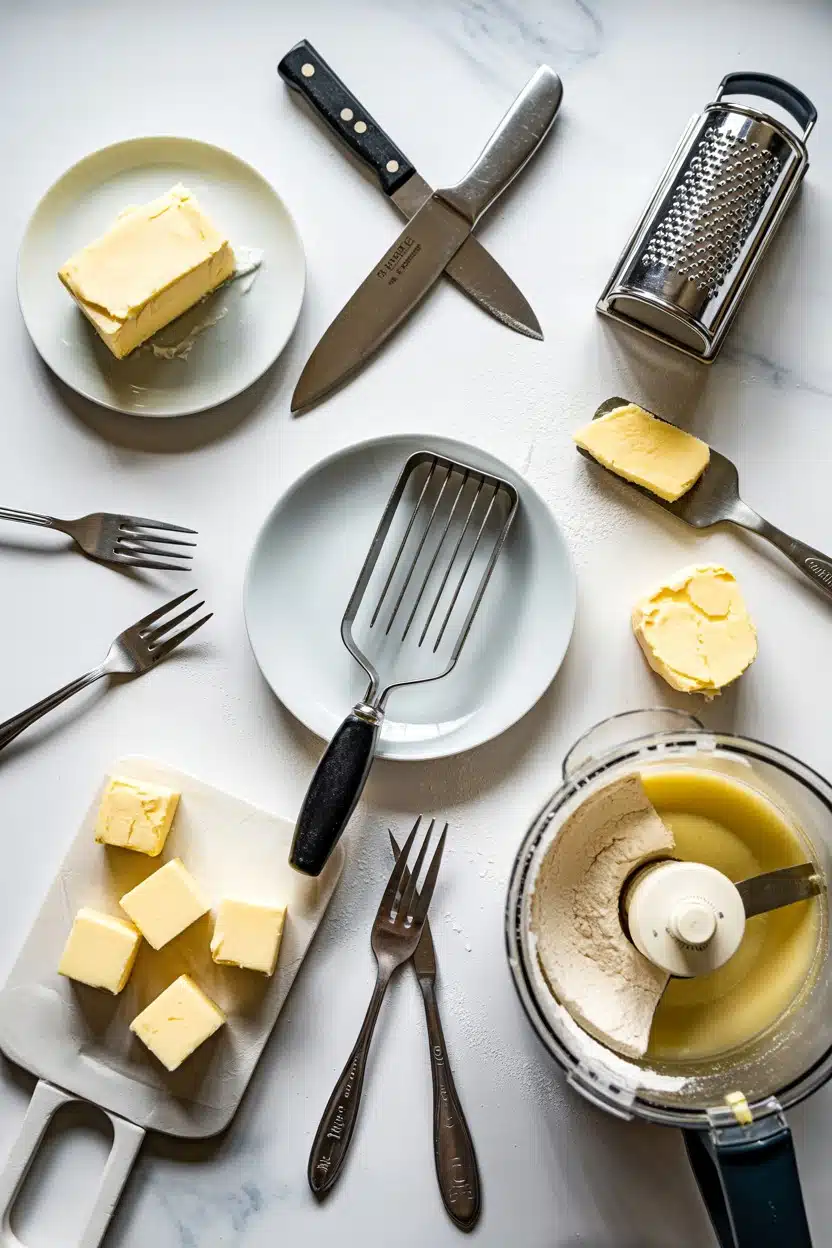
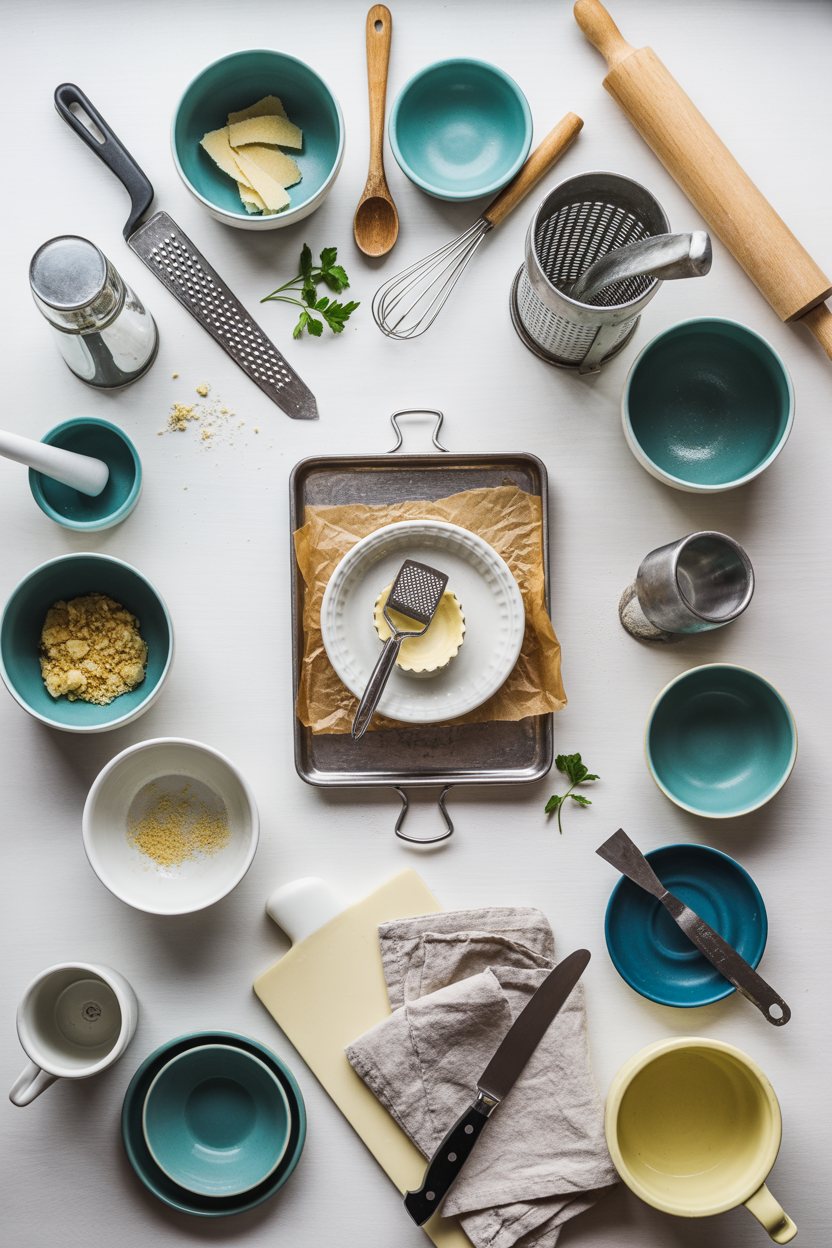
Butter knives and a fork offer the best control over butter size, preserving flakiness. Prioritize keeping butter cold to maintain texture. For speed, a food processor works well but sacrifices precision. Use chilled hands carefully to avoid melting butter too fast.
P>The right substitute depends on what you have nearby and how much control you need. Some options work fast but risk overworking the dough. Others take longer but give you better texture. The list below ranks them by how well they protect those butter pieces.
| # | Substitute | Best For | Ratio | Key Note |
|---|---|---|---|---|
| 1 | Butter Knives | 🥧 Baking | Crisscross motion | Good control, slower pace |
| 2 | Fork | 🥧 Baking | Press and drag | Less uniform pieces |
| 3 | Chilled Hands | 🥧 Baking | Pinch and rub | Risk of warming butter |
| 4 | Food Processor | 🥧 Baking | 5-6 pulses | Fast but easy to overwork |
| 5 | Pastry Blender Attachment | 🥧 Baking | Low speed | Hands-free option |
| 6 | Rolling Pin | 🥧 Baking | Pound and fold | Laminated-style layers |
| 7 | Pizza Cutter | ✨ Both | Cutting only | Won't blend-just slices |
7 Easy Pastry Cutter Swaps for Cooking
These options range from things already in your drawer to equipment that speeds up the process. The first few give you the most control over butter size, while later options trade precision for speed.
Remember it later
Planning to try this recipe soon? Save it for a quick find later!
1 - Butter Knives
Two butter knives held together create the same cutting action as a pastry blender. You drag them through the flour in opposite directions, slicing through cold butter chunks until everything looks like coarse crumbs.
The technique takes longer than a dedicated tool-expect an extra three to four minutes. Your results stay consistent because you control exactly when to stop.
Here's what to know:
- Hold one knife in each hand - Position them at a slight angle facing each other.
- Use a scissoring motion - Pull knives past each other through the butter repeatedly.
- Work in sections - Move around the bowl to catch all the flour.
- Stop at pea-sized pieces - Larger chunks mean flakier layers.
If you're also running low on butter itself, swaps when Butter runs out covers fats that behave similarly in pastry.
Skip if: you need to work through a large batch quickly.
Butter Knives
Works for: Small batches where control matters most
Skip if: Making multiple pie crusts at once
Fork
Works for: Quick biscuit doughs with softer butter
Skip if: You need very even, small butter pieces
2 - Fork
A sturdy dinner fork works when butter is slightly softer than ice-cold. Press the tines down into the butter and flour, then drag and repeat.
The pieces end up less uniform than with a pastry cutter. For rustic biscuits or scones where some larger butter pockets are fine, this works well enough.
Key details:
- Use a large fork - More tines means faster progress.
- Press firmly - Don't just stir; actually smash the butter.
- Scrape the tines - Butter builds up quickly between them.
Skip if: your recipe requires very fine, even crumbs for a smooth dough.
3 - Chilled Hands
Your fingertips can pinch butter into flour faster than any utensil. The catch: body heat melts butter quickly, which ruins flakiness.
Run hands under cold water for thirty seconds before starting. Work fast, using just your fingertips to rub butter and flour together. Stop the moment you see shaggy crumbs-overworking means tough pastry.
The essentials:
- Ice water first - Cold fingertips buy you more working time.
- Fingertips only - Palms transfer too much heat.
- Lift and drop - Keep flour aerated as you work.
- Freeze butter chunks - Starting colder gives you a bigger margin.
Skip if: your kitchen runs warm or you tend to work slowly.
4 - Food Processor
A food processor cuts butter into flour in under ten seconds. Cube cold butter, add it to flour in the bowl, then pulse five or six times until you see coarse meal.
The danger is overprocessing. One pulse too many turns your dough into paste instead of flaky layers. Watch through the lid and stop early.
If your food processor is also unavailable, Food Processor replacements that work covers manual alternatives for this exact task.
Skip if: you want a very coarse, rustic texture with large butter pieces visible.
5 - Pastry Blender Attachment
Some hand mixers come with a pastry blender attachment-curved wires designed for cutting fat into flour. Set the mixer to low and let it do the work.
This option keeps your hands completely out of the dough. The trade-off is less tactile feedback, so you need to watch carefully and stop before the butter disappears.
Skip if: you prefer hands-on control over the final texture.
6 - Rolling Pin
This method creates laminated-style layers like puff pastry. Pound a chilled butter block flat, fold it into the flour, then roll and fold repeatedly.
The technique takes longer and requires more counter space. What you get is extremely flaky pastry with distinct butter layers rather than evenly distributed crumbs.
What to expect:
- Start with a butter block - Softer butter won't hold its shape during rolling.
- Pound first - Flatten the butter between parchment before folding into flour.
If you're missing a rolling pin as well, a simple Rolling Pin substitutes list shows what else works for flattening dough.
Skip if: you want traditional pie crust texture rather than laminated layers.
| Method | Speed | Best Result |
|---|---|---|
| Butter Knives | Slow | Even crumbs, good control |
| Food Processor | Fast | Fine crumbs, risk of overworking |
| Rolling Pin | Slowest | Laminated flaky layers |
7 - Pizza Cutter
A pizza cutter wheel slices dough shapes quickly-lattice strips, crackers, or cutting shortbread bars. It rolls through soft dough cleaner than a knife.
This tool doesn't blend anything. You can't use it to cut butter into flour. It's strictly for shaping after your dough is already mixed.
Quick specs:
- Sharp wheel required - Dull cutters drag and tear dough.
- Roll, don't press - Let the wheel do the work.
- Flour the blade - Prevents sticking on wet doughs.
Skip if: you need something to actually blend butter and flour together.
Making Pastry Cutter Substitutes Work
The best substitute depends on your priorities. For control and even texture, two butter knives take more time but deliver consistent results. For speed, a food processor finishes in seconds-just watch for overprocessing.
- Closest match - Butter knives give the most similar action
- Easiest grab - Fork works with what's already in the drawer
- Fastest option - Food processor finishes in under ten seconds
Frequently Asked Questions
A chef's knife works but moves slower since you're cutting with one blade. Two butter knives create the scissoring action that breaks butter apart faster.
Stop when the mixture looks like coarse crumbs with some pea-sized butter pieces visible. If it looks like sand, you've gone too far.
Yes. Colder butter stays intact longer, which is critical when using slower methods like forks or hands. Freeze butter for 15 minutes if your kitchen runs warm.
Flavor stays the same. Texture might vary slightly-food processors make finer crumbs while hands tend to leave larger pieces that create flakier layers.
All of these work for shortening too. Since shortening stays solid at higher temperatures than butter, you have more working time with any method.
7 Best Substitutes for Pastry Cutter
Ingredients
Method
- Choose a substitute based on your control needs and available tools.
- For best texture control, use two butter knives in a scissoring motion to cut cold butter into flour.
- Alternatively, press and drag with a fork for rustic doughs if you need quicker results.
- Use chilled hands to pinch and rub butter quickly; keep fingertips cold to prevent warming butter.
- Pulse cubed cold butter with flour 5-6 times in a food processor for fast mixing; watch to avoid overprocessing.
- Attach a pastry blender to a hand mixer on low speed for a hands-free cutter substitute, monitoring dough closely.
- For laminated layers, pound a chilled butter block flat with a rolling pin, then fold into flour repeatedly.
- Use a pizza cutter only to slice already mixed dough shapes; it will not blend butter and flour.
- Stop mixing when coarse crumbs with pea-sized butter pieces appear to maintain flakiness in pastry.