You measured out what you needed, but the vermicelli jar came up short. Now you're staring at a half-prepped dish and wondering what else in the pantry can fill in.
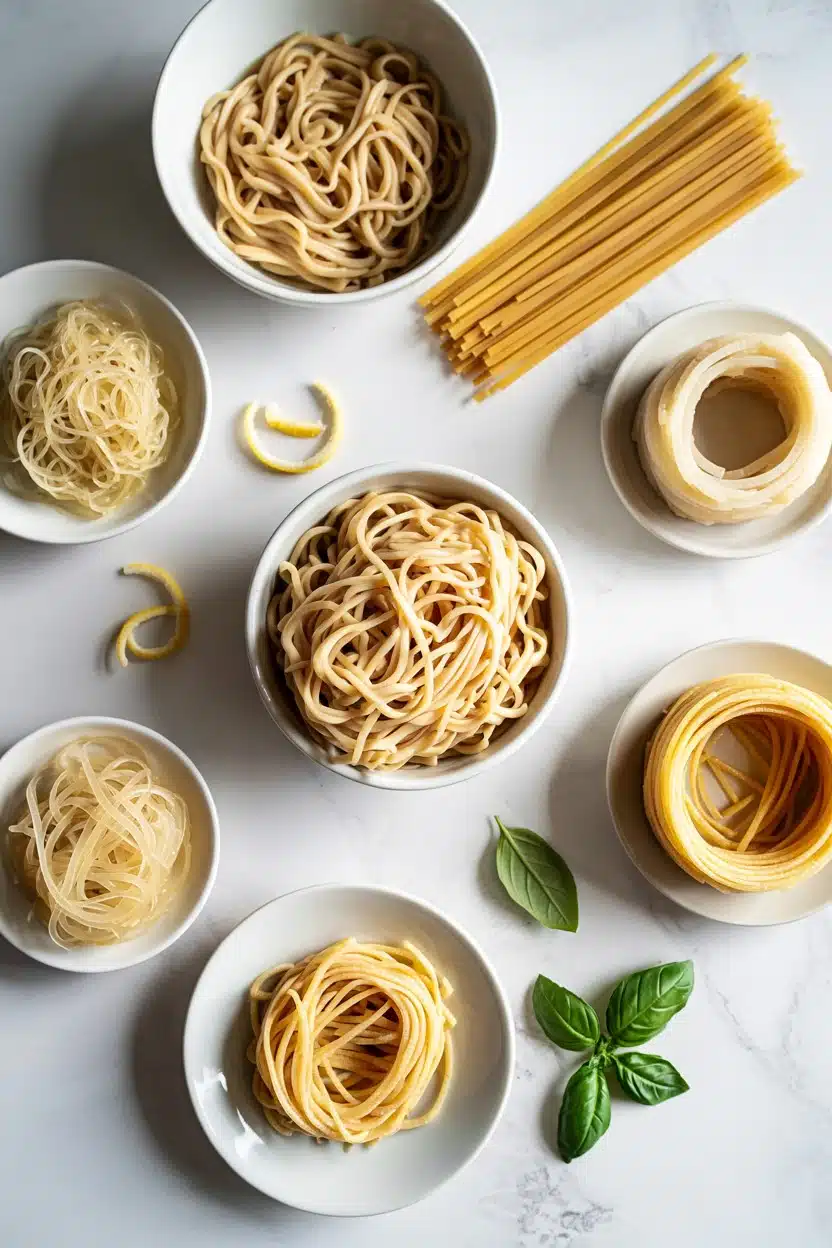
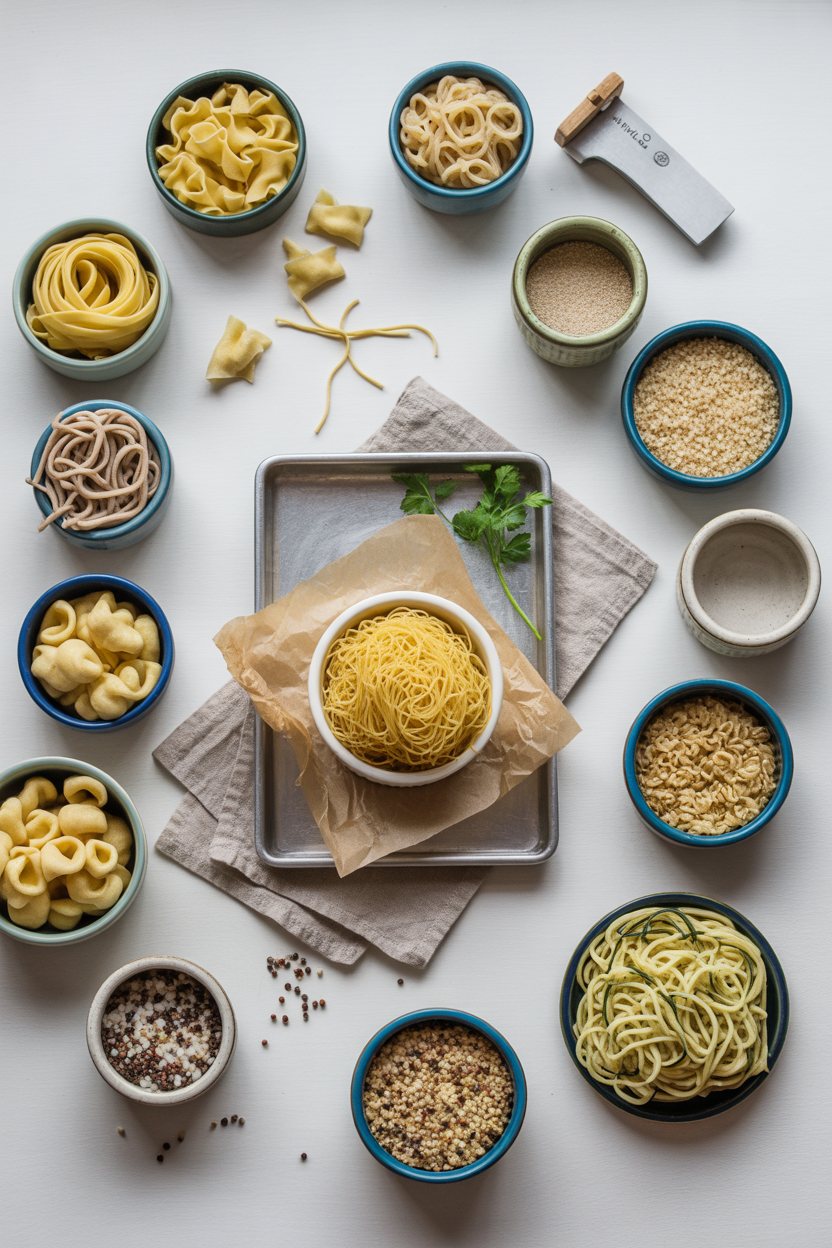
Capellini and rice noodles are top substitutes, focusing on texture and cooking time. Choose based on whether a wheat or rice base suits your dish best. Remember to adjust cooking times since some noodles soak instead of boil.
The right swap depends on whether you need thin strands for soup, a stir-fry base, or a pilaf-style side. Some options match the texture closely; others change the dish slightly but still work. Start with what you have and adjust cooking time as needed.
| # | Substitute | Best For | Ratio | Key Note |
|---|---|---|---|---|
| 1 | Capellini | 🍳 Cooking | 1:1 | Slightly chewier wheat flavor |
| 2 | Rice Noodles | 🍳 Cooking | 1:1 | Gluten-free, softer texture |
| 3 | Fideo | 🍳 Cooking | 1:1 | Nutty, slightly thicker strands |
| 4 | Glass Noodles | 🍳 Cooking | 1:1 | Transparent, slippery texture |
| 5 | Broken Spaghetti | 🍳 Cooking | 1:1 | Firmer bite, needs breaking |
| 6 | Shirataki | 🌱 Low-Carb | 1:1 | Chewy, gelatinous texture |
| 7 | Couscous | 🍳 Cooking | 1:1 | Fluffy grains, not strands |
7 Vermicelli Swaps That Keep Flavor Balanced
These substitutes range from nearly identical thin pastas to grain-based alternatives that shift the texture entirely. Pick based on whether your dish needs long strands, quick absorption, or just something to soak up the sauce.
Remember it later
Planning to try this recipe soon? Save it for a quick find later!
1 - Capellini
Capellini matches vermicelli's thin profile better than any other wheat pasta. The strands cook in about 3 minutes and hold light sauces without getting gummy.
The main difference is chew. Capellini has slightly more bite, which works well in brothy soups but can feel heavier in cold noodle salads. Use the same amount and cut a minute off the boiling time compared to standard spaghetti.
Quick specs:
- Use 1:1 by weight or volume
- Boil 2-3 minutes for al dente
- Rinse with cold water for salads to stop cooking
Skip if: your recipe specifically calls for rice noodles-the wheat flavor won't match.
Capellini
Works for: soups, light pasta dishes, quick weeknight meals
Skip if: you need gluten-free or rice noodle texture
Rice Noodles
Works for: stir-fries, pho, Asian-style soups
Skip if: you need wheat gluten for structure
2 - Rice Noodles
Thin rice noodles soak in hot water rather than boiling, making them faster to prepare. They turn soft and slightly slippery-closer to vermicelli's texture in Asian dishes than any wheat option.
The neutral flavor disappears into whatever sauce or broth you're using. Don't overcook them or they'll turn mushy.
If you're also out of rice noodles, simple Rice Noodle substitutes list covers gluten-free options that behave similarly.
Skip if: you're baking or need pasta that holds up to heavy, chunky sauces.
3 - Fideo
Fideo brings a toasted, nutty flavor that vermicelli doesn't have. The strands run slightly thicker, so they work better in saucy dishes than delicate soups.
Toast the fideo in oil before adding liquid-this step is traditional and keeps the noodles from getting soft too fast. Use the same amount as vermicelli, but expect a 2-3 minute longer cook time.
The essentials:
- Toast in oil 1-2 minutes until golden
- Add broth or sauce and simmer covered
- Works best in sopa de fideo or Mexican rice dishes
- Slightly thicker than vermicelli-adjust expectations
Skip if: you need very thin, delicate strands for cold salads.
4 - Glass Noodles
Glass noodles turn transparent when cooked and have almost no flavor on their own. They absorb dressings and sauces completely, making them ideal for cold noodle salads or spring roll fillings.
The texture runs slippery and slightly bouncy. Soak in warm water for 5-10 minutes rather than boiling-they soften quickly and overcook easily.
Key details:
- Soak in warm water, not boiling
- Drain well before adding to stir-fries
- Cut with scissors if the strands are too long
- Best served cold or at room temperature
Skip if: you need noodles that hold up in a long-simmered soup-they'll dissolve.
5 - Broken Spaghetti
Regular spaghetti snapped into 1-inch pieces works in pilafs and soups where you'd normally use vermicelli. The flavor matches well since both are wheat-based.
The texture runs firmer. Boil the broken pieces for 8-10 minutes instead of vermicelli's 4-5 minutes.
What to expect:
- Break before cooking for even pieces
- Boil 8-10 minutes for al dente
| Use | Ratio | Notes |
|---|---|---|
| Soups | 1:1 by volume | Add extra cooking time |
| Pilafs | 1:1 by volume | Toast first for better flavor |
| Casseroles | 1:1 by volume | Works well with heavy sauces |
Skip if: you need thin, delicate strands-broken spaghetti stays chunky.
6 - Shirataki
Shirataki noodles come packed in water and have almost zero calories or carbs. The texture is chewy and slightly rubbery, nothing like wheat pasta.
Rinse them thoroughly before cooking-the packing liquid has a strong smell that fades after a quick boil. Dry-fry them in a hot pan for 2-3 minutes to remove excess moisture and improve texture.
Here's what to know:
- Rinse well, then boil 2-3 minutes
- Dry-fry to remove rubbery texture
- Absorbs sauce flavors readily
These work best when you want the noodle shape without the carbs. Expect a different mouthfeel.
Skip if: you need a firm, wheat-based noodle with traditional pasta chew.
7 - Couscous
Fine couscous offers a completely different texture-fluffy grains instead of long strands. It works as a vermicelli replacement in pilafs and grain salads where the noodle shape isn't critical.
Pour boiling water over the couscous, cover, and let it steam for 5 minutes. Fluff with a fork. The cook time is faster than any noodle option.
The essentials:
- Use equal volume to cooked vermicelli
- Steam with boiling water, covered, 5 minutes
If you're missing couscous too, Couscous substitutes for bulk lists grains with similar quick-cooking properties.
Skip if: your recipe depends on long noodles for presentation or slurping.
Final Thoughts on Swapping Vermicelli
Most of these swaps work without changing your recipe much-just adjust the cooking time. Start with capellini or thin rice noodles for the closest match. For pilafs and grain-based dishes, couscous offers the fastest option.
- Closest match - Capellini, same thin strands
- Easiest grab - Broken spaghetti, already in most pantries
- Dietary option - Rice noodles, gluten-free and neutral
Frequently Asked Questions
Yes, angel hair (capellini) works well in soups. Cook it separately and add at the end so it doesn't get mushy from sitting in hot broth.
Rice noodles have a more neutral flavor and softer texture. They work best in Asian dishes where vermicelli would typically appear.
Thin rice noodles or glass noodles work best for stir-fries. Soak them until pliable, then toss in a hot wok for just 1-2 minutes.
Couscous changes the texture from strands to fluffy grains, but it absorbs flavors the same way. Use equal volume and reduce cooking time to 5 minutes.
Shirataki noodles have almost no carbs and work in brothy dishes or stir-fries. Rinse and dry-fry them first to improve the texture.
7 Best Substitutes for Vermicelli
Ingredients
Method
- Select a substitute based on your dish requirement: long thin strands for soups or salads, quick-absorbing noodles for stir-fries, or grains for pilaf style.
- Prepare the substitute accordingly: boil capellini 2-3 minutes, soak rice or glass noodles in hot or warm water, toast fideo before simmering, and steam couscous.
- Use a 1:1 substitution ratio by weight or volume, adjusting cook time as needed for firmer or softer texture.
- For glass noodles, drain well and add just before serving to prevent over-softening or dissolving.
- For shirataki, rinse thoroughly and dry-fry to improve texture before adding sauce or broth.
- Taste and check the final texture consistency after cooking, adjusting time or water slightly for the best result.