We're heating milk for a custard and the recipe says Wondra Flour for thickening without lumps. The pantry says otherwise.
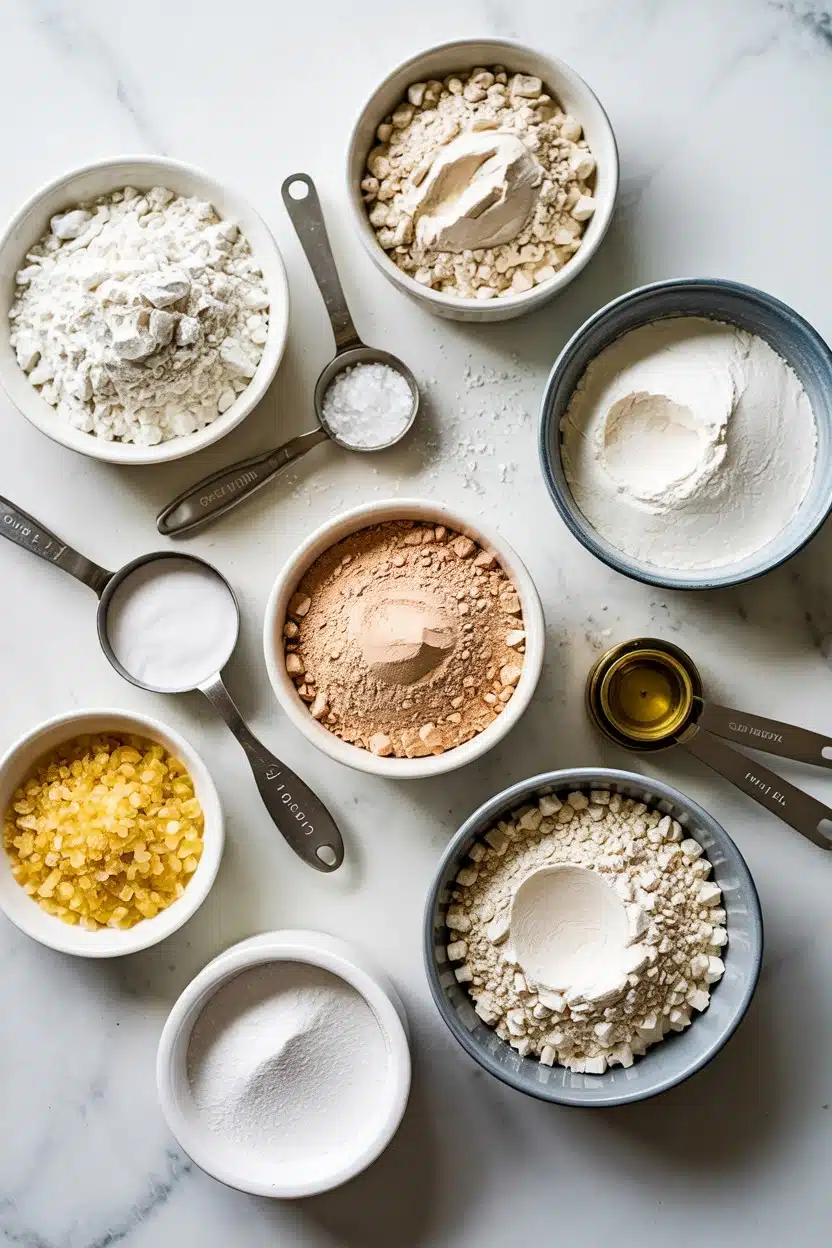
The right swap depends on what you're thickening and how much texture you want. Some options dissolve instantly like Wondra; others need whisking or a slurry to avoid clumps.
| # | Substitute | Best For | Ratio | Key Note |
|---|---|---|---|---|
| 1 | Cake Flour | ✨ Both | 1:1 | Slightly softer texture |
| 2 | All-Purpose Flour | ✨ Both | 1:1 | May cause slight lumps |
| 3 | Cornstarch | 🍳 Cooking | 1:2 | Very fine and smooth |
| 4 | Potato Starch | 🍳 Cooking | 1:2 | Very smooth texture |
| 5 | Rice Flour | ✨ Both | 1:1 | Slightly gritty when uncooked |
| 6 | Tapioca Starch | 🍳 Cooking | 1:2 | Adds shine and chewiness |
| 7 | Self-Rising Flour | ✨ Both | 1:1 | Contains leavening agents |
All-purpose flour and cornstarch are top substitutes depending on texture and clarity. Focus on matching smoothness first. For lump-free sauces, mix flour with cold liquid before adding. Cornstarch works well for clear, glossy finishes and thickens quickly at lower heat.
7 Easy Wondra Flour Swaps for Cooking
These options range from everyday pantry staples to specialty starches. Pick based on what you're making and how smooth you need the finish.
Remember it later
Planning to try this recipe soon? Save it for a quick find later!
1 - Cake Flour
Cake flour dissolves more easily than all-purpose but not as instantly as Wondra. The fine grind keeps lumps minimal in gravies and sauces.
Use 1 cup cake flour for every 1 cup Wondra. Whisk into cold liquid first, then heat.
That prevents clumping better than adding it to hot liquid.
Here's what to know:
- Slightly softer crumb in baked goods compared to Wondra
- Works well in delicate custards and cream sauces
Skip if: you need a gluten-free option or want zero texture change.
Cake Flour
Works for: Tender biscuits and smooth gravies
Skip if: You're avoiding gluten or need instant thickening
All-Purpose Flour
Works for: Hearty stews and rustic baking
Skip if: You want a lump-free finish without extra whisking
2 - All-Purpose Flour
All-purpose flour thickens just as well but needs more attention to avoid lumps. Mix it with a bit of cold water or broth before adding to hot liquid.
Use 1 cup all-purpose flour for every 1 cup Wondra. Stir constantly while pouring and let it simmer for a few minutes to cook out the raw flour taste.
If you're short on all-purpose flour as well, instead of All-purpose Flour try these for similar thickening power.
Skip if: you're making a delicate sauce where texture matters more than convenience.
3 - Cornstarch
Cornstarch thickens clear sauces without clouding them. It also works at lower temperatures than flour, so you don't have to simmer as long.
Use ½ cup cornstarch for every 1 cup Wondra. Mix it into cold liquid first to make a slurry, then stir into your sauce.
If you're out of cornstarch too, replacements similar to Cornstarch keep sauces glossy.
Skip if: you're baking or making a roux-based gravy.
4 - Potato Starch
Potato starch thickens without adding flavor, which makes it useful in fruit sauces and light gravies. It stays smooth even after cooling.
- Use ½ cup potato starch for every 1 cup Wondra
- Mix into cold liquid before heating to avoid clumps
- Adds a slightly silky texture compared to flour
- Breaks down under high heat, so add it near the end
Potato starch works best in sauces that won't be reheated. It can thin out if held too long on the stove.
Skip if: you're frying or making a dish that needs browning.
| Use | Ratio | Notes |
|---|---|---|
| Light sauces | 1:2 (Potato Starch to Wondra) | Smooth finish, mild flavor |
| Fruit fillings | 1:2 | Stays clear, doesn't cloud |
| Gluten-free gravies | 1:2 | Works well with broth |
5 - Rice Flour
Rice flour thickens without gluten, which makes it a solid swap in gluten-free cooking. It creates a slightly grainier texture than Wondra but works fine in most sauces.
Use 1 cup rice flour for every 1 cup Wondra. Whisk it into cold liquid first, then heat slowly.
Missing rice flour as well? Try swaps when Rice Flour runs out for gluten-free thickening.
Skip if: you want a completely smooth finish in a delicate custard.
6 - Tapioca Starch
Tapioca starch thickens into a glossy, stretchy texture that works especially well in pie fillings and Asian-style sauces. It holds up better than cornstarch when frozen and reheated.
- Use ½ cup tapioca starch for every 1 cup Wondra
- Mix into cold liquid, then heat until bubbles form
- Adds a slight chewiness that cornstarch doesn't
- Works best in sauces that need shine and elasticity
Tapioca starch can turn gummy if you use too much. Start with less and add more if needed.
Skip if: you're making a dry batter or coating.
7 - Self-Rising Flour
Self-rising flour contains baking powder and salt, so it thickens while adding a bit of lift. That makes it useful in batters but less ideal in plain gravies.
- Use 1 cup self-rising flour for every 1 cup Wondra
- Reduce or skip added salt in your recipe to avoid oversalting
Self-rising flour works best when you want slight leavening along with thickening. If you're out of self-rising flour too, Self-rising Flour alternatives to try cover options without the extra lift.
Skip if: you're making a savory sauce where rising or fluffiness isn't wanted.
How to Choose a Wondra Flour Substitute
Most of these swaps work without changing the recipe. The right choice depends on what you're making.
For smooth gravies and sauces, cornstarch or potato starch come closest to Wondra's instant-thickening behavior. For baking, cake flour or all-purpose flour work better since they add structure.
Try a few and see which you prefer.
- Closest match - Cake flour, finer grind than all-purpose
- Easiest grab - All-purpose flour, already in most pantries
- Gluten-free option - Cornstarch, smooth and neutral
Frequently Asked Questions
Yes, but mix it with cold liquid first to avoid lumps. All-purpose flour works in a 1:1 ratio but needs more whisking than Wondra.
Cornstarch or potato starch dissolve smoothly like Wondra. Use half the amount and mix into cold liquid before adding to hot gravy.
Cake flour and all-purpose flour work well in baking. Starches like cornstarch or tapioca don't add structure, so stick to flour-based swaps for cakes and biscuits.
Most starches taste neutral. Rice flour can taste slightly chalky if undercooked, and self-rising flour adds a hint of salt from the baking powder.
Wondra is finely ground wheat flour; cornstarch is pure starch from corn. Cornstarch thickens faster and creates a glossier finish but doesn't work in baking.
7 Best Substitutes for Wondra Flour
Ingredients
Method
- Choose your substitute based on the dish: flours for baking and starches for smooth gravies and sauces.
- For flours like cake flour, all-purpose, rice flour, or self-rising flour, whisk into cold liquid first to avoid lumps or clumps.
- For starches such as cornstarch, potato starch, or tapioca starch, mix into cold liquid to make a slurry before adding to hot liquids.
- Adjust the amount according to the recommended ratio: typically 1:1 for flours and 1:2 for starches versus Wondra Flour.
- Heat the mixture gently after combining to activate thickening; stir constantly to prevent lumps and cook out any raw flavors.
- Taste and check the consistency; for self-rising flour reduce added salt to prevent oversalting, and avoid high heat for potato starch to keep smoothness.
- Use starch substitutes for clear, glossy, and smooth sauces; use flour substitutes for structure in baking or thickening with some texture.