
You reach for sorghum flour mid-recipe and the container is empty. The gluten-free batter needs something with similar binding power and a mild grain flavor.
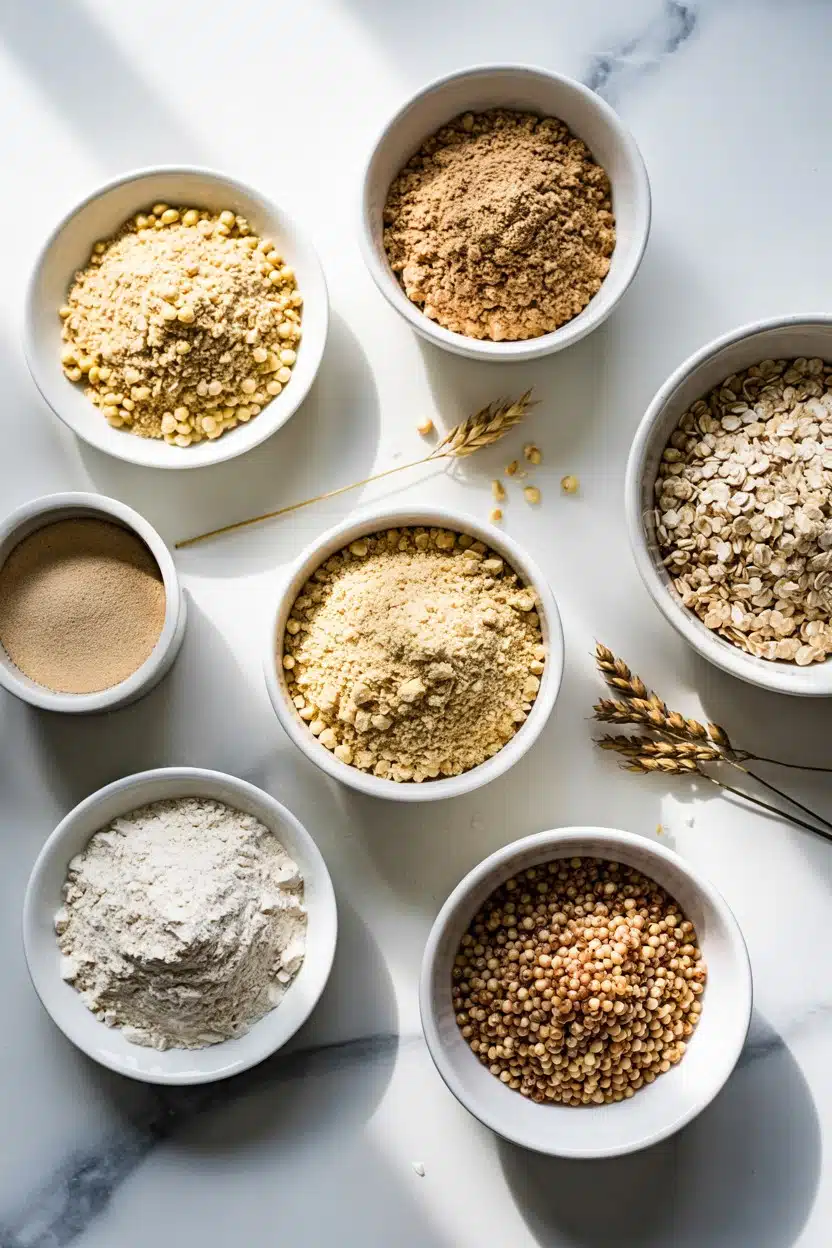
Swaps vary based on how the flour behaves in the recipe-water absorption, binding strength, and crumb texture shift with each option. Pick a substitute that matches the dish's structure first, then adjust hydration or mixing time if needed.
| # | Substitute | Best For | Ratio | Key Note |
|---|---|---|---|---|
| 1 | Brown Rice Flour | ✨ Both | 1:1 | Slightly denser texture |
| 2 | Teff Flour | 🥧 Baking | 1:1 | Earthy, heavier crumb |
| 3 | Oat Flour | 🥧 Baking | 1:1 | Adds extra moisture |
| 4 | Buckwheat Flour | 🍳 Cooking | 1:1 | Strong nutty taste |
| 5 | Almond Flour | 🥧 Baking | ¾ cup per 1 cup | Rich, adds fat |
| 6 | Chickpea Flour | 🍳 Cooking | 1:1 | Savory, slightly bitter |
| 7 | Tapioca Flour | 🥧 Baking | ¼ to ⅓ cup per 1 cup | Blend with other flours |
Brown rice flour and teff flour are top substitutes, focusing on flavor and texture first. Adjust liquid levels slightly for best results. Choose based on whether you want a mild or earthy flavor and the desired crumb density.
7 Simple Sorghum Flour Swaps to Save Time
These substitutes are ranked by how closely they replicate sorghum flour's neutral flavor and fine texture. Pick based on what you're making and what's already in the pantry.
Remember it later
Planning to try this recipe soon? Save it for a quick find later!
1 - Brown Rice Flour
Brown rice flour mimics sorghum's mild grain flavor and works across baking and thickening. It absorbs slightly less liquid, so you may need to add a tablespoon or two of water to match the original batter consistency.
The texture runs denser than sorghum, which shows up most in delicate cakes or airy muffins. If you're out of brown rice flour too, common Brown Rice Flour swaps ranked covers options that stay light and fine-textured.
Skip if: you need a fluffy, cake-like crumb-brown rice flour produces a tighter structure.
Brown Rice Flour
Works for: breads, cookies, gravy thickening
Skip if: making angel food cake or chiffon desserts
Sorghum Flour
Works for: all gluten-free baking, neutral base
Skip if: you want a pronounced grain taste
2 - Teff Flour
Teff flour brings an earthy, slightly sweet flavor that works in hearty baked goods and flatbreads. The crumb turns heavier and more compact than sorghum, so it's a poor fit for light cakes or pastries that rely on airy structure.
If you're out of teff flour as well, Teff Flour swaps that match lists grains with similar density and mineral notes.
Skip if: the recipe calls for a delicate, tender crumb-teff weighs it down.
3 - Oat Flour
Oat flour adds moisture and a subtle sweetness, making it ideal for muffins, quick breads, or pancakes. It doesn't provide much structure on its own, so recipes needing a firm rise or strong binding may turn out dense or crumbly.
Use a 1:1 swap and watch for excess wetness-oat flour soaks up less liquid than sorghum. Add xanthan gum or a starch blend if the batter feels too loose.
Skip if: you're making sandwich bread or anything needing a sturdy crumb-oat flour lacks the strength to hold tall shapes.
4 - Buckwheat Flour
Buckwheat flour delivers a strong, nutty, slightly bitter taste that stands up in hearty pancakes, crepes, or savory batters. The flavor overtakes delicate baked goods, so skip it in vanilla cakes or shortbread where you want a neutral base.
Swap 1:1 and expect a denser, chewier texture. Pair with a lighter flour like tapioca starch if you need to balance the heaviness.
Skip if: the recipe highlights subtle flavors-buckwheat dominates the taste profile.
| Use | Ratio | Notes |
|---|---|---|
| Pancakes | 1:1 | Strong flavor, chewy bite |
| Cookies | 1:1 | Nutty, slightly bitter edge |
| Flatbreads | 1:1 | Dense, hearty texture |
5 - Almond Flour
Almond flour adds moisture and a sweet, nutty richness to gluten-free desserts like brownies, macarons, or dense cakes. It contains more fat than sorghum, so batters turn richer and heavier-not ideal for recipes needing a fluid pour or light rise.
Here's what to know:
- Use ¾ cup almond flour for every 1 cup sorghum flour.
- Expect a moister, denser crumb that holds together well.
- Best in recipes already calling for eggs or extra binding agents.
- Increase baking time by 2-3 minutes to compensate for the extra moisture.
If you're out of almond flour too, Almonds substitutes for cooking covers nuts and seeds that match the fat content and texture.
Skip if: the recipe relies on a thin, pourable batter-almond flour thickens it fast.
6 - Chickpea Flour
Chickpea flour binds well in savory batters, fritters, and flatbreads, bringing an earthy, slightly bitter edge. It can overpower sweet baked goods, so use it where the flavor leans savory or herbal.
- Swap 1:1 and expect a denser, more protein-rich texture.
- Add a pinch of baking powder if the batter feels heavy or flat.
If you're also short on chickpea flour, Chickpea substitutes for stews includes legume-based flours that hold structure without turning gritty.
Skip if: you're baking vanilla cake or shortbread-chickpea flour muddles the sweetness.
7 - Tapioca Flour
Tapioca flour improves chewiness and binding in gluten-free blends, but it won't work as the sole flour-it lacks structure and turns gummy when used alone. Mix ¼ to ⅓ cup tapioca flour with other flours to replace 1 cup of sorghum.
Combine with brown rice flour, oat flour, or almond flour to build a balanced blend that holds shape without turning rubbery. If you're out of tapioca flour as well, Tapioca Flour substitutes for cooking lists starches that add similar chew and binding.
Skip if: you're trying to replace sorghum cup-for-cup with a single ingredient-tapioca needs backup.
Before You Swap Sorghum Flour
Any of these substitutes will work when you're out of sorghum flour, but the best choice depends on what you're making. For neutral baking, brown rice flour comes closest.
For savory dishes, chickpea flour holds structure without adding sweetness.
- Closest match - Brown rice flour for neutral grain flavor
- Easiest grab - Oat flour for moisture-rich baking
- Bold alternative - Buckwheat flour for hearty, nutty recipes
Frequently Asked Questions
Most substitutes work 1:1, but almond flour requires ¾ cup per 1 cup sorghum, and tapioca flour needs blending with other flours. Brown rice flour and oat flour swap directly without ratio changes.
Sorghum flour tastes slightly sweeter and more neutral, while brown rice flour carries a mild nutty edge. The difference barely shows in heavily spiced or flavored recipes.
Brown rice flour works in both baking and thickening sauces. Oat flour and almond flour suit baking best, while chickpea flour excels in savory batters and flatbreads.
Yes-brown rice flour, teff flour, oat flour, buckwheat flour, chickpea flour, and tapioca flour are all nut-free. Skip almond flour if you need to avoid tree nuts.
Tapioca flour and oat flour absorb less liquid than sorghum, so batters can turn sticky or dense. Reduce liquid by 1-2 tablespoons or add a binding agent like xanthan gum to balance the texture.
7 Best Substitutes for Sorghum Flour
Ingredients
Method
- Select your substitute based on the dish's texture and flavor profile needs.
- If using brown rice or oat flour, swap 1:1 and adjust hydration by adding water if batter is too thick.
- For almond flour, use ¾ cup per 1 cup sorghum flour and increase baking time by 2-3 minutes.
- Toast chickpea flour in a dry skillet for 2-3 minutes before mixing to reduce raw flavor.
- When using tapioca flour, blend ¼ to ⅓ cup with other flours to avoid gumminess and ensure structure.
- Add xanthan gum or starch blend when using oat flour if batter feels too loose or wet.
- Taste-test and adjust liquid or binding agents as needed to maintain batter consistency and flavor balance.



