
You pull a measuring cup mid-recipe and realize the bottle is empty. The dish needs that salty, umami depth, but you can work around it.
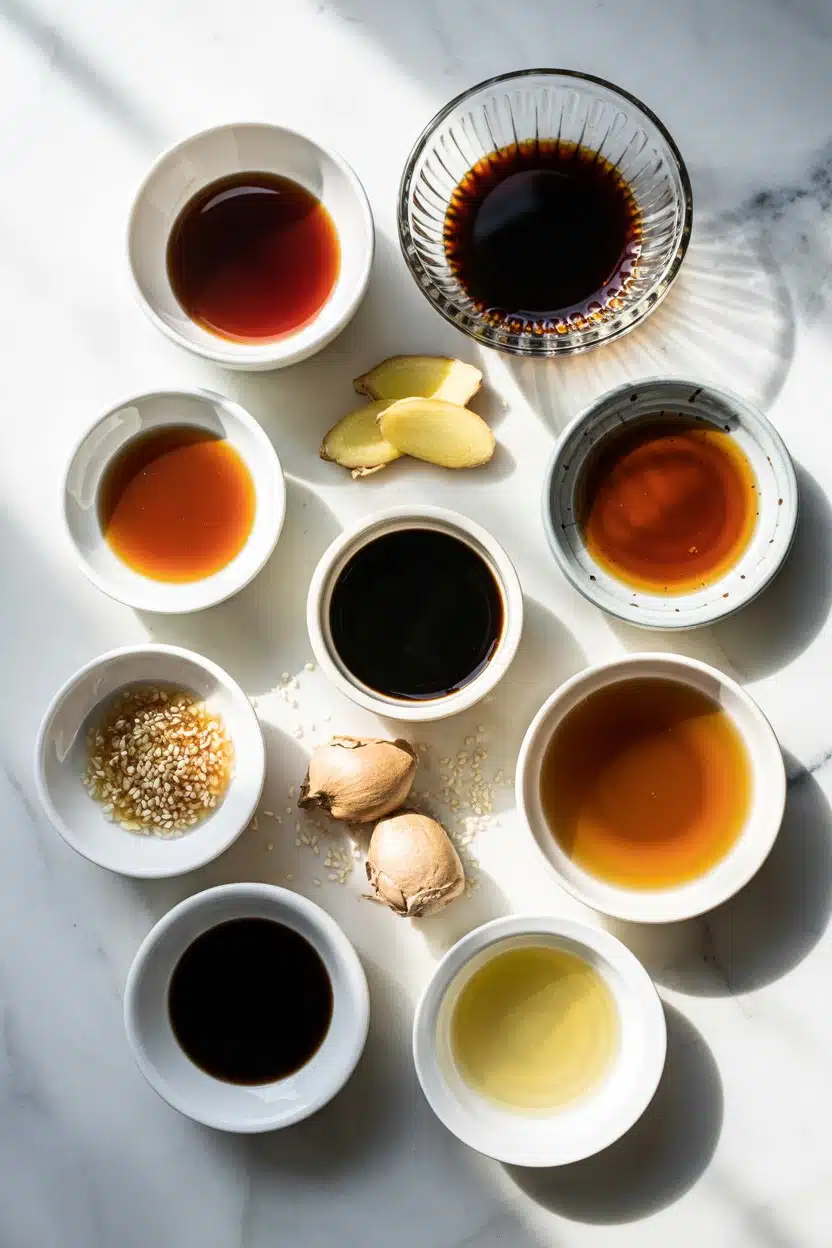
Swaps vary in how closely they match the original. Some bring the same salinity and fermented richness, while others lean sweeter or tangier.
We tested these to find what actually works. Each one brings something slightly different.
| # | Substitute | Best For | Ratio | Key Note |
|---|---|---|---|---|
| 1 | Tamari | ✨ Both | 1:1 | Richer, less salty |
| 2 | Coconut Aminos | 🍳 Cooking | 1:1 | Sweeter, mild umami |
| 3 | Liquid Aminos | ✨ Both | 1:1 | Milder, less salty |
| 4 | Maggi Sauce | 🍳 Cooking | ½ tablespoon per tbsp | Stronger, more savory |
| 5 | Fish Sauce | 🍳 Cooking | ½ tablespoon per tbsp | Pungent, fishy umami |
| 6 | Miso Paste | 🍳 Cooking | 1 tablespoon + 2 tablespoon water | Earthy, rich umami |
| 7 | Worcestershire | 🍳 Cooking | 1:1 | Tangy, sweet, thinner |
| 8 | Balsamic Mix | 🍳 Cooking | 1 tablespoon + ¼ teaspoon salt | Sweet, acidic |
| 9 | Homemade Mix | 🍳 Cooking | 1:1 | Savory, beefy depth |
Tamari and Liquid Aminos offer the closest salty, umami flavor to soy sauce. Focus on matching flavor intensity first. Adjust salt levels as needed since some substitutes are milder or sweeter.
9 Smart Soy Sauce Swaps When You're Out
Some swaps deliver nearly identical results, while others shift the flavor just enough that you'll need to taste and adjust. Pick based on what the dish needs and what you already have.
Remember it later
Planning to try this recipe soon? Save it for a quick find later!
1 - Tamari
Tamari matches the salty, fermented profile more closely than most alternatives. It brings a rounder, deeper umami without the sharpness that comes from wheat-based brewing.
Use it anywhere you'd use the original-stir-fries, marinades, dipping sauces, dressings. The texture stays thin and pourable, so it coats evenly and mixes without clumping.
Here's what to know:
- Ratio - Use 1 tablespoon per 1 tablespoon of the original
- Flavor shift - Richer, slightly less salty, with a smoother finish
- Gluten note - Most brands are gluten-free; check the label if that matters
If you're short on Tamari as well, instead of Tamari try these for swaps that stay in the same fermented lane.
*Skip if::* You need a wheat-based flavor or can't find a certified gluten-free version.
Tamari
Works for: Stir-fries, marinades, dipping sauces needing deep umami
Skip if: You specifically want wheat-based sharpness
Coconut Aminos
Works for: Low-sodium dishes, gluten-free and soy-free diets
Skip if: You need strong roasted soy flavor or high salinity
2 - Coconut Aminos
Coconut aminos runs sweeter and milder than fermented soy-based liquids. It won't deliver the same roasted depth, but it works when you need something salty with a gentler profile.
The lower sodium content makes it easy to over-pour. Start with the standard ratio, then add salt or a pinch of miso paste if the dish tastes flat.
- Ratio - Use 1 tablespoon per 1 tablespoon of the original
- Flavor shift - Sweeter, less salty, with mild umami
- Texture - Slightly thicker and less liquid than traditional versions
- Best uses - Stir-fries, salad dressings, light marinades
*Skip if::* The recipe depends on bold, roasted soy flavor or you need high salinity without added sugar.
3 - Liquid Aminos
Liquid aminos tastes closer to the original than coconut-based versions, but it's milder overall. The flavor runs clean and salty without the fermented funk that aged soy brings.
It works raw or cooked-drizzle it over rice, whisk it into dressings, or add it to simmering broths. If you're out of liquid aminos too, simple Liquid Aminos substitutes list covers fermented and non-fermented swaps.
*Skip if::* You need a soy-free option or want the deeper, aged flavor that comes from long fermentation.
4 - Maggi Sauce
Maggi sauce brings concentrated savory punch with less liquid. A little goes further than you'd expect, so cutting the ratio in half keeps the dish from tasting overly salty or sharp.
- Ratio - Use ½ tablespoon per 1 tablespoon of the original
- Flavor shift - Stronger, more savory, with a pronounced saltiness
- Best uses - Stir-fries, soups, braised meats, anything simmered or cooked with heat
- Texture - Thinner than the original but more intense per drop
The flavor runs bold and forward, so it works best in dishes with other strong ingredients-garlic, ginger, chili paste, or caramelized onions. It can overpower delicate broths or light vegetables if you use too much.
If you don't have Maggi sauce either, quick Maggi Seasoning replacements to try covers similar high-impact swaps.
*Skip if::* You're cooking something delicate or light-flavored, or if you can't cut the ratio without losing control of the salt level.
5 - Fish Sauce
Fish sauce delivers strong umami, but it comes with a pungent, briny edge that not everyone wants. It works best in Southeast Asian dishes where that funk belongs-curries, stir-fries, noodle broths, and dipping sauces.
Use half the amount you'd use of the original. The flavor concentrates as it cooks, so start small and add more only if the dish needs it.
*Skip if::* You're cooking for vegetarians, need a soy-specific flavor, or want something milder and less assertive.
| Use | Ratio | Notes |
|---|---|---|
| Marinades | 1:1 Tamari or Liquid Aminos | Closest match for depth |
| Stir-fries | 1:1 Tamari, ½ Maggi Sauce | High heat intensifies flavor |
| Dipping sauces | 1:1 Tamari, Worcestershire | Adjust for tang or sweetness |
6 - Miso Paste
Miso paste brings earthy, salty richness but needs thinning before it can replace a liquid seasoning. Mix 1 tablespoon of paste with 2 tablespoons of water to match the consistency.
- Ratio - Mix 1 tablespoon miso with 2 tablespoons water per 1 tablespoon of the original
- Flavor shift - Earthy, salty, with a thicker, richer umami
- Best uses - Soups, sauces, glazes, anything that benefits from a slightly thicker texture
- Texture - Thicker and grainier than liquid alternatives
The paste doesn't dissolve completely, so it's not ideal for clear broths or dipping sauces where you want a clean, transparent liquid. It shines in dishes where a bit of body helps-miso-glazed vegetables, ramen broth, or thick stir-fry sauces.
Out of miso too? Swaps when Miso Paste runs out covers fermented and non-fermented options for similar depth.
*Skip if::* You need a liquid substitute or want a clear, transparent sauce without any graininess.
7 - Worcestershire
Worcestershire sauce adds tangy complexity but shifts the flavor away from pure umami. It brings vinegar, molasses, and spice notes that work in marinades, burgers, and meat-based dishes but feel out of place in Asian recipes.
The texture runs thinner and less viscous, so it blends easily into dressings or glazes. Use it 1:1, but taste as you go-if the tang overpowers the dish, balance it with a pinch of sugar or a splash of water.
Missing Worcestershire as well? Easy Worcestershire Sauce swaps that work covers tangy and savory alternatives.
*Skip if::* You need a soy-specific flavor or you're cooking a dish where vinegar and sweetness don't fit the profile.
8 - Balsamic Mix
Balsamic vinegar mixed with salt gives you acidity and a hint of sweetness, but it doesn't deliver umami. It works as a finishing drizzle for salads, roasted vegetables, or grain bowls, but it won't replace the savory depth in stir-fries or marinades.
What to expect:
- Ratio - Use 1 tablespoon balsamic vinegar + ¼ teaspoon salt per 1 tablespoon of the original
- Flavor shift - Sweet, acidic, with minimal umami
- Best uses - Salads, roasted vegetables, finishing sauces
The vinegar's acidity brightens the dish, but the lack of fermented soy flavor means it won't work in recipes where that funk is the backbone. Use it when you need a quick, tangy seasoning rather than a true umami bomb.
Can't find balsamic either? Balsamic Vinegar alternatives worth trying covers acidic and sweet swaps.
*Skip if::* The dish depends on soy flavor or you need a true umami base rather than a tangy accent.
9 - Homemade Mix
Combine beef broth, molasses, and vinegar to build a savory, slightly sweet base that mimics the original's depth. The mix works best in slow-cooked dishes where the flavors have time to meld-braises, stews, and simmered sauces.
The beef broth adds a meaty richness that soy-based liquids don't have, so it pairs well with hearty dishes but feels out of place in lighter recipes. Use it 1:1, but expect a slightly thicker texture and a flavor that leans more toward Western umami than Asian fermentation.
Out of the original completely? Swaps when Soy Sauce runs out covers both traditional and improvised alternatives.
*Skip if::* You need a quick substitute or you're cooking a dish where beef flavor doesn't belong.
Making Soy Sauce Substitutes Work
Most of these swaps work without major recipe changes, but the best choice depends on what you're making. For marinades and stir-fries, tamari comes closest.
For lighter dishes or dietary restrictions, coconut aminos or liquid aminos give you flexibility without compromising too much.
- Closest match - Tamari for deep umami
- Easiest grab - Worcestershire for pantry convenience
- Dietary option - Coconut aminos for soy-free needs
Frequently Asked Questions
Yes. Tamari works 1:1 in marinades, glazes, and savory baked goods like crackers or breadsticks. The flavor stays close to the original, so you won't notice a big difference.
No. It tastes milder and slightly sweeter than soy sauce, but there's no coconut flavor. The sweetness comes from the sap, not the fruit.
You can, but it won't taste the same. Worcestershire brings tang and spice that soy sauce doesn't have. Use it straight in marinades or meat dishes, but skip it for Asian recipes where soy flavor matters.
Fish sauce is made from fermented anchovies, so it has a pungent, briny smell. The odor mellows when cooked, and the umami flavor it adds is worth the initial funk.
Not for a direct swap. Miso paste is too thick to replace a liquid seasoning. Mix it with water to loosen the texture, or use it as a flavor base in soups and sauces where thickness works.
9 Best Substitutes for Soy Sauce
Ingredients
Method
- Choose your substitute based on the dish's flavor needs and dietary requirements.
- For miso paste, mix with water to thin before using as a soy sauce replacement.
- Apply the substitution ratio: 1:1 for tamari, coconut aminos, liquid aminos, Worcestershire, and homemade mix.
- Use half the amount of maggi sauce or fish sauce compared to soy sauce, as they are more concentrated.
- Add balsamic vinegar with salt as a finishing drizzle for acidity and sweetness, not for deep umami.
- Adjust seasoning by tasting after adding substitute, especially with sweeter or stronger-flavored swaps.
- Use tamari for the closest match in umami depth and salinity in any recipe calling for soy sauce.



